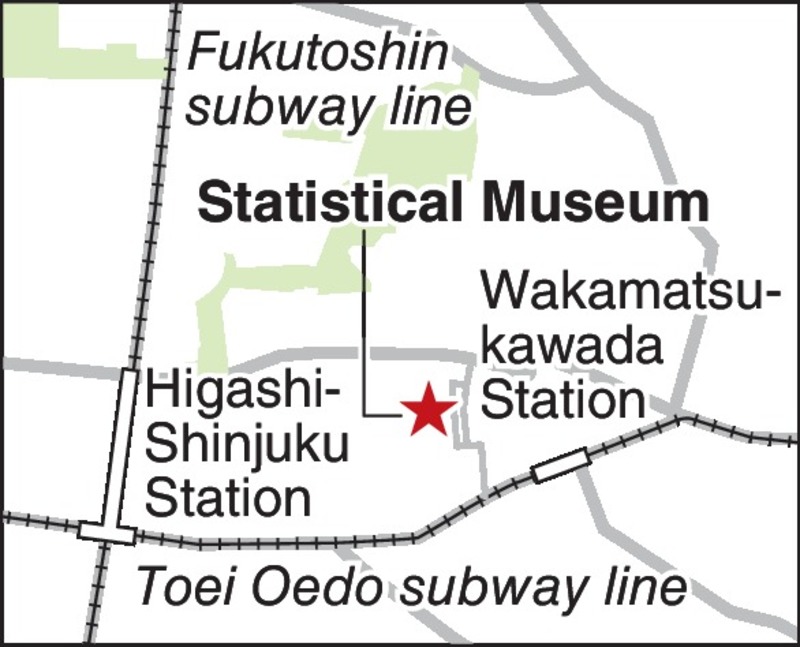
The Statistical Museum can be found on the premises of the Statistics Bureau, housed in the Internal Affairs and Communications Ministry's second building in Shinjuku Ward, Tokyo.
The museum introduces the history and significance of statistics. The exhibits include source materials related to national censuses, counting machines and the lives of the people who made contributions to Japan's statistical system.
Near the entrance are panels inscribed with a biography and achievements of Shigenobu Okuma (1838-1922). A politician and founder of Waseda University, Okuma is the father of Japan's statistical system. In 1871, he established this country's first governmental organization on statistics inside the Finance Ministry. In 1881, he proposed enlarging the organization into the predecessor of the Statistics Bureau.
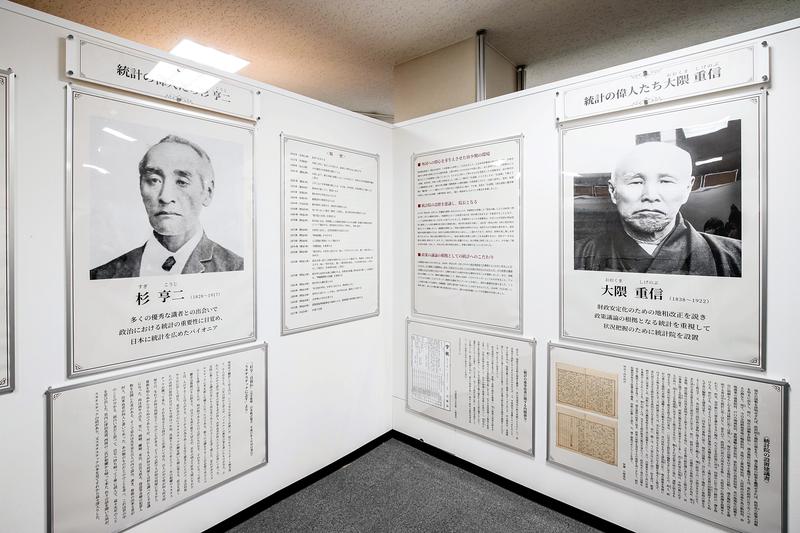
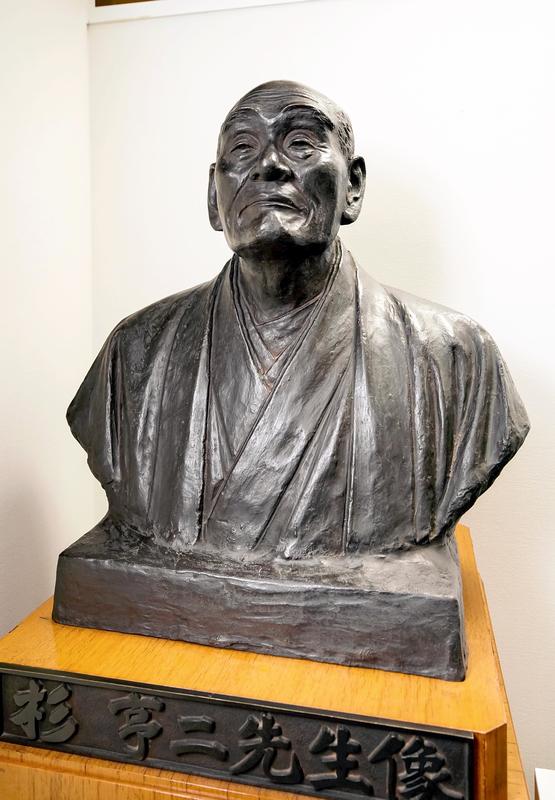
Next to the Okuma display are panels on Koji Sugi. In 1879, he carried out a survey on residents in what is now Yamanashi Prefecture as a test ahead of conducting the country's first national census. He also served as a grand secretary at the statistical institution set up after Okuma's proposal.
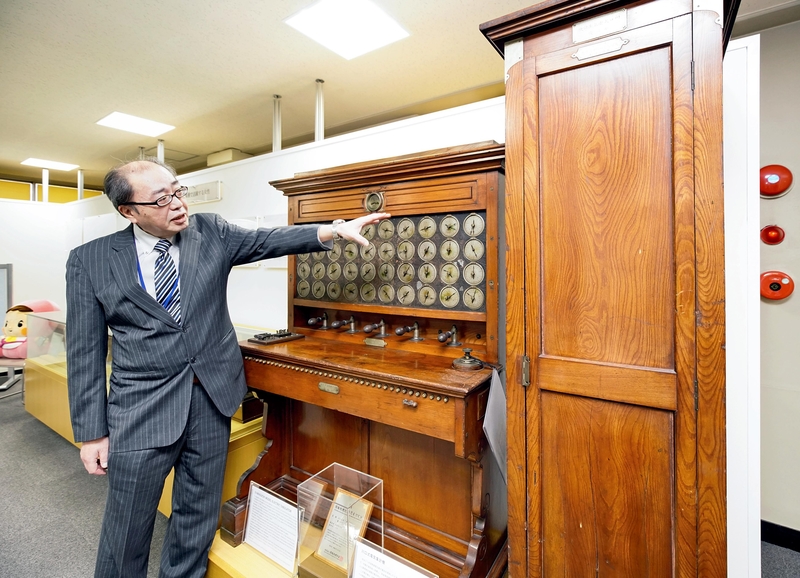
One corner of the museum's exhibition space is occupied by what looks like a wooden shelf. It is the Kawaguchi-style electric counting machine, which was built for surveying demographics.
The machine is fitted with 40 dials, each capable of counting up to 10,000 cards. Punched cards are put in a wooden box to the right, and the dials show how many people there are that fit into punched-in categories, such as gender and occupation.
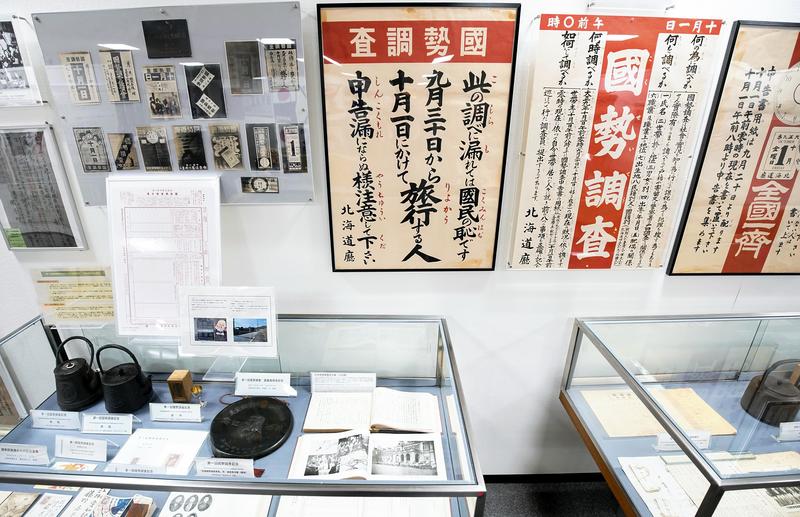
On the left side are source materials related to the country's first national census in 1920. A Hokkaido government poster at the time calls for people to take part in the census, saying, "It will be a shame for any citizens to be left out of this census." There was also a song promoting the census, with lyrics saying that participation was a duty. One can feel the strong enthusiasm for the first national census.
"Statistics is about showing social situations with numbers. I hope visitors will feel how important that is," said museum Director Shigeyuki Arai, 61.
In his proposal for setting up the statistical body, Okuma wrote, "There is nothing better than statistics to compare the current state of the country with that of the past, and demonstrate the merits and demerits of government policies."
But statistical figures must be correct. Some statistical figures have been questioned in the face of recent inappropriately conducted surveys. Let's revisit what people in the past were trying to do and learn from them.
-- Statistical Museum
The museum opened in 1991 to commemorate the 120th anniversary of the Statistics Bureau's predecessor, which was established in 1871 as a governmental organization called Seihyo-ka (political table department). It displays about 100 exhibits related to statistics. It often receives visits by groups of survey personnel involved in statistics.
Address: 19-1 Wakamatsucho, Shinjuku Ward, Tokyo
Open: 9:30 a.m.-5 p.m. Closed on Saturdays, Sundays, national holidays, the year-end and New Year holidays.
Admission: Free
Information: (03) 5273-1187
Read more from The Japan News at https://japannews.yomiuri.co.jp/