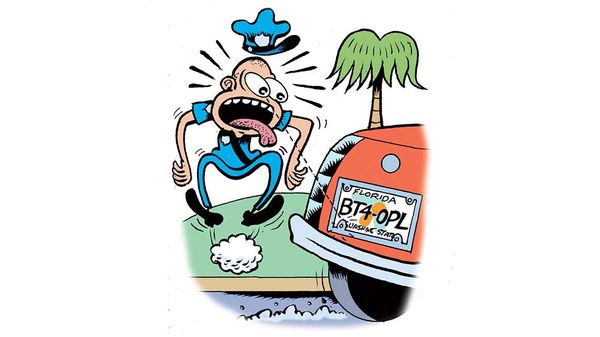

Traffic stops can shift from routine to serious in seconds, especially when words raise suspicion. Law enforcement officers often listen closely for specific phrases that may signal consent, uncertainty, or hidden concerns. One casual sentence can change the entire direction of the conversation at the roadside.
Drivers often underestimate how quickly language shapes an officer’s next move. Knowing how certain phrases affect a stop helps drivers stay calm, clear, and aware during tense moments.
Why Words Matter More Than Most Drivers Realize
State troopers rely on observation, behavior, and conversation to assess risk during a traffic stop. They look for inconsistencies in answers, nervous phrasing, or statements that suggest something needs further checking. A phrase like “I don’t know, you can check if you want” can sound like permission, even if the driver did not mean it that way. Officers often treat vague or uncertain responses as signals that justify further investigation. Language during a stop carries weight because officers build probable cause from the entire interaction, not just one detail.
Drivers often assume only physical evidence matters, but conversation plays a huge role in shaping the encounter. Troopers train to detect hesitation, over-explanation, or voluntary-sounding consent. Even polite phrasing can unintentionally open the door to a search request. Officers also pay attention to tone, speed of speech, and changes in confidence. A simple misunderstanding during a stressful moment can escalate a routine stop into a more invasive inspection.
The Phrase That Often Raises Red Flags
State troopers frequently notice one phrase that changes the tone of a stop: “Go ahead, I’ve got nothing to hide.” That statement can sound cooperative on the surface, but it often signals implied consent. Officers may interpret it as permission to search the vehicle without needing stronger justification. Once that phrase enters the conversation, troopers may shift from routine questioning to a deeper investigation. The wording creates suspicion because it suggests the driver anticipates scrutiny.
Drivers often use that phrase to appear helpful or to end the stop quickly, but it can have the opposite effect. Law enforcement professionals may view it as an invitation to continue probing for hidden issues. Courts have also examined cases where similar language contributed to lawful searches based on consent. Even casual comments like this can remove protections drivers assume remain in place. The safest approach always involves clear, limited, and neutral responses that avoid offering unnecessary permission.
Other Common Statements That Can Escalate a Stop
State troopers also pay attention to phrases that suggest confusion or defensiveness, such as “I didn’t know I could be pulled over for that.” That kind of statement can shift attention toward additional questions about compliance and intent. Officers may interpret uncertainty as a reason to extend the stop and investigate further. Another risky phrase includes “Do you really need to check that?” which can sound confrontational and raise suspicion. Tone and wording often matter just as much as the message itself.
Drivers also create risk when they overshare information without being asked. Statements like “I was just trying to get home quickly” or “I might have been speeding a little” can complicate the interaction. Troopers often document spontaneous admissions because those comments support enforcement actions. Even jokes or sarcasm can create confusion and increase scrutiny. Careful, concise communication reduces the chance of unnecessary escalation.
How Troopers Build Legal Grounds During Conversations
State troopers build search justification through a combination of behavior, observation, and spoken words. They often look for voluntary consent, clear indicators of illegal activity, or probable cause based on visible factors. A phrase that sounds like permission can legally open the door for a search, depending on the situation. Officers also consider contradictions between driver statements and vehicle conditions. Every response adds another piece to the overall assessment.
Drivers sometimes overlook how quickly consent develops during a roadside conversation. A simple “yes” or suggestive phrase can carry legal weight even without formal paperwork. Troopers receive training that helps them recognize when a driver offers permission without fully realizing the consequences. That training allows officers to act quickly when language suggests cooperation beyond basic compliance. Careful communication protects drivers from unintentionally expanding the scope of a stop.
How To Handle Roadside Encounters
State troopers focus heavily on clarity, consistency, and voluntary language during every traffic stop they conduct. Certain phrases, especially those that imply permission or uncertainty, can shift the entire direction of the encounter. Drivers who speak carefully and avoid offering unnecessary consent maintain stronger control over the interaction. Calm, direct answers reduce confusion and prevent misunderstandings that lead to searches. Awareness of how language works in these moments helps drivers stay informed and prepared on the road.
What do you think—should drivers receive more education about how everyday phrases affect traffic stops?
You May Also Like…
7 in 10 Used Cars Have At Least One Fault—Here’s the Mistake Buyers Keep Making
Police Say Never Reach for This During a Traffic Stop — It Looks Like a Threat
Never Tell a Cop “I Know My Rights” — 5 Better Lines to De-escalate a Traffic Stop
6 Questions Police Hope You Answer Without Thinking
The “Helpful Neighbor” Scam Police Say Is Growing in Suburban Communities
The post State Troopers Say This Phrase Gives Them a Reason to Search Your Car appeared first on Clever Dude Personal Finance & Money.