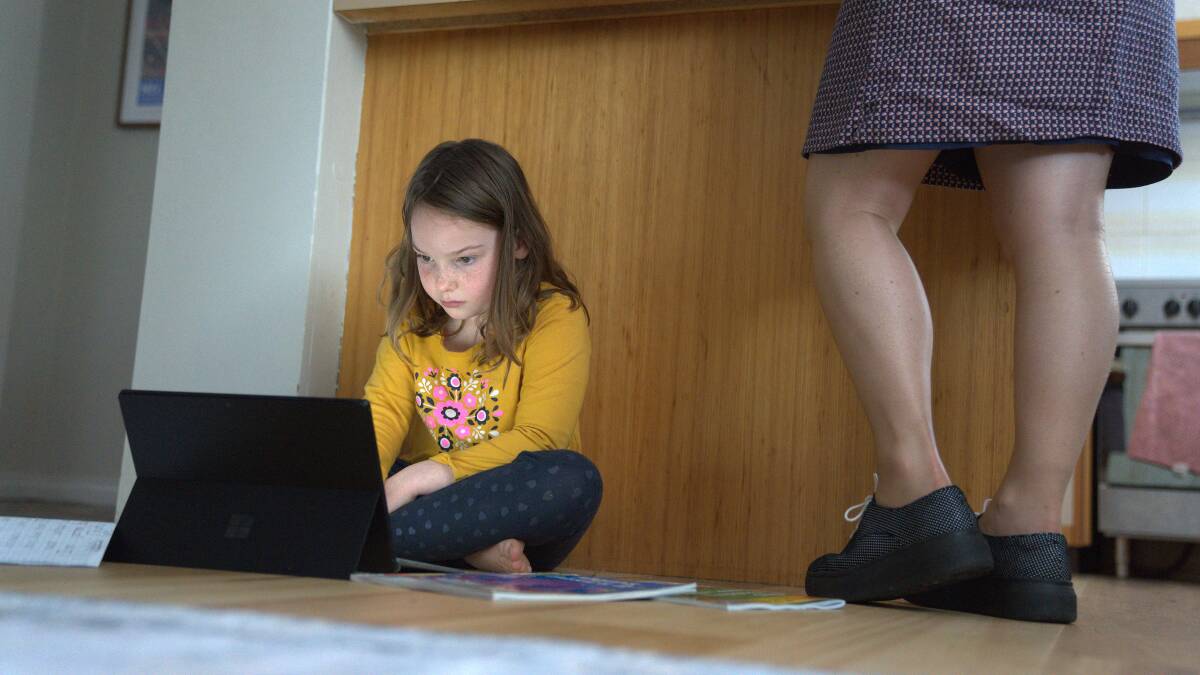
Parents who looked after children during lockdowns should get payment for doing so, according to one of the country's top demographers.
"We had JobKeeper, JobSeeker - but we also should have had HomeTeacher," Professor Lyndall Strazdins of the ANU said.
She says that parents who oversaw education - often while doing their own job from home - have been "overlooked". They should have been given a wage subsidy for their "invisible" work.
"Parents couldn't stick their kids on a computer and leave them for eight hours while they were working. They had to motivate, support them and be there to help them learn."
"Where was HomeTeacher?" Professor Strazdins asked.
"There could have been an opportunity for parents to take parental leave, similar to what they can access after having a baby, so they could take an absence from their work and actually do the other job of home schooling.
"Parents have faced the impossible conflict between trying to manage their job and trying to manage their children's future."
New South Wales has announced a one-off payment of $250 to people who home-schooled students. The professor said that was a "promising start".
But more was needed to help parents, she felt "particularly women and single parent families".
"When we entered lockdowns across much of the country, parents were suddenly forced to take on an entirely new job in an entirely new environment, without training, while managing their day job."
Another ANU specialist echoed Professor Strazdins.
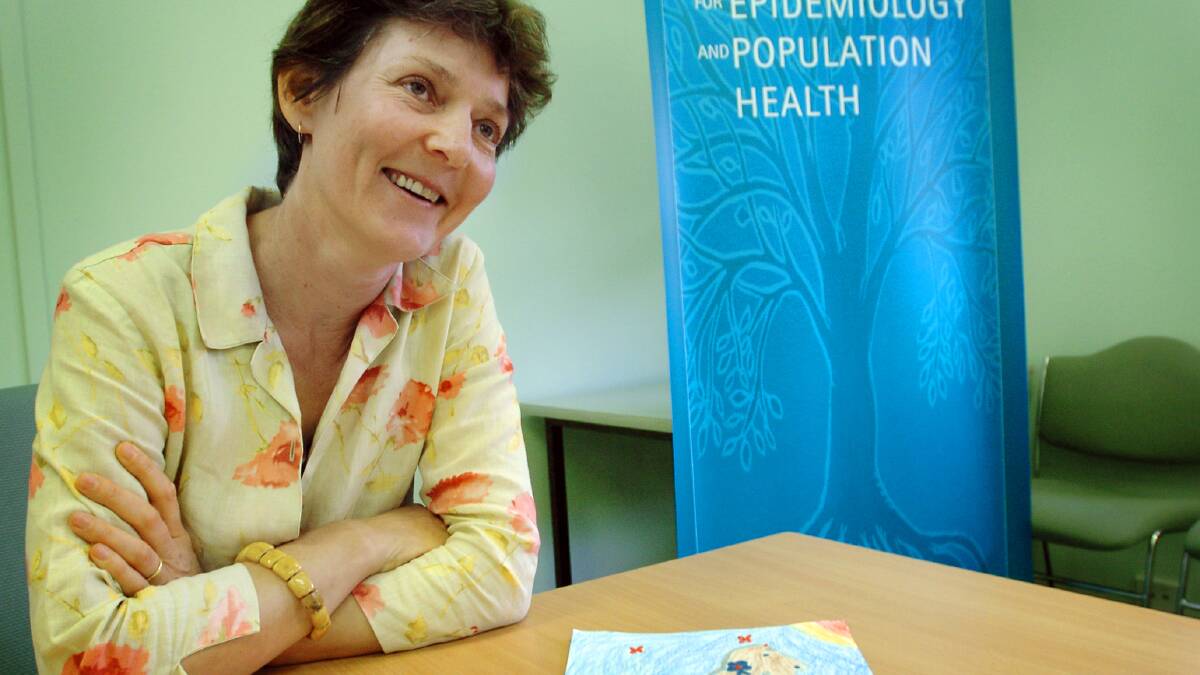
Professor Peter Whiteford, an expert on social policy, said: "The pandemic exposed many of the weaknesses in our system of social protection. We need to think about what the future holds and if our social policy settings are able to cover the new risks we will face."
About a fifth of Australian households have children of school age - almost two million households, according to the Australian Bureau of Statistics,
Professor Strazdins also argues that the lockdowns and the disruption of the COVID-19 pandemic had entrenched long-standing inequality, with women still having to do the majority of "invisible" work.
"The new normal looks a lot like the old normal. This invisible work often falls to women," she said.