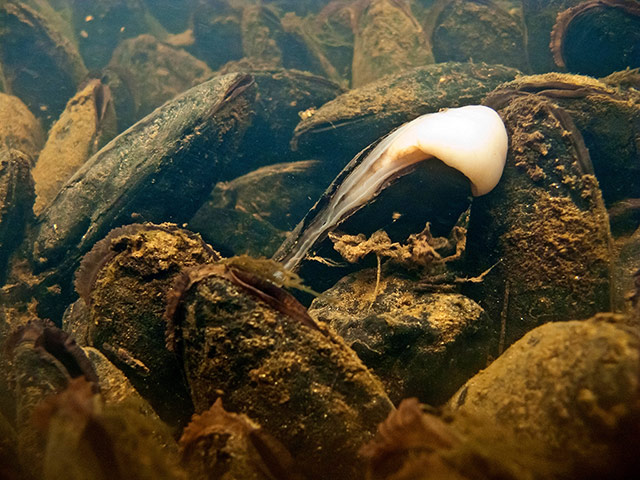
The mollusc can live for 100 years but has been illegally hunted to near extinction, remaining only in Scotland where half of all the world’s remaining population exists Photograph: Alamy
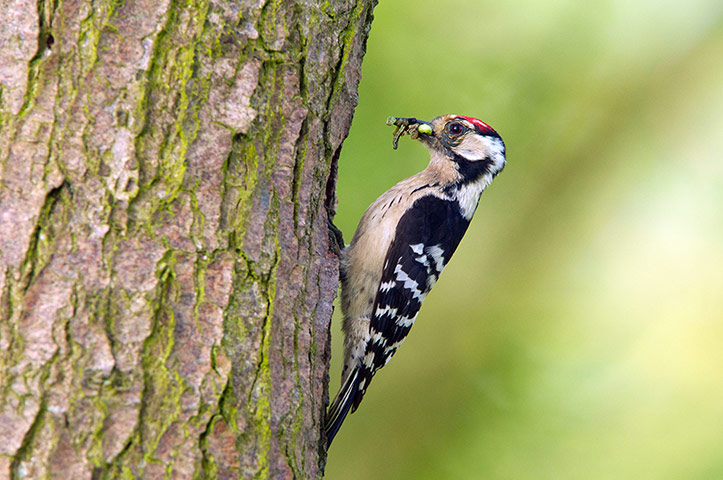
This once common bird now survives only in the south, but the reasons for its decline are unknown Photograph: Alamy
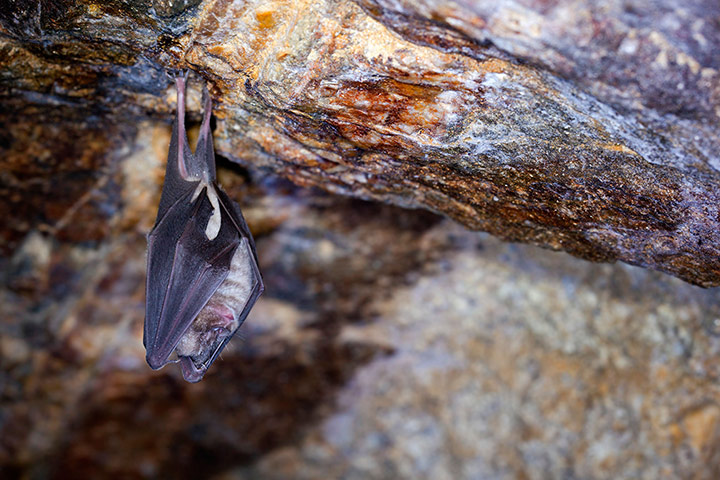
The use of medicines to cut worm infections in cattle has severely reduced numbers of this bat, which feeds on the larval insects in cow dung Photograph: David Chapman/Alamy
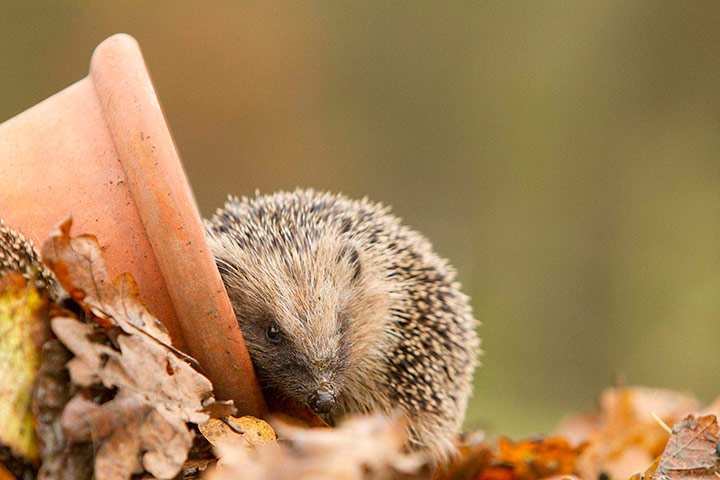
Conservationists estimate there are now less than 1 million hedgehogs left in the UK, down from 2m in the 1990s and 36 million in the 1950s, with hedgerow losses and roadkills major problems Photograph: Ben Hall/RSPB
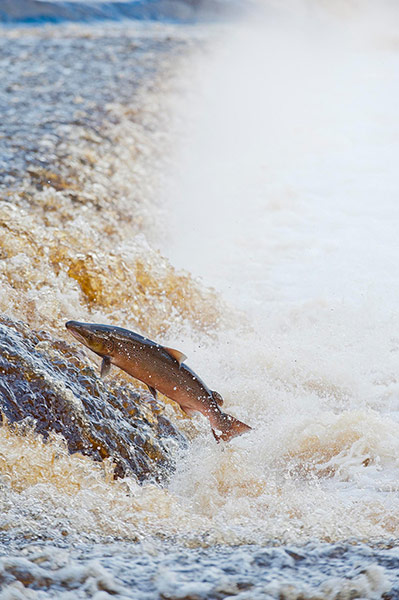
Salmon require very good water quality and while cuts in pollution have seen the fish return to some rivers, overall stocks have fallen heavily Photograph: Kaleel Zibe/RSPB
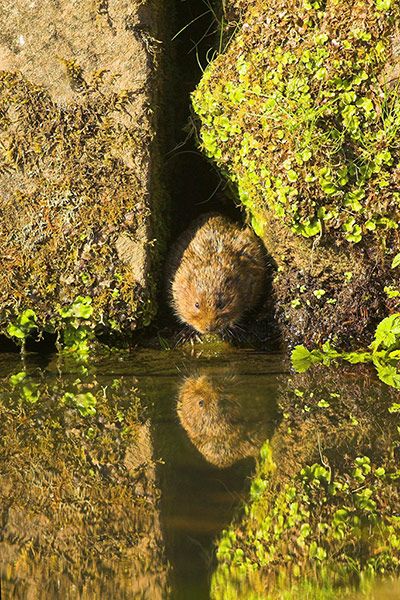
Since the 1970s, water vole numbers have fallen by 95% due to habitat loss and hunting by feral mink. The loss is one of the most rapid recorded declines of any British wild mammal Photograph: Ben Hall/RSPB
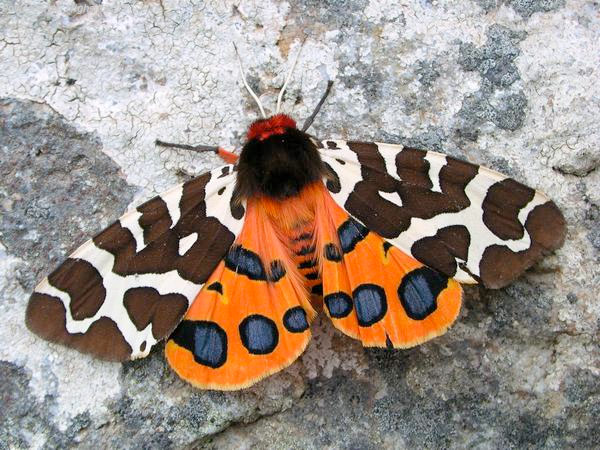
Warm winters and wet springs have caused numbers to fall by 92% over 40 years Photograph: Shane Farrell/UK Moth
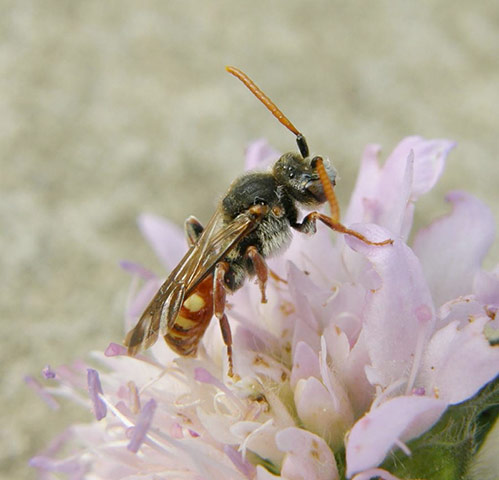
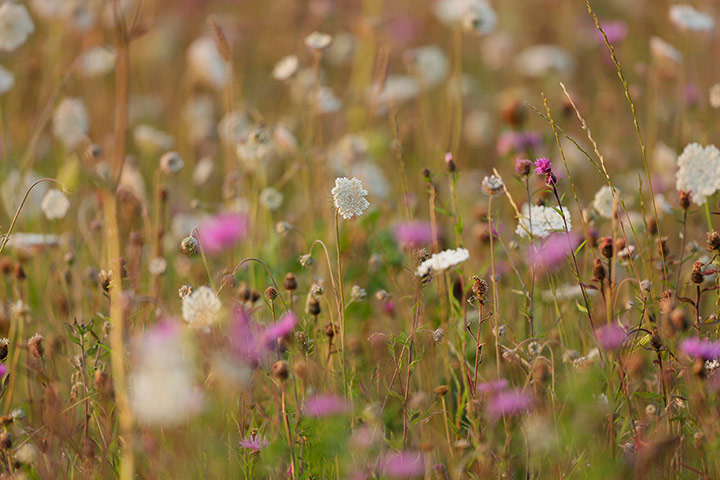
Lowland meadow has declined by 97% since the 1930s, devastating the once widespread scabious cuckoo bee, which is now extremely rare Photograph: Steven Falk/BWARS
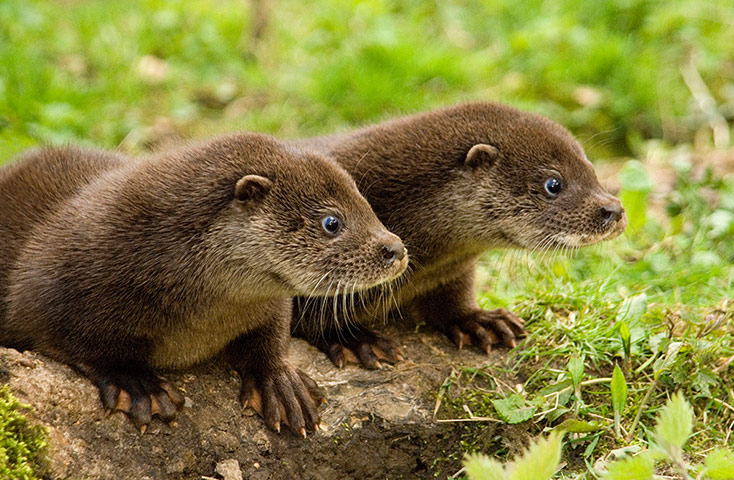
After a catastropic decline in 1950s, in part due to heavy pesticide use, otters are now back in every UK county, the only freshwater species to have achieved this comeback Photograph: Nicole Duplaix/NGS/Getty Images
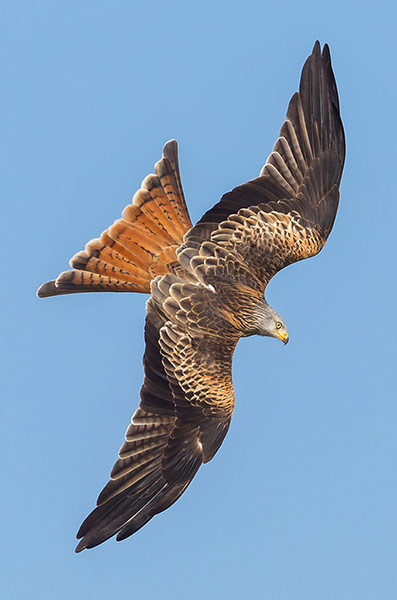
These scavengers were once common across the UK, especially in towns, but persecution drove them to extinction everywhere bar Wales. Releases and protection has seen numbers soar from 10 to 1,800 pairs Photograph: Drew Buckley/Rex Features
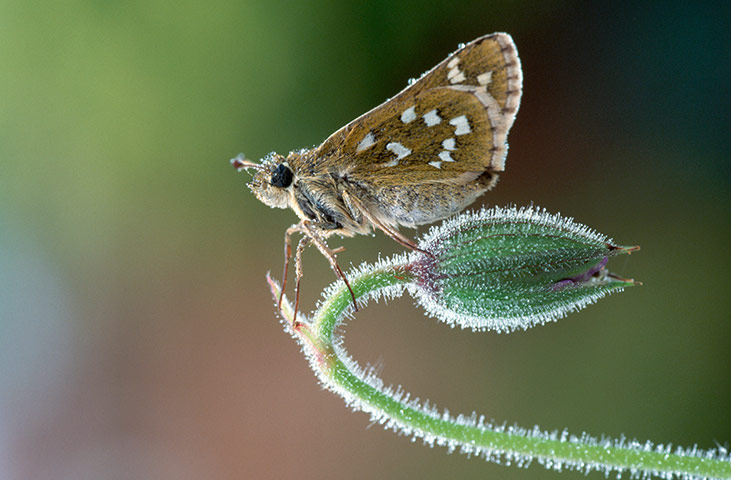
This warmth-loving butterfly was confined to chalk grasslands in southern England, 80% of which were destroyed. But climate change means it is now expanding its range Photograph: George McCarthy/Corbis