
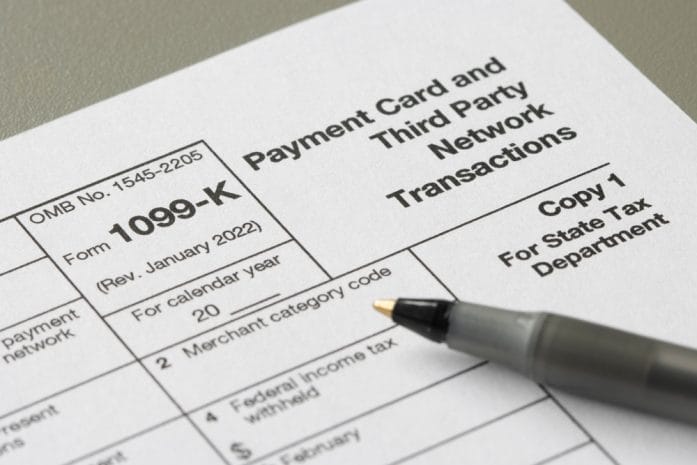
Have you ever stared at a 1099‑K form and wondered if someone slipped it into your mailbox as a prank? If tax paperwork ever felt like a cryptic puzzle where every state speaks a slightly different language, you’re not alone.
The whole world of Form 1099‑K has become a plot twist in the tax code that’s equal parts frustrating and fascinating. Across the country, rules about when and why these forms get issued still confuse folks even after federal changes aimed at simplifying things. Some of that confusion rustles up from the IRS rulebook, some from quirky state-level add‑ons, and some from the fact that payment platforms follow a patchwork of thresholds depending on where you live and what you do.
When Federal Rules Change, But Then Change Again
IRS rule changes have shaken the 1099‑K world like a snow globe in a blender. For a time, the plan was to drop the reporting threshold so low that even modest side hustles might trigger a form. But after debate and delay, Congress stepped in and hit the rewind button. Under current federal law, third‑party settlement organizations — that means platforms like PayPal, Venmo, Etsy, and others — generally don’t have to issue a 1099‑K unless you process more than $20,000 in gross payments and have more than 200 transactions in a calendar year. That’s the classic rule we used for years before lawmakers started tinkering.
This high bar was meant to reduce unnecessary tax friction for casual sellers who only do a handful of sales or get occasional payments from friends or customers. On the surface, it sounds simple: only the big volumes get reported. But that’s where complications sneak in, because federal rules aren’t the whole story.
States That Don’t Stay in Line
Now imagine you live in one state that says “Hey, keep an eye on those $600 payments!” while the IRS looks for $20,000. That’s reality for many taxpayers across the U.S. Several states set their own 1099‑K reporting thresholds and require platforms to generate forms for state tax agencies if a seller’s payments exceed a much lower number. These state rules can pick up sellers who wouldn’t hit the federal standard at all.
For example, a handful of states require 1099‑Ks for gross payments of just $600 in a year. This creates a weird situation. A platform might send you a 1099‑K because your state’s government wants to see it, even when federal rules wouldn’t require that form at all. If you live in one of these jurisdictions and do a modest amount of selling or gig work, you might open your mail and find a tax form you didn’t expect. That’s not because you did something wrong, it’s because your state and the IRS are speaking different threshold languages.
Why Platforms Play By State Rules
You might assume payment platforms simply follow federal tax codes and that’s it. That would sure make life easier. In reality, these companies must follow both federal and state laws. They figure out what to report based on the address they have on file for you and the set of rules that applies there. As a result, two sellers doing the exact same thing might receive very different tax paperwork just because one lives in a state with a lower 1099‑K trigger.
This system also means you could receive multiple 1099‑K forms from different platforms if you use more than one — and each of those forms could have different numbers on them because they report gross payments before fees, refunds, or other adjustments. That’s another piece of the confusion puzzle.
What You Really Owe Isn’t Determined by the Threshold
Whether or not a 1099‑K form arrives in your mailbox does not change your obligation to report income. The IRS expects you to report all taxable income regardless of whether the third‑party platform sent you a 1099‑K.
So even if you don’t hit a federal or state threshold that triggers a form, you still have to report what you’ve earned when you file your taxes. That’s true for side hustlers, freelancers, and small‑business owners alike.
The Maze of Tax Rules
1099‑K rules aren’t inherently evil, but they sure didn’t emerge fully baked. Federal and state thresholds don’t always align, platforms don’t always give clear guidance, and gross reporting often bears little resemblance to your real take‑home profit. All that leads to confusion that could have been avoided with clearer guidance and more uniform standards.
If you do work that generates payments through online platforms, keep these tips in mind. Track your income and expenses meticulously, don’t assume a missing 1099‑K means you don’t owe taxes on that income, and check both federal and your state’s specific reporting thresholds so you know what to expect. When in doubt, talk to a tax professional who’s up to date on both federal changes and your state’s quirks.

Not a Game Show, But You Can Win
Tax rules aren’t a carnival ride, but understanding them can feel like decoding secret levels in a video game. Don’t let unexpected 1099‑Ks or state rules blindside you. Stay organized, know your thresholds, and treat every dollar you earn like it deserves respect.
Have you ever received a 1099‑K that didn’t make sense to you? What did you do about it? Let us know in the comments.
You May Also Like…
IRS 1099-K Rules in 2026: Who Must Report Payments This Year
The One Line on Your 1099 That Can Ruin Everything
9 Side Hustles That Sound Great but Are a Complete Waste of Your Time
Generate Extra Monthly Cash Flow Starting With These Side Hustle Ideas
Income Threshold: 4 Hidden Taxes That Hit Once You Cross Certain Limits
The post State 1099-K Rules Still Create Reporting Confusion appeared first on The Free Financial Advisor.