Startup helps Scottish farmers grow gourmet plants with sea water
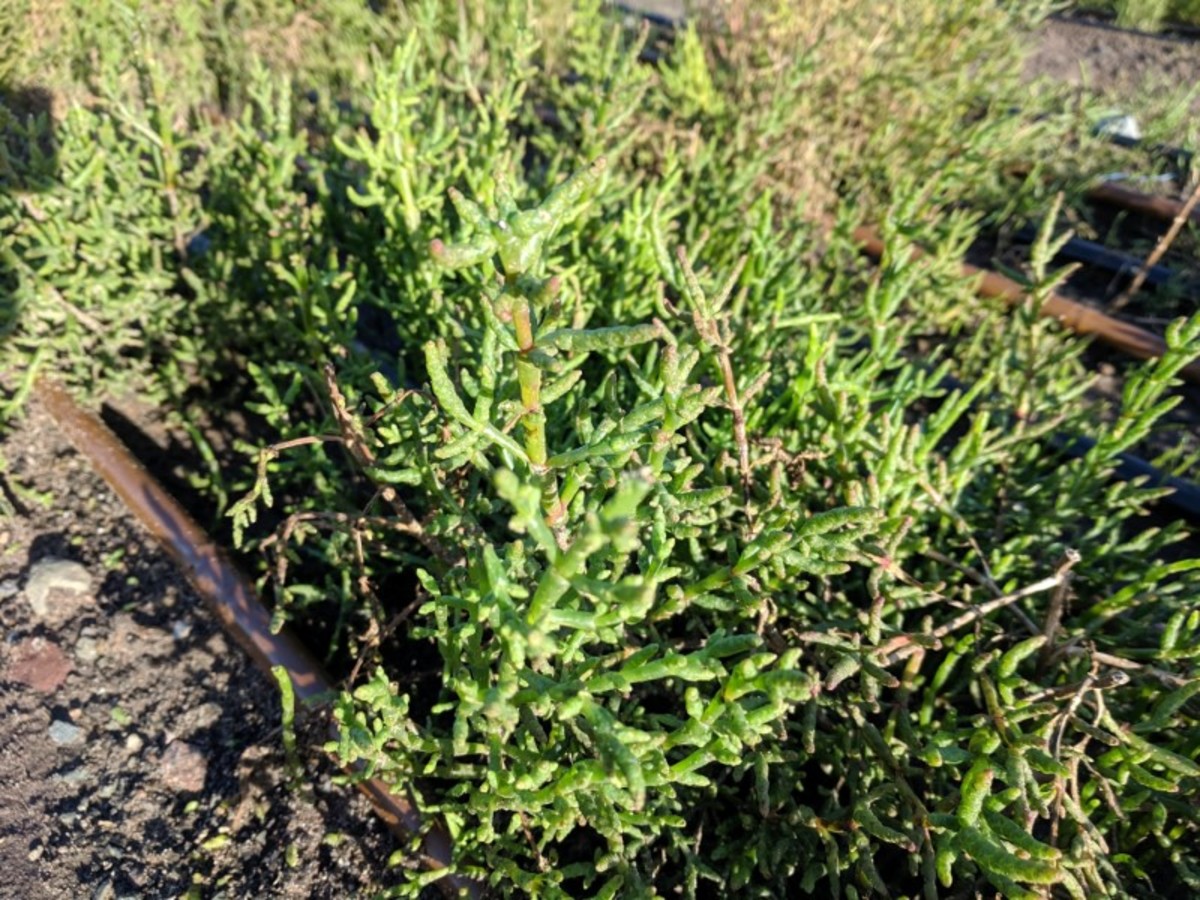
Salt resistant samphire grows in a field irrigated by sea water, an experimental farming technique designed to reduce freshwater consumption, near Turnberry in Ayreshire, Scotland, Britain November 12, 2019. REUTERS/Stuart McDill
TURNBERRY, Scotland (Reuters) - A British startup is teaching farmers how to grow crops using water from a source which won't run out – the sea.
Seawater Solutions is helping farmers on Scotland's west coast adapt to the reality of less rain by choosing salt-resistant plants and developing saltmarshes - land flooded by tidal waters - for them to grow in.
Salt resistant samphire grows in a field irrigated by sea water, an experimental farming technique designed to reduce freshwater consumption, near Turnberry in Ayreshire, Scotland, Britain November 12, 2019. REUTERS/Stuart McDill
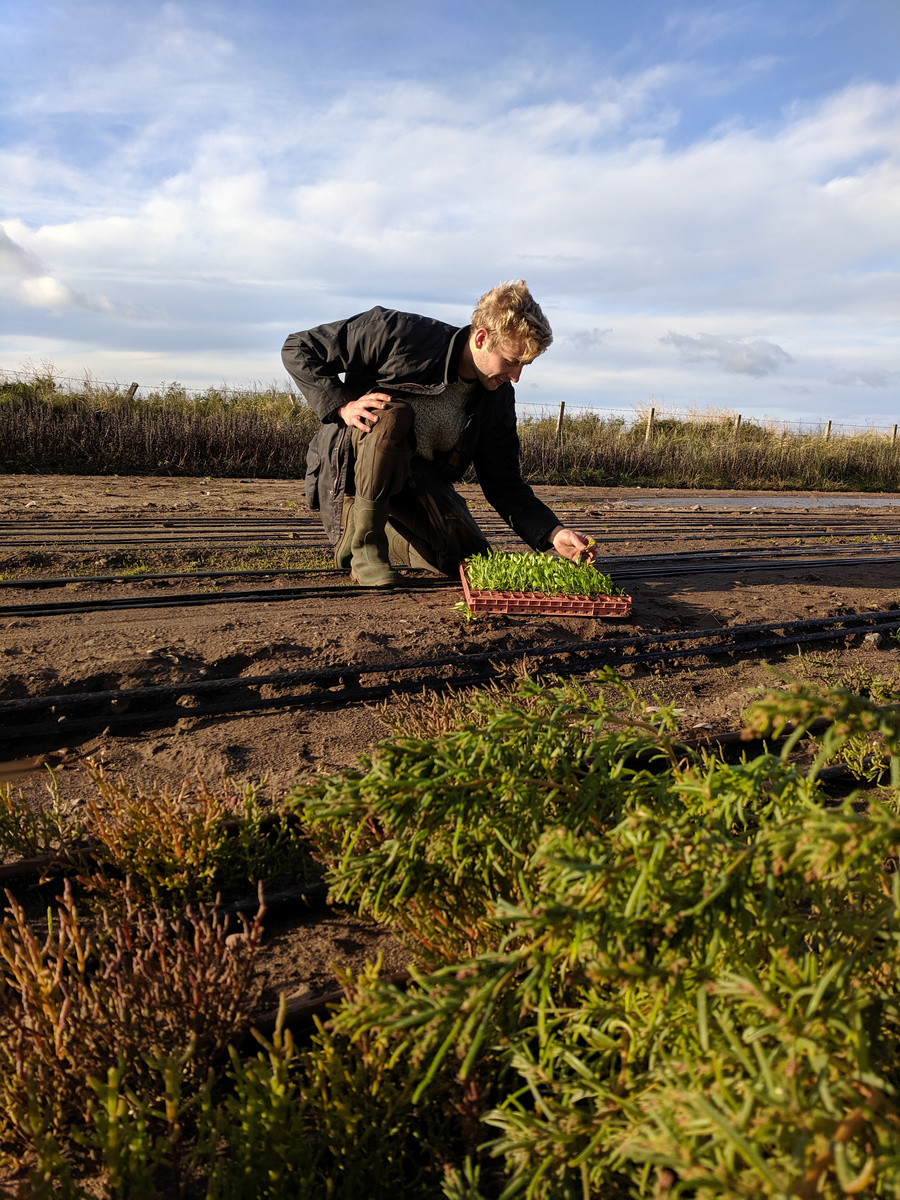
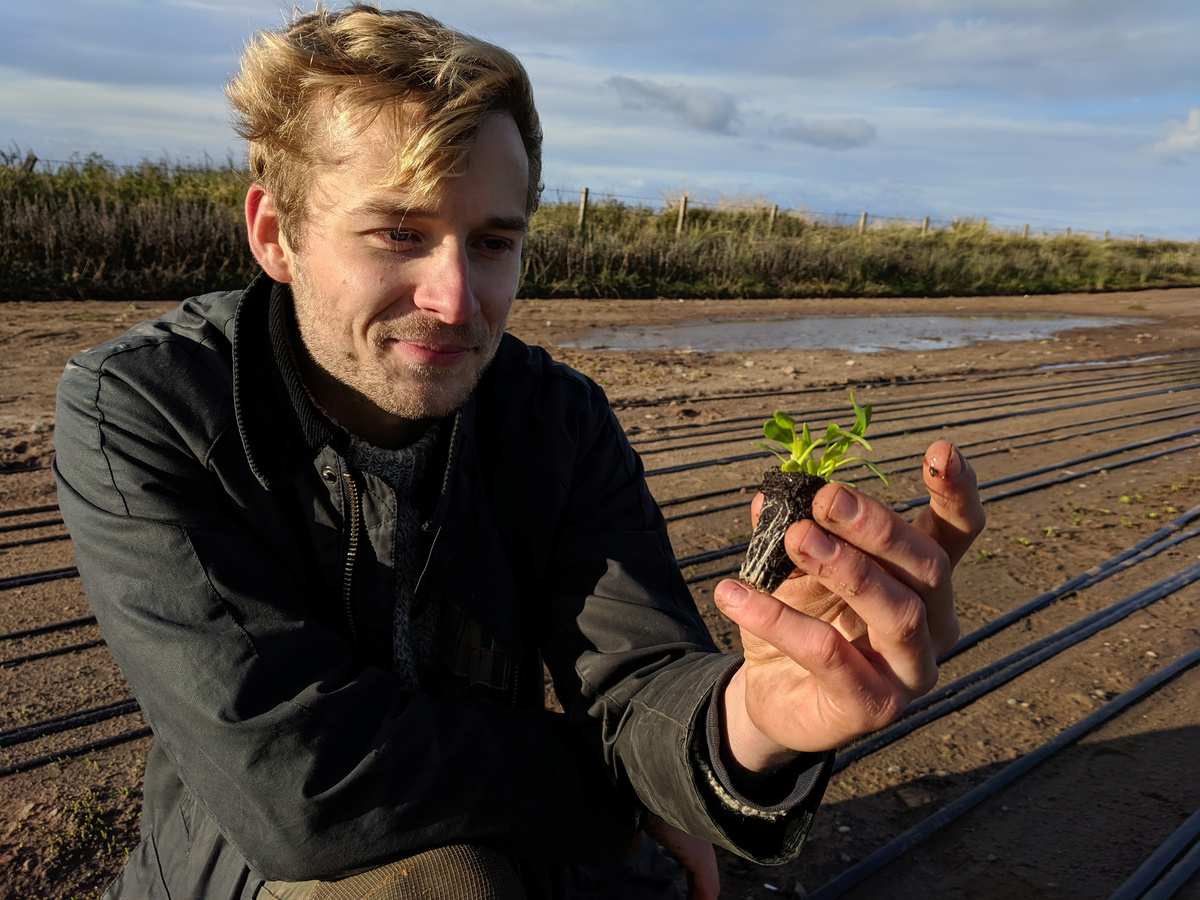
"These plants can create eco-systems and promote wildlife, but they can also feed us in a sustainable way and return health to the soil," said Seawater Solutions founder Yanik Nyberg, as he planted sea aster – a flavorsome, wild plant.
The company is working with Jay Crawford, a potato and carrot farmer, to farm an acre of his land previously underused because of its exposure to the sea wind and salt spray.
"We've taken a piece of land here that was maybe only going to yield a couple of hundred pounds per year into something that could maybe yield a couple of thousand pounds per year," he said.
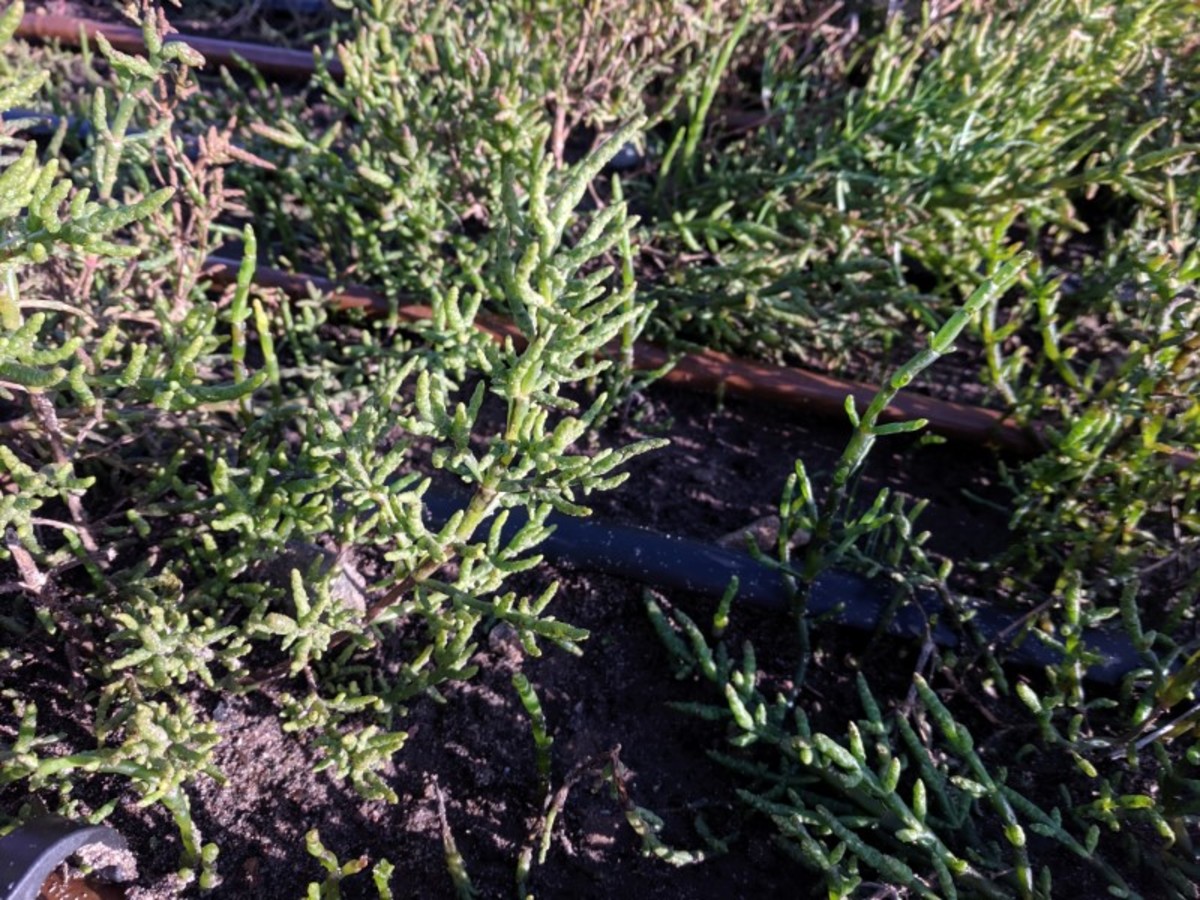
Seawater irrigation pipework runs along the ground on an experimental farm on the west coast of Scotland near Turnberry in Ayreshire, Scotland, Britain November 12, 2019. REUTERS/Stuart McDill
Pipelines running from the sea bring water that recreates the tide and irrigates crops of bright green samphire stalks and sea blite, a herb-like plant that looks like rosemary, as well as aster.
Typically used as gourmet garnishes, the plants are becoming more mainstream and demand is growing by 10% per year, according to Seawater Solutions.
George Chubb of Glasgow greengrocer Roots and Fruits said the plants were really popular because of their "extreme taste" and "eco credentials".
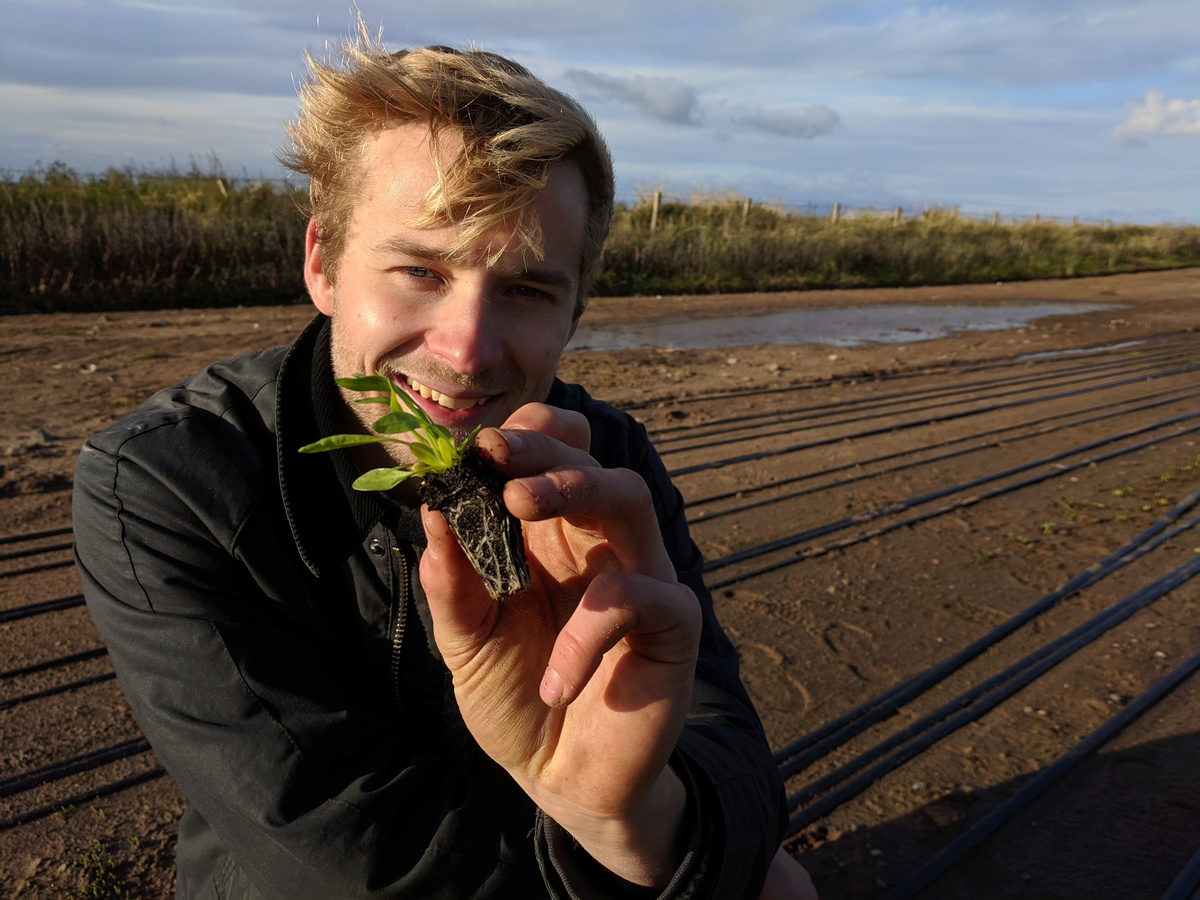
Yanik Nyberg, founder and director of Seawater Solutions, plants a sea aster seedling in a field irrigated by sea water, an experimental farming technique designed to reduce freshwater consumption, near Turnberry in Ayreshire, Scotland, Britain November 12, 2019. REUTERS/Stuart McDill
Growing populations, intensive farming and climate change are putting pressure on the world's limited water supplies, researchers say. United Nations data shows two billion people – a quarter of the world's population – are now using water much faster than natural sources can be replenished.
(Reporting by Stuart McDill, Writing by Gayle Issa, Editing by Alexandra Hudson)
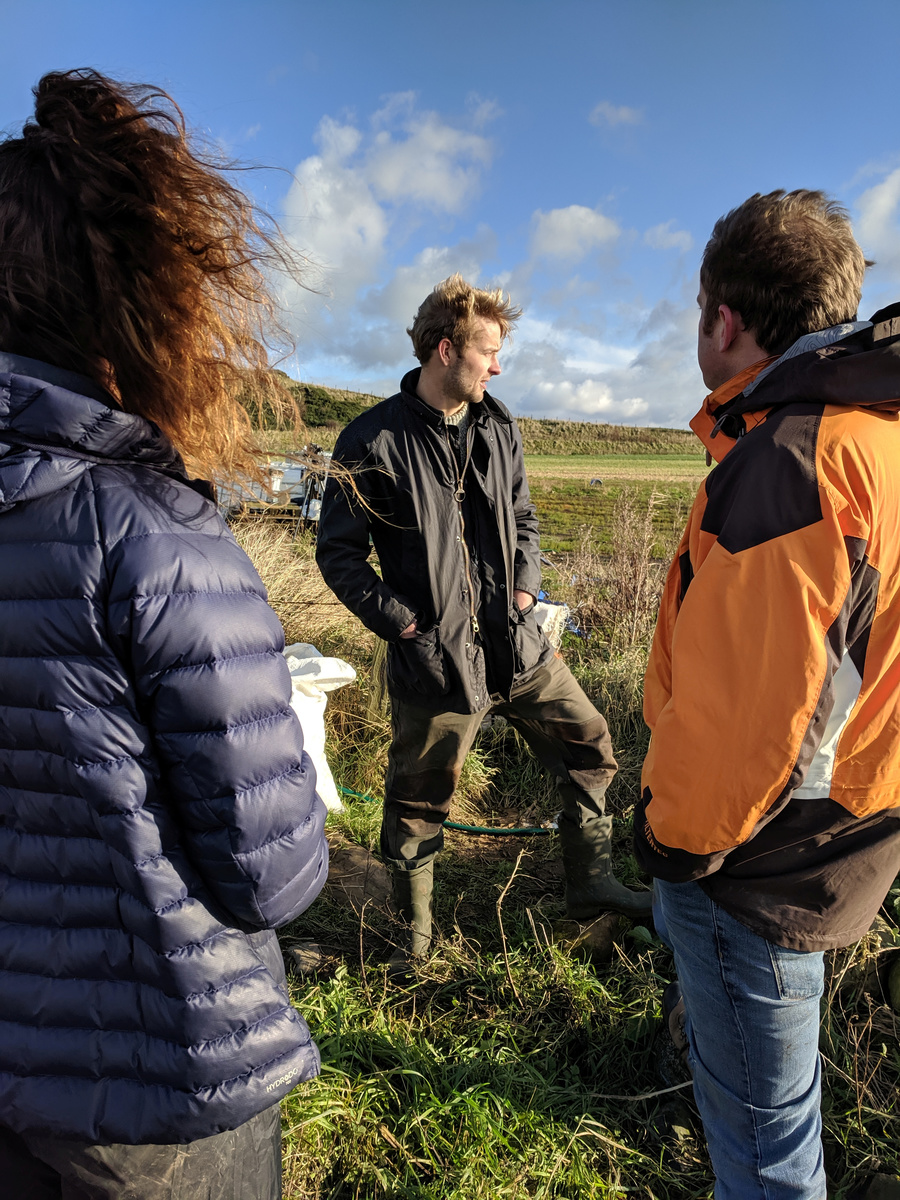
Yanik Nyberg, founder and director of Seawater Solutions, plants a sea aster seedling in a field irrigated by sea water, an experimental farming technique designed to reduce freshwater consumption, near Turnberry in Ayreshire, Scotland, Britain November 12, 2019. REUTERS/Stuart McDillYanik Nyberg, founder and director of Seawater Solutions, plants a sea aster seedling in a field irrigated by sea water, an experimental farming technique designed to reduce freshwater consumption, near Turnberry in Ayreshire, Scotland, Britain November 12, 2019. REUTERS/Stuart McDillSeawater irrigation pipework runs along the ground on an experimental farm on the west coast of Scotland near Turnberry in Ayreshire, Scotland, Britain November 12, 2019. REUTERS/Stuart McDillYanik Nyberg, founder and director of Seawater Solutions, and colleagues discuss an experimental farming technique designed to reduce freshwater consumption in a field irrigated by seawater, near Turnberry in Ayreshire, Scotland, Britain November 12, 2019. REUTERS/Stuart McDill
Sign up to read this article
Read news from 100’s of titles, curated specifically for you.