
This is the season for stargazing. In December and January, the winter skies are cold and – sometimes – clear. A cloudless night reveals a bright canopy of stars, so it is the perfect time to get out your telescope or binoculars.
It also happens to be the time when astronomy is celebrated in the Christmas story. The magi, three wise men from Persia, followed a star to Bethlehem. What star was it? A comet? A meteor? I have no idea. Instead, I have been trying to follow their star through art, with some curious results.
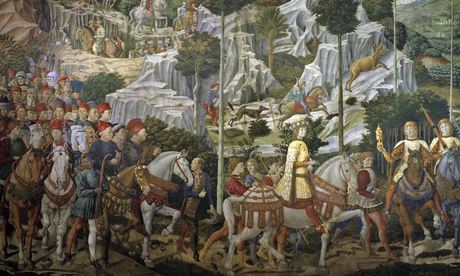
The star of Bethlehem rarely appears in Renaissance paintings. It does not appear to have interested 15th-century artists such as Benozzo Gozzoli and Sandro Botticelli. Even the infinitely curious Leonardo da Vinci, who was so in love with science, does not appear to include a star in his enigmatic Adoration of the Magi – although its unfinished state makes it impossible to know if he might have dotted one in at the last moment. That seems unlikely, because the absence of stars in Renaissance paintings of the magi reveals a fundamental difference between how they saw the cosmos and how we do. It seems obvious now that stars are distant, gaseous bodies that appear to us as pinpricks of light, but there was no such knowledge 500 or 600 years ago. Because the sky was imagined differently it was seen differently.
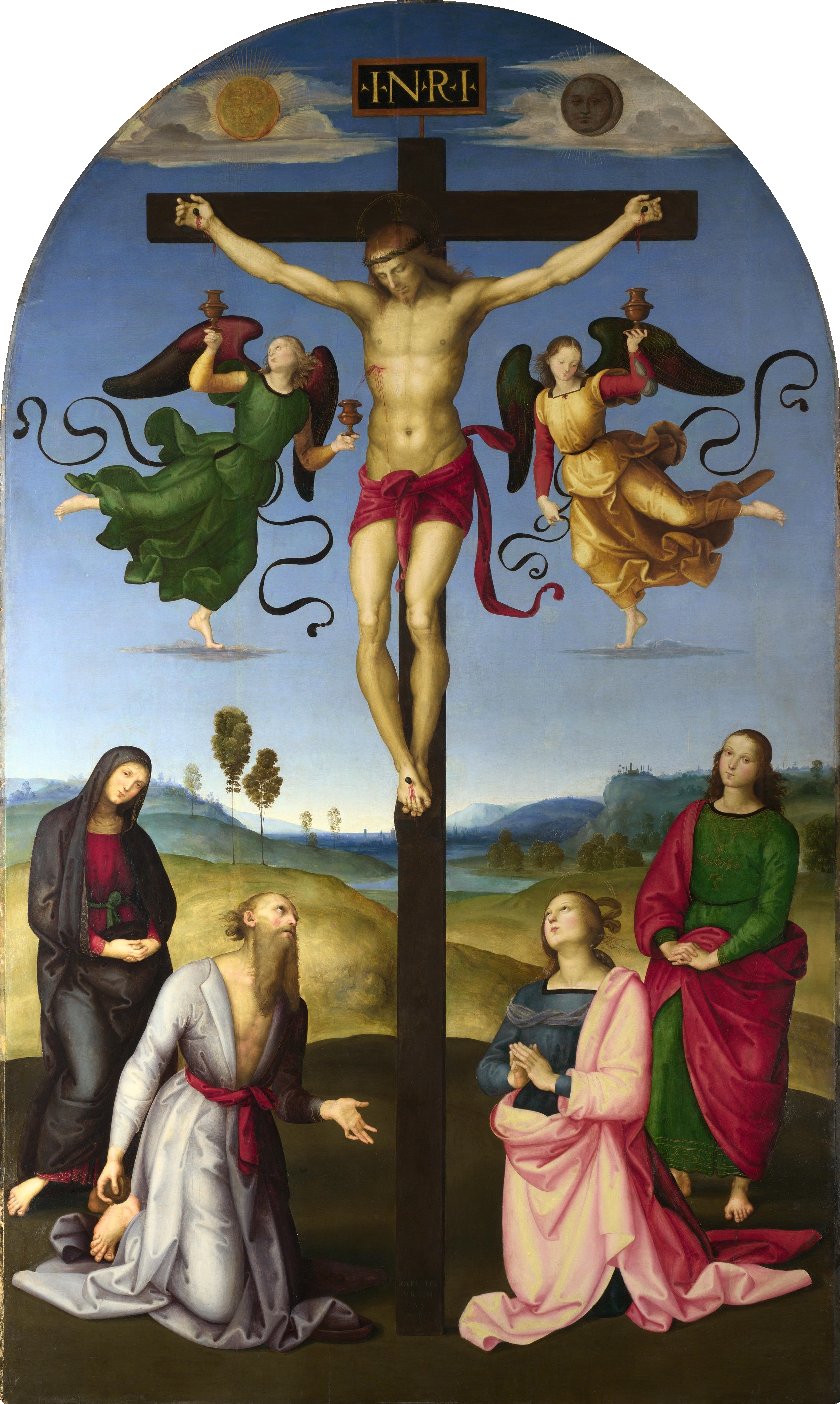
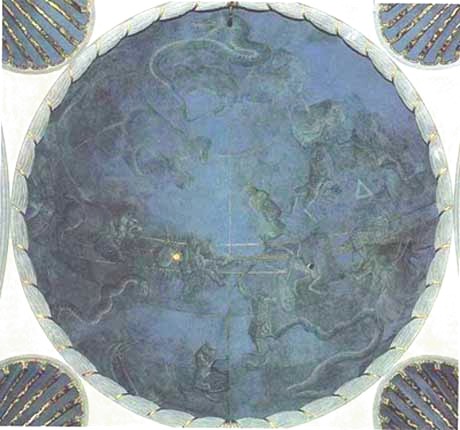
The magical and strange way people during the Renaissance saw the heavens is apparent in Raphael’s painting The Mond Crucifixion. It includes a moon and sun that each have human faces. Lovely, childlike stuff, but a long way from modern science. In a chapel in Florence, a dome is decorated with the constellations on a particular night; the stars were the stuff of astrological magic. Tintoretto even painted the birth of the milky way from the breast milk of the goddess Juno.
Stars do appear – as golden star shapes – in this painting. Silver ones also appear in Titian’s Bacchus and Ariadne, about a woman who was changed into a constellation. For Titian and Tintoretto, stars are magical crosses of light.
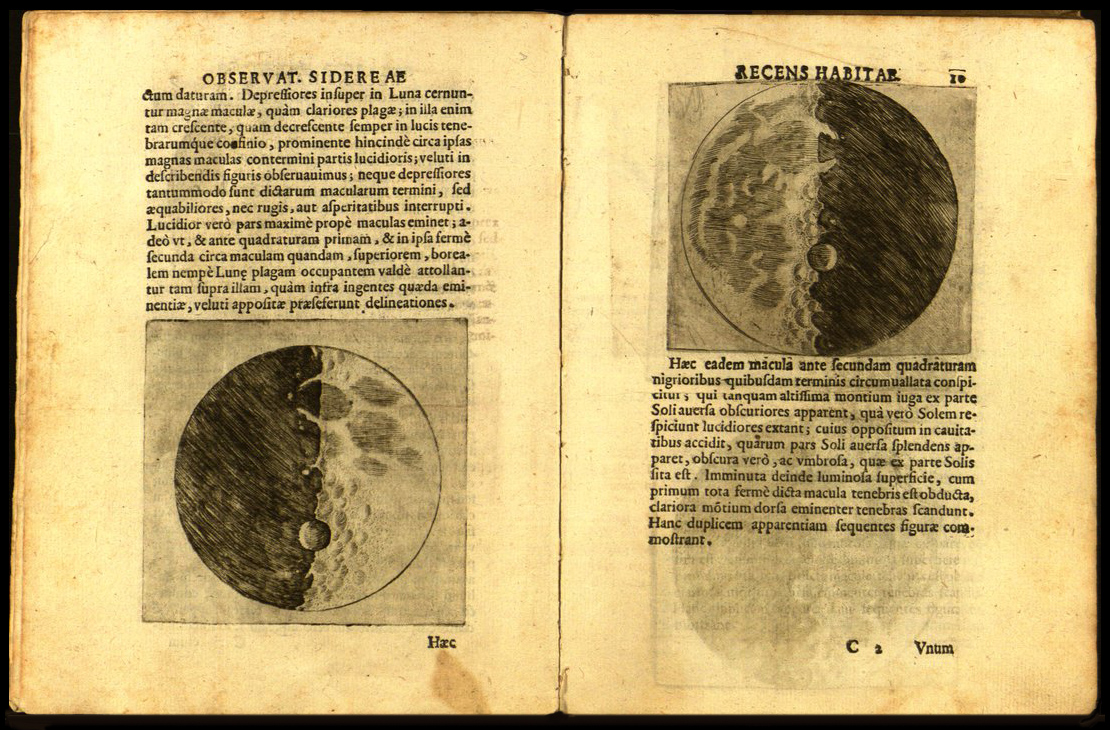
Then, at the start of the 17th century, Galileo Galilei turned a telescope on the moon and other objects in the night sky. His report The Starry Messenger showed that what we see in the sky at night are physical phenomena, not heavenly phantoms.
After Galileo, artists not only depicted the star the magi followed, but even speculated as to what it was. Murillo showed it as a comet, as did Velázquez. From utter mystery, the sky became a place with physical laws. A comet became something real.
In the same era, Guercino painted Endymion asleep with a telescope on his lap, for the sky was no longer a place of signs and wonders. It was a new frontier for science to explore. Eventually, that quest would make the magi just a story, their star a festive decoration.
















#/image/File:Vel%C3%A1zquez_-_Adoraci%C3%B3n_de_los_Reyes_(Museo_del_Prado,_1619).jpg)
