Sir Keir Starmer has urged Europe’s leaders to re-examine how a major human rights treaty is interpreted to tackle illegal migration and see off the rise of the far right.
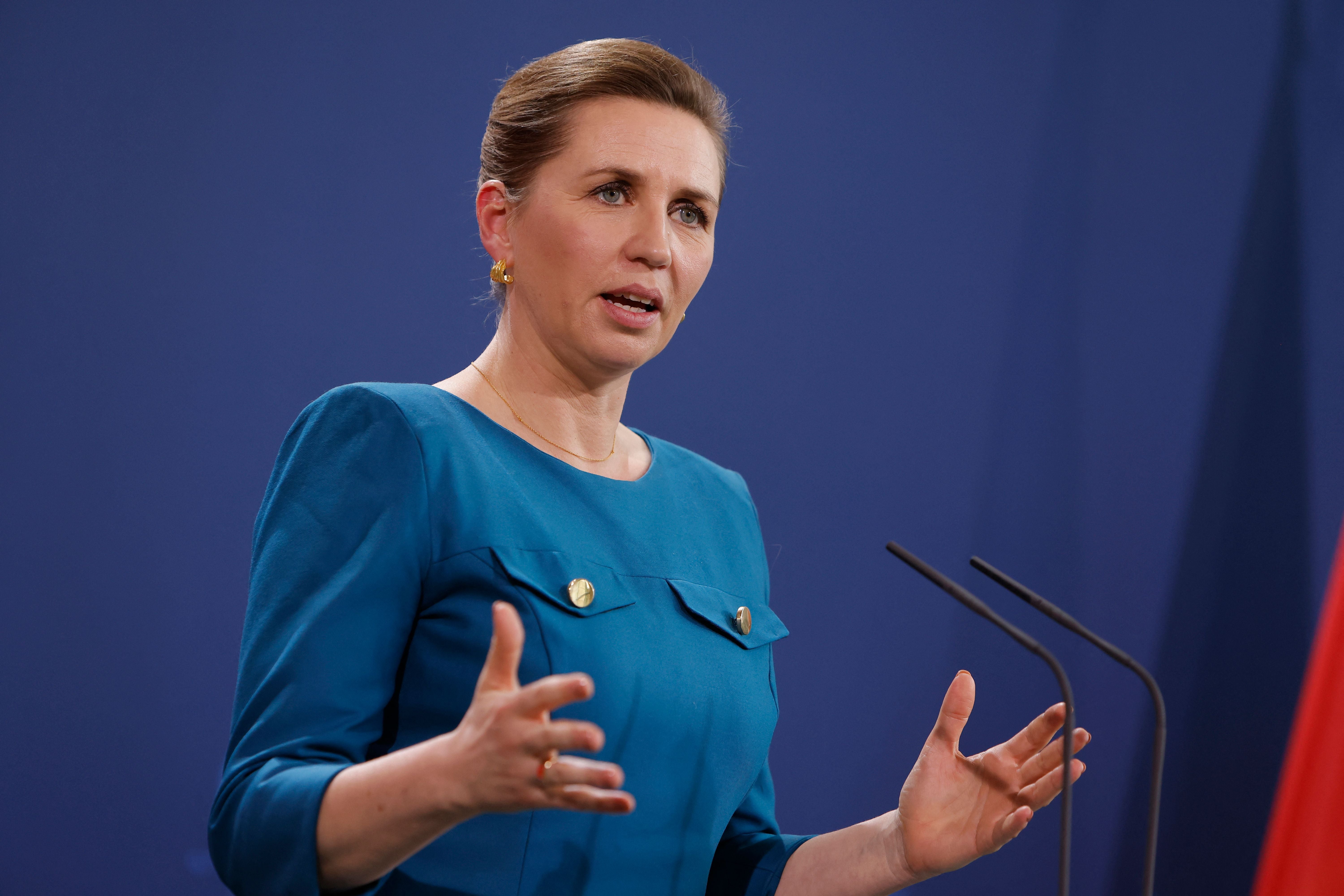
The prime minister and his Danish counterpart, Mette Frederiksen, have jointly called on other continental leaders to agree on a “modernisation” of how the European Convention on Human Rights (ECHR) is interpreted in their national laws amid increasing concern over illegal migration.
European ministers, including deputy prime minister David Lammy, met in Strasbourg, France, on Wednesday to discuss reforming how the treaty is interpreted in the courts, as the UK pushes ahead with its own plans to overhaul the laws to make it easier to deport foreign criminals and small boat migrants.
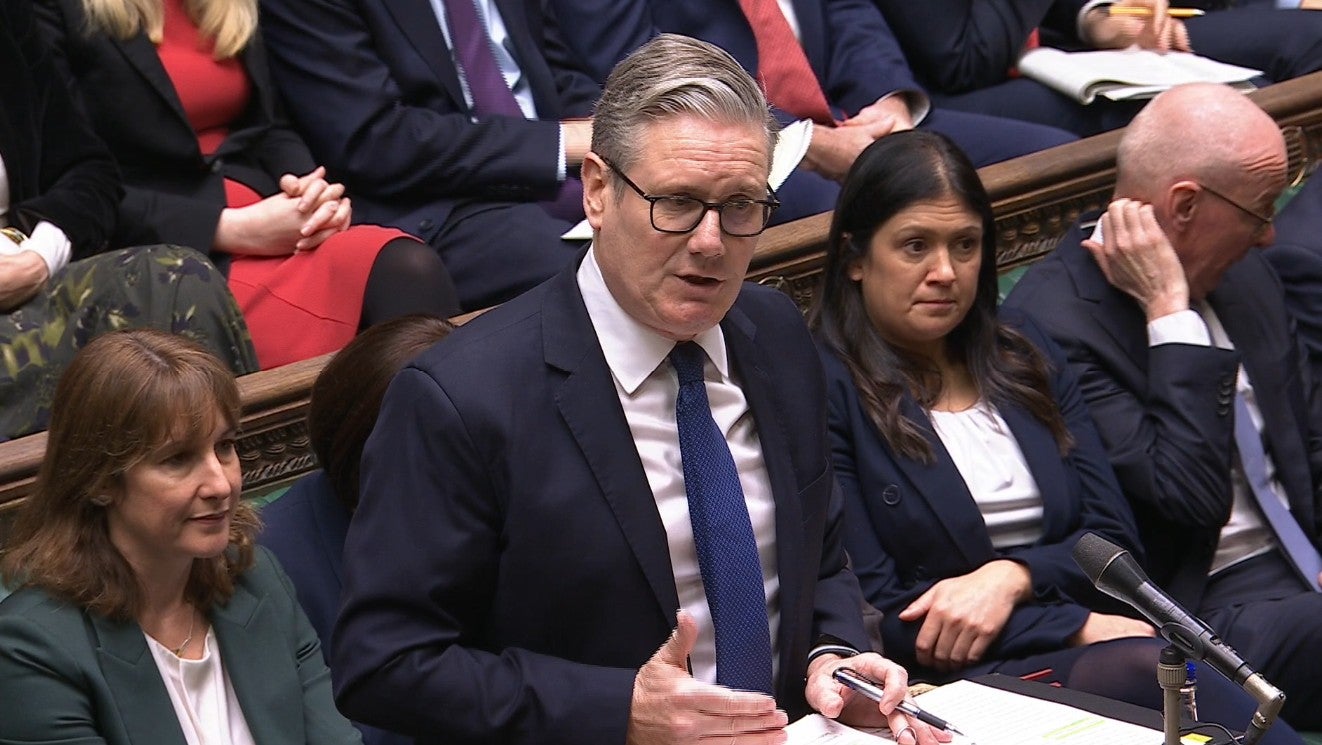
The conclusions of the meeting adopted by the 46 Council of Europe member states saw them reaffirm their “deep and abiding commitment” to the ECHR, whilst also recalling the “fundamental responsibility of governments to ensure national security and economic well-being of the country, as well as their sovereign right to protect their borders”.
The declaration also promises to consider the “challenges relating to the expulsion and return of foreigners convicted of serious offences, while respecting human rights”.
Council of Europe member states are expected to meet in Spring 2026 to discuss the ECHR reforms.
It came after Mr Lammy told ministers from across the continent that European human rights rules cannot be “frozen in time”, arguing that the interpretation of the ECHR “must not stop” states tackling the problem of illegal migration.
Labour’s poll ratings have plummeted since the general election, with the rise of Nigel Farage’s Reform UK partly coming as a result of concerns about the impact of immigration, both legal and through small boat crossings.
Writing in The Guardian, Sir Keir and Ms Frederiksen called for a tougher approach to policing Europe’s borders, framing the move as a strategy to win against populist political opponents and confirming they are “making this case across Europe”.
The ECHR, which underpins Britain’s Human Rights Act, is seen by critics as a major barrier to attempts to deport illegal migrants from the country.
The right to family life, enshrined by Article 8 of the agreement, is often used as grounds in legal cases to prevent removals. The Home Office has also said it has seen Article 3 rights, prohibiting torture, being used to halt deportations because of claims that migrants’ healthcare needs could not be met in their homeland.
Sir Keir’s political opponents, the Conservatives and Reform UK, have both said they would leave the ECHR if in power.
But speaking in Strasbourg, the deputy prime minister argued that pulling out of the ECHR would be a “fake solution that would undermine every international agreement we have signed on national and border security”.
Mr Lammy said: “We must strike a careful balance between individual rights and the public’s interest, otherwise, we risk a loss of confidence in the Convention, and in human rights themselves.
“The definition of ‘family life’ can’t be stretched to prevent the removal of people with no right to remain in the country. The threshold of ‘inhuman and degrading treatment’ must be constrained to the most serious issues.
“And states must be able to take proportionate decisions on the removal of foreign criminals, so that we renew the Convention’s democratic foundation.”
The prime minister, in his joint op-ed with Ms Fredriksen, acknowledged the “current asylum framework was created for another era”, adding: “In a world with mass mobility, yesterday’s answers do not work. We will always protect those fleeing war and terror – but the world has changed and asylum systems must change with it.”
But his government has insisted it will remain a member of the treaty, and has adopted a series of hardline immigration measures, modelled on those spearheaded by Ms Frederiksen’s Danish government, in order to decrease the number of migrants crossing the English Channel.
“Migration must be orderly, managed and sustainable. Irregular routes should not be the go-to option – so we must dismantle the human smuggling networks that prey on desperation.
“Together, we are calling on our friends across Europe to go further in tackling these shared challenges,” the two leaders wrote.

A political declaration signed by the ministers in Strasbourg could carry enough weight to directly influence how the ECHR interprets the agreement, it is understood.
Meanwhile, at home, the government is expected to bring forward legislation to change how the Article 8 right to family life is interpreted in UK courts, and is also considering examining the threshold for Article 3 rights.
Sir Keir’s op-ed described this as a “push for a modernisation of the interpretation of the European Convention on Human Rights – so that the convention system, which we believe in, can evolve to reflect the challenges of the 21st century”.
In a warning to other leaders, Sir Keir and Ms Fredriksen added: “Europe has faced big tests before and we have overcome them by acting together. Now we must do so again. Otherwise, the forces that seek to divide us will grow stronger.
“So our message is this: as responsible, progressive governments, we will deliver the change that people are crying out for. We will control our borders to protect our democracies – and make our nations stronger than ever in the years to come.”
Speaking after the meeting, Council of Europe secretary general Alain Berset conceded that the convention must “adapt” to modern migration pressures.
But he told ministers that the court is “under pressure”, warning that it “must not be weaponised – neither against governments or by them”.
Starmer rules out EU customs union after Labour rebellion - latest
Reeves: PM and I decided ‘as a team’ not to hike income tax
Harry backs Gerry McCann over calls for greater scrutiny of UK media
UK government ‘would consider’ Australia-style social media ban for under-16s
Why is Labour under pressure to seek an EU-UK customs union?
Yvette Cooper launches staunch defence of Europe and Sadiq Khan after Trump criticism