Standard Chartered plans to cut about 7,800 jobs as it ramps up the use of artificial intelligence across its operations.
The London-based banking giant confirmed more than 15 per cent of its back-office roles will be cut by 2030.
It is the latest firm to reduce its workforce in favour of increased automation and adoption of new technologies.
While the company did not reveal the locations affected by the plans, it also runs corporate offices in Bengaluru, Shenzhen and Warsaw.
Standard Chartered employs about 82,000 people, with the majority in back-office roles.
“We are scaling practical uses of automation, advanced analytics and artificial intelligence to streamline processes, improve decision‑making and enhance both client service and internal efficiency,” the company said.
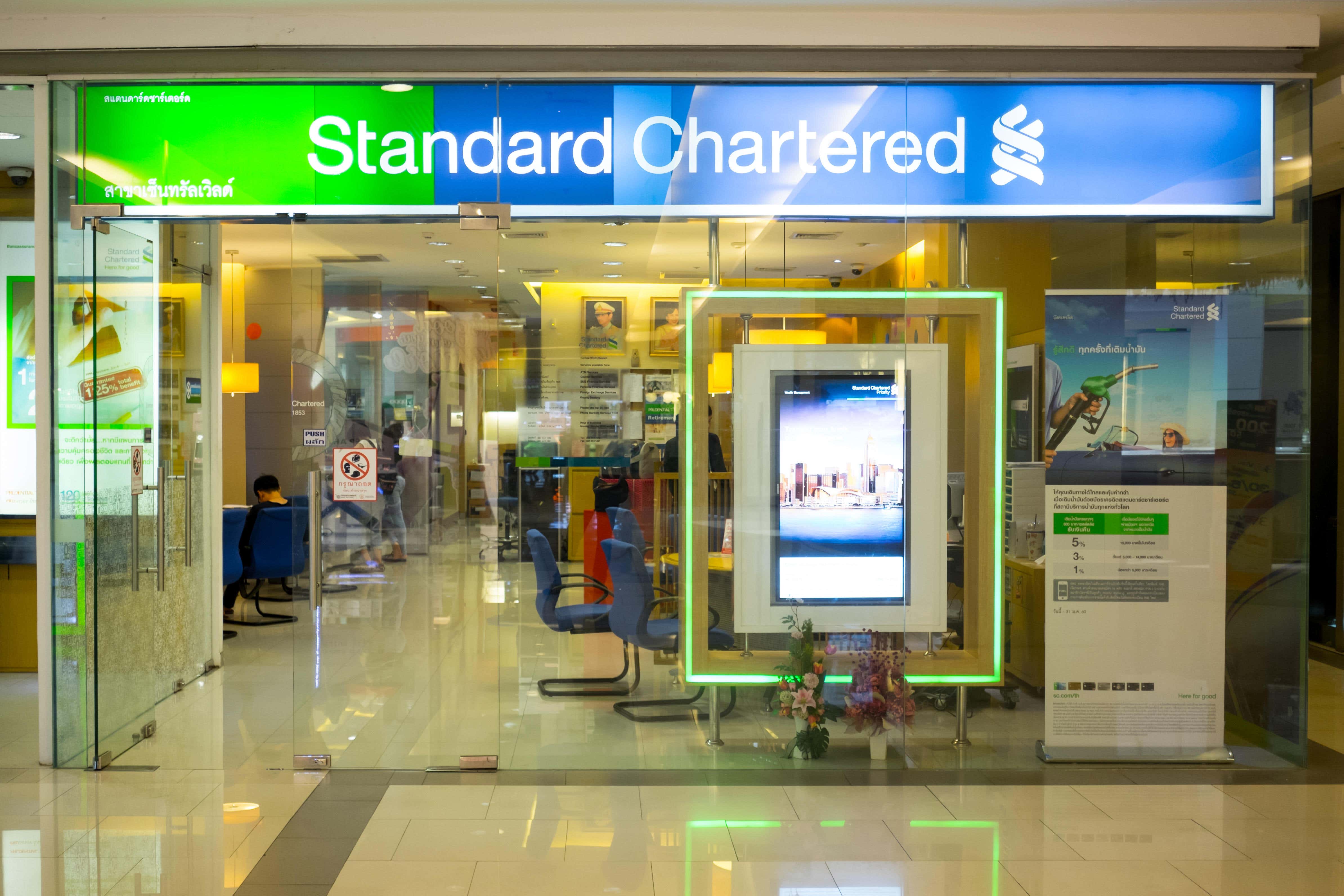
The move is part of a fresh strategy from boss Bill Winters aimed at improving profitability across the lender, which has significant operations across Asia.
Standard Chartered said it hopes the plan will boost its return on tangible equity (RoTE) – a profit measure used by the bank – to more than 15 per cent by 2028, representing a three percentage point increase from 2025.
It also aims to bring its cost-to-income ratio lower on the back of its renewed efficiency drive.
The bank said it hopes changes will drive productivity improvements to help raise income per employee by around 20 per cent by 2028.
Mr Winters, group chief executive, said: “Our strategy is grounded in a simple belief: the world is becoming more connected, more complex and more cross-border.
“Our trusted ability to combine network and product capabilities to solve challenging cross-border problems is difficult to replicate.
“We are investing in the capabilities that will compound our competitive advantages and drive sustainable growth and higher quality returns over time, with clear targets in place.”
Sadiq Khan pledges £6m to tackle ‘global emergency’ of tech-enabled VAWG abuse
Unemployment rate climbs unexpectedly amid Iran war shock
Biggest ever UK trade mission to US amid political crisis and Iran tensions
FTSE 100 up amid calmer bonds but oil rises again
Halifax could vanish from high streets after 173 years as Lloyds mulls major shake-up
Labour must stick to Reeves’ fiscal rules to avoid market chaos, IMF warns