The terror season is upon us in British theatre. Jack the Ripper is already stalking the streets around London Bridge, and Nosferatu will soon be rising from the dead at the Barbican. Like the late 19th-century theatregoers who flocked to the Theatre du Grand Guignol in Paris, where the blood came by the bucketful and medics were on hand to minister to those who passed out at the sight of severed limbs, modern theatregoers have a taste for theatrical splatterfests. Maybe we are not all that different from our Jacobean counterparts, who loved plays such as The Revenger's Tragedy on the grounds that "when the bad bleeds, then is the tragedy good" (in the words of Vindice, the play's sniggering antihero).
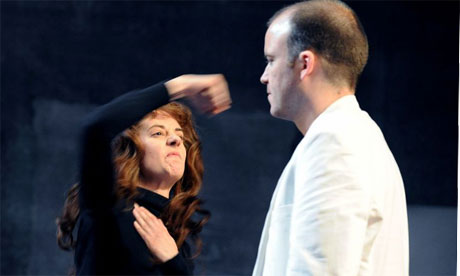
Yet there's a paradox – horror and violence in the theatre is often at its most unbearable when least shown. The Greeks knew what they were doing when messengers described offstage acts of violence, but never showed them. Gloucester's blinding in King Lear is always most horrifying when it is least seen. And it wasn't spurting blood, but the relentless sound of cabbages being chopped in half in Edward Hall's Rose Rage that made you scream inside and shout "no". In Rufus Norris's revival of Cabaret, at the Savoy, the sight of Nazi thugs turning cartwheels is far more sickening than any punches.
Anyway, tell us about the theatre shows that you've had to watch through your fingers and why they were so effective.