Strife-torn St Louis is among 35 cities around the world inducted on Wednesday into a $100m programme designed to strengthen their resilience to natural disaster, and enhance their ability to tackle issues such as violence, social exclusion and transport congestion.
The US city, which counts the troubled community of Ferguson among its suburbs, is judged to suffer from “high poverty and high crime rates”. According to St Louis officials, upgrading infrastructure and improving public health and education will help ease social tensions there.
A total of 35 metropolitan areas have been added to the 100 Resilient Cities programme, an initiative funded by the Rockefeller Foundation which allocates financial and logistical support to each chosen city, including a dedicated “chief resilience officer”. The first 33 cities in the programme were named last December.
A total of 331 cities across 94 countries applied to be part of this year’s allocation. A team of judges was assigned by 100 Resilient Cities to choose places that have “demonstrated a dedicated commitment to building their own capacities to prepare for, withstand, and bounce back rapidly from shocks and stresses”.
The second tranche of cities was named at a one-day conference in Singapore, where delegates also discussed the major threats facing cities over the coming decades: natural disasters, social unrest, economic inequality, access to healthcare, management of water and freedom of movement.
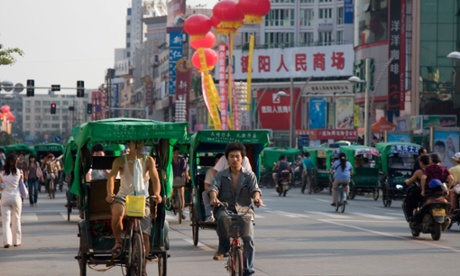
Eight Asian and Middle-Eastern cities - Phnom Penh, Deyang, Bangalore, Amman, Huangshi, Chennai, Singapore and Toyama - were chosen, along with four African cities: Arusha, Accra, Kigali and Enugu. Other successful applicants include London, Barcelona, Paris, Boston and Wellington.
Athens was chosen after a period in which the Rockefeller Foundation noted that unemployment has averaged over 50% for young people. More than a third of Athens’ buildings are vulnerable to earthquakes, and the city is also baking in increasing heatwaves. But the foundation said the city is making “significant efforts” to expand welfare and healthcare services.
Also in Europe, Paris – while a “global icon” – has experienced community segregation due to urban gentrification, and its public transport system is under growing pressure, the foundation said. Lisbon is also dealing with creaking infrastructure, with city officials reporting that they are looking to do more to mitigate the impact of climate change.
Chicago is making a shift towards a technology-driven economy and is making strides to prepare itself for blizzards and floods, the foundation said. Phnom Penh suffers from regular energy blackouts and deteriorating air quality due to soaring car ownership. Meanwhile residents of Sydney, one of the world’s more liveable cities, are paying soaring electricity bills due to obsolete infrastructure and are at increasing risk from climate change-driven heat waves.
Climate change, which the World Bank has warned poses a “serious threat to urban infrastructure, quality of life and entire urban systems”, is a particular point of focus for the project. It is estimated that extreme weather events, which are increasingly fuelled by climate change, have already cost the world economy $2.5 trillion this century, with much of the damage caused in cities.
The newly announced ‘resilient cities’
North America: Montreal (Canada); Boston, Chicago, Dallas, Pittsburgh, St Louis, Tulsa (all US); San Juan (Puerto Rico); Juarez (Mexico); Santiago de los Caballeros (Dominican Republic). South America: Cali (Colombia); Santa Fe (Argentina); Santiago (Chile). Europe: Athens, Thessaloniki (both Greece); Barcelona (Spain); Belgrade (Serbia); Lisbon (Portugal); London (UK); Milan (Italy); Paris (France). Asia: Toyama (Japan); Chennai, Bangalore (both India); Deyang, Huangshi (both China); Singapore; Phnom Penh (Cambodia); Amman (Jordan). Africa: Accra (Ghana); Arusha (Tanzania); Kigali (Rwanda); Enugu (Nigeria). Oceania: Sydney (Australia); Wellington (New Zealand).