COLOMBO: The exhumation of bodies of those killed in a suicide bomb explosion in a house when Sri Lankan police raided it a week after the 2019 Easter Sunday terror attacks commenced in the eastern town of Ampara to carry out a DNA test to identify the wife of a bomber, whose whereabouts is still not known.
On April 26, 2019, five days after the Easter Sunday terror attacks, the police investigators raided a house in the Sainthamaruthu area in the eastern town of Kalmunai looking for the brother of the main suspect Zahran Hashim, who was accused of carrying out the attacks on the Colombo star class hotels and churches that killed 270 people, including foreigners.
During the raid, the occupants of the house blew themselves up and it was reported that 17 persons, including adults and children, were killed in the explosion. However, the DNA tests carried out later had revealed the presence of only 16 in the house.
The police said that the DNA test did not reveal the body parts of Sarah alias Pulasthini Mahendran, the wife of one of the suicide bombers who attacked the church in the western coastal town of Negombo, were among the remains found at the scene.
By re-examining the DNA, the investigators intend to find out whether the remains of Sara are among those who died inside the safe house as two previous tests done had failed to confirm so.
The whereabouts of Sarah is still not known. In the early days of the investigations, it was speculated that she could have fled to India.
The CID requested the Kalmunai magistrate court for permission to exhume the buried remains in order to carry out further testing. The court allowed five days within which they can be exhumed, police spokesman and superintendent Nihal Thalduwa told reporters.
Nine suicide bombers belonging to local Islamist extremist group National Thawheed Jamaat (NTJ) linked to Islamic State terror group carried out a series of devastating blasts that tore through three Catholic churches and as many luxury hotels on April 21, 2019, killing nearly 270 people, including 11 Indians, and injuring over 500.
The attack stirred a political storm as the then government headed by President Maithripala Sirisena and Prime Minister Ranil Wickremesinghe were blamed for their inability to prevent the attacks despite prior intelligence being made available to the authorities.
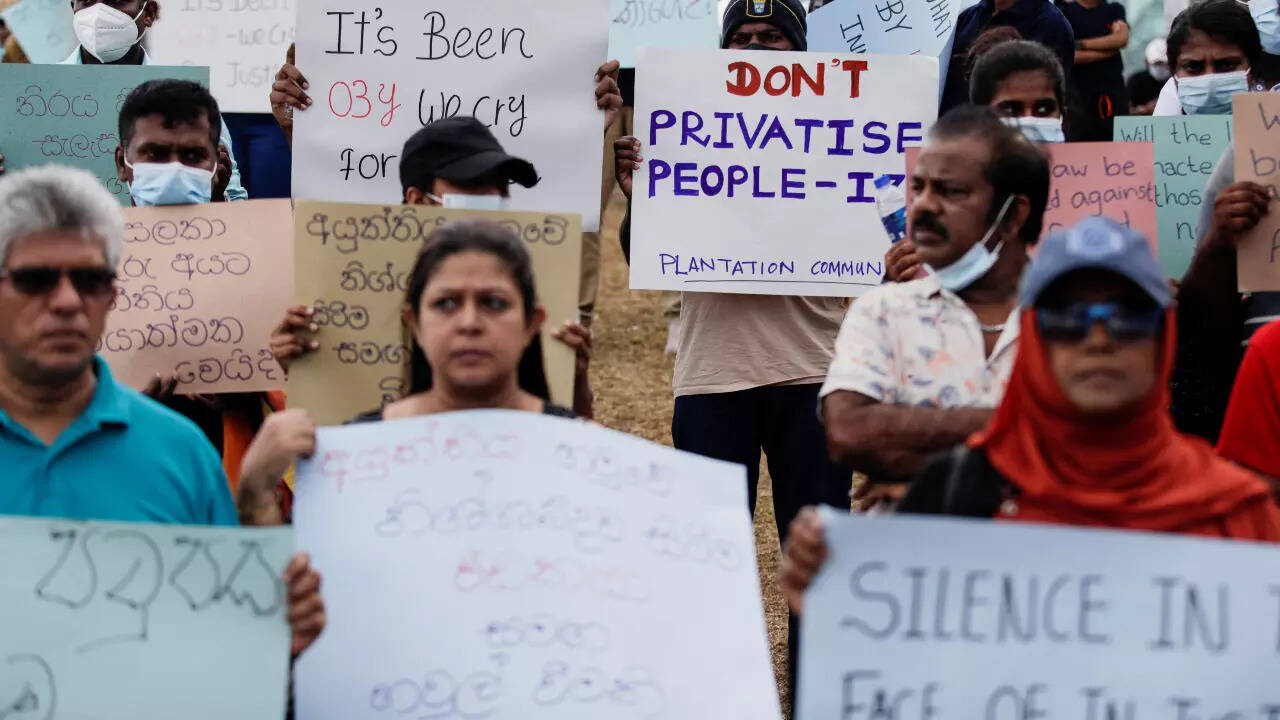
Most of the casualties took place in St Sebastian's Catholic Church in the suburb of Negombo, belonging to Cardinal Ranjith's Archdiocese of Colombo, where 113 people died. Sri Lanka observed the 3rd anniversary of the Easter Sunday terror attacks on April 21 with the Prime Minister Mahinda Rajapaksa vowing to punish the guilty behind the terror attacks and ensure justice to the victims.