Get all your news in one place.
100's of premium titles.
One app.
Start reading
Reuters
Reuters
Entertainment
Sanjeev Miglani and Alasdair Pal

Islamic State claims Sri Lanka blasts, as government says probe making progress

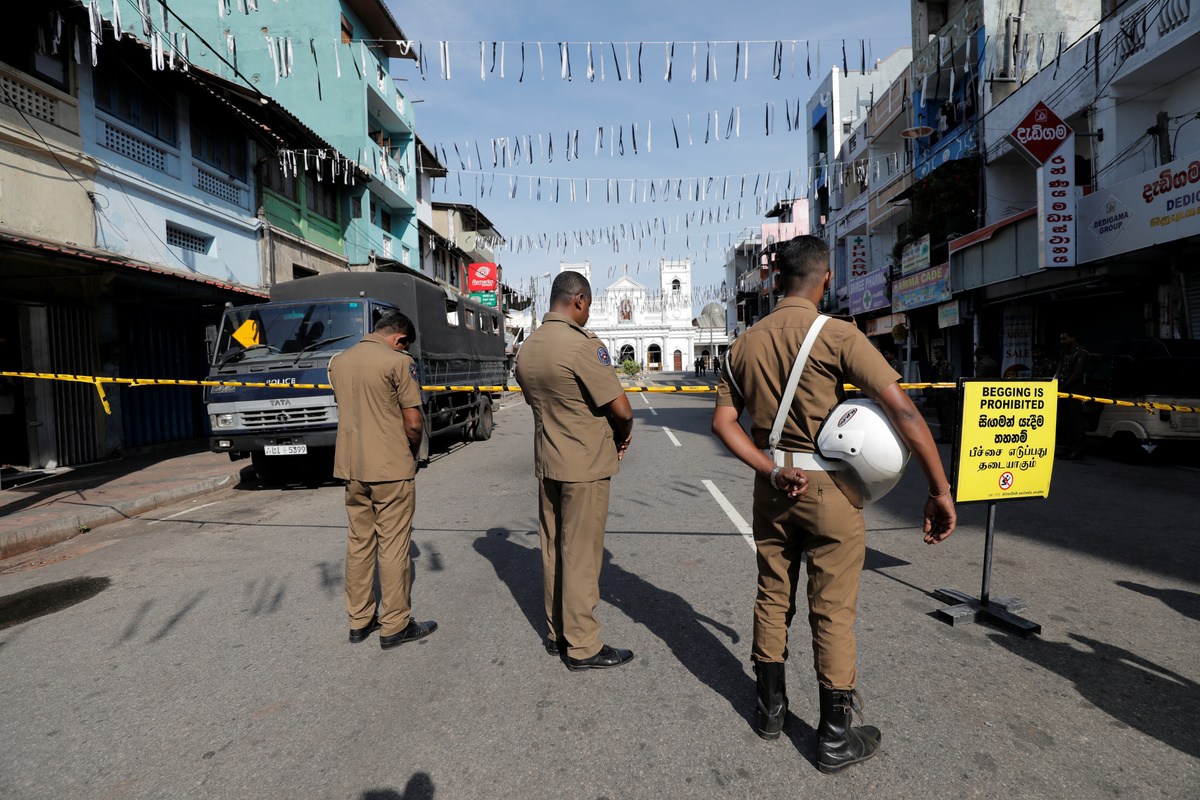
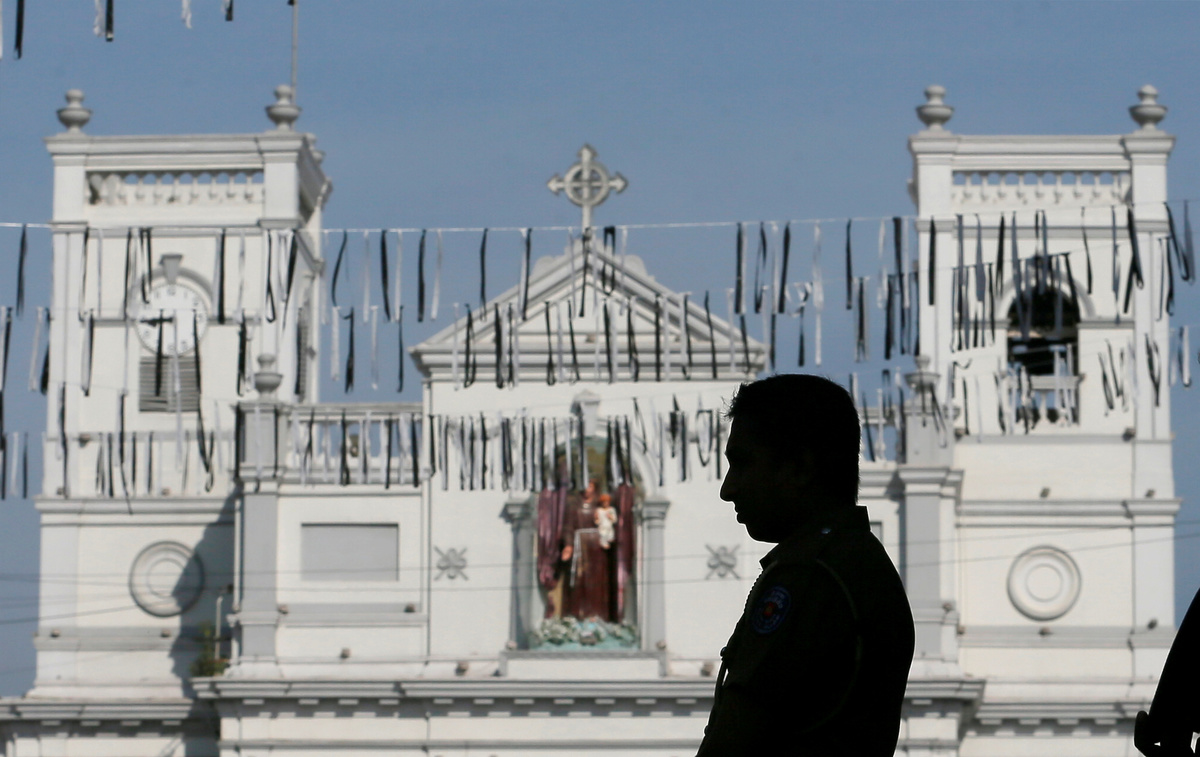
A security personnel observes three minutes of silence as a tribute to victims, two days after a string of suicide bomb attacks on churches and luxury hotels across the island on Easter Sunday, near St Anthony Shrine in Colombo, Sri Lanka April 23, 2019. REUTERS/Dinuka Liyanawatte

COLOMBO (Reuters) - Islamic State claimed responsibility on Tuesday for the bomb attacks in Sri Lanka that killed 321 people in what officials believe was retaliation for assaults on mosques in New Zealand.

The claim, issued through the group's AMAQ news agency, was made after Sri Lanka said two domestic Islamist groups with suspected links to foreign militants were suspected to have been behind the attacks at three churches and four hotels. About 500 people were also wounded in the bombings.
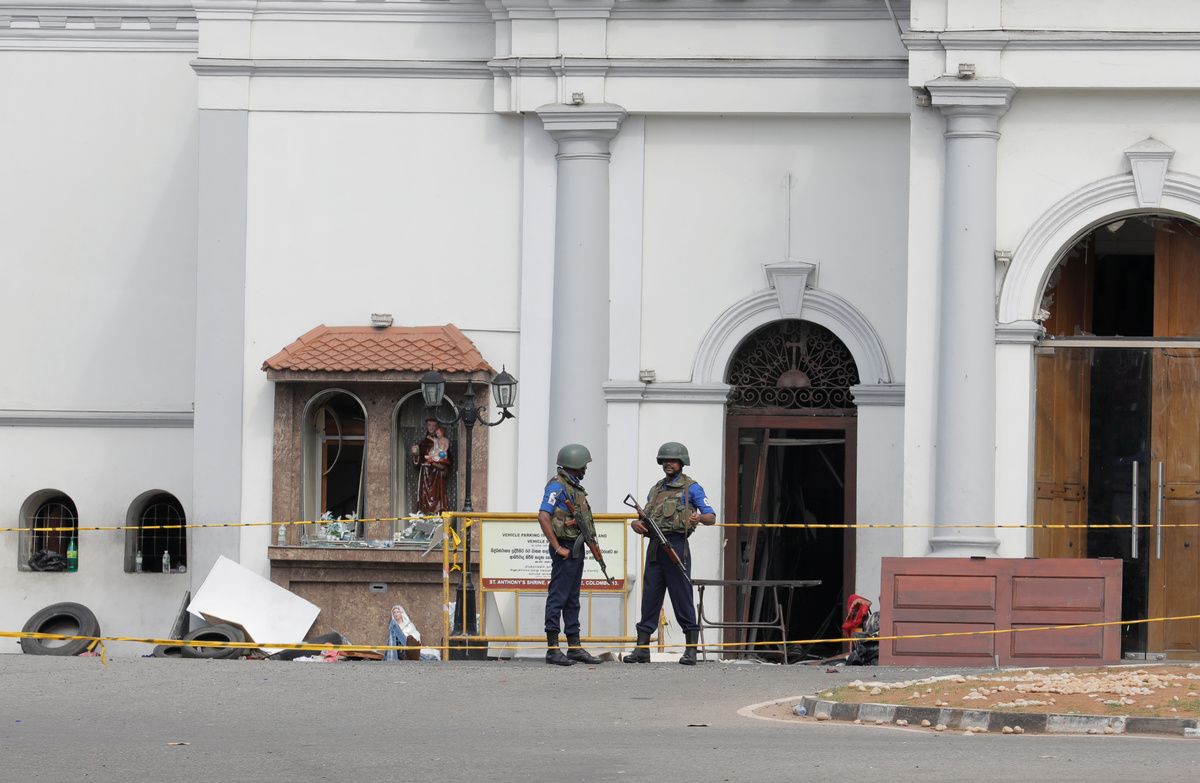
Security personnel stand guard outside St. Anthony Shrine, two days after a string of suicide bomb attacks on churches and luxury hotels across the island on Easter Sunday, in Colombo, Sri Lanka April 23, 2019. REUTERS/Dinuka Liyanawatte

Three sources told Reuters that Sri Lankan intelligence officials had been warned hours earlier by India that attacks by Islamists were imminent. It was not clear what action, if any, was taken.

President Maithripala Sirisena said he would change the heads of the defence forces following their failure to act on the intelligence.

"I will completely restructure the police and security forces in the coming weeks. I expect to change the heads of defence establishments within the next 24 hours," Sirisena said in an address to the nation.
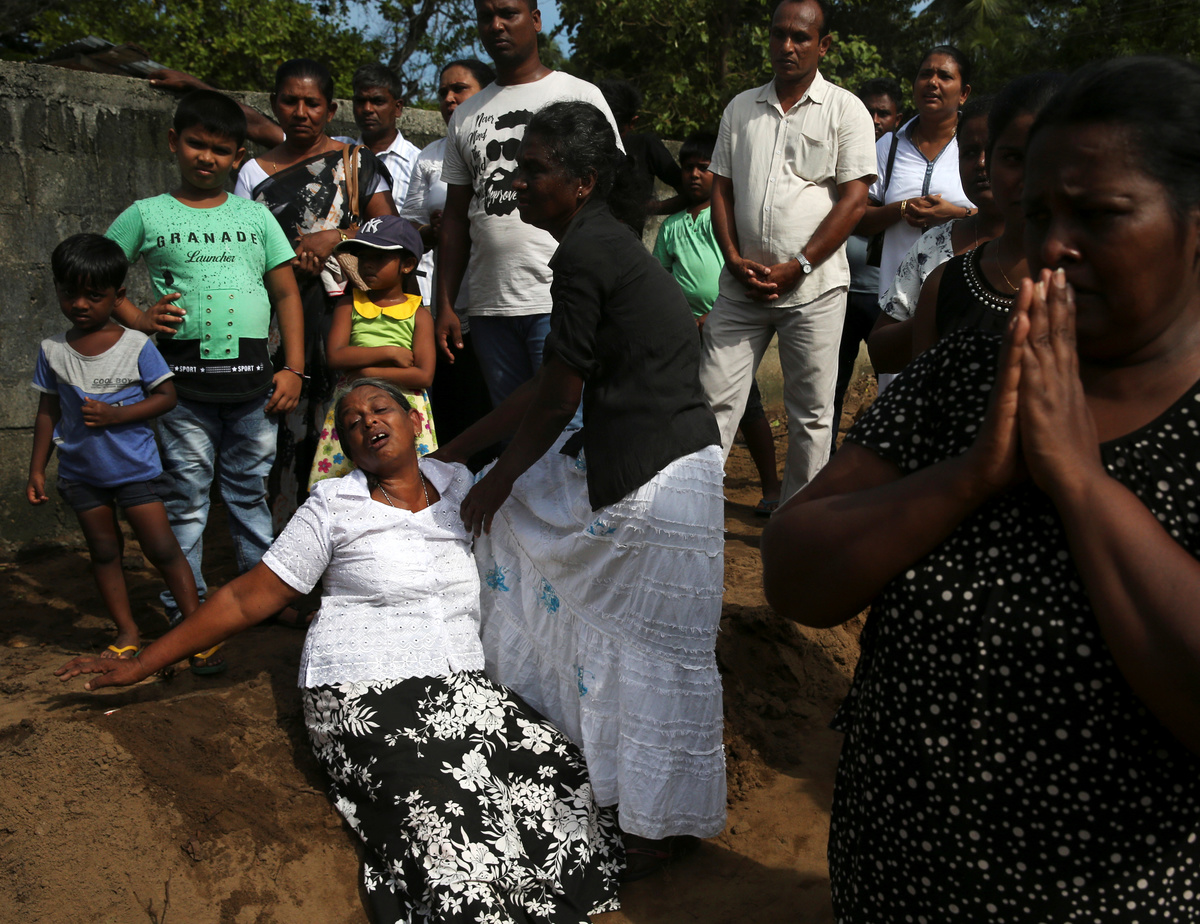
A woman collapses during a mass burial of victims, two days after a string of suicide bomb attacks on churches and luxury hotels across the island on Easter Sunday, at a cemetery near St. Sebastian Church in Negombo, Sri Lanka April 23, 2019. REUTERS/Athit Perawongmetha

"The security officials who got the intelligence report from a foreign nation did not share it with me. I have decided to take stern action against these officials."

Prime Minister Ranil Wickremesinghe told a news conference investigators were making progress in identifying the perpetrators.

"We will be following up on IS claims, we believe there may be some links," he said.
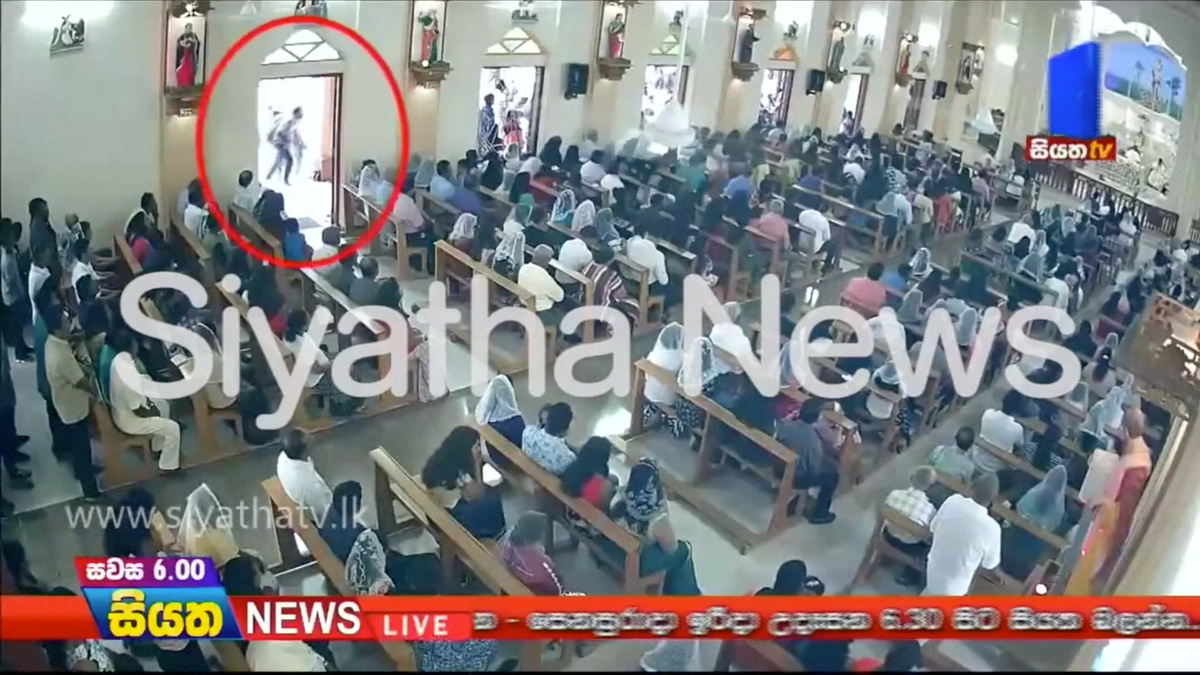
A suspected suicide bomber enters St Sebastian's Church in Negombo, Sri Lanka April 21, 2019 in this still image taken from a CCTV handout footage of Easter Sunday attacks released on April 23, 2019. CCTV/Siyatha News via REUTERS

The government has said at least seven suicide bombers were involved.

In a statement, Islamic State named what it said were the seven attackers who carried out the attacks. It gave no further evidence to support its claim of responsibility.

Th hardline militant group, who have lost the territory they once held in Syria and Iraq to Western-backed forces, later released a video on Amaq showing eight assailants, seven of whom were masked, pledging allegiance to Islamic State leader Abu Bakr al-Baghdadi.
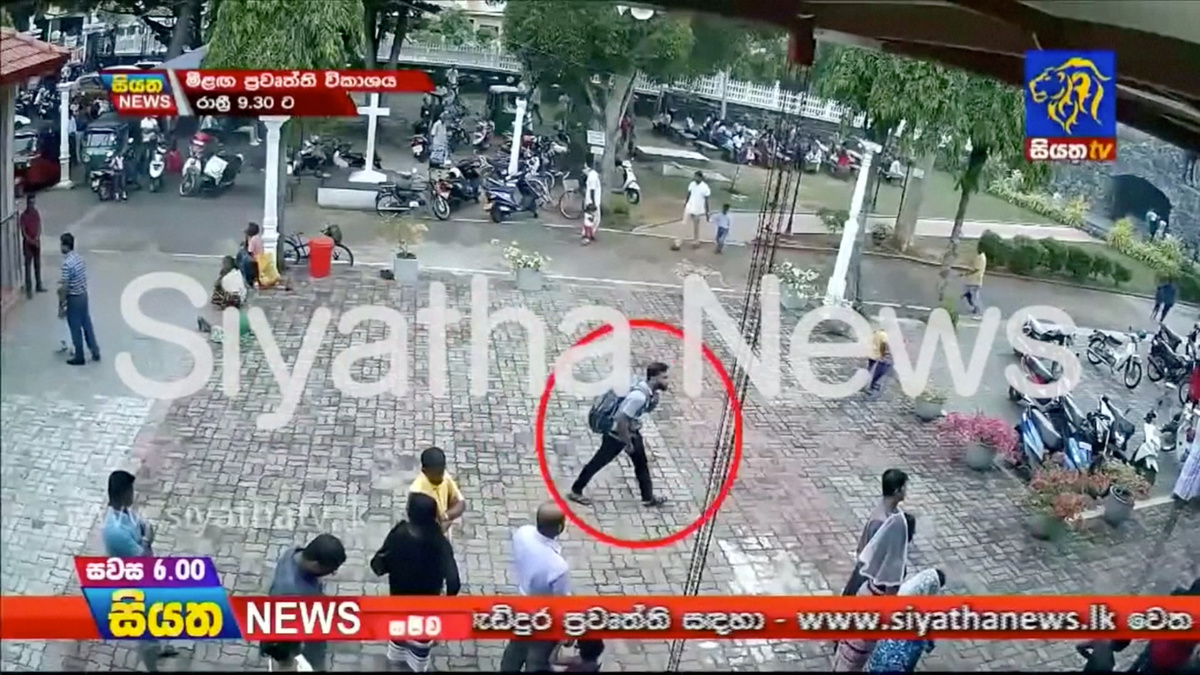
A suspected suicide bomber enters St Sebastian's Church in Negombo, Sri Lanka April 21, 2019 in this still image taken from a CCTV handout footage of Easter Sunday attacks released on April 23, 2019. CCTV/Siyatha News via REUTERS

Reuters could not independently verify the claim and authorities did not officially identify the assailants.

Earlier, junior minister for defence Ruwan Wijewardene told parliament two Sri Lankan Islamist groups - the National Thawheed Jama'ut and Jammiyathul Millathu Ibrahim - were responsible for the blasts, which detonated during Easter services and as hotels served breakfast.

The first six bombs - on three churches and three luxury hotels - exploded within 20 minutes of each other. Two more explosions - at a downmarket hotel and a house in a suburb of the capital, Colombo - took place in the early afternoon.
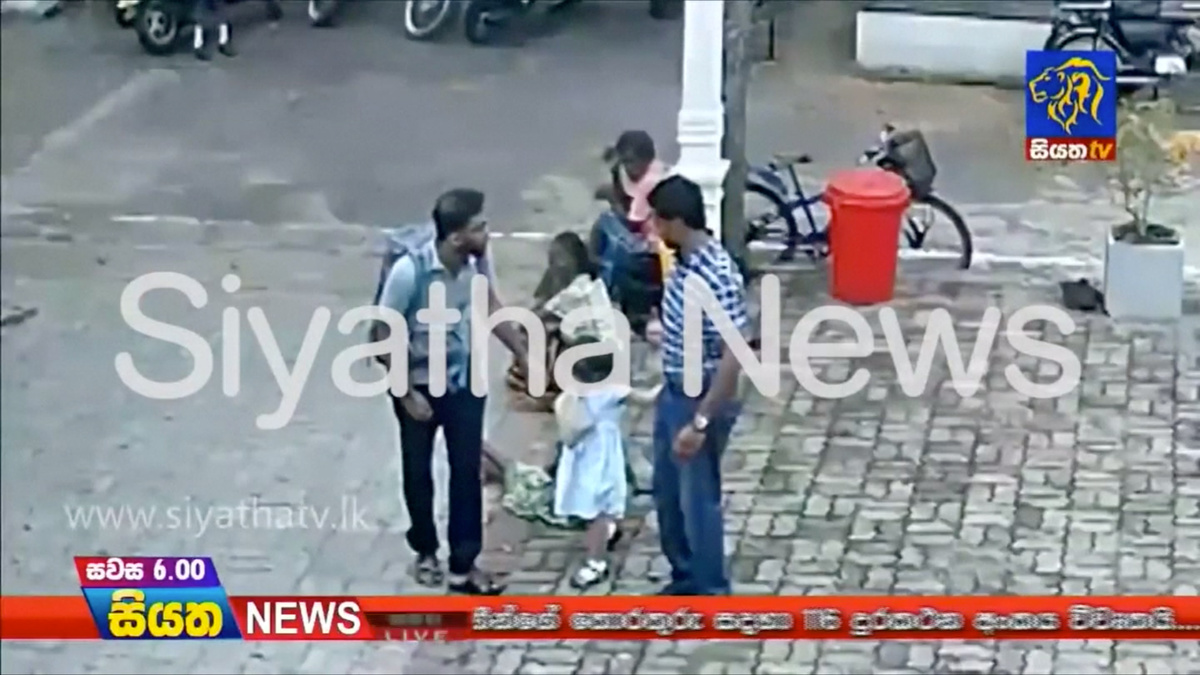
A suspected suicide bomber enters St Sebastian's Church in Negombo, Sri Lanka April 21, 2019 in this still image taken from a CCTV handout footage of Easter Sunday attacks released on April 23, 2019. CCTV/Siyatha News via REUTERS

Wickremesinghe said the militants had tried to attack another hotel but had failed.

Sri Lankan government and military sources said a Syrian had been detained among 40 people being questioned over the bombs.

Most of the dead and wounded were Sri Lankans, although government officials said 38 foreigners were killed. That included British, U.S., Australian, Turkish, Indian, Chinese, Danish, Dutch and Portuguese nationals.
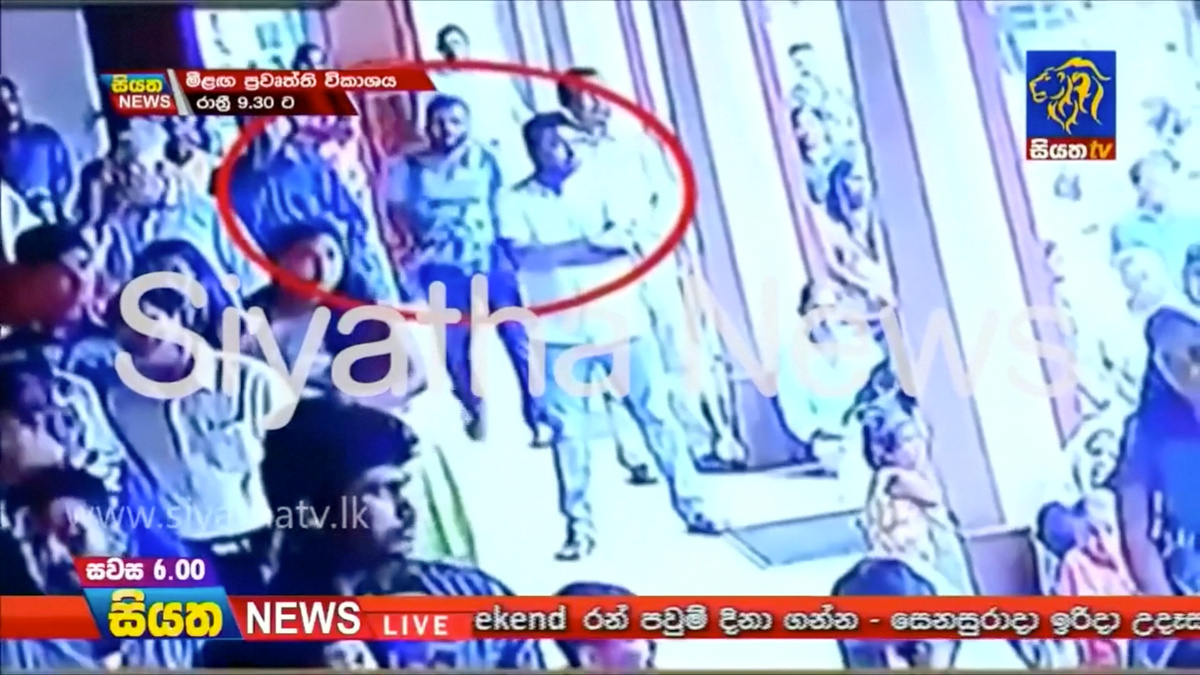
A suspected suicide bomber enters St Sebastian's Church in Negombo, Sri Lanka April 21, 2019 in this still image taken from a CCTV handout footage of Easter Sunday attacks released on April 23, 2019. CCTV/Siyatha News via REUTERS

The U.N. Children's Fund said 45 children were among the dead.

Footage on CNN showed what it said was one of the bombers wearing a heavy backpack. The man patted a child on the head before entering the Gothic-style St. Sebastian church in Katuwapitiya, north of Colombo. Dozens were killed there.
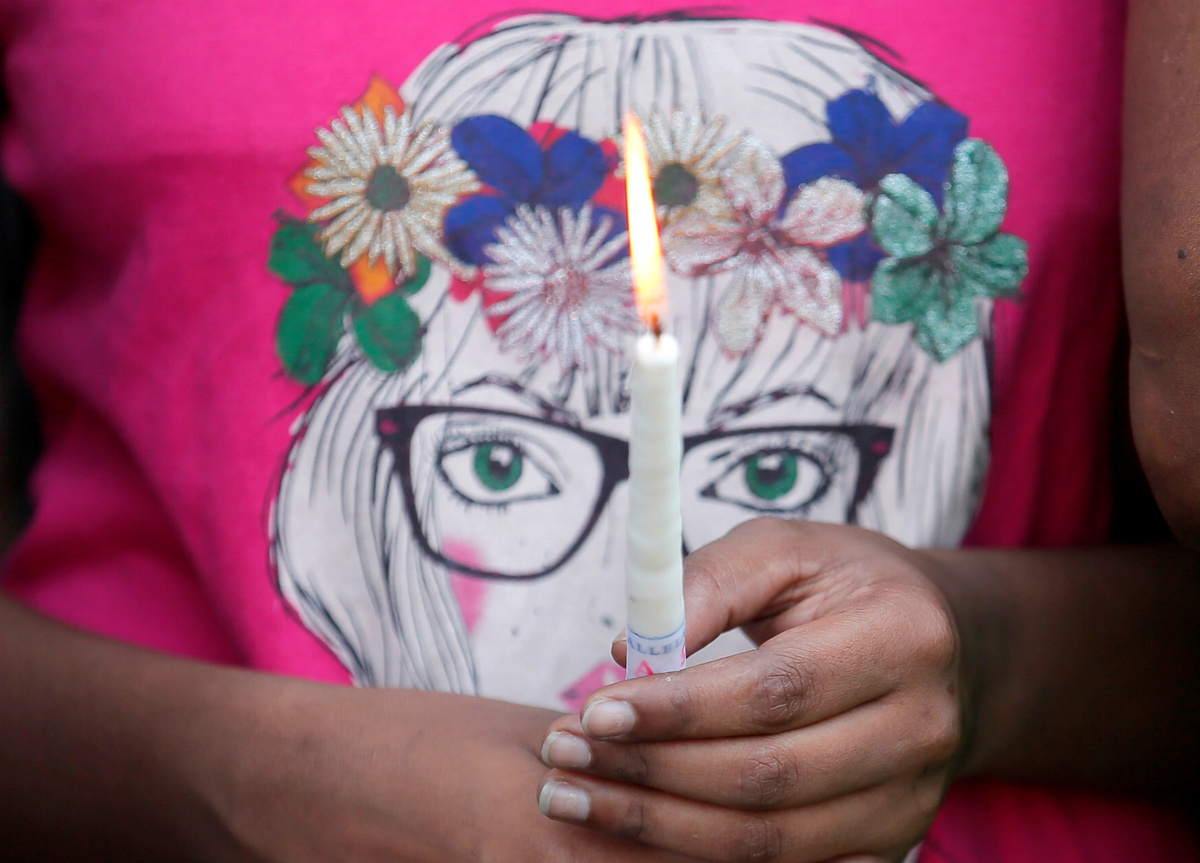
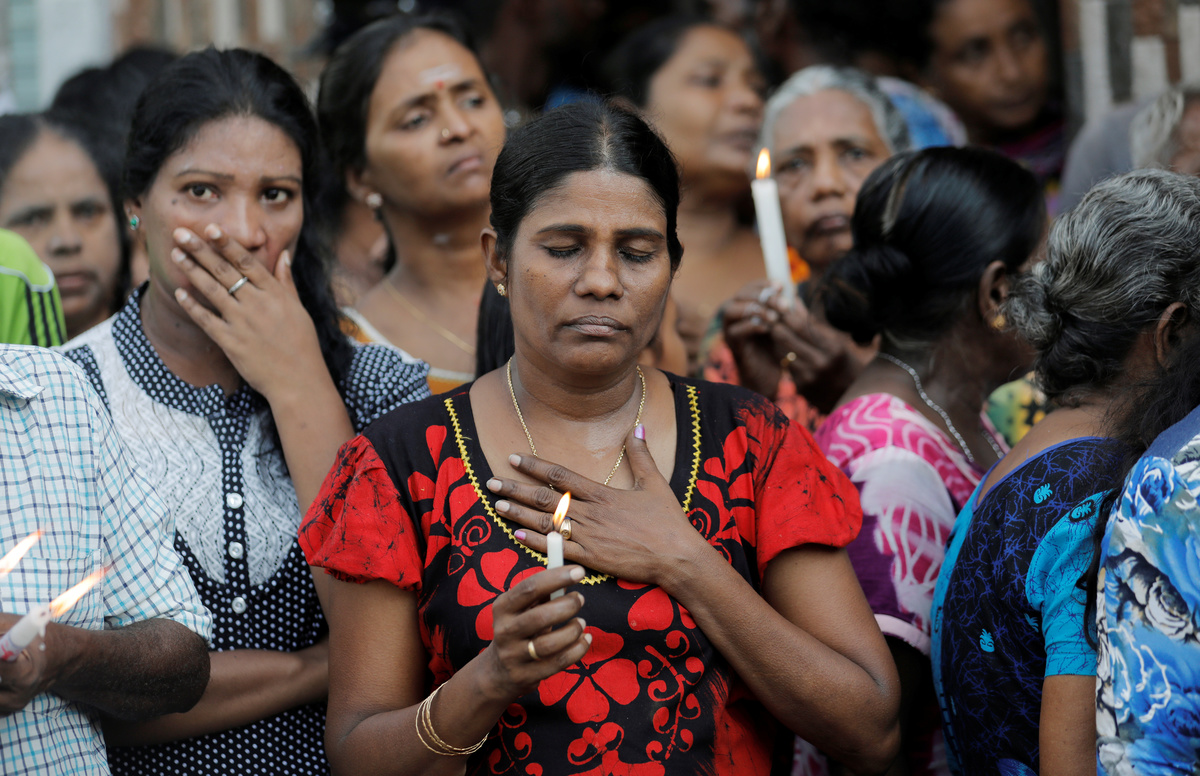
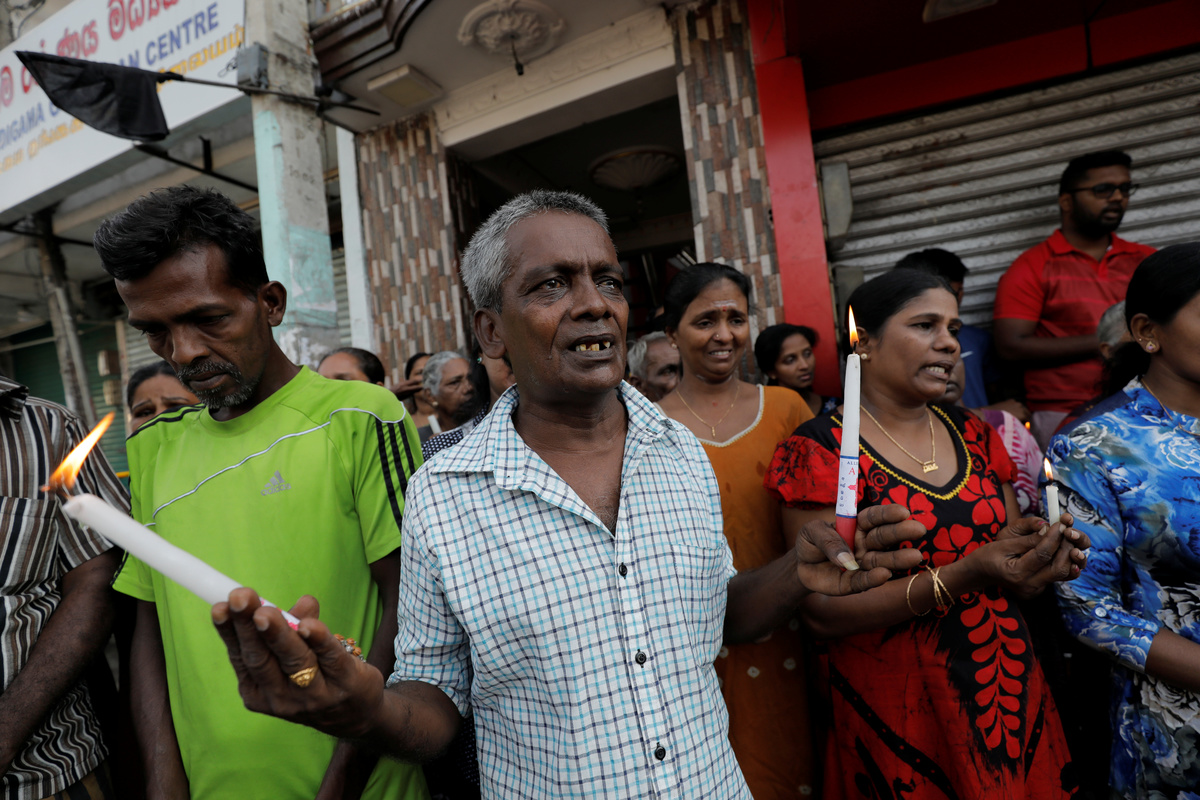
A woman holds a candle during three minutes of silence as a tribute to victims two days after a string of suicide bomb attacks on churches and luxury hotels across the island on Easter Sunday, during a memorial service in Colombo, Sri Lanka April 23, 2019. REUTERS/Dinuka Liyanawatte

'RETALIATION'

Wijewardene said investigators believed revenge for the March 15 killing of 50 people at two mosques during Friday prayers in the New Zealand city of Christchurch was the motive.

"The initial investigation has revealed that this was in retaliation for the New Zealand mosque attack," he said.
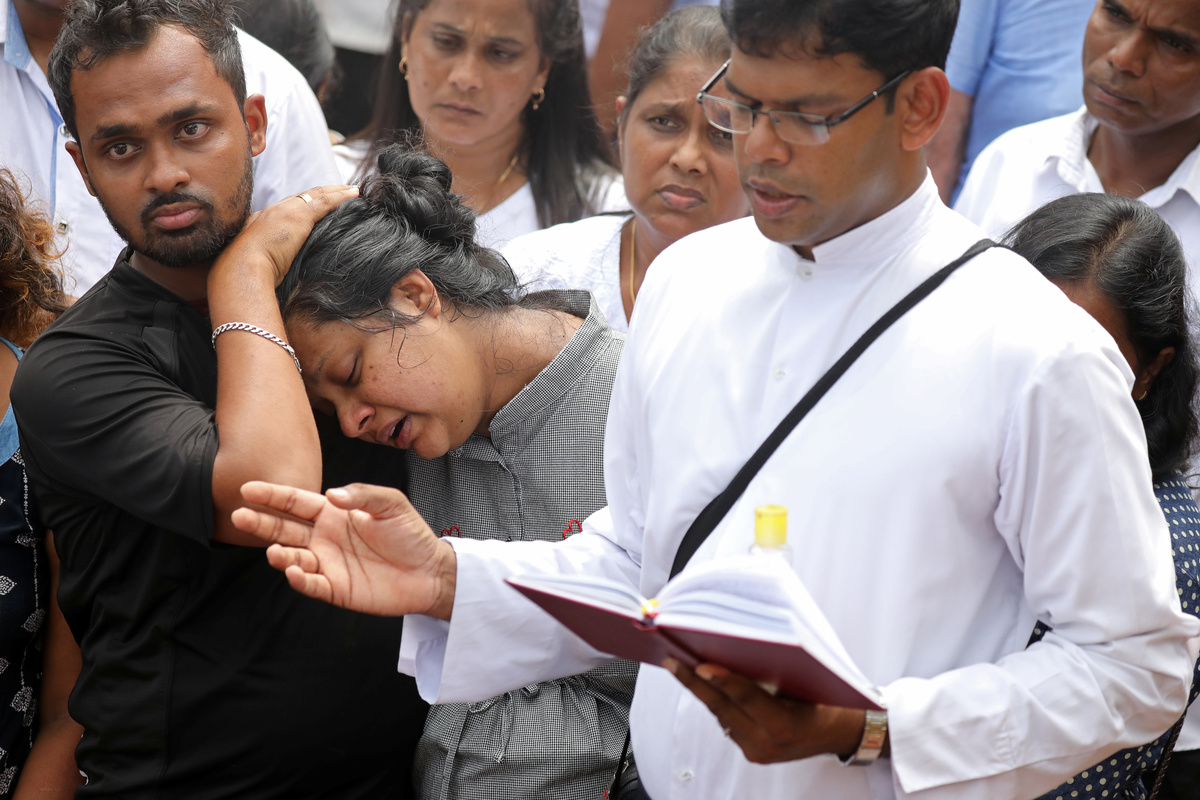
A woman reacts during a mass burial of victims, two days after a string of suicide bomb attacks on churches and luxury hotels across the island on Easter Sunday, at a cemetery near St. Sebastian Church in Negombo, Sri Lanka April 23, 2019. REUTERS/Athit Perawongmetha

He did not elaborate on why authorities believed there was a link to the New Zealand bloodshed, unleashed by a lone gunman.

The bombs brought a shattering end to a relative calm that had existed in Buddhist-majority country since a civil war against mostly Hindu, ethnic Tamil separatists ended 10 years ago, and raised fears of a return to sectarian violence.

Sri Lanka's 22 million people include minority Christians, Muslims and Hindus. Until now, Christians had largely managed to avoid the worst of the island's conflict and communal tensions.
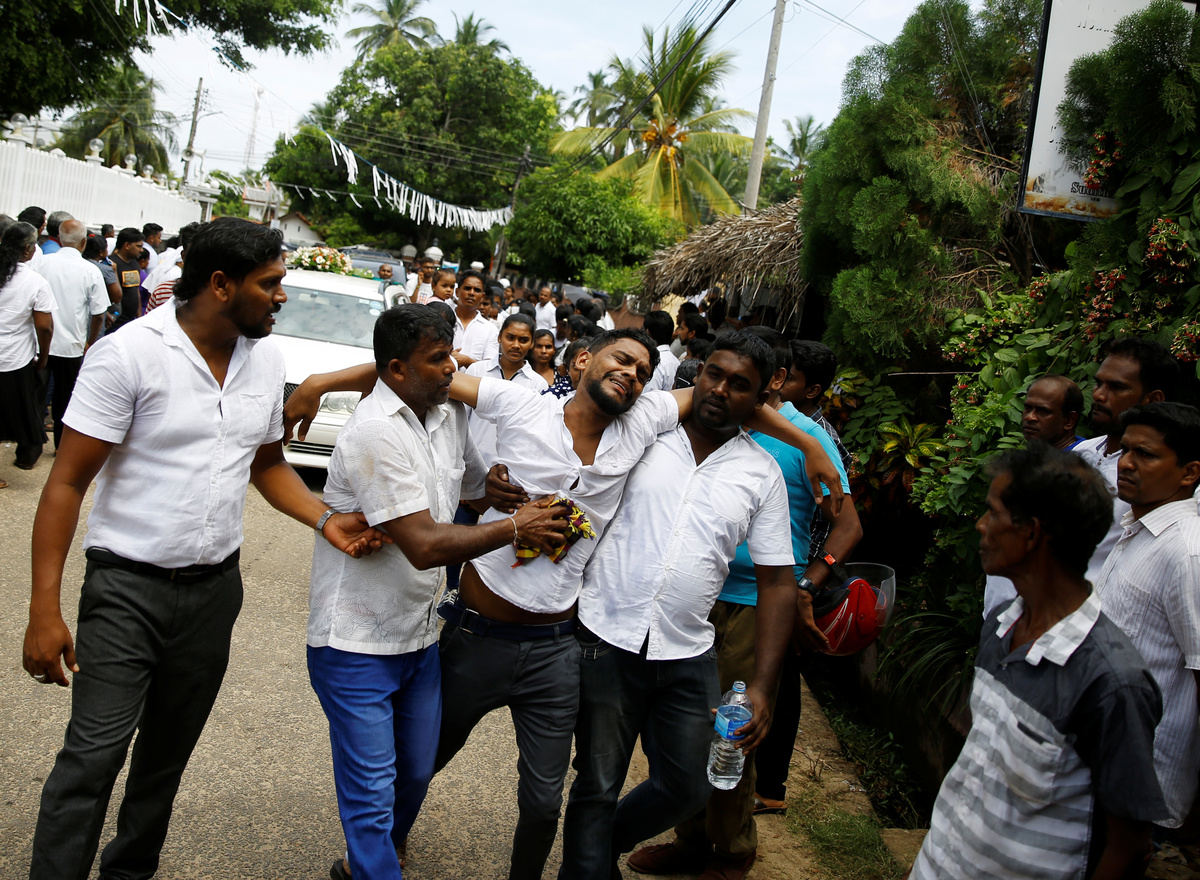
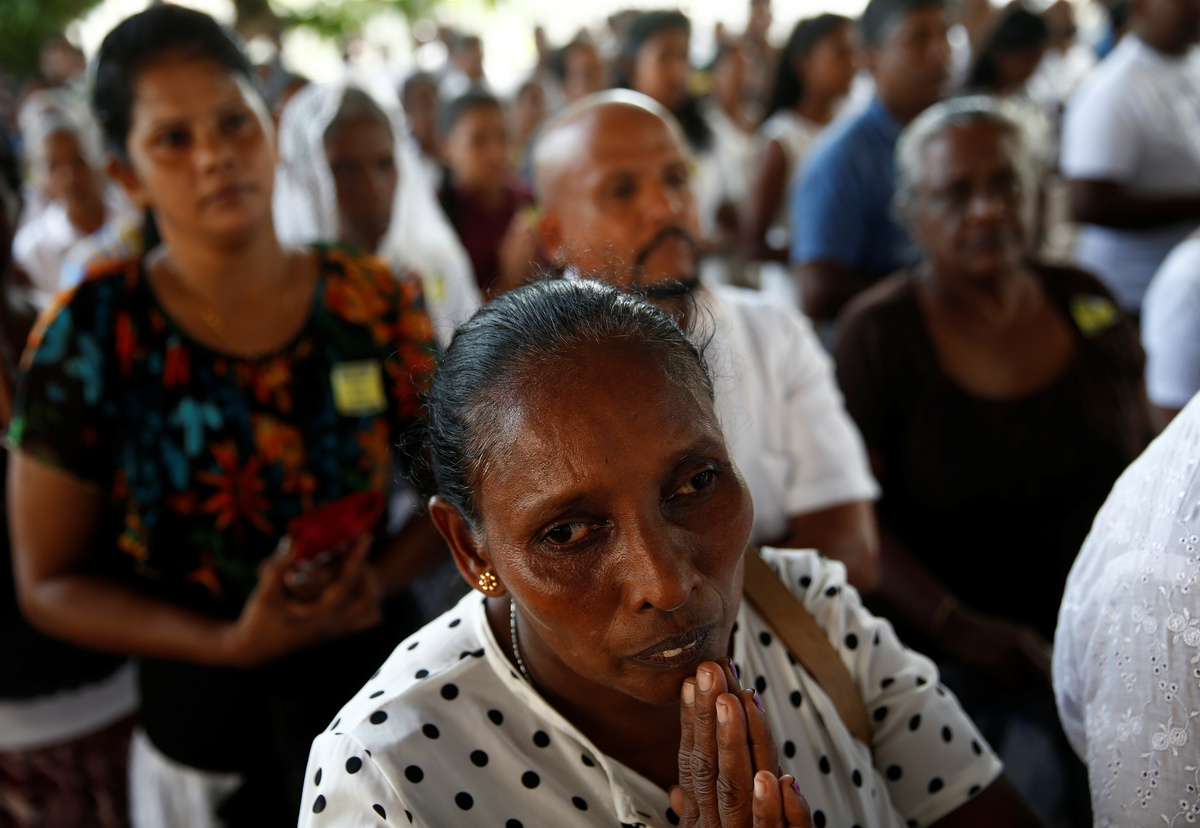
People react during a mass for victims, two days after a string of suicide bomb attacks on churches and luxury hotels across the island on Easter Sunday, in Negombo, Sri Lanka April 23, 2019. REUTERS/Thomas Peter

Pressure is likely to mount on the government over why effective action had not been taken in response to warnings from India about a possible attack on churches by the little-known National Thawheed Jama'ut group.

Indian intelligence officers contacted their Sri Lankan counterparts two hours before the first attack to warn of a specific threat on churches, one Sri Lankan defence source and an Indian government source said.

Another Sri Lankan defence source said a warning came "hours before" the first strike.
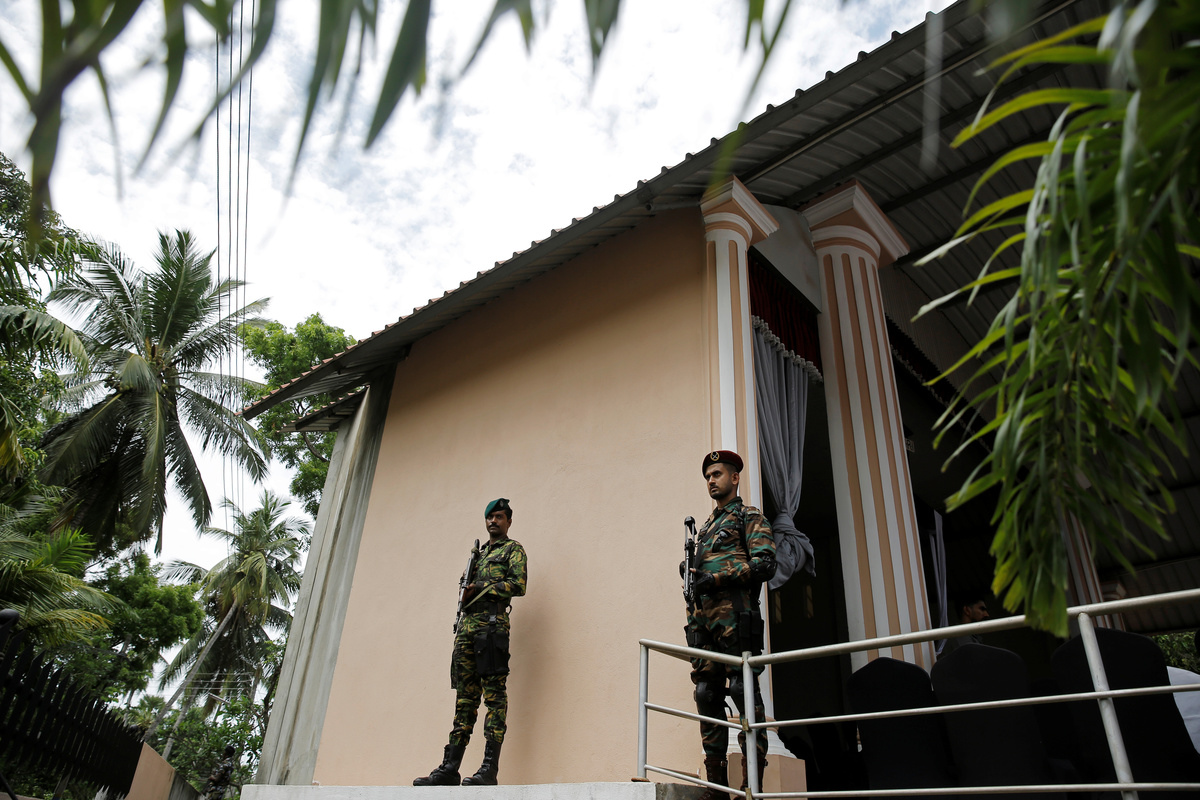
Security personnel stand guard during a mass for victims, two days after a string of suicide bomb attacks on churches and luxury hotels across the island on Easter Sunday, in Negombo, Sri Lanka April 23, 2019. REUTERS/Thomas Peter

Sri Lanka's presidency and the Indian foreign ministry both did not respond to requests for comment on the warnings.

A government minister had said on Monday that Wickremesinghe had not been informed about a warning and had been shut out of top security meetings because of a feud with President Maithripala Sirisena.

Wickremesinghe dismissed any suggestion that the rift with the president had hampered coordination on security, saying although they had differences they had been thrashed out.
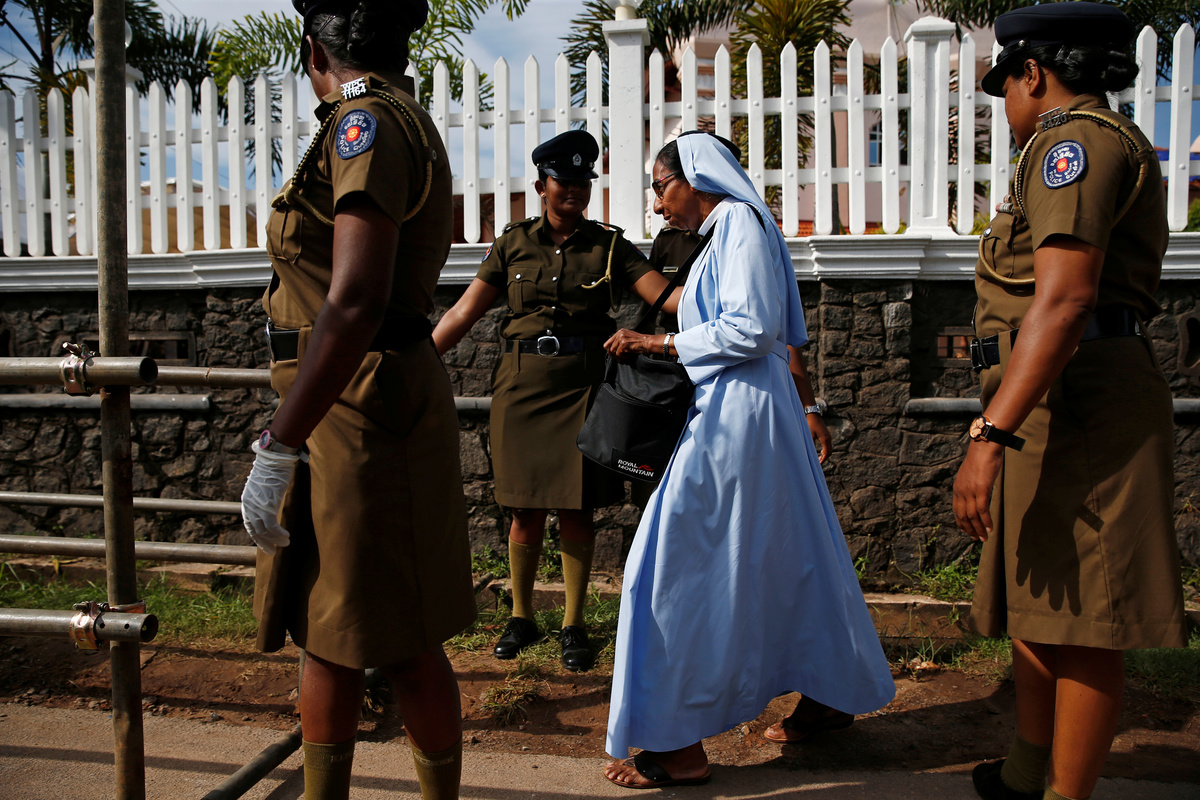
A nun walks among security personnel during a mass for victims, two days after a string of suicide bomb attacks on churches and luxury hotels across the island on Easter Sunday, in Negombo, Sri Lanka April 23, 2019. REUTERS/Thomas Peter

For a graphic on Sri Lanka bombings, click https://tmsnrt.rs/2Xy02BA

Sirisena fired Wickremesinghe last year only to be forced to reinstate him under pressure from the Supreme Court.
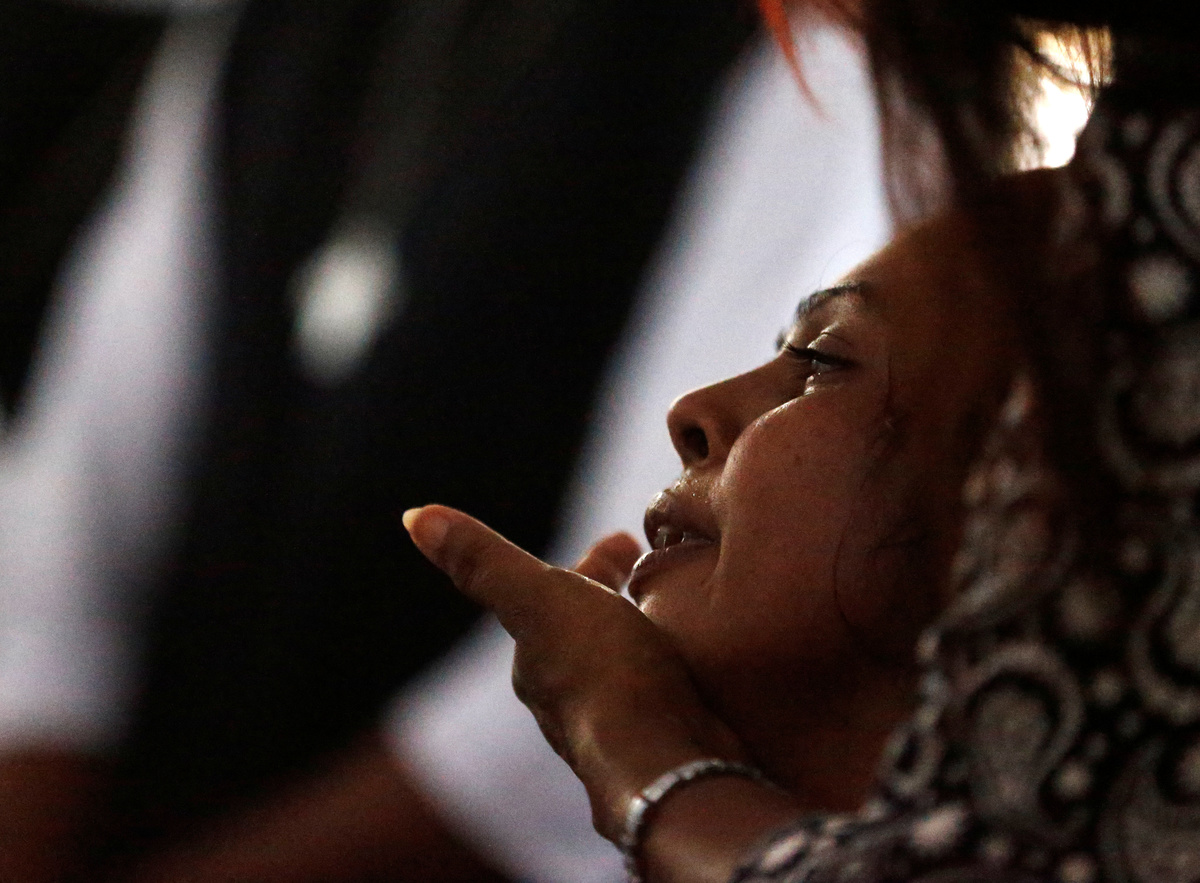
A woman reacts during a mass for victims, two days after a string of suicide bomb attacks on churches and luxury hotels across the island on Easter Sunday, in Negombo, Sri Lanka April 23, 2019. REUTERS/Thomas Peter

FEARS OVER FUNERALS

Tuesday was a day of mourning and more than 1,000 mourners gathered for a mass funeral at St. Sebastian church in the coastal city of Negombo, just north of the capital, Colombo, where more than 100 parishioners were killed on Sunday.

The ceremony began with prayers and singing under a tent put up in the courtyard of the church, which had most of its roof torn away by the blast.
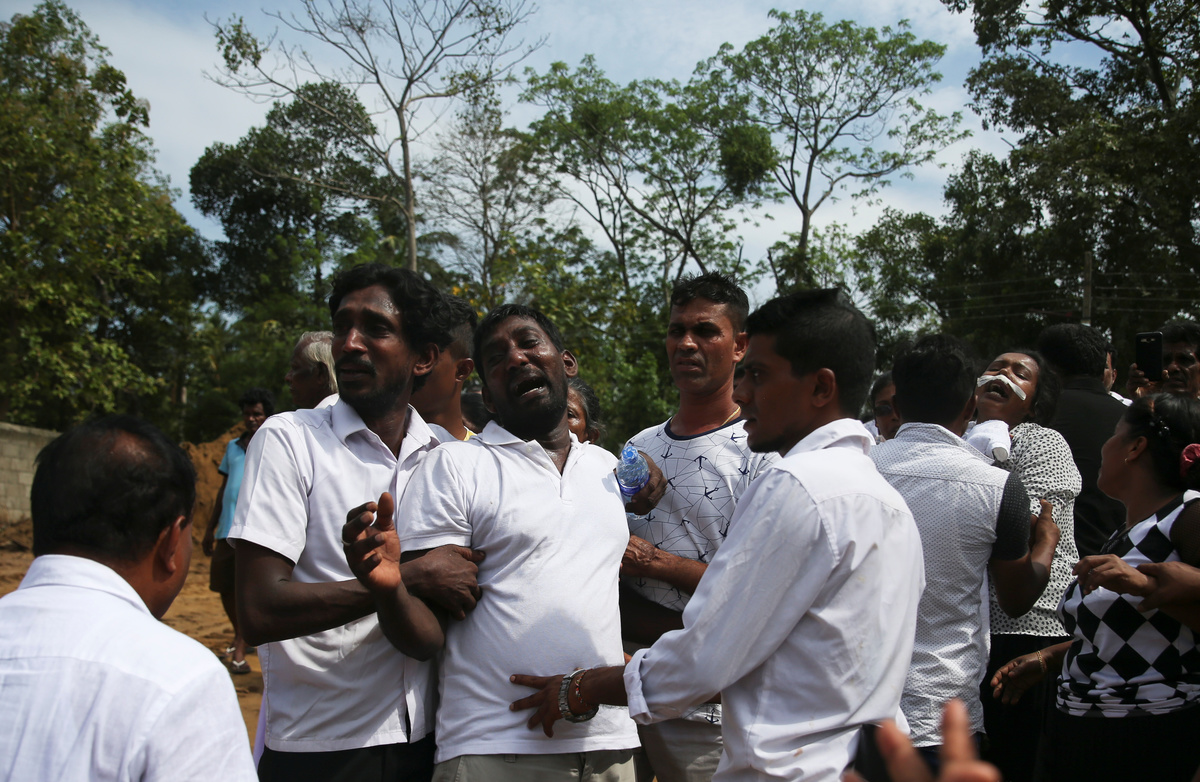
People react during a mass burial of victims, two days after a string of suicide bomb attacks on churches and luxury hotels across the island on Easter Sunday, at a cemetery near St. Sebastian Church in Negombo, Sri Lanka April 23, 2019. REUTERS/Athit Perawongmetha

Pall-bearers wearing white carried in wooden coffins one by one, followed by distraught relatives.

Cardinal Malcolm Ranjith, the Archbishop of Sri Lanka who led the service, urged other churches to delay memorials amid fears that more bombers may be at large.

Security forces were on alert for more attack and the government imposed emergency rule giving police extensive powers to detain and interrogate suspects. An overnight curfew has also been in place since Sunday.
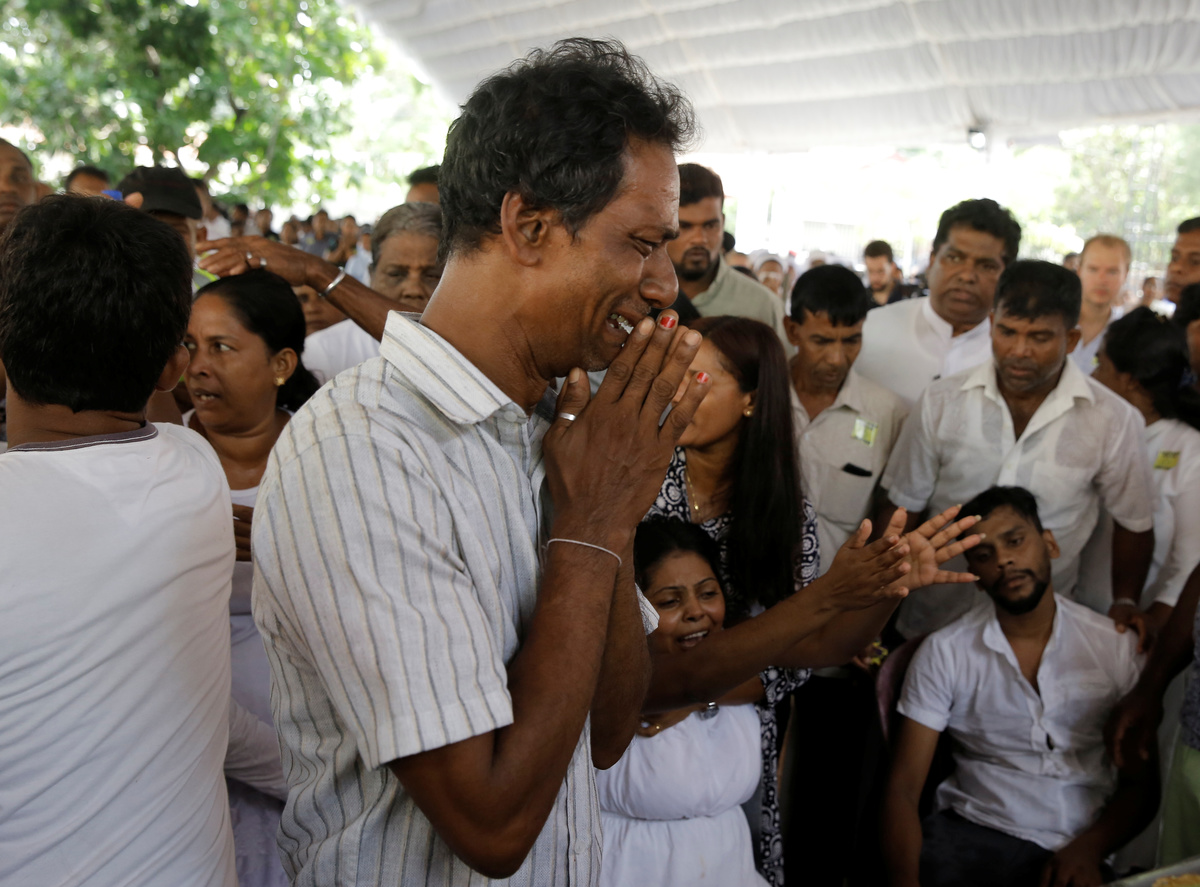
People react near a casket during a mass for victims, two days after a string of suicide bomb attacks on churches and luxury hotels across the island on Easter Sunday, in Negombo, Sri Lanka April 23, 2019. REUTERS/Thomas Peter

The government also said it had blocked online messaging services to stop the spread of inflammatory rumours that it feared could incite communal clashes.

The FBI is assisting Sri Lankan authorities with their investigation.
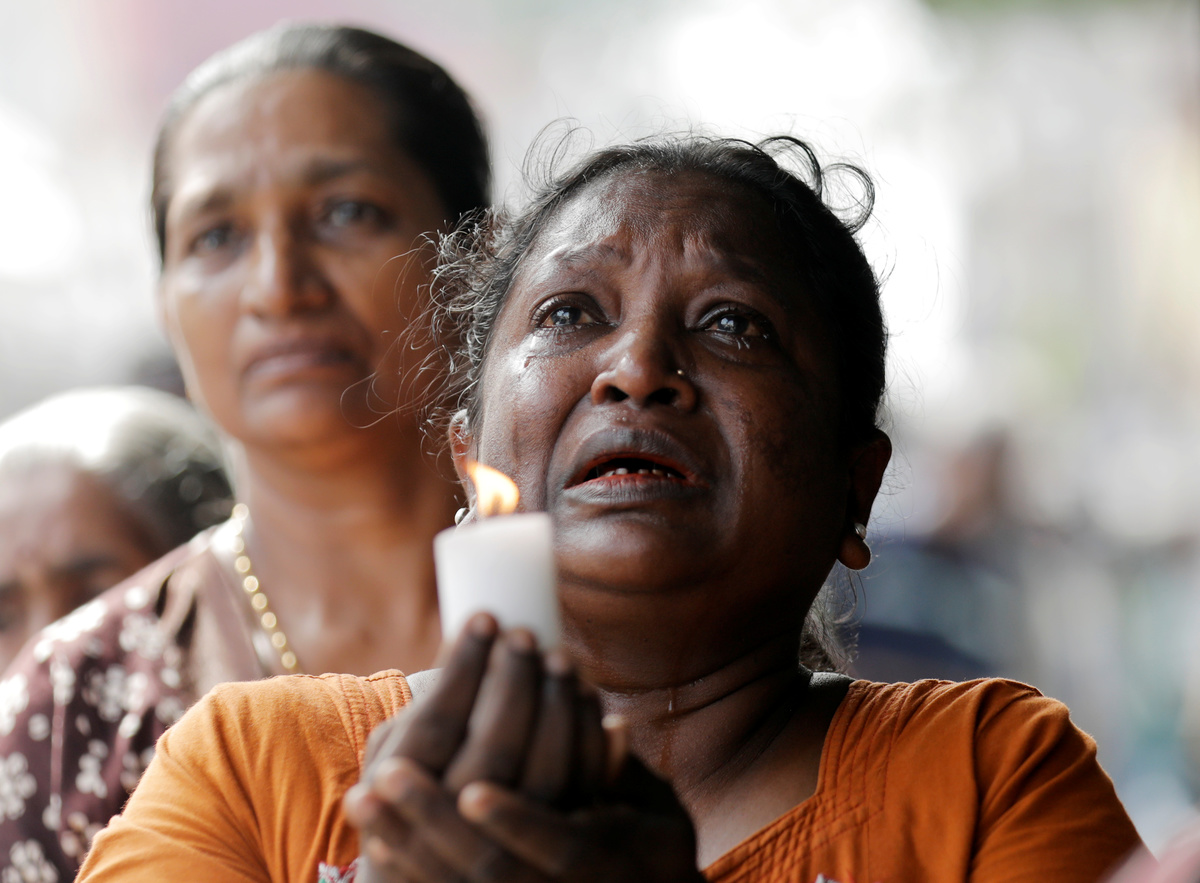
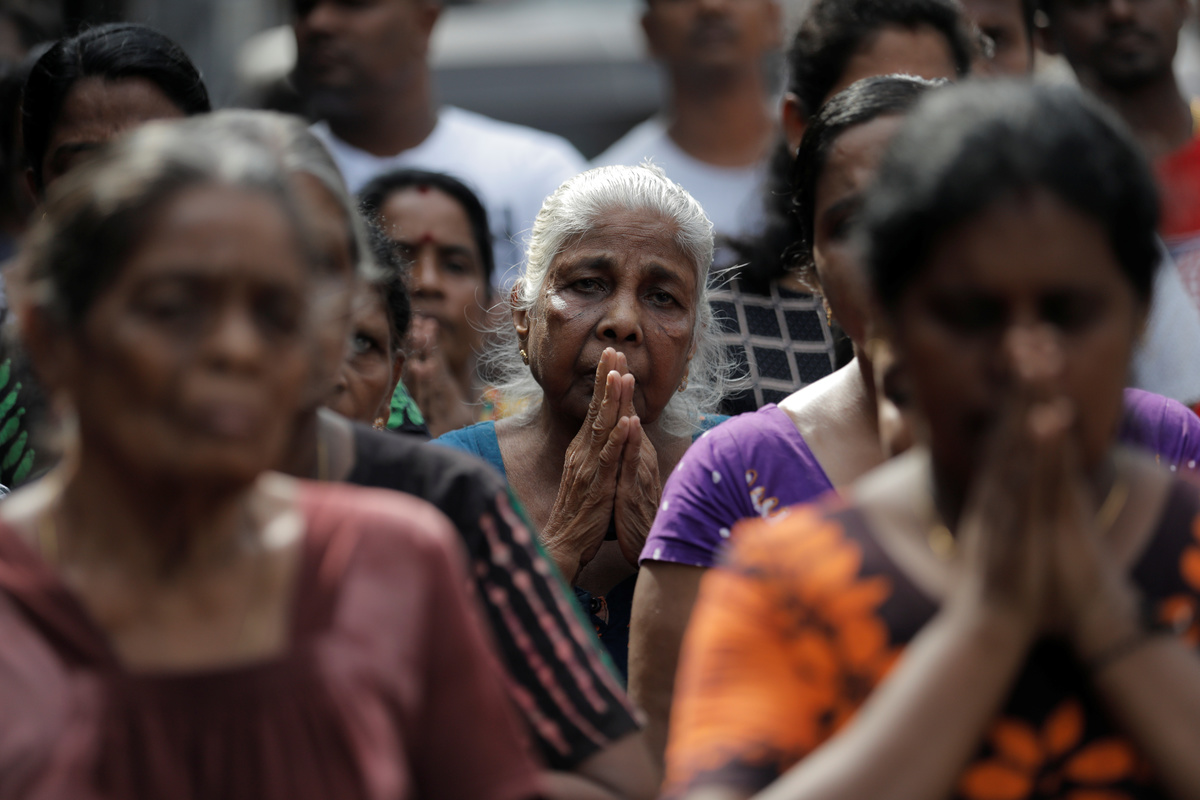
People react as silence is observed as a tribute to victims, two days after a string of suicide bomb attacks on churches and luxury hotels across the island on Easter Sunday, during a memorial service in Colombo, Sri Lanka April 23, 2019. REUTERS/Dinuka Liyanawatte

(Reporting by Sanjeev Miglani and Alasdair Pal; Additional reporting by Ranga Sirilal, Joe Brock, Mark Hosenball and Kieran Murray in WASHINGTON, Lena Masri and Omar Fahmy in CAIRO and Stella Qiu and Ryan Woo in BEIJING; Writing by Robert Birsel; Editing by Michael Perry, Paul Tait and Alex Richardson and Angus MacSwan)
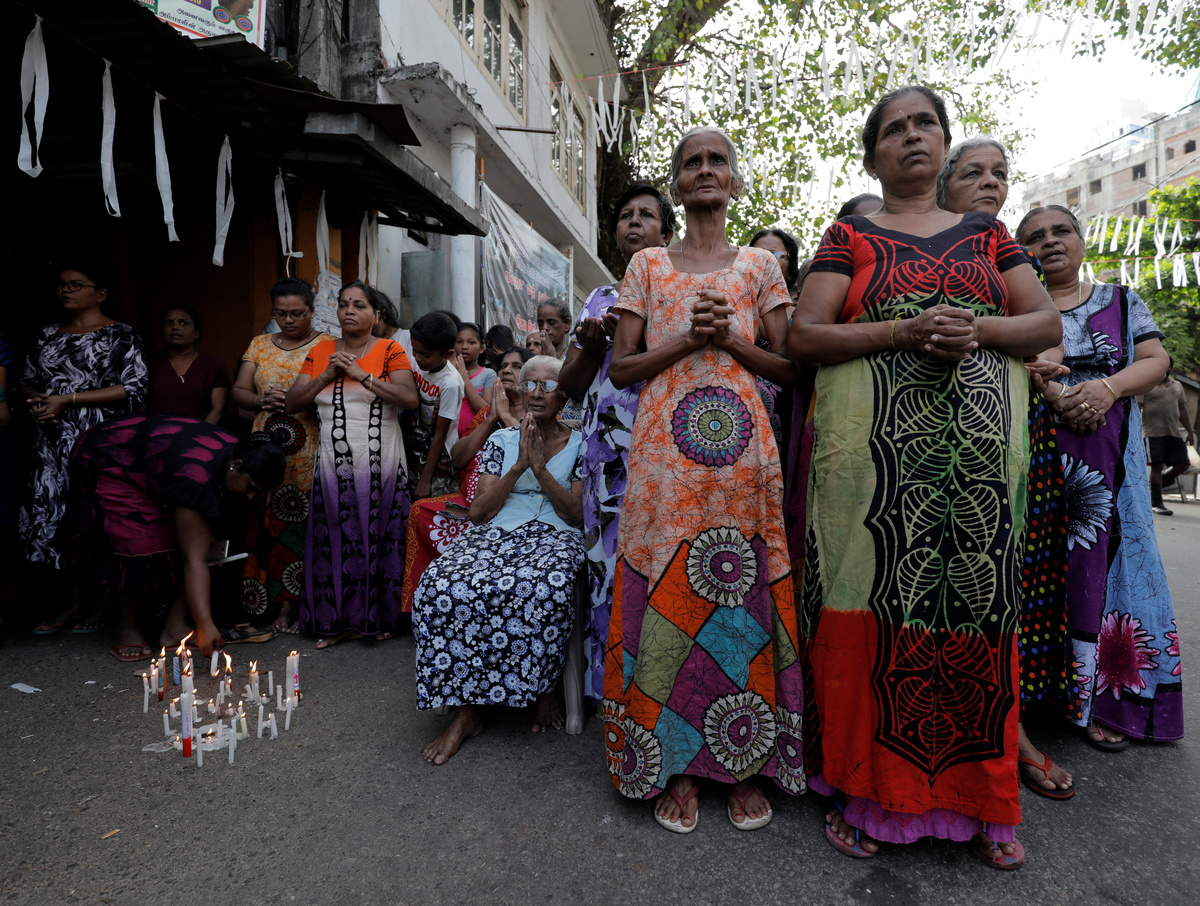
People react as silence is observed as a tribute to victims, two days after a string of suicide bomb attacks on churches and luxury hotels across the island on Easter Sunday, during a memorial service in Colombo, Sri Lanka April 23, 2019. REUTERS/Dinuka Liyanawatte
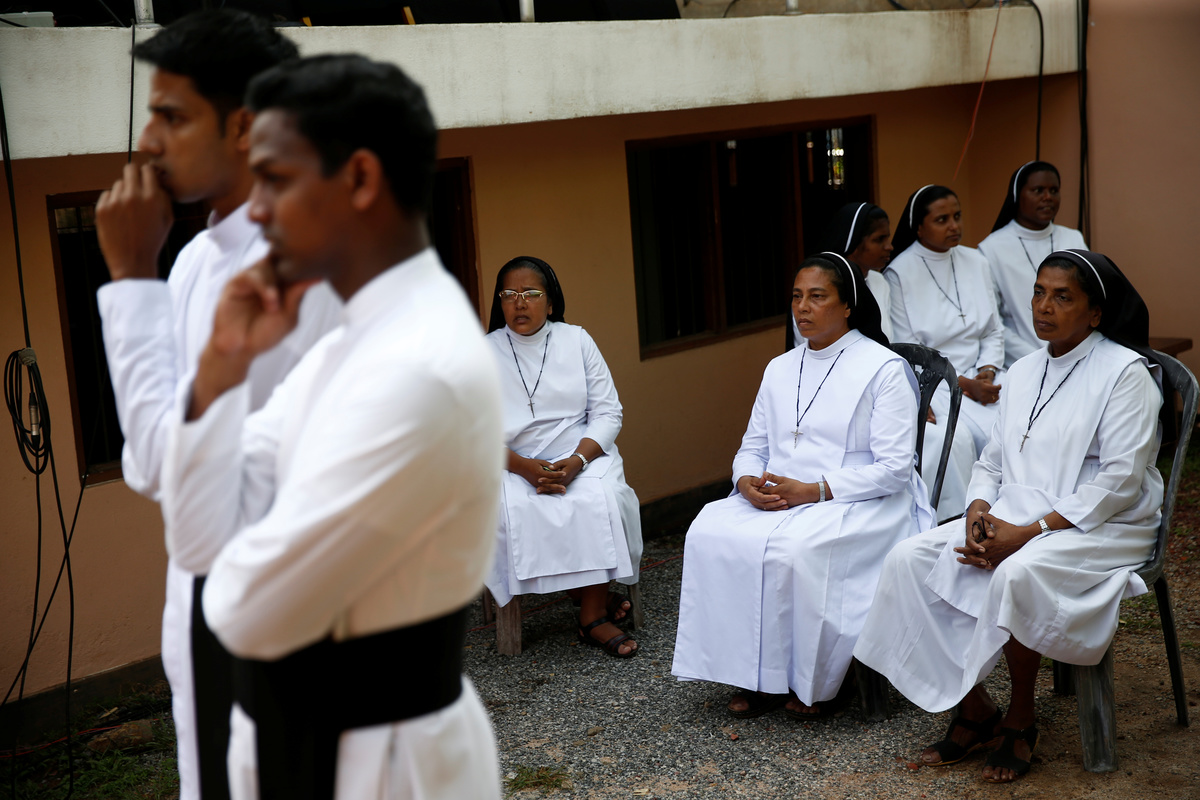
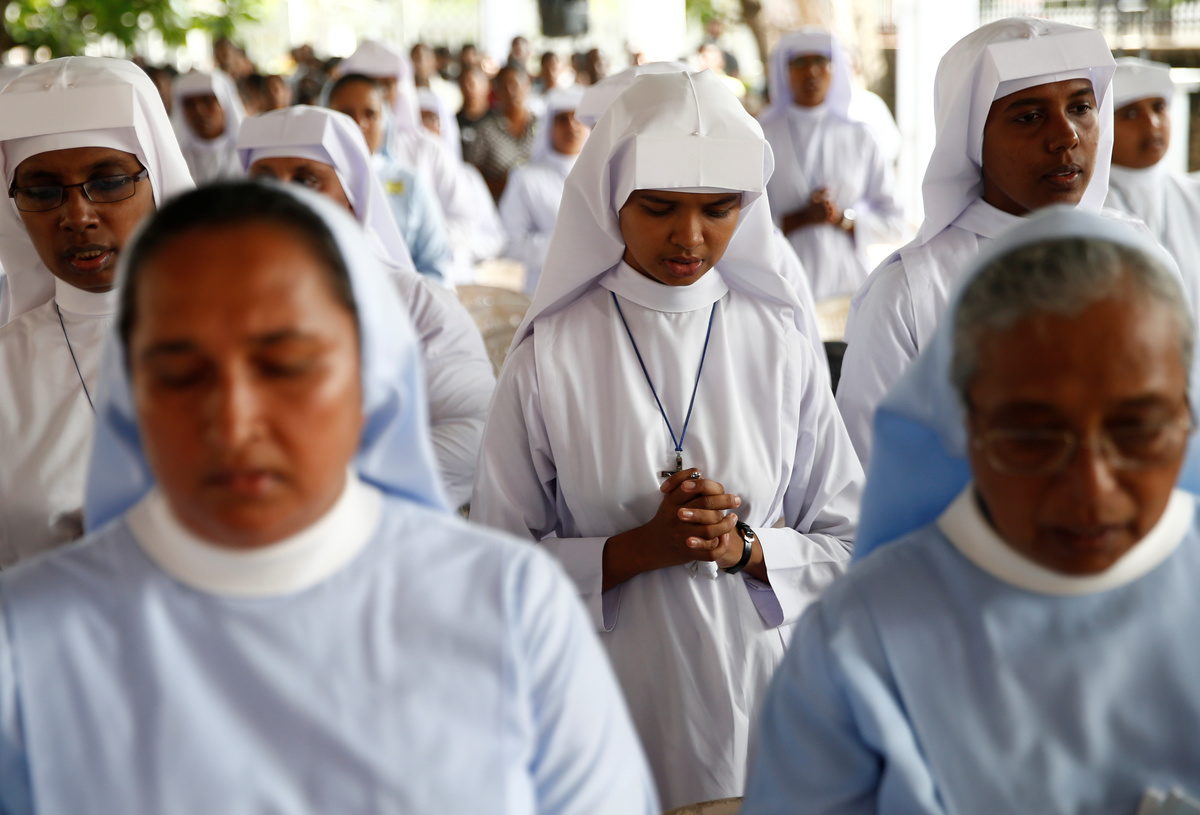
Nuns attend a mass near St Sebastian Church, two days after a string of suicide bomb attacks on churches and luxury hotels across the island on Easter Sunday, during a memorial service in Negombo, Sri Lanka April 23, 2019. REUTERS/Thomas Peter
People attend a mass near St Sebastian Church, two days after a string of suicide bomb attacks on churches and luxury hotels across the island on Easter Sunday, during a memorial service in Negombo, Sri Lanka April 23, 2019. REUTERS/Thomas Peter
People react as silence is observed as a tribute to victims, two days after a string of suicide bomb attacks on churches and luxury hotels across the island on Easter Sunday, during a memorial service in Colombo, Sri Lanka April 23, 2019. REUTERS/Dinuka Liyanawatte
Security personnel observe three minutes of silence as a tribute to victims, two days after a string of suicide bomb attacks on churches and luxury hotels across the island on Easter Sunday, near St Anthony Shrine in Colombo, Sri Lanka April 23, 2019. REUTERS/Dinuka Liyanawatte
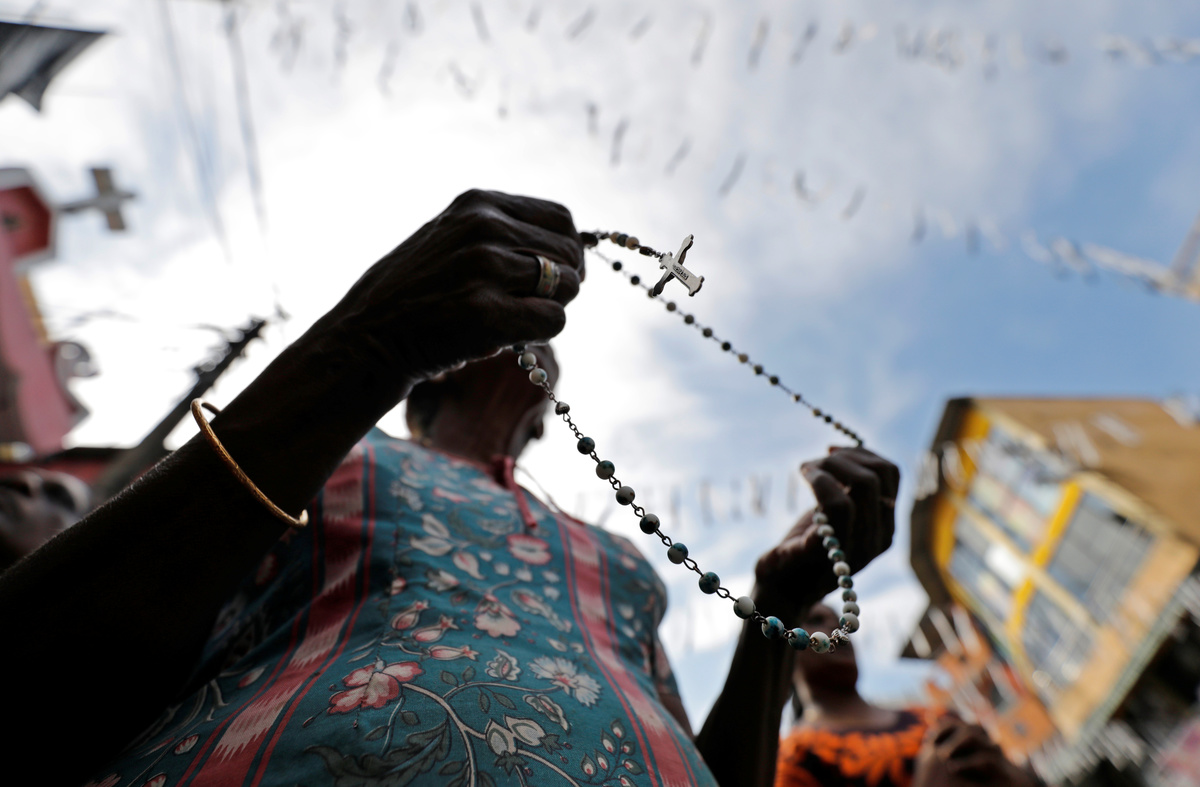
A woman holds a rosary as silence is observed as a tribute to victims, two days after a string of suicide bomb attacks on churches and luxury hotels across the island on Easter Sunday, during a memorial service in Colombo April 23, 2019. REUTERS/Dinuka Liyanawatte
People react as silence is observed as a tribute to victims two days after a string of suicide bomb attacks on churches and luxury hotels across the island on Easter Sunday, during a memorial service in Colombo, Sri Lanka April 23, 2019. REUTERS/Dinuka Liyanawatte
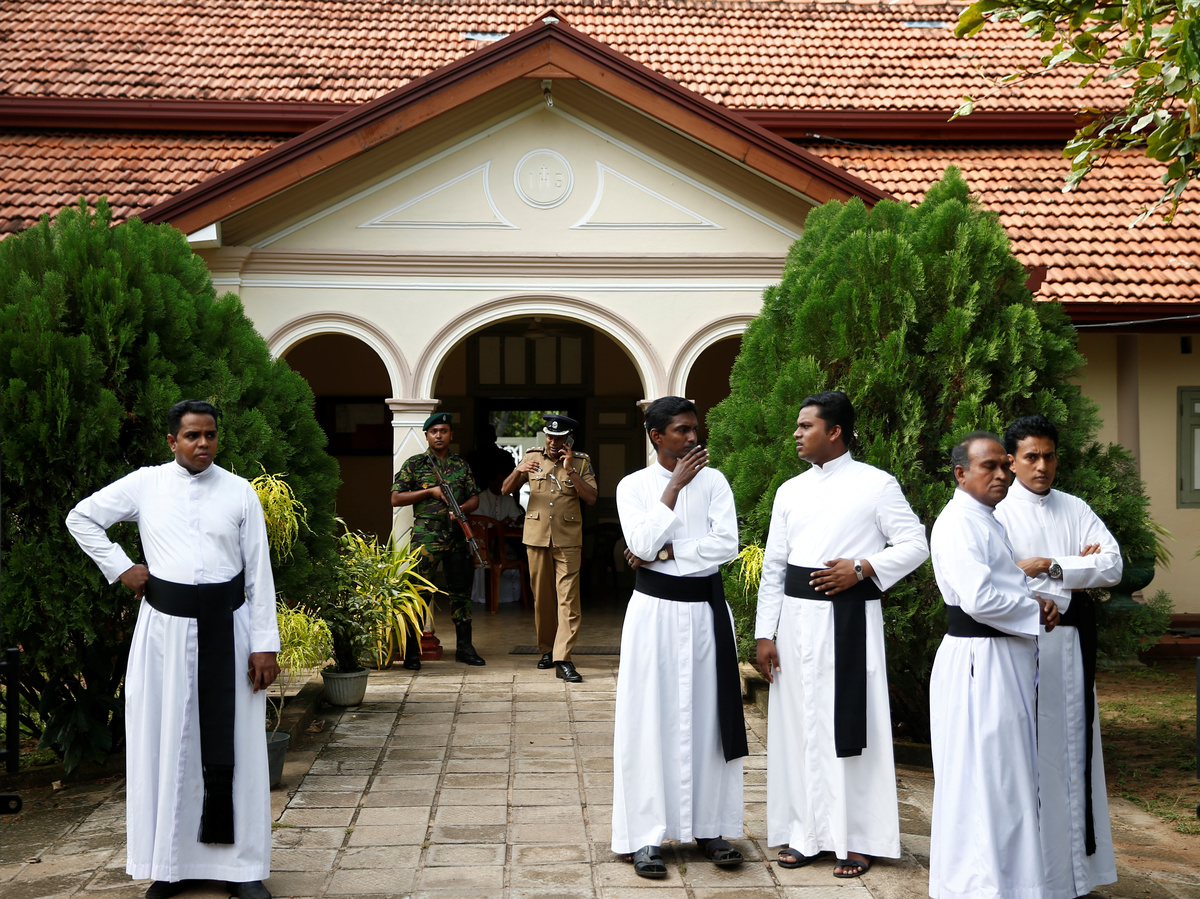
Priests and security personnel are seen at the fringe of a mass near St Sebastian Church, two days after a string of suicide bomb attacks on churches and luxury hotels across the island on Easter Sunday, during a memorial service in Negombo, Sri Lanka April 23, 2019. REUTERS/Thomas Peter
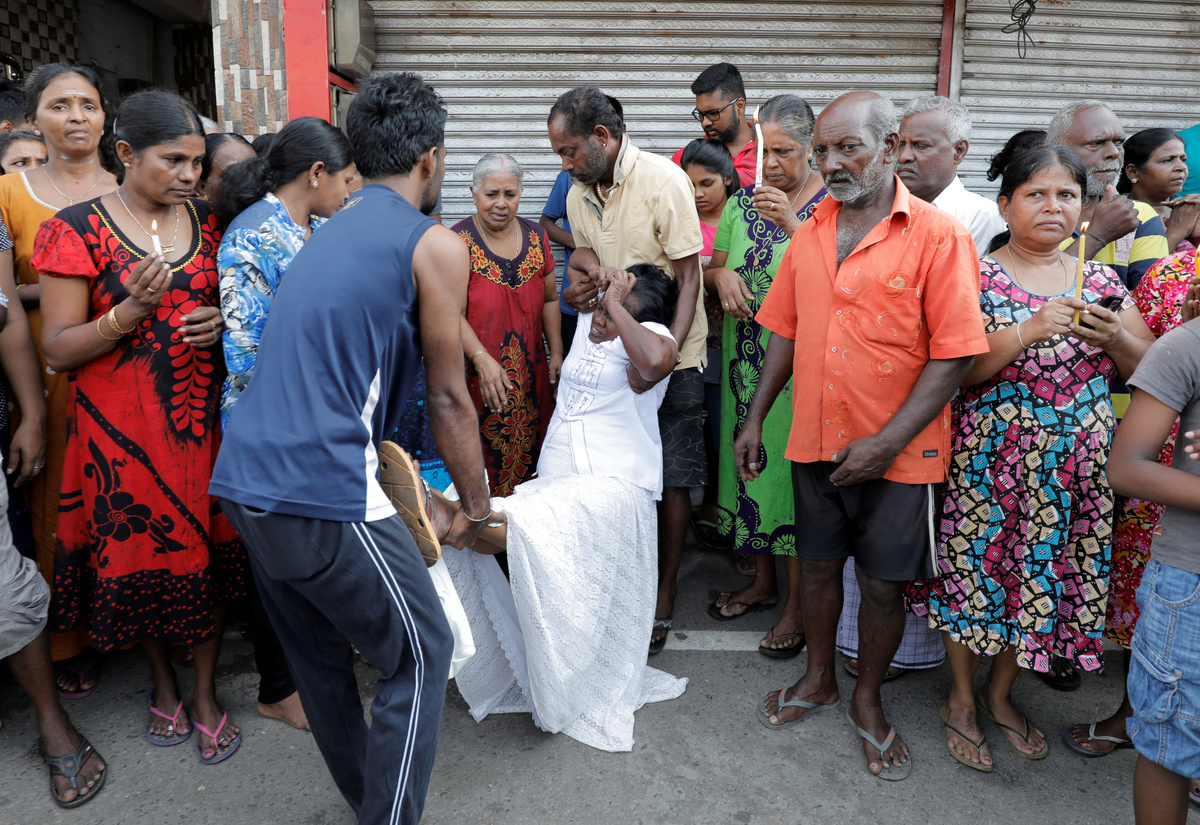
A woman is helped after she collapsed as silence is observed as a tribute to victims two days after a string of suicide bomb attacks on churches and luxury hotels across the island on Easter Sunday, during a memorial service in Colombo, Sri Lanka April 23, 2019. REUTERS/Dinuka Liyanawatte
People react as silence is observed as a tribute to victims two days after a string of suicide bomb attacks on churches and luxury hotels across the island on Easter Sunday, during a memorial service in Colombo, Sri Lanka April 23, 2019. REUTERS/Dinuka Liyanawatte
Priests and nuns are seen at the fringe of a mass near St Sebastian Church, two days after a string of suicide bomb attacks on churches and luxury hotels across the island on Easter Sunday, during a memorial service in Negombo, Sri Lanka April 23, 2019. REUTERS/Thomas Peter
Sign up to read this article
Read news from 100's of titles, curated specifically for you.
Already a member? Sign in here
Related Stories
Top stories on inkl right now
One subscription that gives you access to news from hundreds of sites
Already a member? Sign in here
Our Picks
Fourteen days free
Download the app
One app. One membership.
100+ trusted global sources.