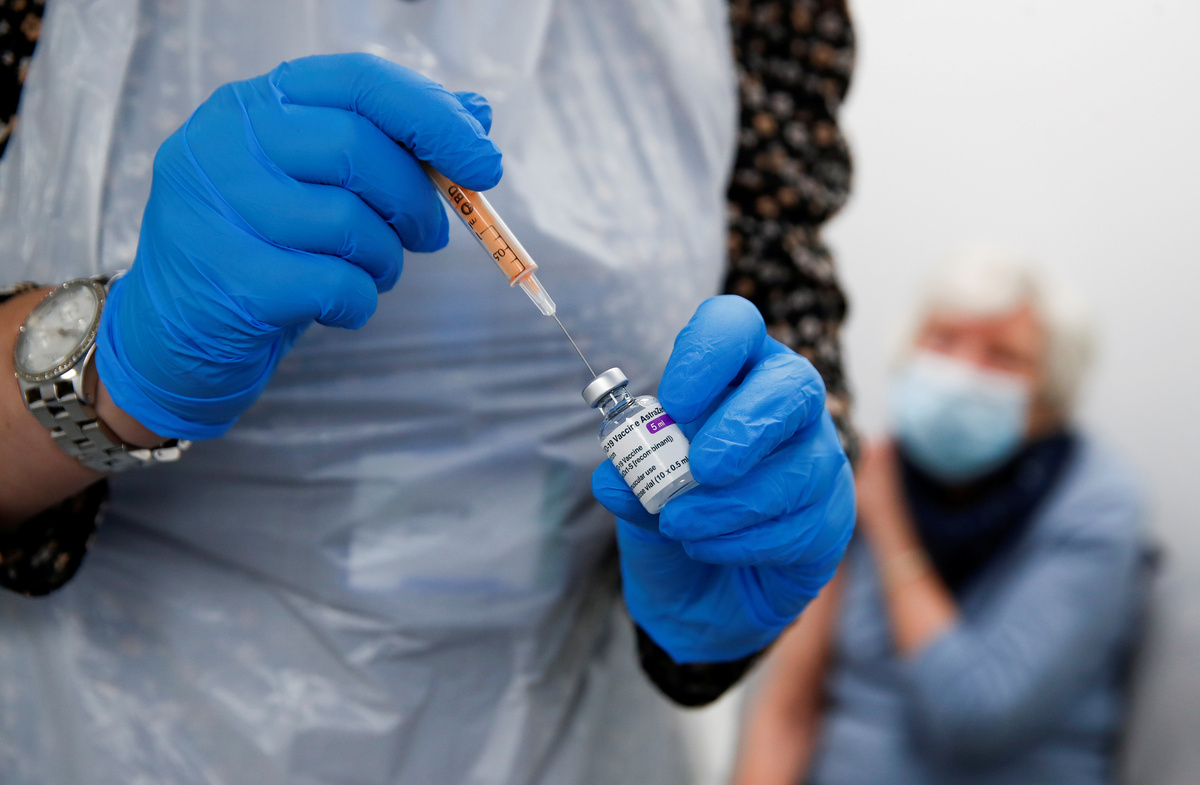
Human trials of a coronavirus vaccine combining Russia's Sputnik V shot with that developed by Britain's AstraZeneca and Oxford University are expected to start in early February, the chairman of Russian drugmaker R-Pharm told Reuters.
AstraZeneca first announced plans to explore the possibility of working with Russian scientists on a combined vaccine in December, interpreted by Moscow as a vote of confidence in its vaccine.
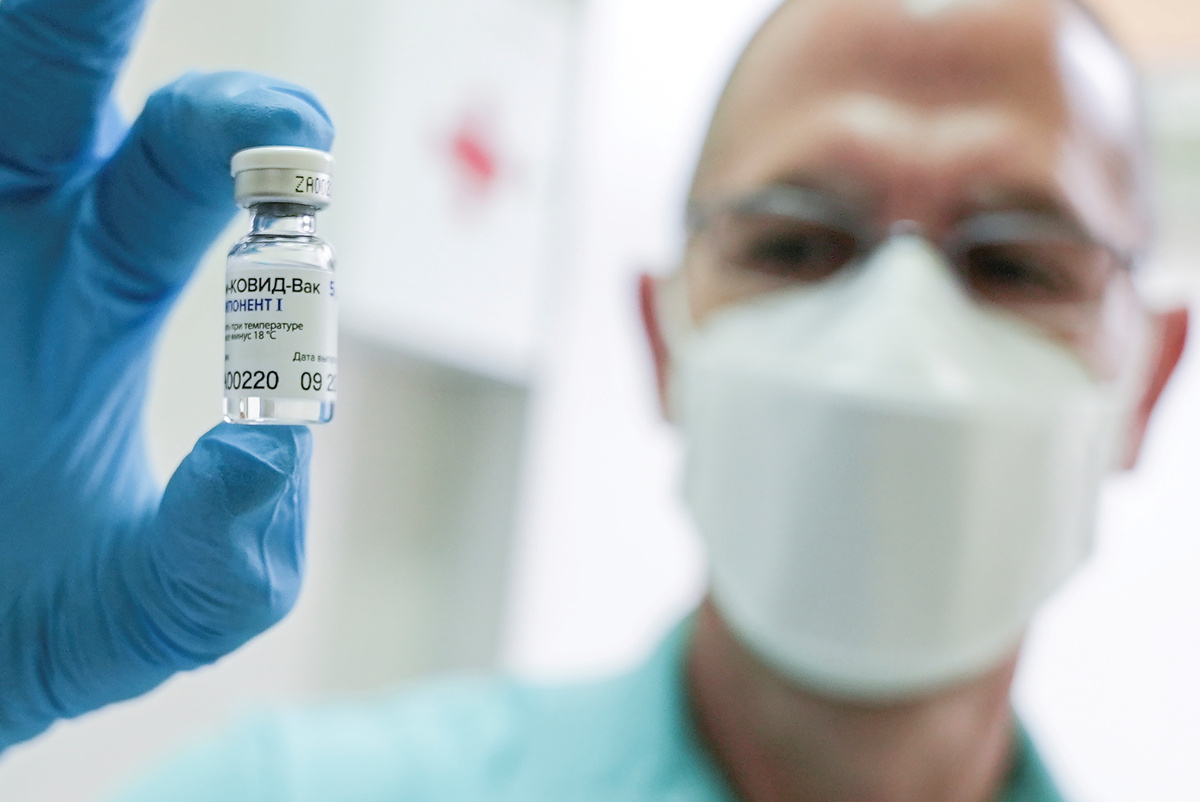
There have been few details on where and how the trials will be run, but R-Pharm Chairman Alexei Repik, whose company will produce both Sputnik V and AstraZeneca shots, said human trials of a combined vaccine are expected to begin early next month.
The trials will take place in Azerbaijan, Argentina, Saudi Arabia, the UAE, Belarus, Russia and elsewhere, he said.
AstraZeneca did not respond immediately to a Reuters request for comment.
A source close to Sputnik developer Gamaleya Institute also said the trial's first inoculations will be in early February, adding that Ukraine will be among the countries taking part.
Kirill Dmitriev, head of the Russian the sovereign wealth fund responsible for marketing Sputnik V abroad, has previously said that combining the two vaccines would boost the efficacy of the AstraZeneca shot.
Its average efficacy rate was 70.4% in interim late-stage data, compared with more than 91.4% in trials of Sputnik V, which prompted Russian vaccine developers to suggest an attempt to combine the two.
Both vaccines employ two doses, an initial shot and a booster, and are based on a similar scientific approach using common cold viruses as vectors.
Mixing or switching between COVID-19 vaccines is largely driven by the aim of vaccinating as many people as possible as the pandemic rages on.
ClinicalTrials.Gov ClinicalTrials.Govct2/show/record/NCT04684446?term=AZD1222&draw=2, a database of clinical studies conducted around the world, gives an estimated study start date of March 16 and primary completion date of Nov. 16.
There will be an estimated 100 participants in Phase 1-2 of the trials. They will first receive the AstraZeneca vaccine and then the Sputnik V shot 29 days later.
(Reporting by Polina Nikolskaya; Writing by Polina Ivanova; Editing by David Goodman)