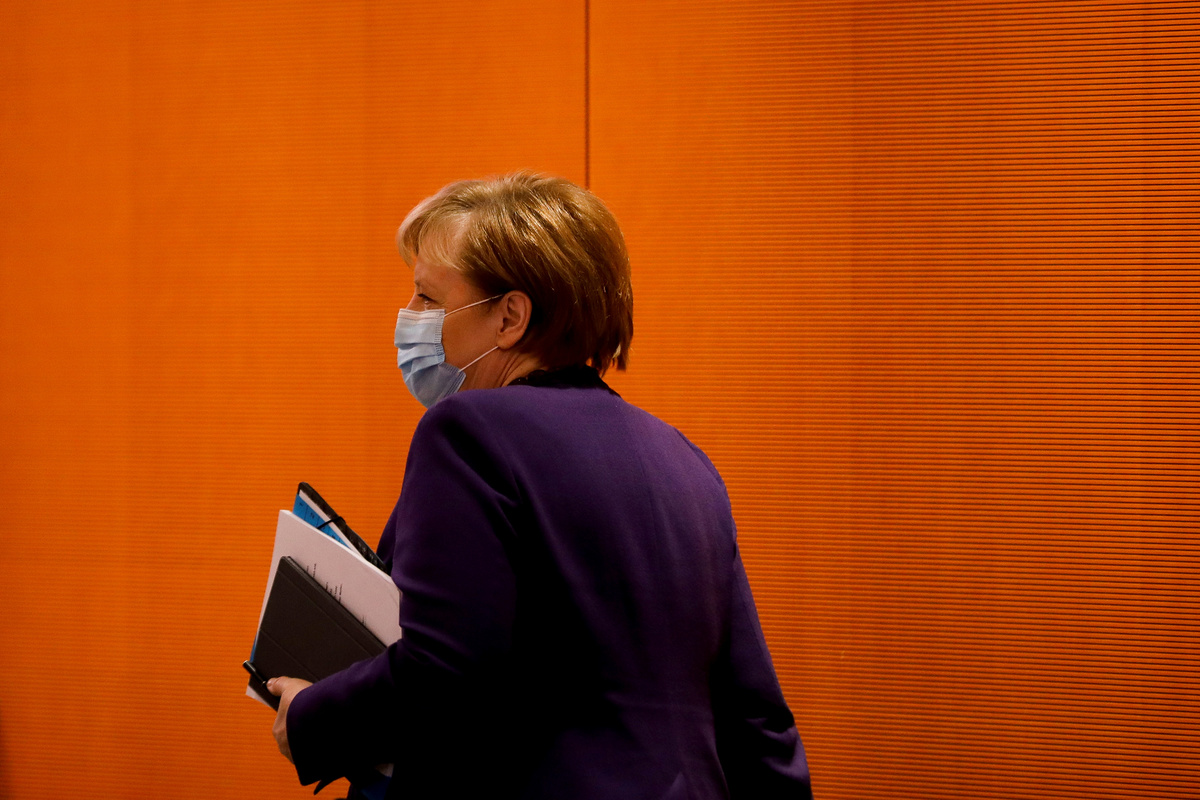
Germany will extend restrictive measures designed to stem a tide of new COVID-19 infections until Jan. 10, Chancellor Angela Merkel said on Wednesday after talks with German state leaders.
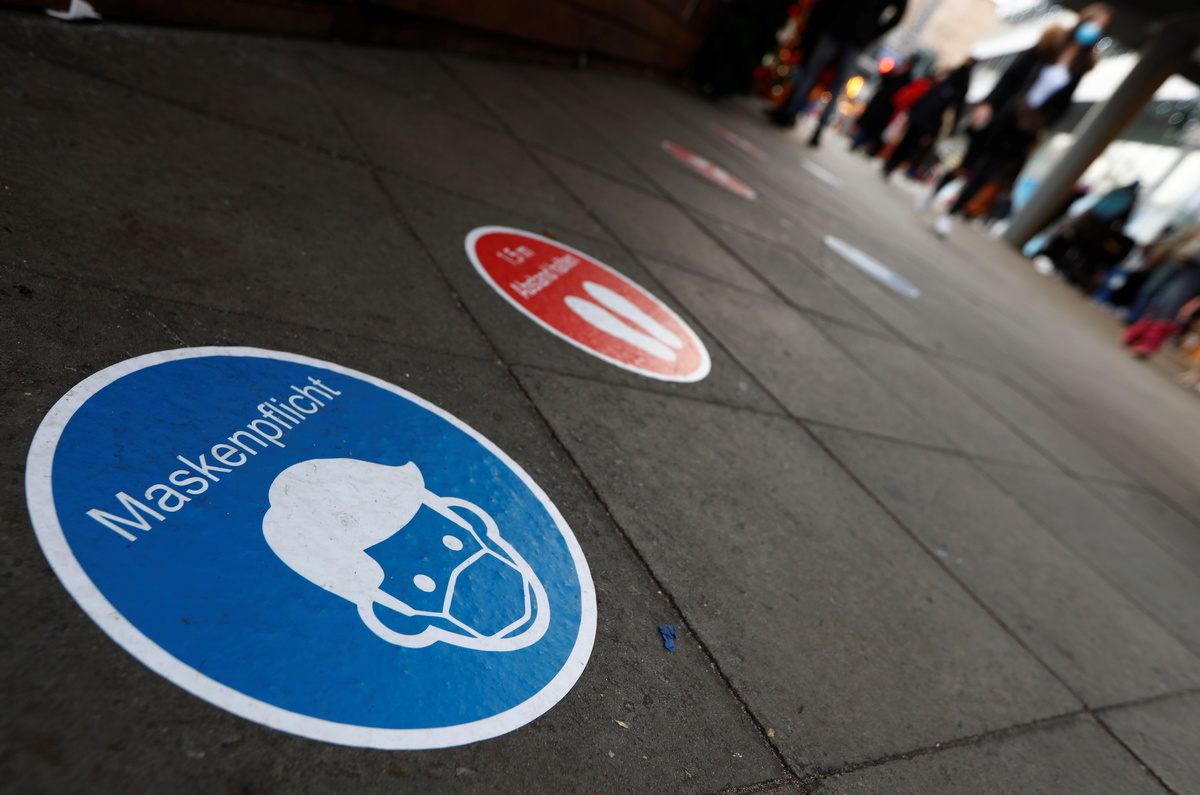
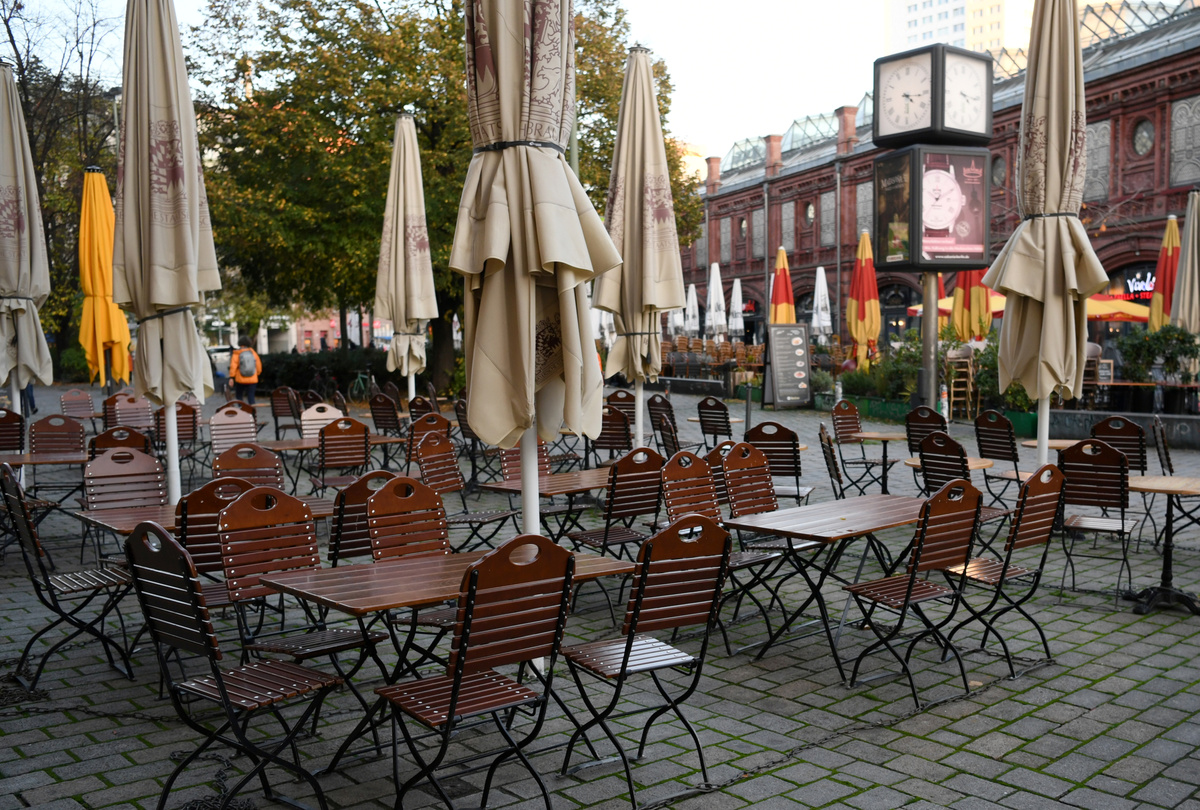
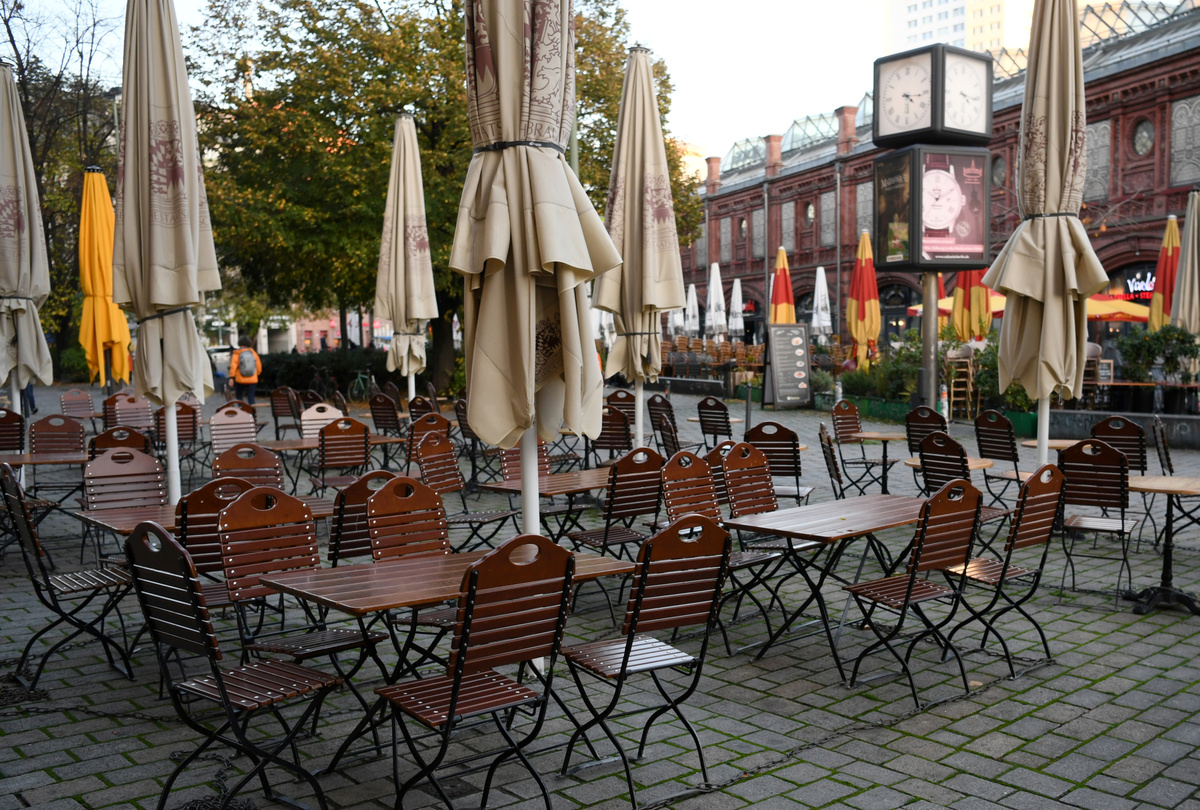
The measures, which had been due to expire on Dec. 20, include keeping restaurants and hotels shut and limiting private gatherings to five people from two households.
"The states will extend their measures from December 20 until January 10," Merkel told a news conference, adding that another round of consultations would be held on Jan. 4. "In principle things will remain as they are."
While the daily rise in infection numbers has started to fall, Germany reported its highest single-day death toll on Wednesday since the start of the pandemic, and regions that had been spared the worst are seeing case numbers surge.
More than 17,000 new cases were reported overnight, and 487 deaths - a new daily record.
Markus Soeder, leader of the southern state of Bavaria, said the high number of deaths justified keeping restrictions in place until January.
"Over the next few weeks we will also be considering whether all this is enough," said Soeder.
In the past, Germany's many regional and central government bodies have been at odds over how strictly to impose lockdown, since cases were concentrated in the south and west of the country.
While Merkel has always been in favour of stricter lockdowns, many of the regional premiers who have the final say in Germany's federal system were opposed. This is beginning to change.
Other than a few, mainly northern areas, the entire country is well above the rate of 50 new infections per 100,000 population per week that the government says is the fastest the virus can spread without overwhelming track and trace systems.
Restrictions on gatherings will be eased slightly over Christmas to allow families to meet.
(Writing by Thomas Escritt and Joseph Nasr; Editing by Alison Williams and Gareth Jones)