The scandals over worker treatment have abated for now, so the focus is back on the performance of Sports Direct’s business. Oh dear.
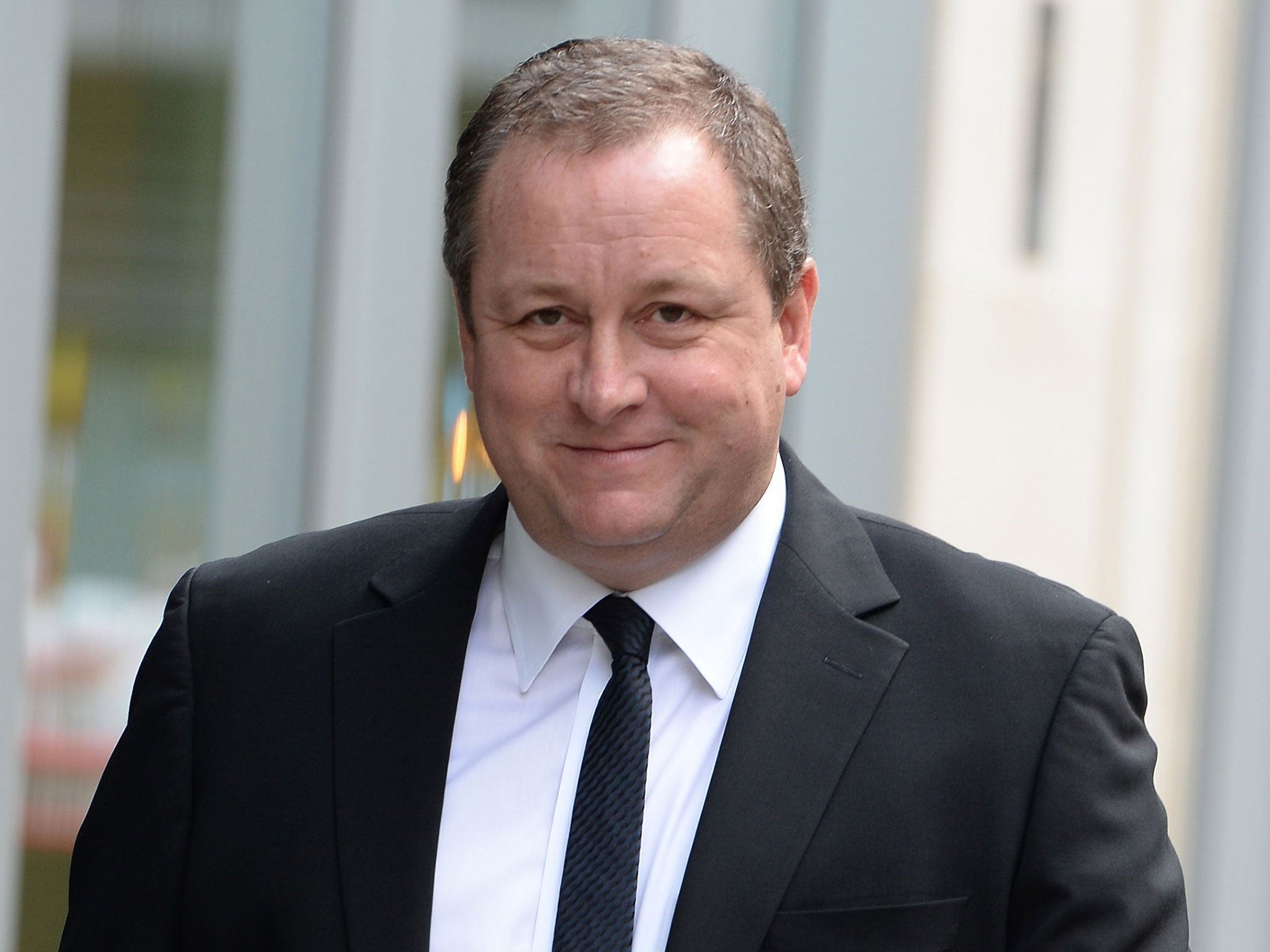
The 'Selfridges of Sport' today reported a 72.5 per cent slump in profits for the year ending April 29 as its founder and boss Mike Ashley’s eccentric habit of buying up bits of other retailers - he has a bit of a thing for department stores - came back to bite his investors.
Sports Direct is the biggest shareholder in Debenhams with nearly 30 per cent. It’s also an investor in House of Fraser.
They’re two department store chains that Selfridges bosses must look at and think 'phew, thank goodness we’re not them'.
The former has been a dog. Its collapsing share price wasn’t the sole reason for Sports Direct's profits slump, and last year’s numbers were flattered by the sale of the Dunlop brand. But it played a big role.
House of Fraser, meanwhile, is undergoing a painful restructuring that will see thousands of jobs going. As a business it’s also going 'woof'.
Sports Direct's little loved chairman Keith Hellawell sought to defend the company's portfolio of retail stakes as “innovative strategic partnerships” that will “help to differentiate our offering”.
Right now they aren't doing that in a good way.
The company is a sports retailer with a retail special situations fund tacked on. The latter part is dragging the former part down.
I’ve mocked Mr Ashley’s “Selfridges of Sport” concept in the past because it’s a bit silly and suggests Sports Direct is suffering from an inferiority complex. Why not simply talk about how you’re elevating Sports Direct and be proud of the brand you’ve created rather than piggy backing on someone else’s?
But moving the business up market seems to be working. Lee Wild, head of equity strategy at Interactive Investor, said the concept was doing “better than expected”. Other analysts have said similar things.
The firm’s UK and European retail estate overall had a difficult year, reporting falls of 2 and 0.1 per cent in revenues respectively. But underlying profits before tax were strongly ahead (up by more than a third) and the group continues to expand at a rapid pace in the rest of the world.
It may pain some to admit it, but Mr Ashley is actually a very good retailer, and the core Sports Direct is a very good business that’s holding its own in an extremely difficult retail climate.
Trouble is, Mr Ashley is also exceptionally good at cutting off his nose to spite his face, and those retail investments that “differentiate” Sports Direct are doing that to the company.
“A big slump in annual profit at Sports Direct suggests the business should stick to its core skills,” said broker AJ Bell. I expect Mr Ashley and his team regularly hear variations on that theme because it makes an awful lot of sense. Just imagine what it could be if it did.
I wouldn’t bank on Mr Ashley listening, however.