New Labour’s 2001 headline grabbing election target of 50% participation in higher education has led to a huge influx of student numbers over the last 15 years. Add to this the introduction of higher tuition fees and the lifting of the cap this year and we now see unprecedented levels of confidence about future income streams. Universities, more than ever, are investing in capital projects to improve the student experience and compete with rival institutions.
But as universities augment their estates and strive for higher quality campuses there is a real danger they become “ivory tower” institutions - academic ghettos divorced and unconnected from the towns and cities around them. A desire to soften the boundaries between town and gown is an ambition held by most universities and many have concluded that improving their sports facilities and widening access offers an effective way of making positive connections with local communities.
So what can we learn from this trend and how can the power of sport be harnessed to benefit academic recruitment, enhance student lifestyles, improve health and fitness and most importantly engender community engagement?
Moving up the league
All institutions are acutely aware of their standings in the academic league tables and they continuously benchmark their own position relative to their peers in a bid to improve their position. British Universities and Colleges Sport (Bucs) is a closely scrutinised table, and many recognise the wider benefit that can be achieved from breaking into a top 10 position. Often a desire to climb up the sports league table can drive universities to focus on so called ‘performance sport’ with an emphasis on specialist facilities, coaching, athletic development and sports science support.
But this drive towards elite performance can also alienate the wider community of staff and students whose focus is more towards fitness and leisure participation. Here the emphasis is on the quality of experience, health and wellbeing and employability. These can be vitally important to help attract students away from rival institutions who may have similar Ucas points criteria.
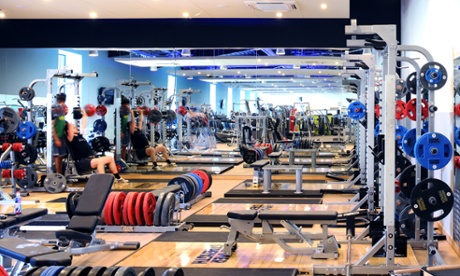
Some, such as the University of Surrey, have addressed this tension between elite performance and wider participation by creating a subtle segregation but still retaining flexibility of use. For example, a dedicated “strength and conditioning” suite for elite sports helps separate the so called “grunters and groaners” from the main fitness suite to encourage greater engagement from the wider academic and local communities.
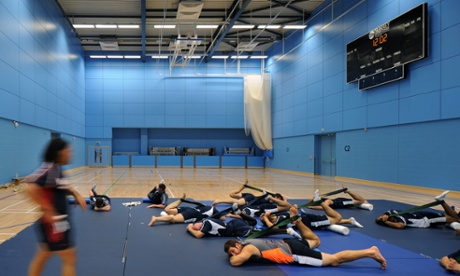
Similarly, the trend towards larger sports halls, typically eight or 12 badminton courts in size, enables wider casual participation to take place whilst still safeguarding space for elite training and competition.
Celebrating sporting legacies
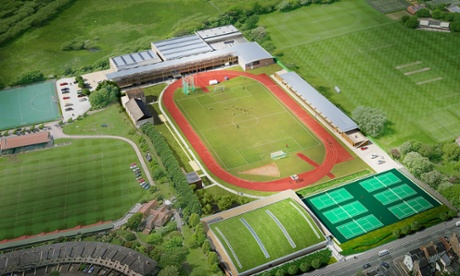
The University of Oxford is currently undertaking a major redevelopment of its Iffley Road sports complex, the venue for Roger Bannister’s record breaking sub four minute mile in 1954. The university’s ambitious plans include an expansion of the sports centre, addition of a grandstand and tennis centre and improved access to the athletics track. However, located so close to a city centre world heritage site, this level of development presented a significant challenge. By celebrating and promoting the site’s sporting legacy and improving access for the local community the university has been able to secure approval for its long term vision.
Embracing the community
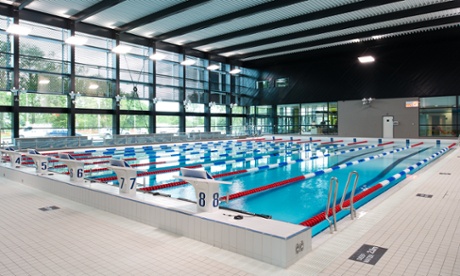
Lancaster University has also taken bold steps to embrace the wider community in the development of its newly completed sports centre. A prominent site alongside the main entrance to the university was chosen for its new facilities for several reasons. Firstly, it sends a strong message to the academic community that a positive engagement with sports, health and wellbeing is an important part of the lifestyle offering at the university. Secondly, this improved accessibility further strengthens the positive links between the university and the City of Lancaster. In fact the university has invested in features such as a floating floor in the swimming pool to enable a much greater range of education and leisure activities to take place. Since completion the uptake from the academic and wider community has soared.
Taking the plunge
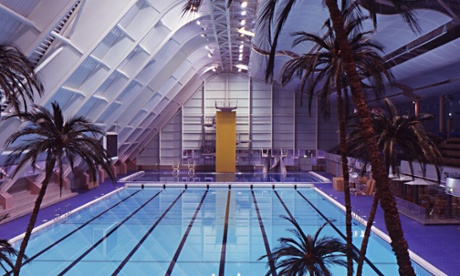
With the capital investment and operating costs of aquatics facilities being very high some local authorities and universities have joined forces to share the development and running costs. For example the newly completed Aberdeen Aquatics Centre is a major new addition to the Sports Village which serves both the community and university. Similarly, the Manchester Aquatics Centre, jointly commissioned by the City, the University of Manchester, UMIST and Manchester Metropolitan University to host the 2002 Commonwealth Games, now provides a superb venue serving the whole city. Some may question why the opportunity to share resources as successfully as these two examples isn’t embraced more often.
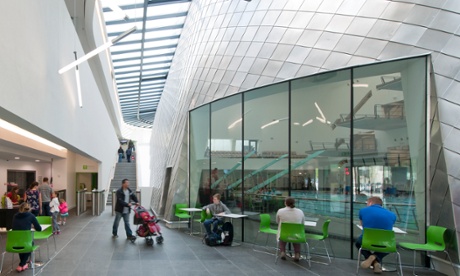
University sports clearly have a huge role to play in the wellbeing, academic standing, and quality of lifestyle at UK universities. But perhaps more importantly they also offer a fantastic opportunity to connect with the communities in which they sit to the wider benefit of all.