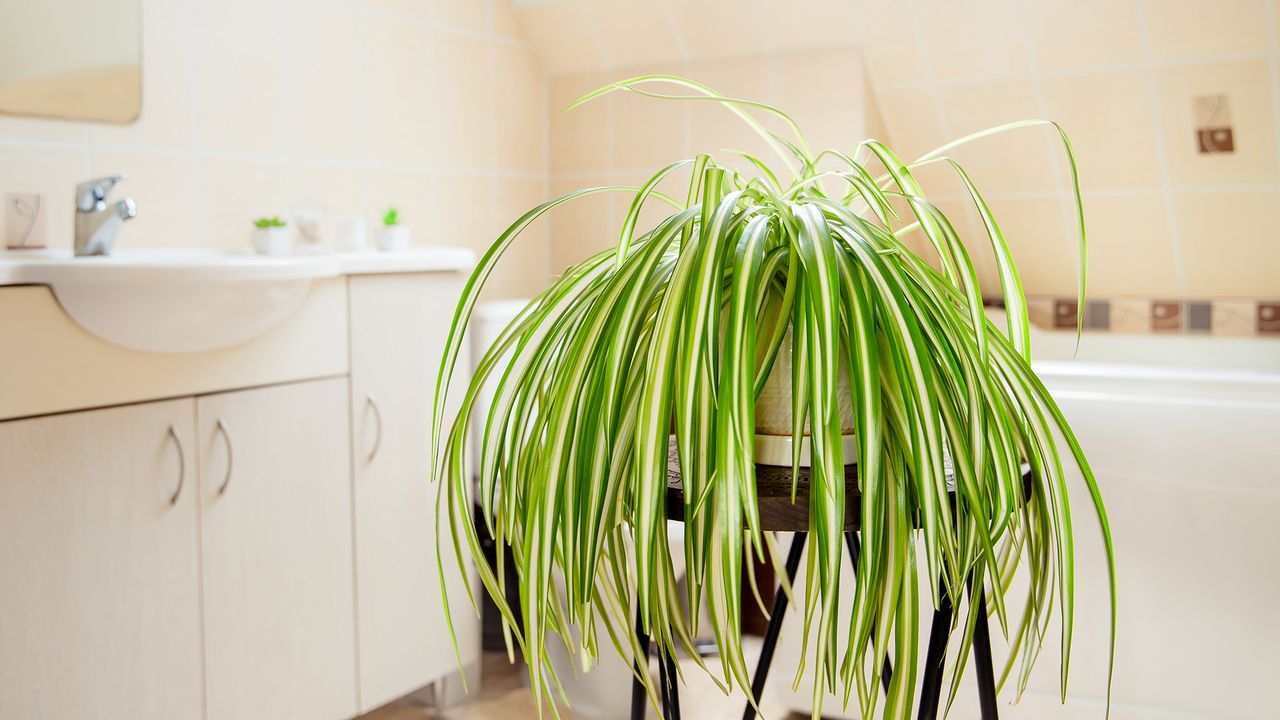
Spider plants are a favorite in many homes, largely because they are considered one of the simplest houseplants to maintain.
Known for their beautiful green-and-white striped leaves, they bring a tropical flair to any indoor space. However, it can be discouraging when those usually perky leaves suddenly lose their lift and look a little worse for wear.
If you’ve noticed your spider plant’s usually vibrant leaves starting to droop, don’t worry. Similar to dealing with brown leaves, it certainly doesn’t spell the end for your spider plant.
Luckily, this is a common issue, and you can easily revive spider plants with these simple steps to revive their healthy foliage. So, before you give up on your beloved plant, here are the top reasons for its drooping leaves, and quick tips to bring it back to life.
1. Overwatering or underwatering
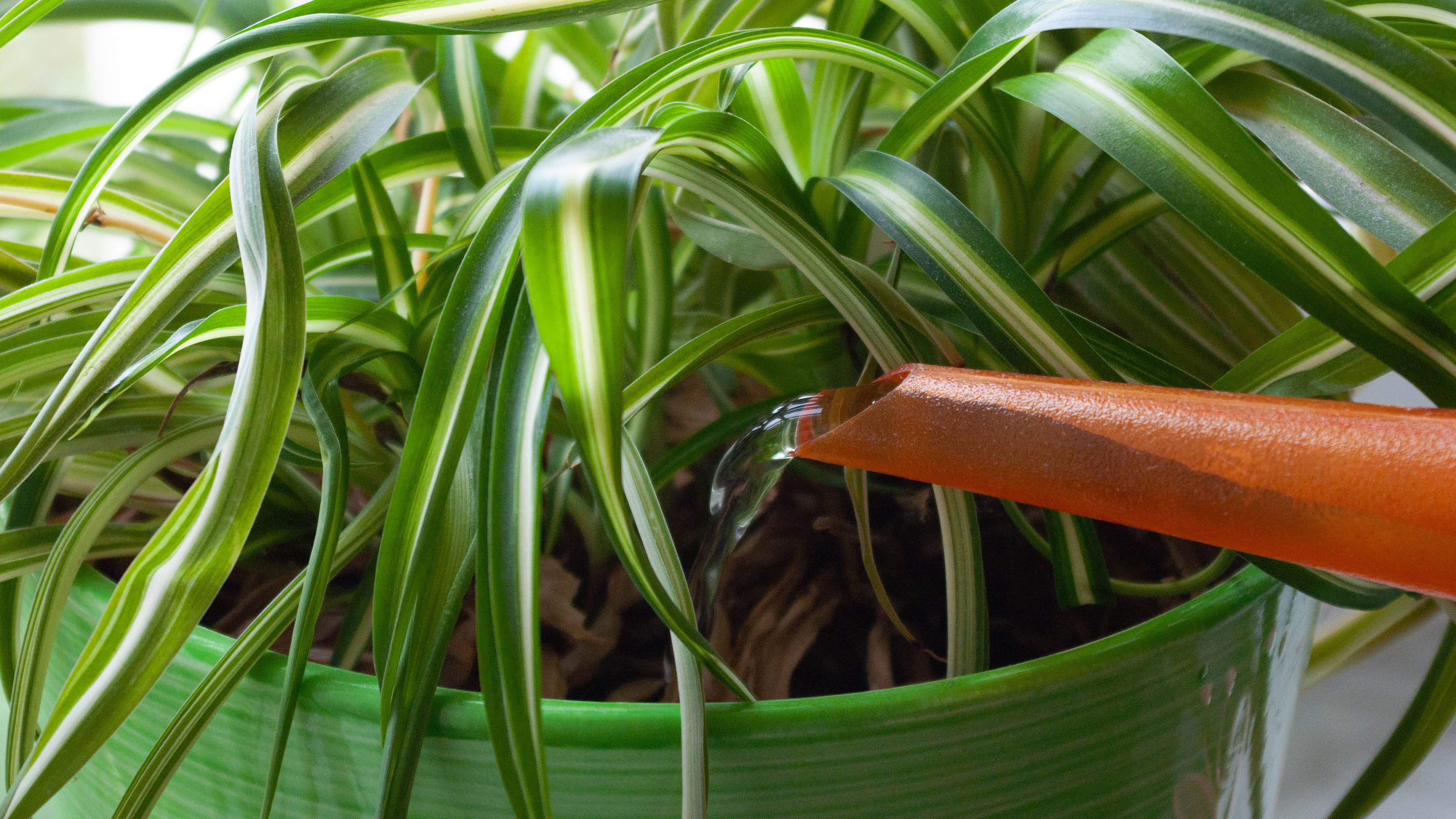
One cause for drooping leaves is improper watering — either too much or too little. Spider plants in particular need adequate water, especially during the warmer months, to prevent them from drying out.
The general rule of thumb is to give your spider plant a thorough watering once a week, and only when the top 1-2 inches of the soil are dry. Be sure to adjust your watering routine if you live in a warmer climate or are experiencing a heatwave. Spider plants are known to be ‘thirsty’ houseplants, so you’ll need to top up when necessary.
Similarly, overwatering can literally drown the roots and can cause problems with yellowing or wilting leaves. You want to avoid soggy roots for long periods, so never allow plants to stay in standing water, such as in saucers or decorative pots.
Be sure to empty the saucers after watering to prevent root rot, and this should promote healthy growth. With proper watering, your leaves will start to thrive again. .
2. Wrong lighting (and temperature)
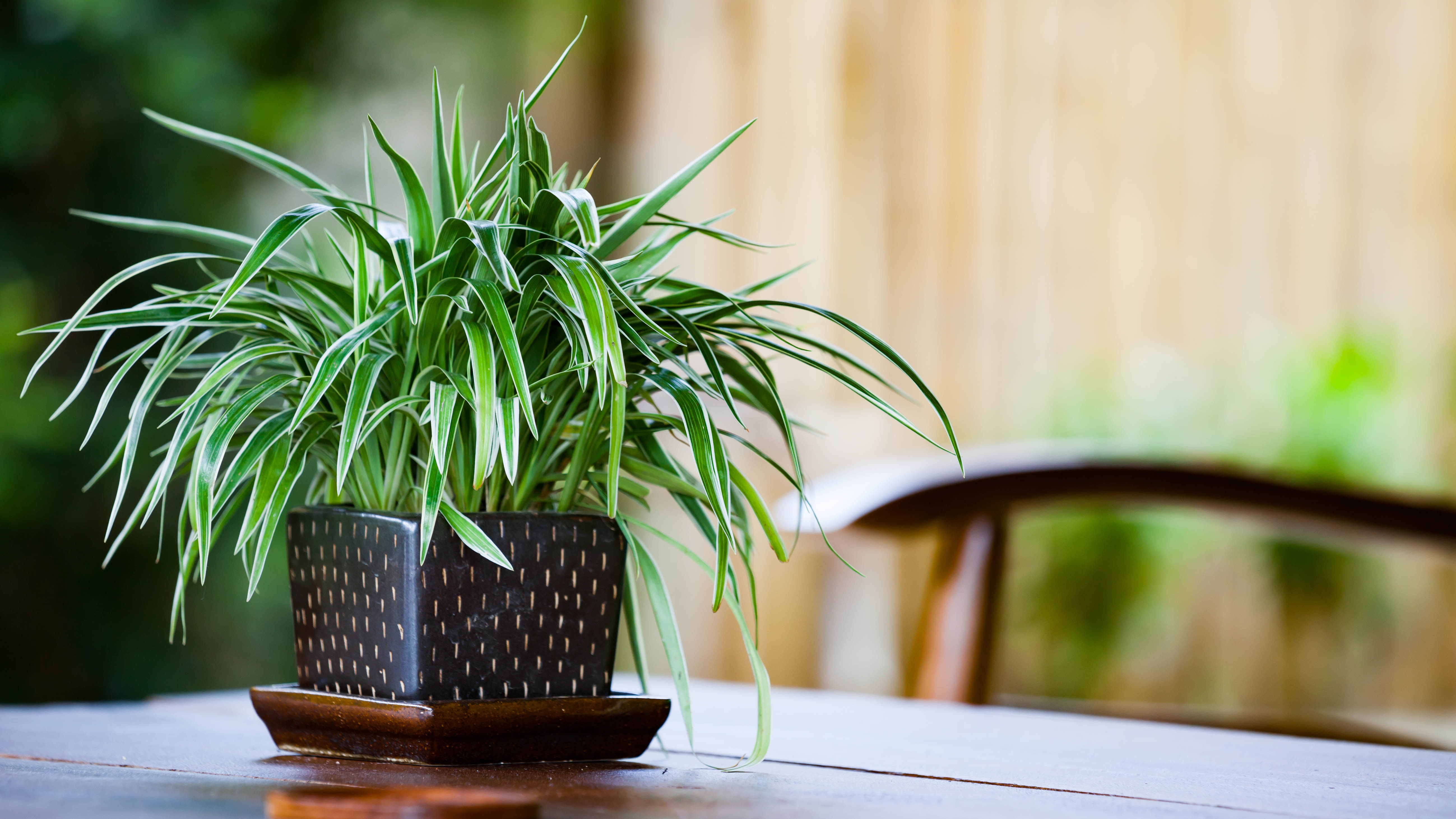
Whether it is positioned on a kitchen windowsill, in direct light, or in a darker area, you may be unintentionally causing your spider plant leaves to droop by putting your spider plant in the wrong place.
While spider plants thrive in bright, indirect sunlight, too much sunlight can cause their leaves to sag. You’ll need to find that happy medium and ideally maintain the temperature between 65-75°F (18-24°C) for best results.
For optimal growth, ideal locations include near a south-facing window or an outdoor area that receives less than six hours of sun daily. If you’re dealing with inconsistent temperatures, however, you’ll need to move it to a more suitable location if needed.
In addition, be sure to protect it from cold drafts (from doors or vents), which can shock the plant and cause the leaves to either wilt or brown.
3. Needs repotting
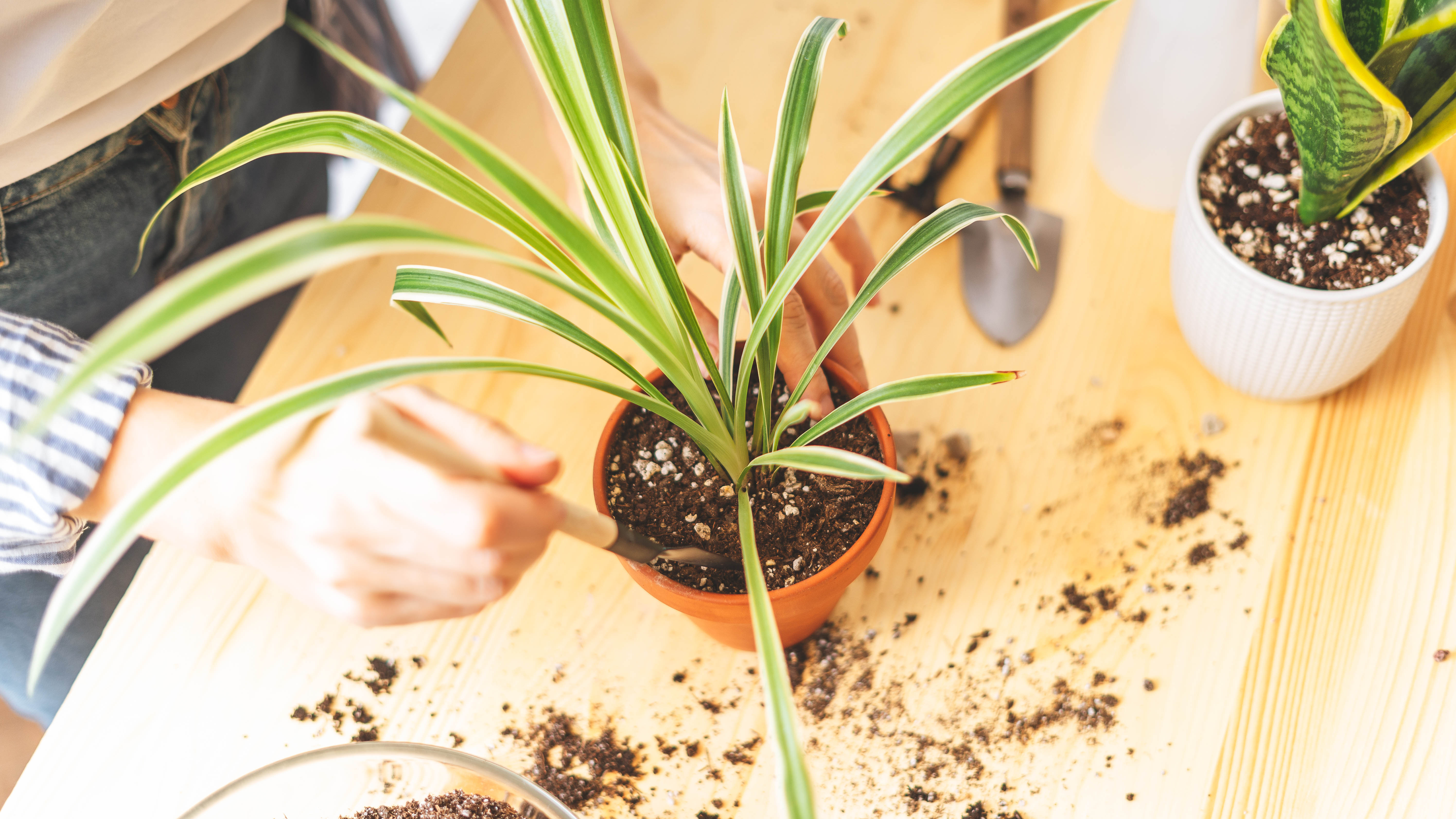
If you spot roots emerging from the drainage holes in addition to drooping leaves, it’s a sure sign that your spider plant needs a bigger pot.
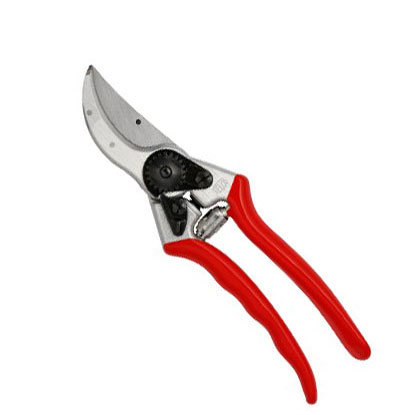
Before you transplant it to a new pot, inspect for root rot, since that is often a silent killer of most houseplants. Generally, healthy roots appear firm and white. However, if you find any mushy, brown interlopers, snip them off with one of the best pruners.
Additionally, be sure to choose a pot with adequate drainage holes, and spiders thrive in well-draining soil. Opt for a high-quality, well-aerated potting mix that can easily retain moisture without becoming waterlogged.
Once you transfer it to a new pot, water and feed it well, you should soon see your leaves start to perk up again. It’s also recommended that you repot your plant every two years or when it outgrows its existing pot.
For more top tips, check out our guide on how to care for a spider plant — tips on watering, light, and soil.
Gardening essentials we love

More from Tom's Guide
- The popular houseplant is an air-purifying hero — and it can even tackle mold spores
- Where to put a peace lily so it actually flowers — 5 ideal spots in your home
- 'The bathroom can actually provide the perfect conditions to keep an array of greenery happy and healthy' — experts share 3 varieties that will thrive