LONDON (Reuters) - Prime Minister Theresa May made an impassioned appeal to British lawmakers to support her on Wednesday after the European Union said it could only grant her request to delay Brexit for three months if parliament next week backed her plans for leaving.
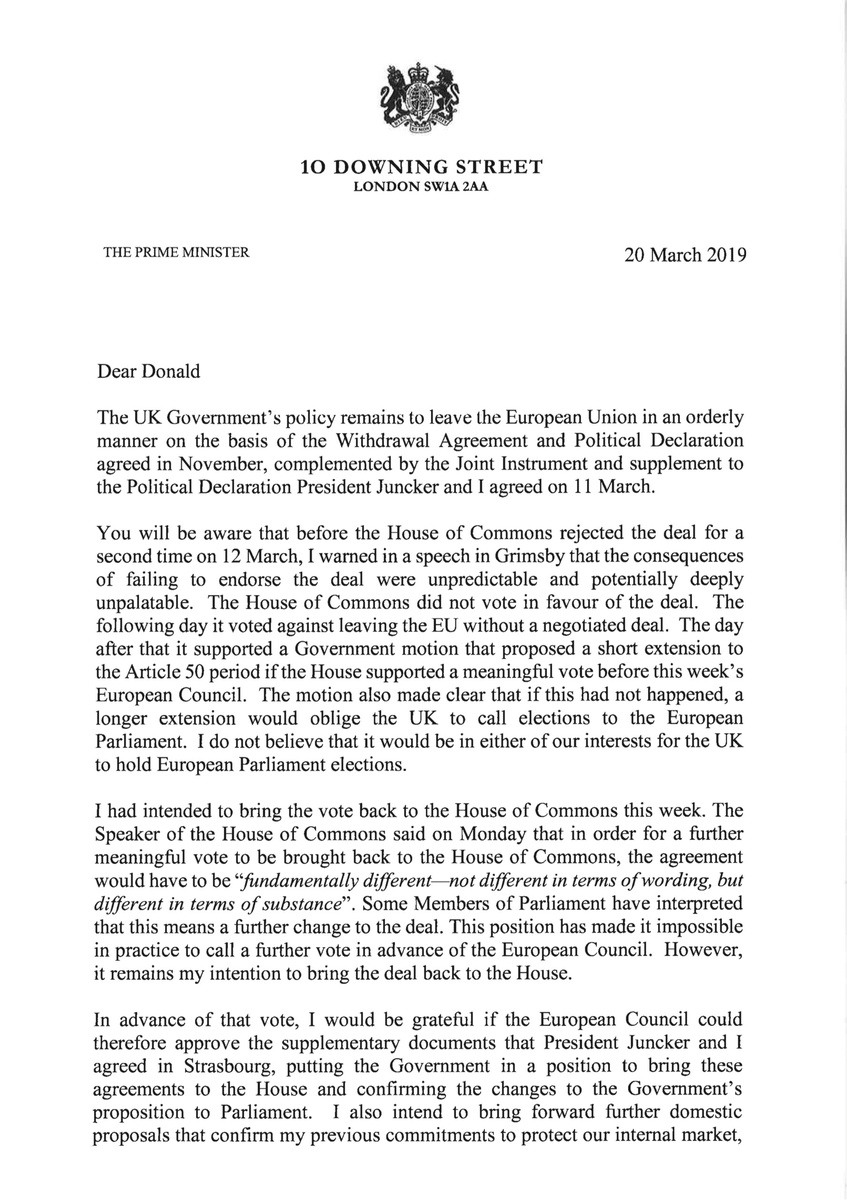
May had earlier asked the EU to let Britain delay its departure date from March 29 to June 30, a question that leaders of the remaining 27 member states will discuss at a summit on Thursday.
European Council President Donald Tusk said it would be possible to grant Britain a short postponement if parliament next week backs May's divorce agreement, which it has already voted down twice.
Should that happen, Tusk said no extraordinary EU summit would be needed next week before the current Brexit date. Otherwise, he said he might convene the leaders again.
"I believe that a short extension will be possible, but it will be conditional on a positive vote on the Withdrawal Agreement in the House of Commons," Tusk told journalists.
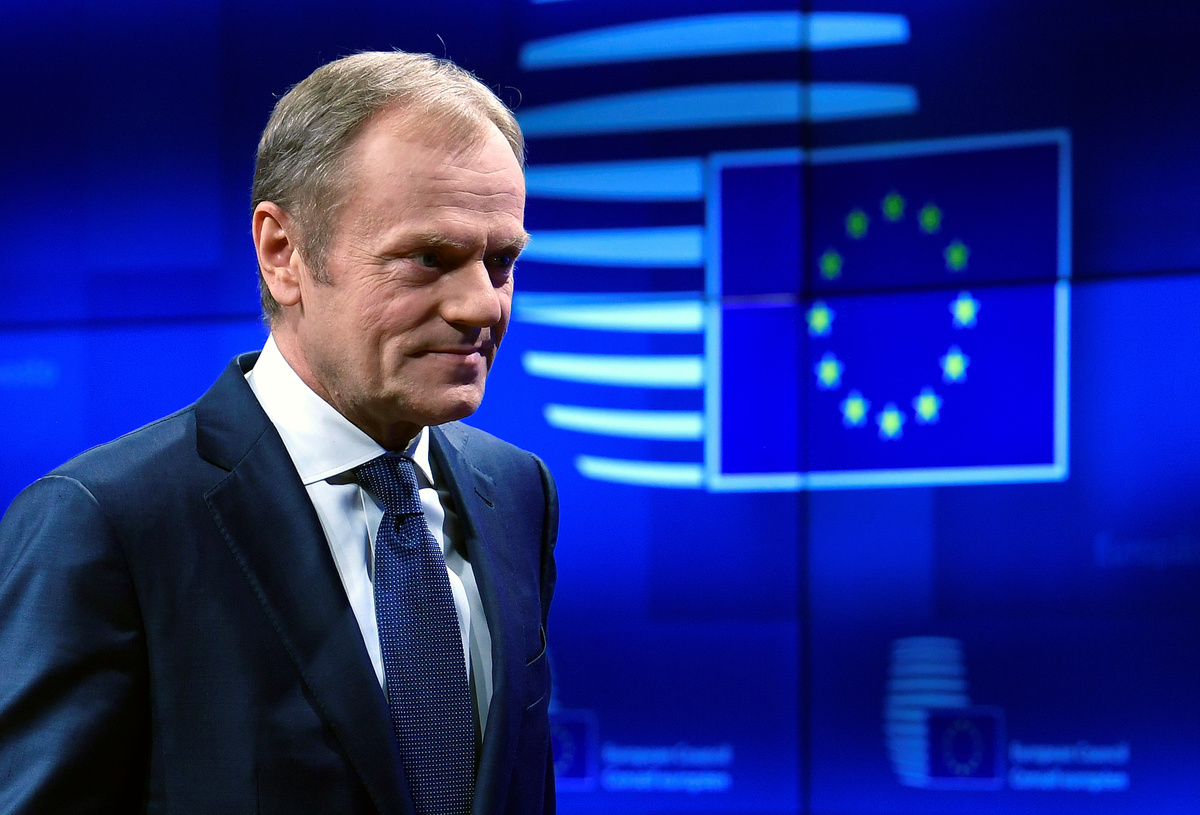
He did not comment on the possibility - which he himself has suggested - that another option such as a longer delay might be offered to avoid a painful no-deal exit if May's deal was voted down again.
May said British lawmakers had spent long enough saying what they did not want from Brexit, and that people were tired of their infighting, political games and arcane procedural rows.
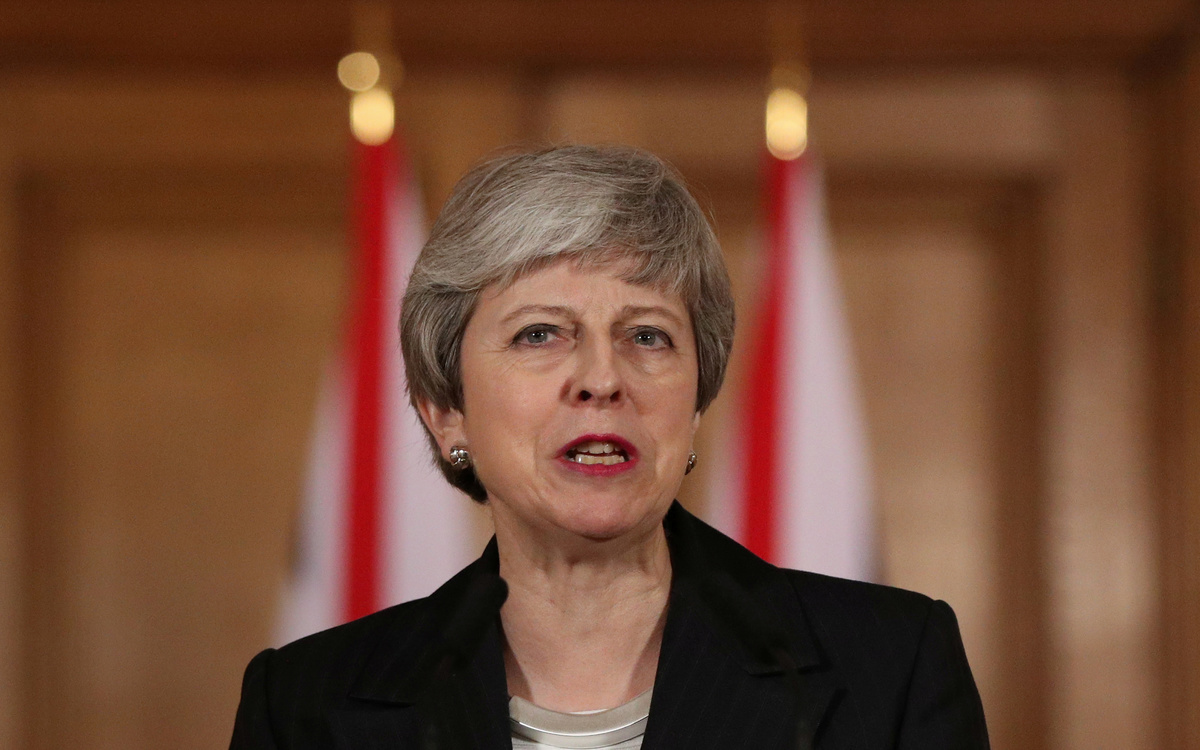
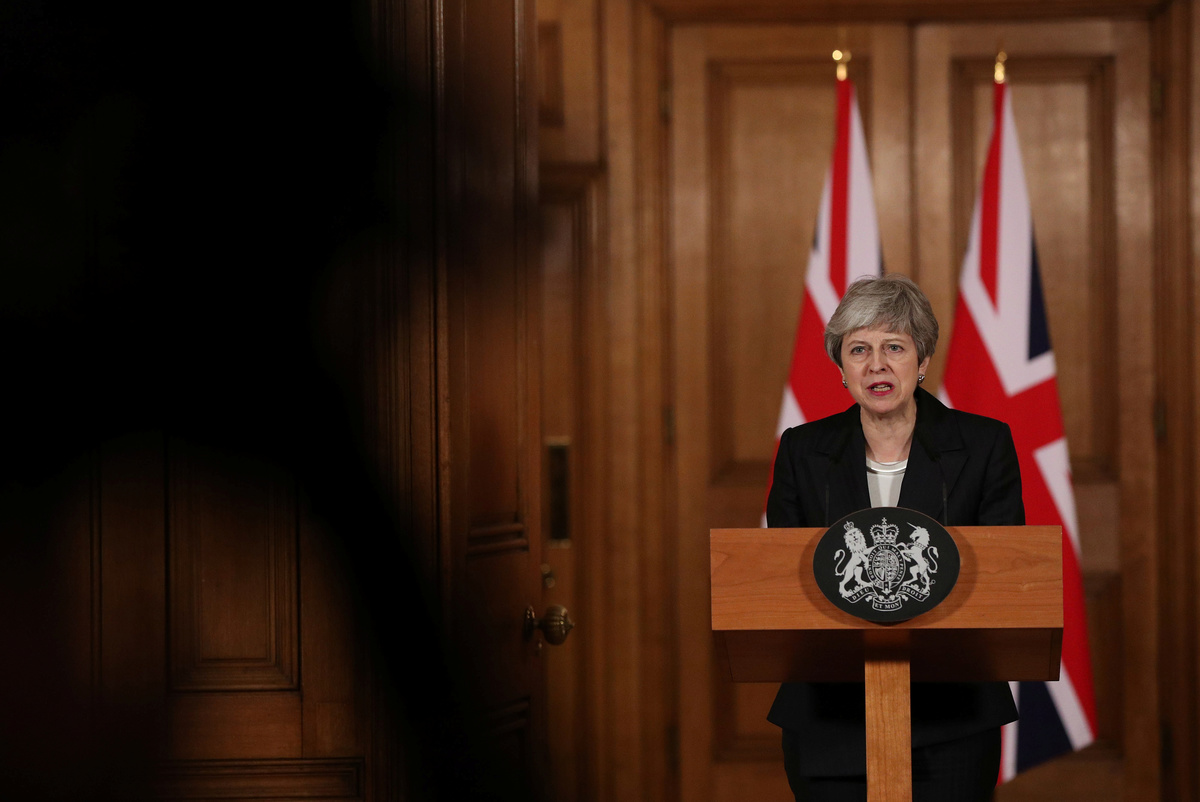
"I passionately hope MPs (lawmakers) will find a way to back the deal I have negotiated with the EU," May said in a televised address.
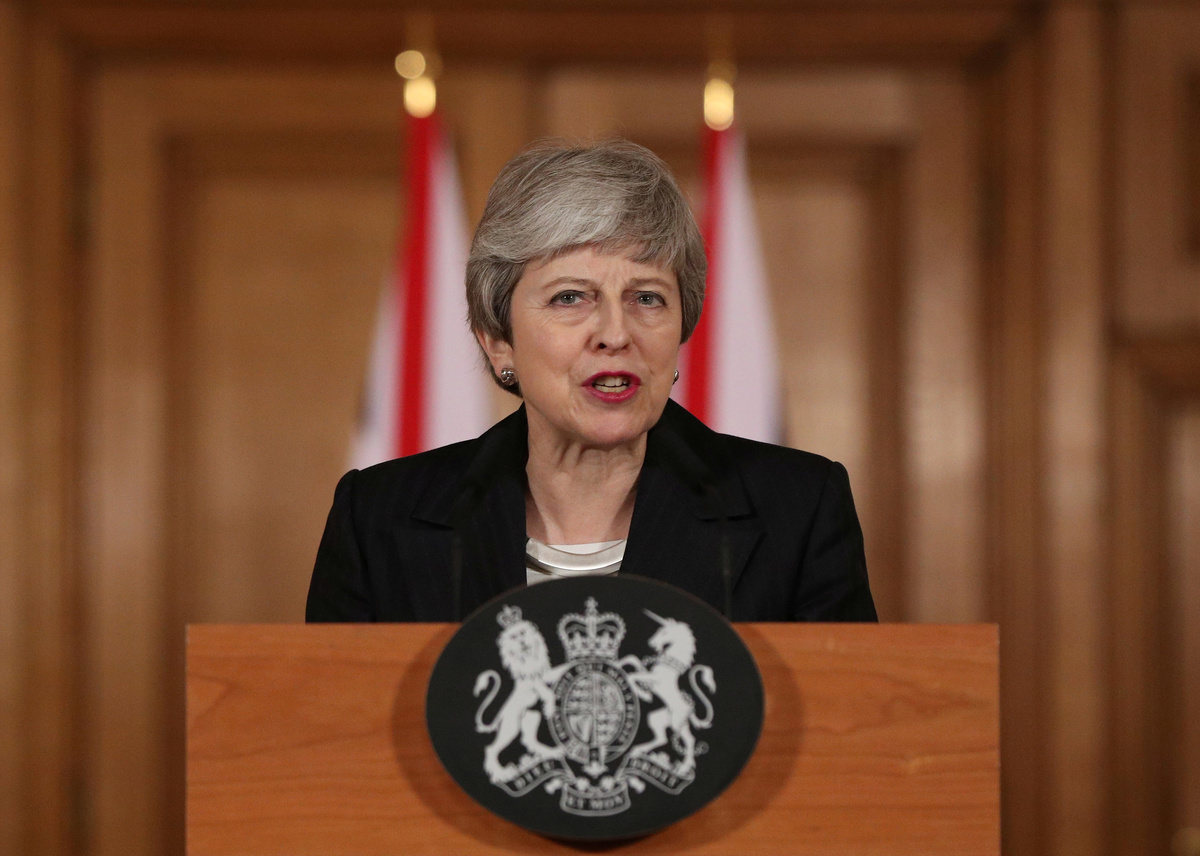
She said lawmakers had a choice: leave the EU with a deal, leave without a deal, or not leave at all.
"It is high time we made a decision," May said, telling Britons: "I am on your side."
"RATIFY OR EXIT"
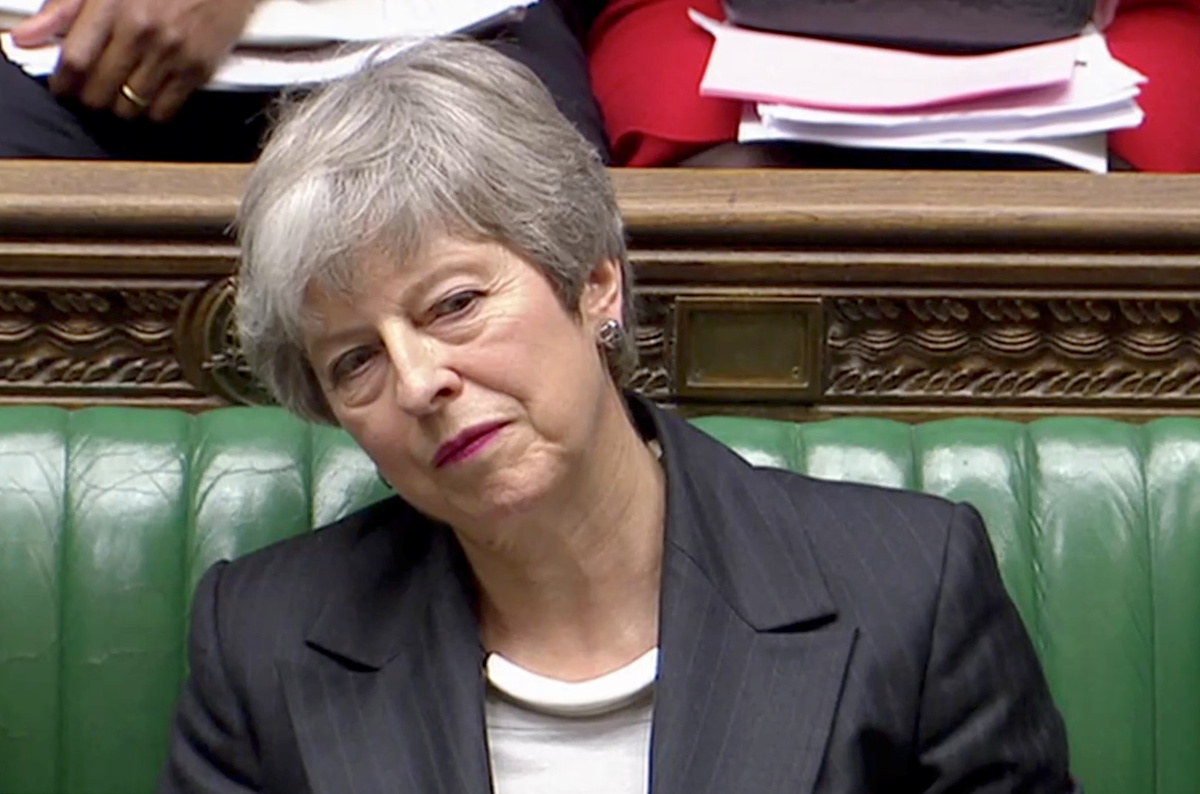
Earlier, she had told a rowdy session of parliament that she could not countenance the prospect of a long delay - which could give time for notional alternative approaches to emerge, but would infuriate Brexit supporters in her own party.
"As prime minister, I am not prepared to delay Brexit any further than the 30th of June," she said.

May did not say when the next vote on her deal would happen.
If she cannot win over enough reluctant lawmakers next week, Britain faces the choice of requesting a longer delay or leaving the EU as planned on March 29 - without a deal to cushion the economic upheaval.
Some EU states, including Germany, had given a largely positive response to May's well-flagged request.
But French Foreign Minister Jean-Yves Le Drian said May would need to make her case before EU leaders.
"Our position is to send the British a clear and simple message. As Theresa May has repeatedly said herself, there are only two options to get out of the EU: ratify the Withdrawal Agreement or exit without a deal," he told the French parliament.
May's initiative was the latest twist in more than two years of negotiations that have left British politics in chaos and her authority in tatters.
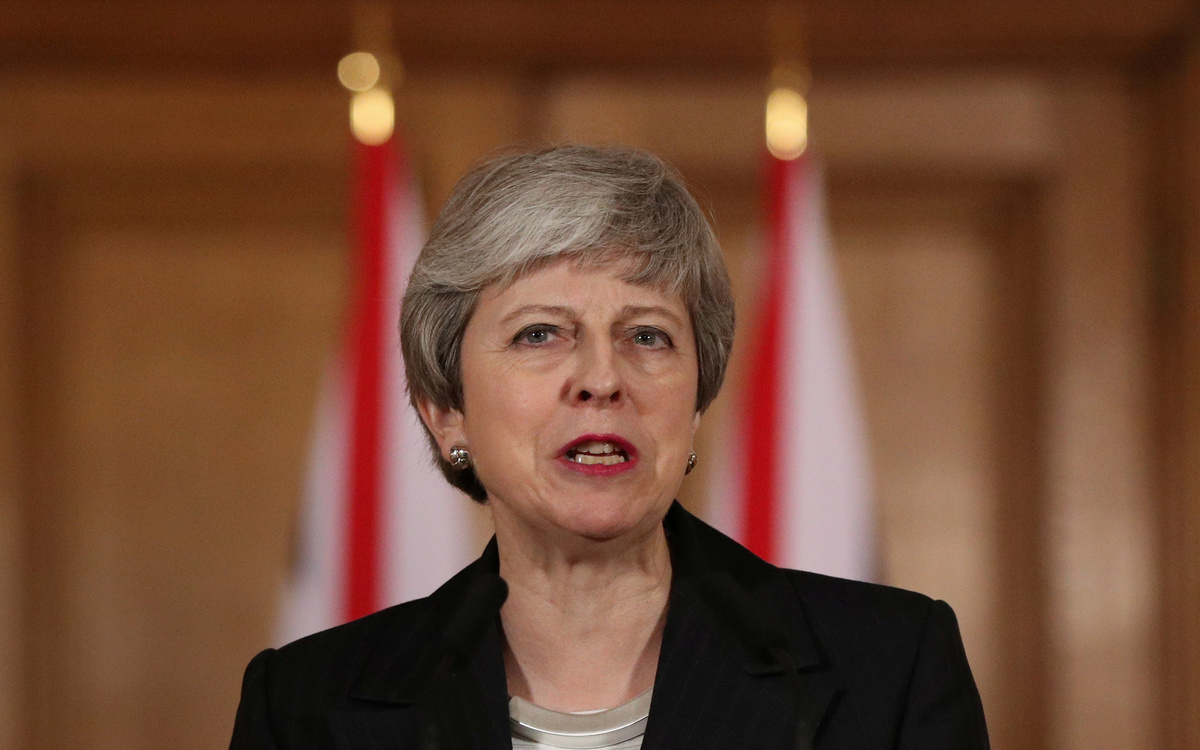
After the defeats in parliament opened up the possibility of Britain leaving the EU without a deal, May told parliament on Wednesday that she remained committed to leaving "in an orderly manner".
Her announcement that she was asking for a three-month delay caused uproar in the chamber. The opposition Labour Party accused her of "blackmail, bullying and bribery" in her attempts to force her deal through, and one prominent Brexit supporter in her own Conservative Party said seeking a delay was "betraying the British people".
NO CLARITY
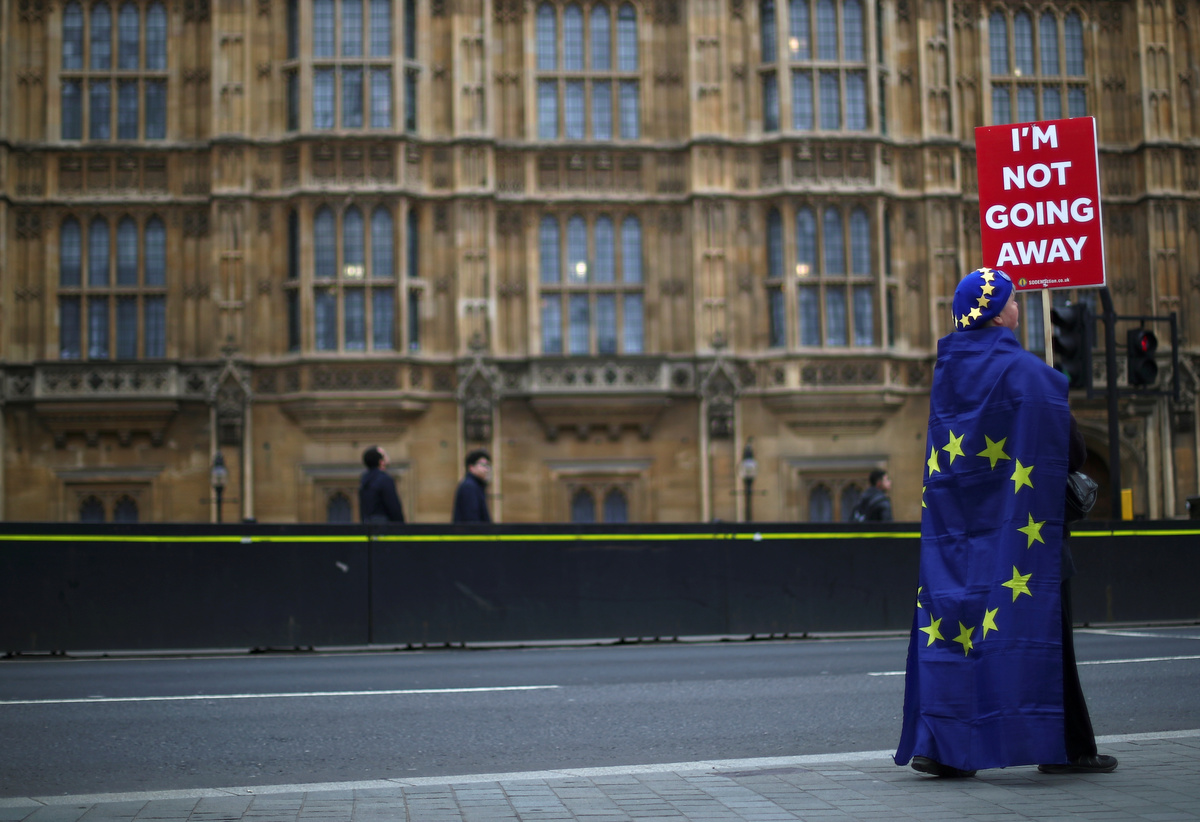
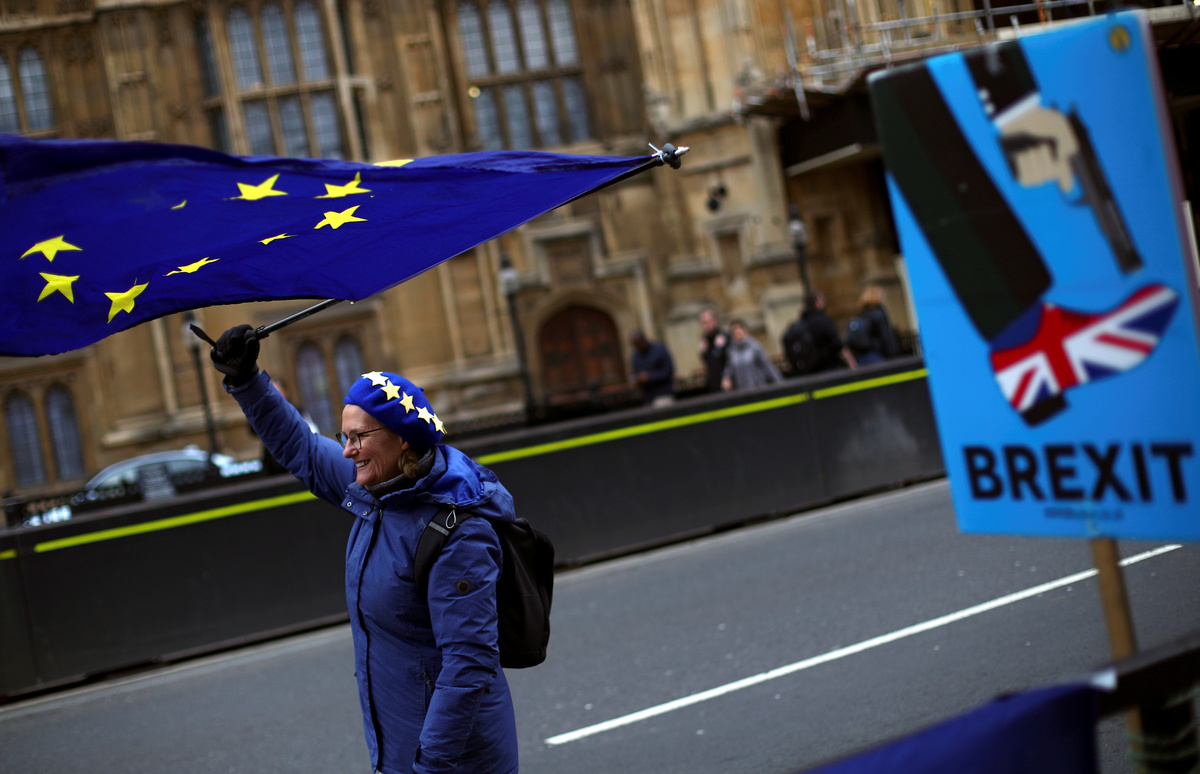
Britain voted in 2016 to leave the EU by 52 percent to 48 - a decision that has split the country, opening up divisive debates over the future of the economy, Britain's place in the world and the nature of Britishness itself.
A European Commission document seen by Reuters said the delay should either be several weeks shorter, to avoid a clash with European Parliament elections in May, or last at least until the end of the year, which would oblige Britain to take part in the elections.
May asked in her statement what kind of message this would send to those who voted for Brexit.
The pound fell on the uncertainty surrounding the potential delay and the fact that a no-deal Brexit remained possible, but recovered ground late in the evening.
Nearly three years after the referendum, there is still no clarity over how, when or even whether the world's fifth largest economy should leave the bloc it joined in 1973.
When May set the March 29 exit date two years ago, she declared there would be "no turning back". But parliament's refusal to ratify the withdrawal deal she agreed with the EU has thrust her divided government into crisis.
The Labour Party said that, by choosing a short delay, May was forcing lawmakers to decide between accepting a deal they have already rejected or leaving without a deal.
Many pro-Brexit members of May's Conservative Party are opposed to a longer delay because they fear it could mean Brexit might never happen. They argue that Britain can do well outside the European Union - even though an abrupt departure would cause short-term pain.
(Additional reporting by by Kate Holton and Alistair Smout in London and Alastair MacDonald in Brussels; Writing by Guy Faulconbridge and Giles Elgood; Editing by Kevin Liffey)