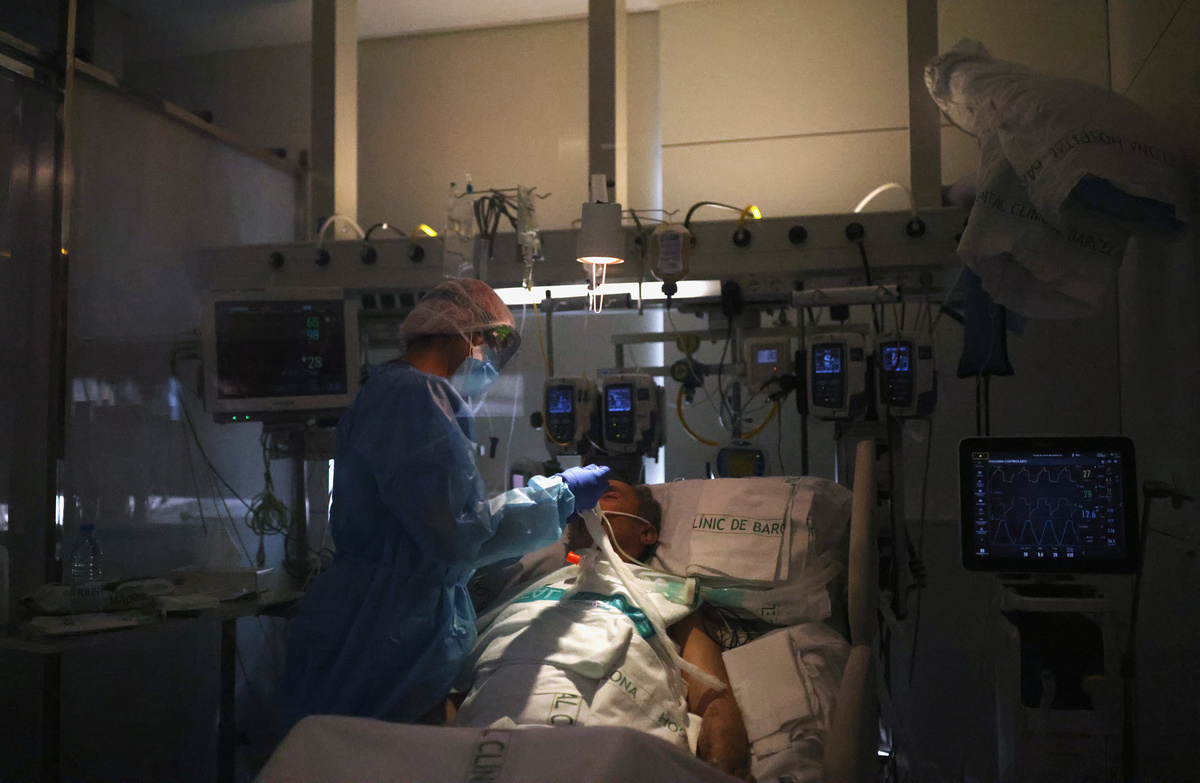
It has been eight months since he last treated a patient with COVID-19, but Spanish nurse Ricardo Belmonte still feels anxious when he recalls the first wave of the pandemic at the intensive care unit of Barcelona's Vall d'Hebron Hospital.
Early last year patients were pleading with him to save their lives and he had to live apart from his family for three months to protect them from infection.
"A feeling of anxiety has stayed with me all this time. I have been overcoming it with the help of my family, talking with other colleagues," said Belmonte, 50.
The coronavirus and associated disease, COVID-19, had an even deeper impact because his parents contracted it and it killed his 90-year-old father.
"It makes me angry not having been able to take care of him," Belmonte recalled, unable to hold back the tears. He has not been able to embrace his mother for almost a year.
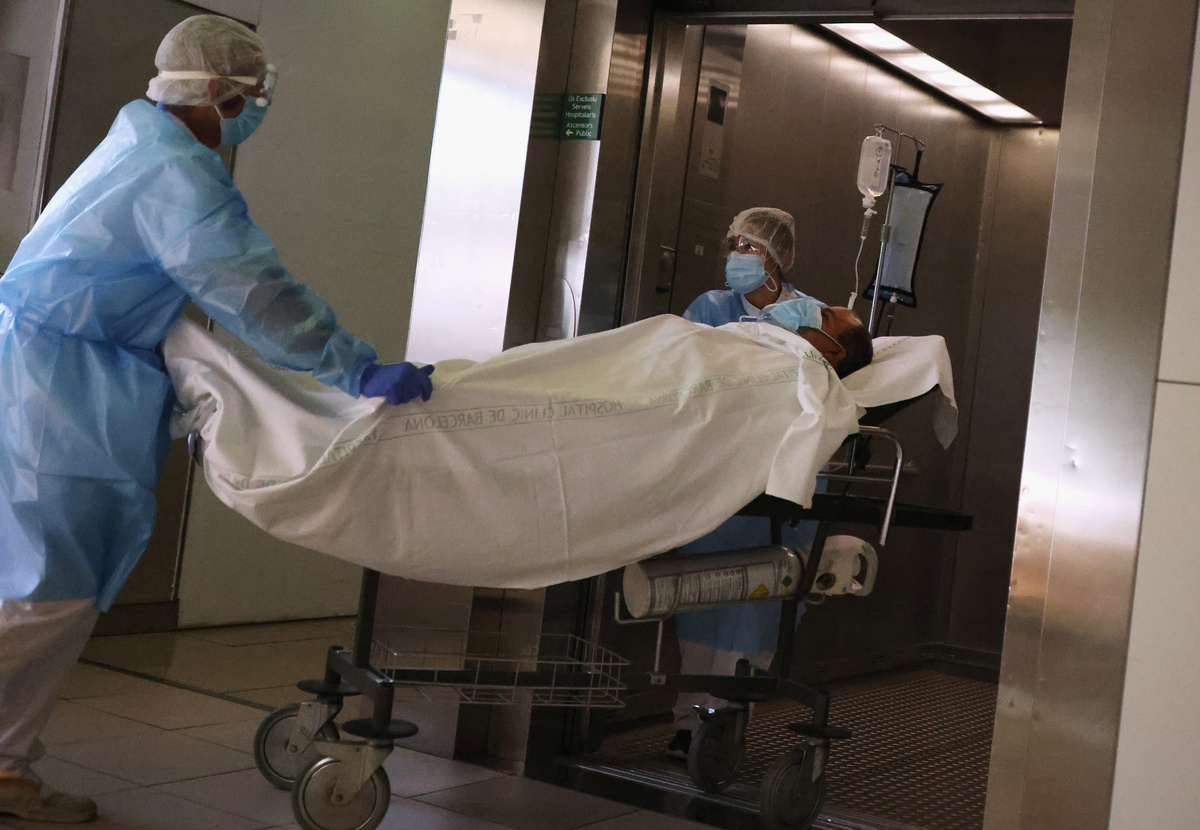
The emotional toll of treating COVID-19 patients is under increasing scrutiny, as overworked medics around the world relive their experiences of overcrowded hospital wards and high death rates.
Spain has been among the worst-hit countries, with around 3 million cases and more than 61,000 deaths.
About 45% of healthcare staff in Spain were at high risk of some type of mental disorder after the coronavirus' first wave, according to a recent survey of 9,000 professionals in 18 hospitals. It also showed 3.5% of them had suicidal thoughts.
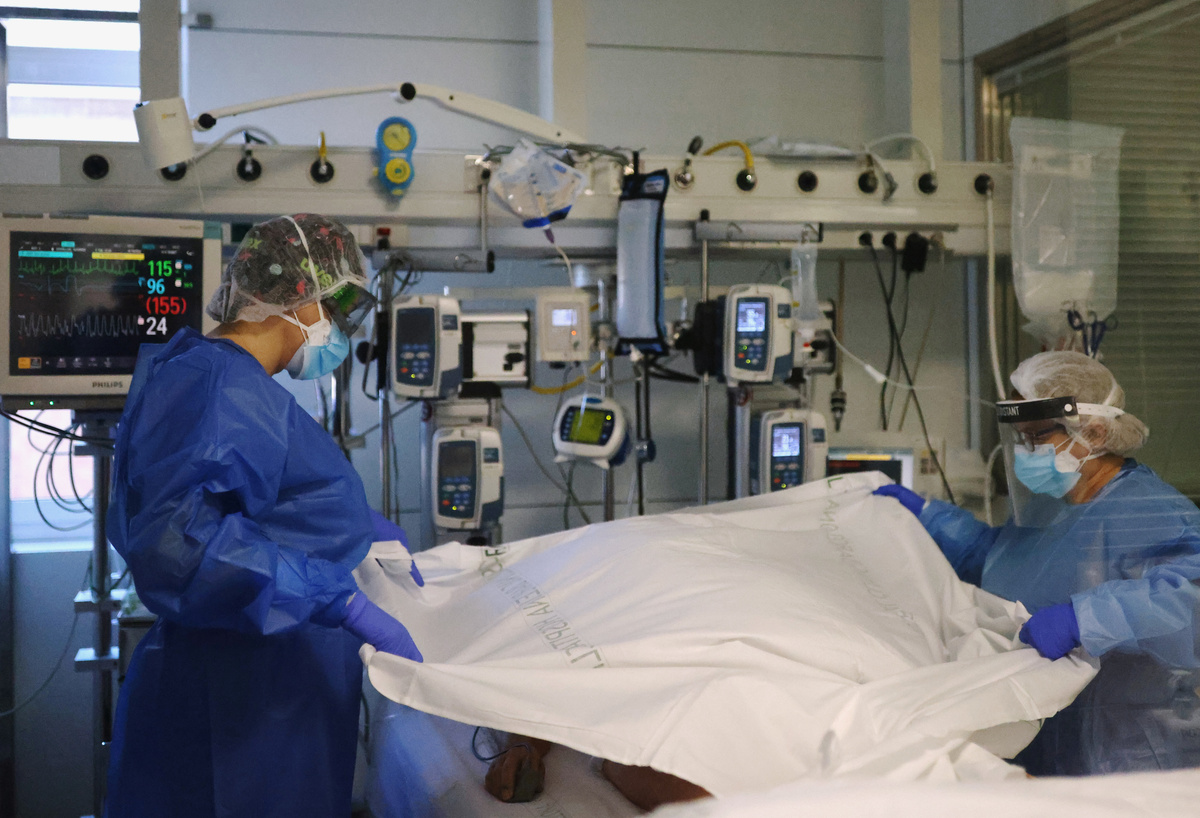
Depression, anxiety and post traumatic stress disorder were the most common complaints. The mental health impact was higher among people who caught COVID-19 or whose family members did.
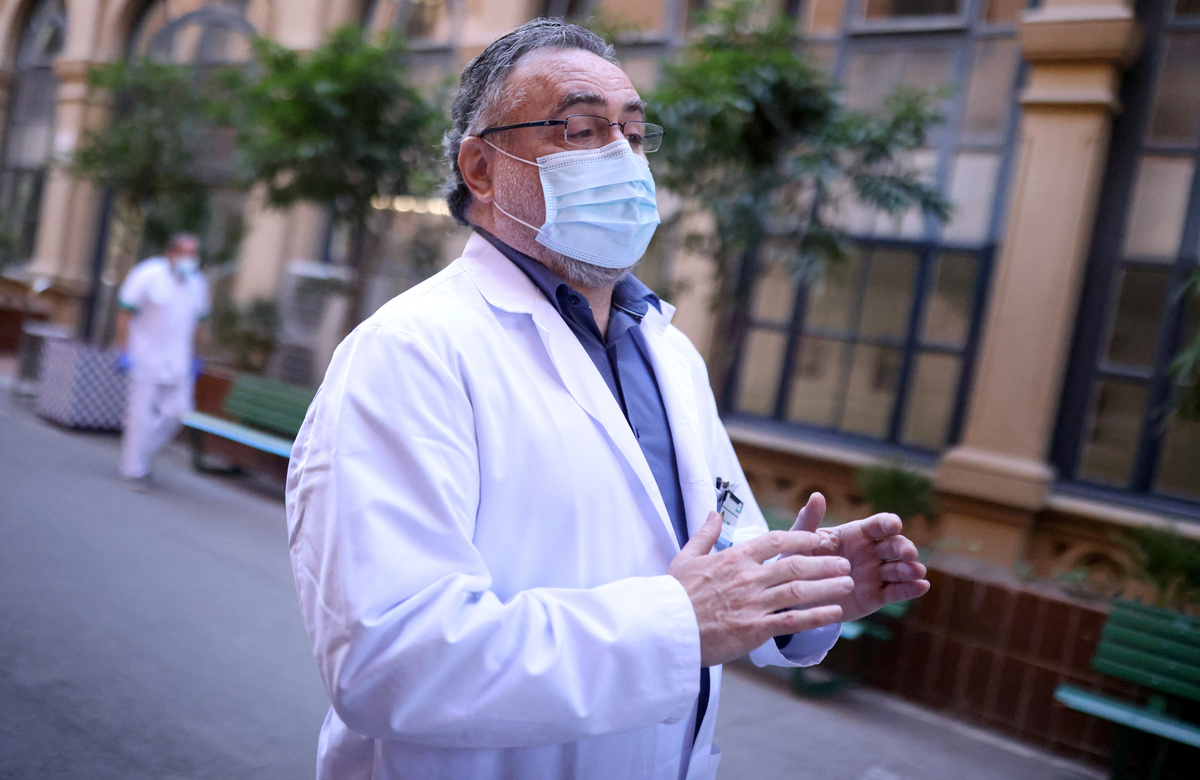
"People, including (health) workers, have difficulties admitting having a psychological problem because they consider it a weakness, a personal fault," said Eduard Vieta, head of psychiatry and psychology at Barcelona's Hospital Clinic, which was part of the study.
He said the hospital offered counselling, and had discovered that one of the biggest challenges was to convince health workers to come off the COVID-19 frontline, because they "don't see their limits".
Belmonte declined his hospital's offer of a therapist, as he preferred to open up to his family.
He said he would happily treat COVID-19 patients again at the intensive care unit (ICU) where he works, which specialises in cardiology, but from March to May dealt solely with COVID-19.
His colleague Teresa Pastor, 53, felt the opposite. Although she loves her job, she does not want to relive that experience at the ICU where she works.
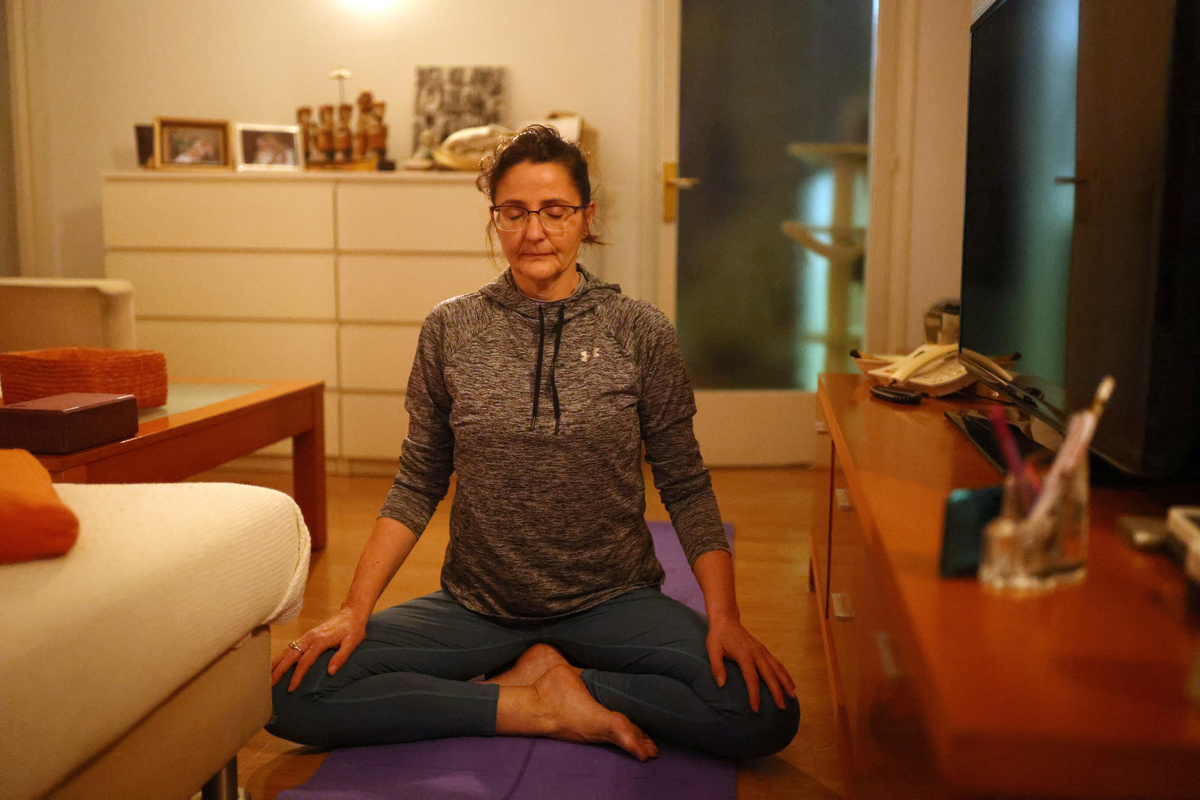
Treating COVID-19 patients has changed her and she still feels the emotional impact. Pastor has increased her yoga practice to instil calm, and would like a part-time job taking care of plants or animals, avoiding human contact.
"The (mental) scars will last, because no one will erase what you lived. What's different is how you treat these scars and if you want them to be very visible or not," Pastor said.
She also declined to see a therapist, preferring to speak with family and friends and find her own peace.
But she said many professionals hide their feelings because of the stigma they believe is related to mental health.
"People don't tend to talk about this," she said.
(Reporting by Joan Faus and Nacho Doce; additional reporting by Luis Felipe Castilleja; Writing by Joan Faus; Editing by Mike Collett-White)