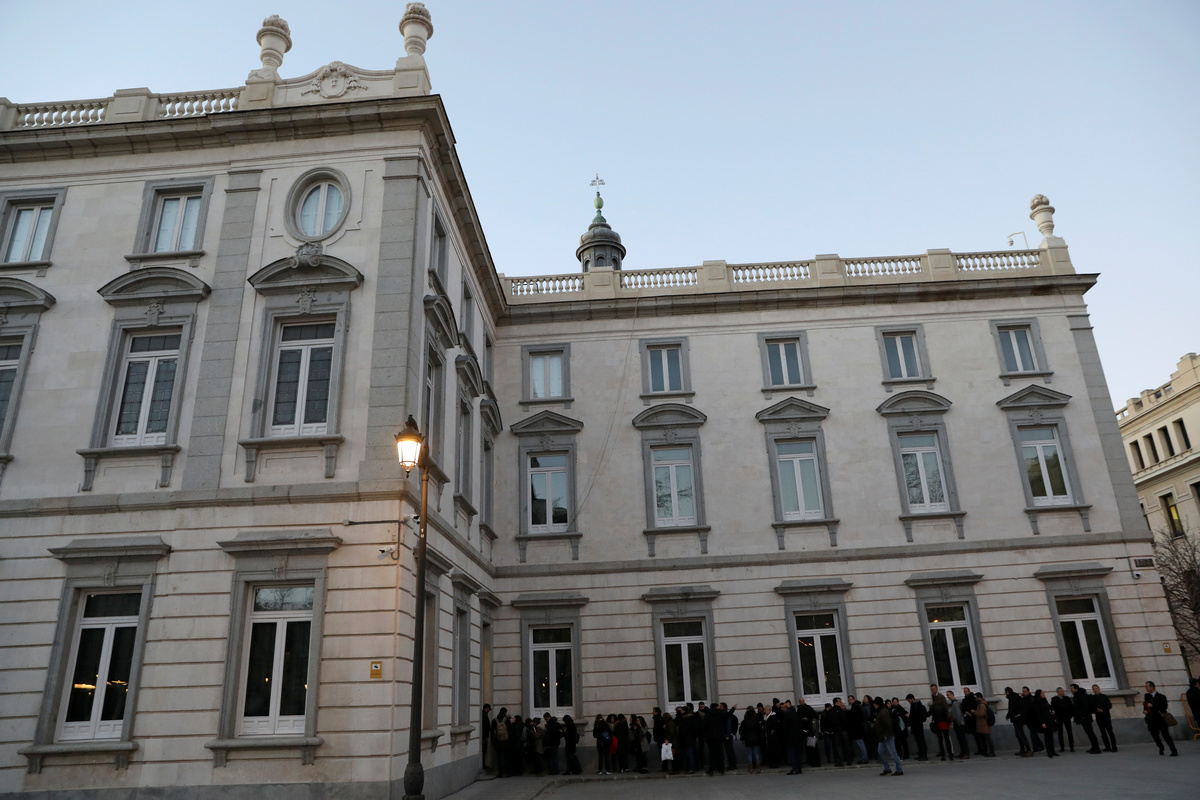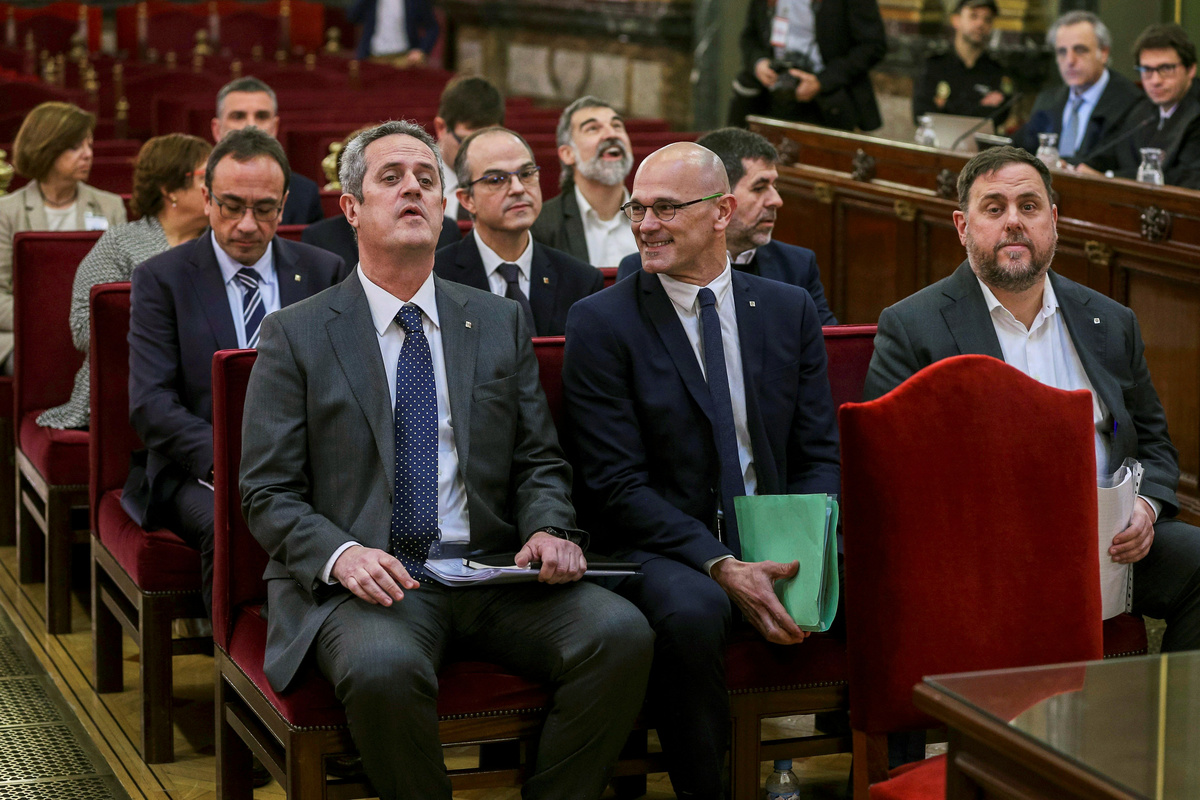
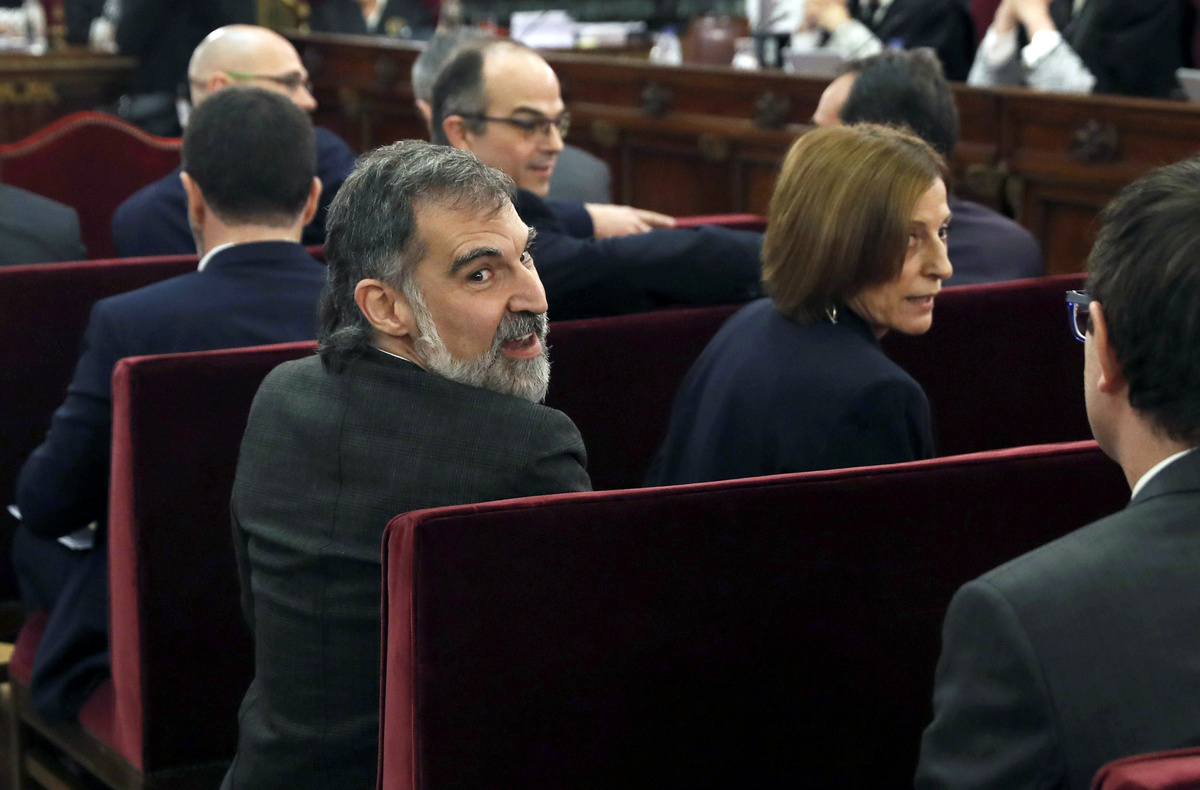
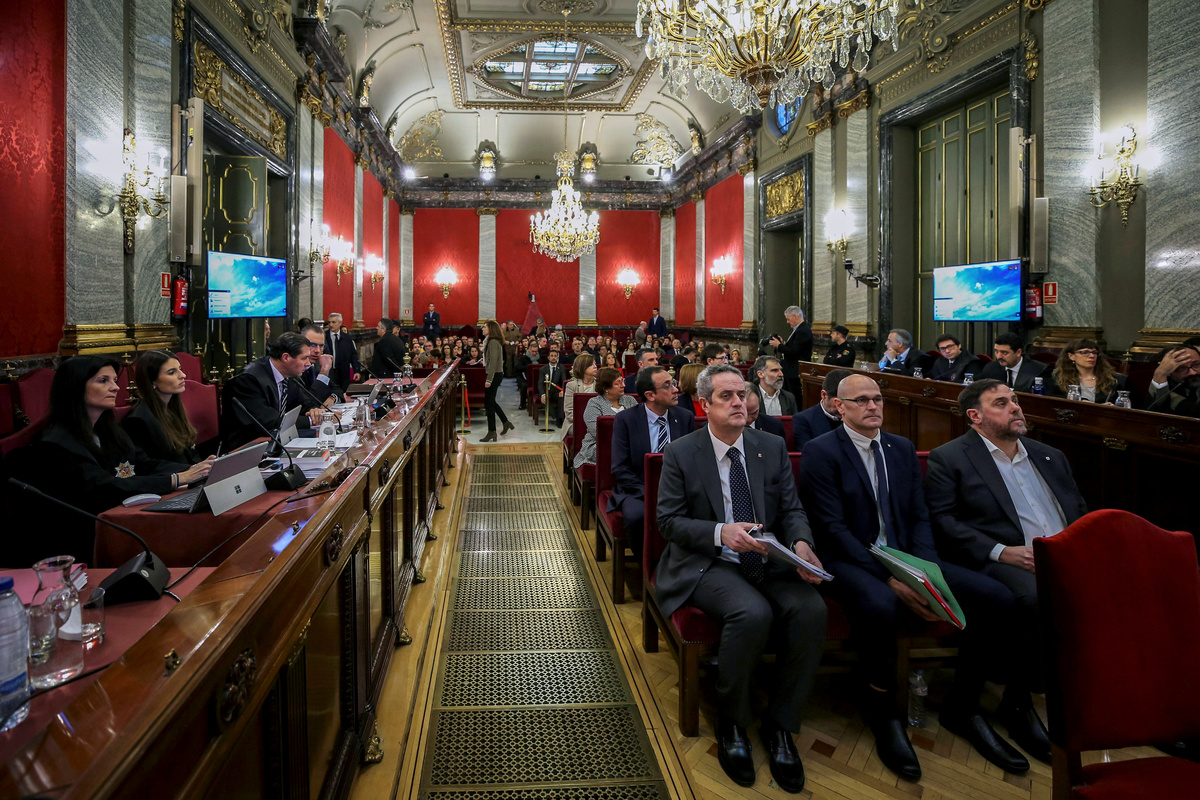
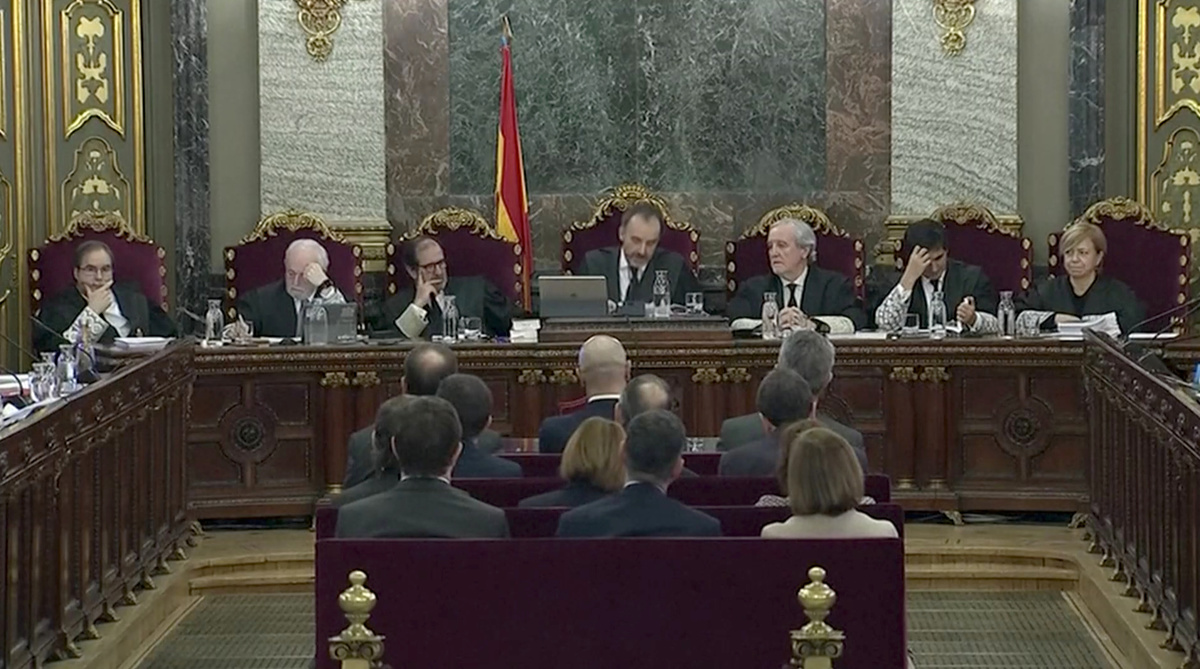
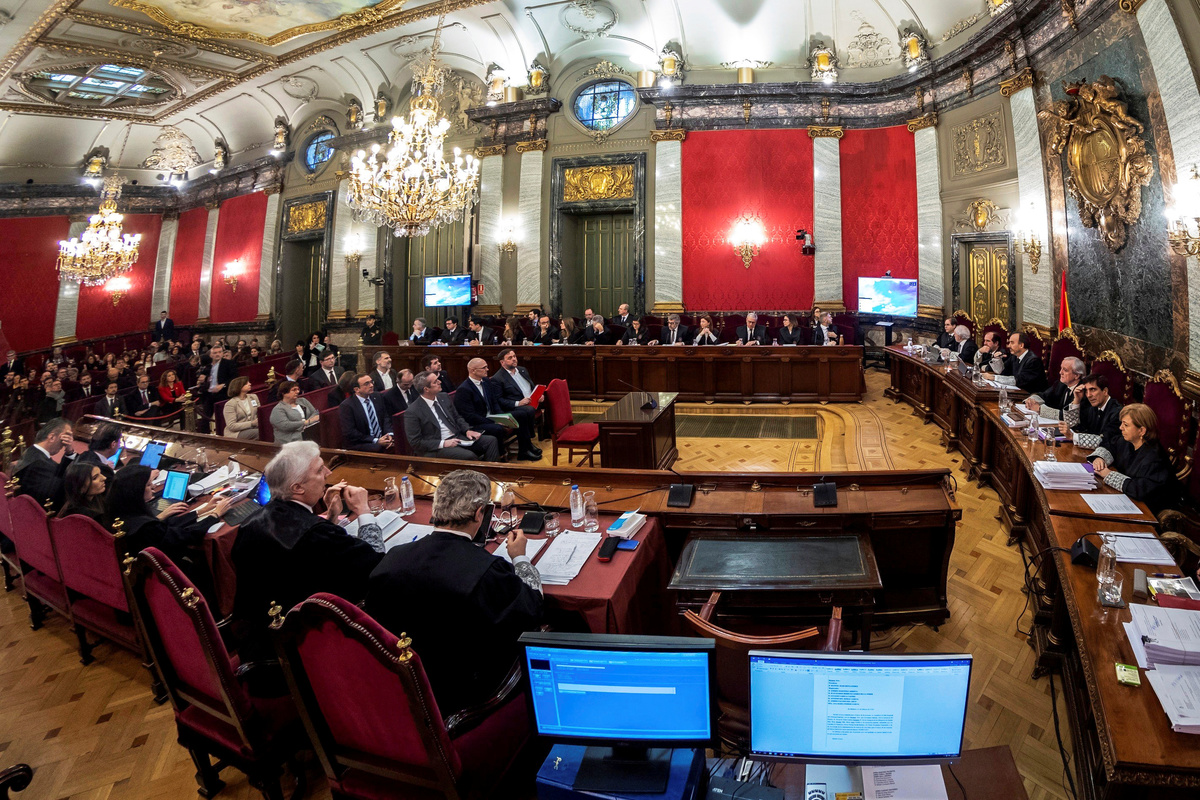
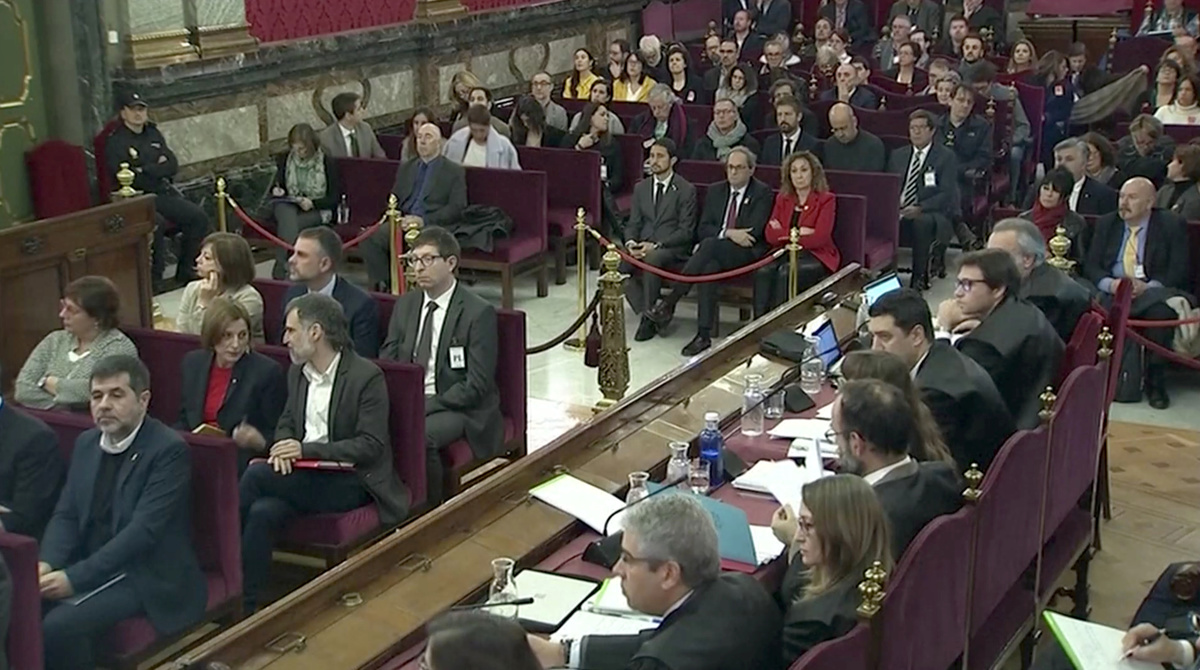
MADRID (Reuters) - Twelve Catalan separatist leaders went on trial in Madrid on Tuesday over a failed independence bid that laid bare historical divisions and triggered Spain's biggest political crisis in decades.
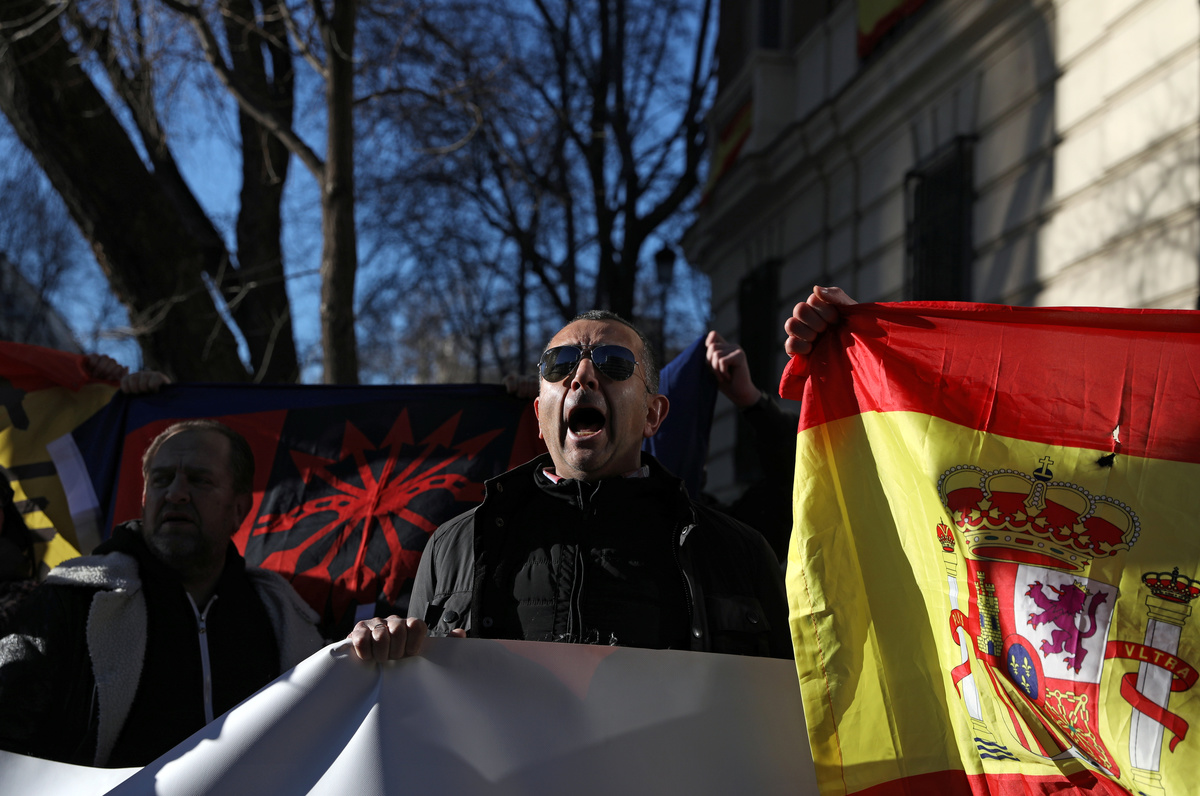
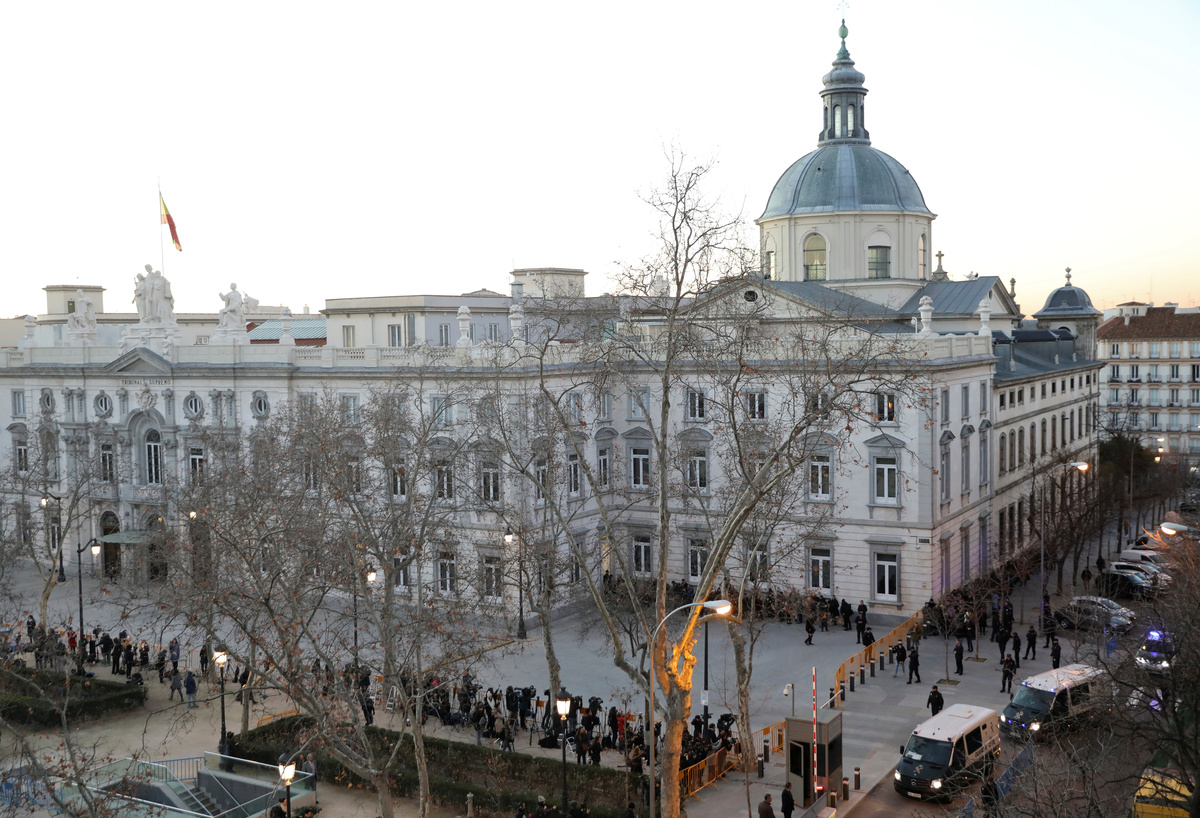
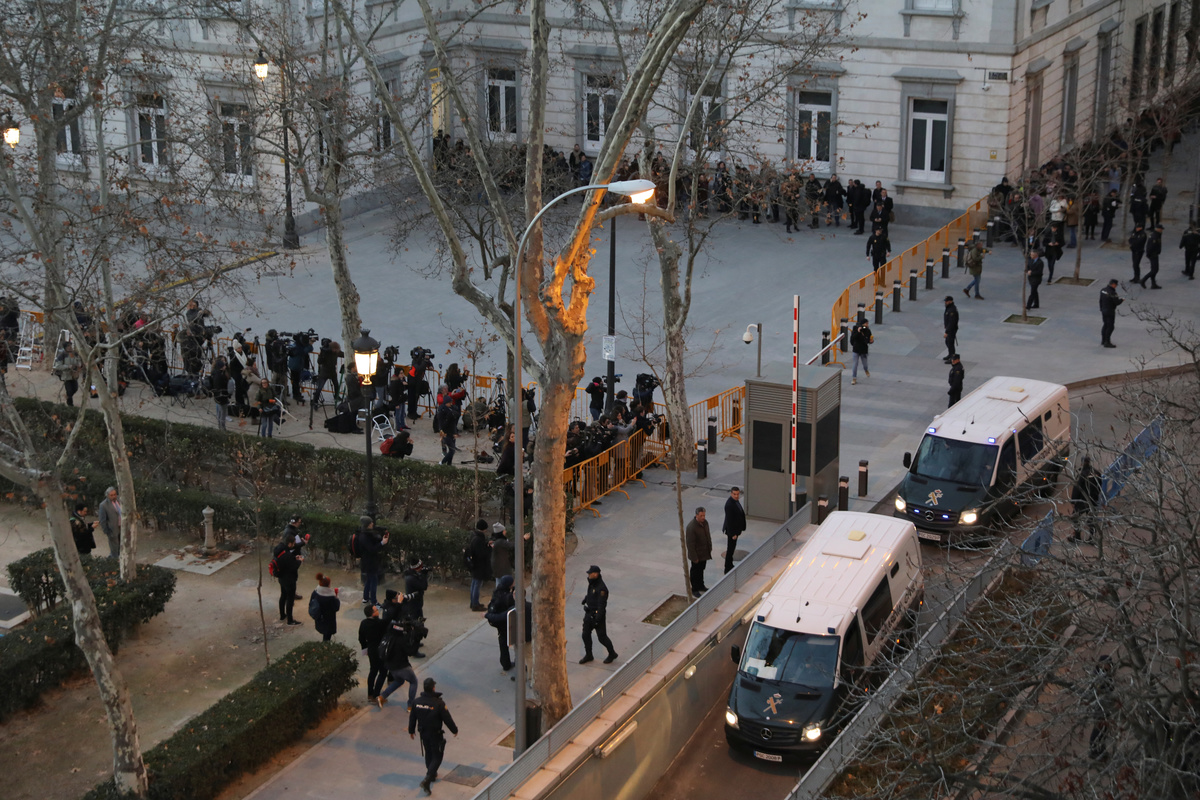
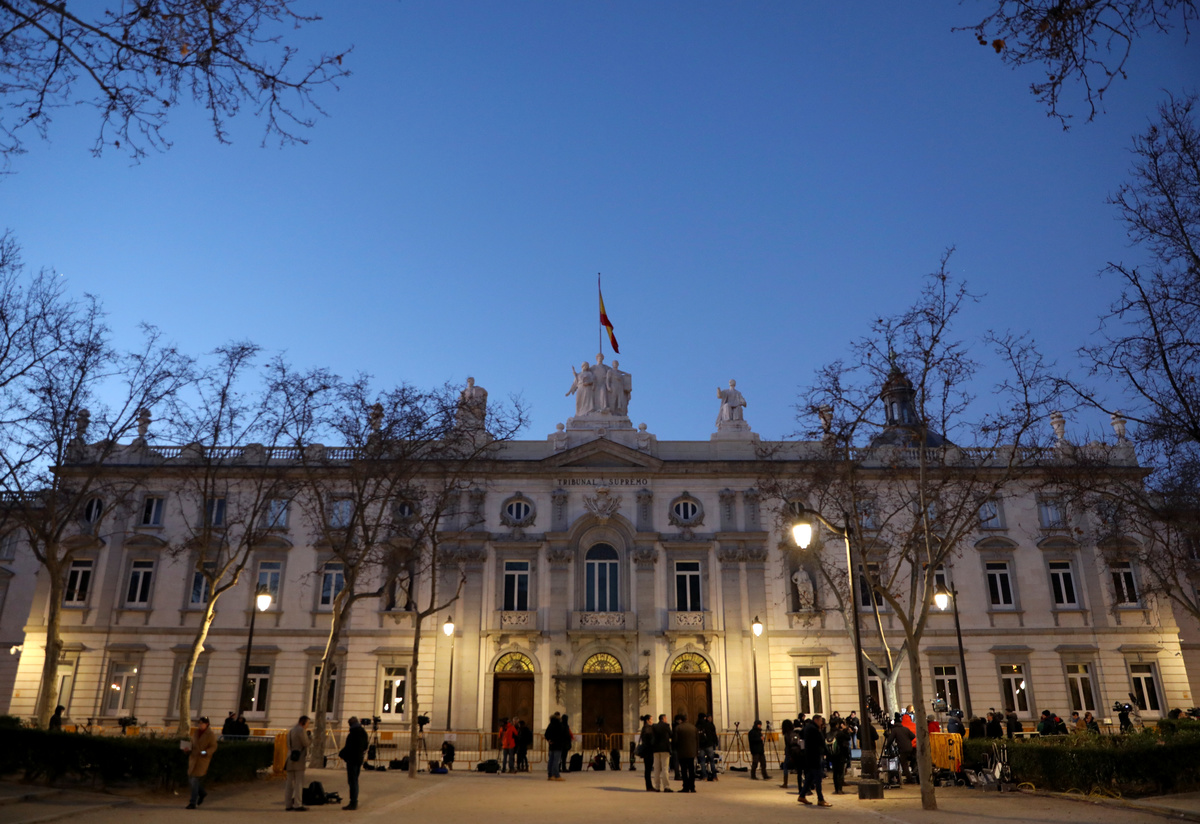
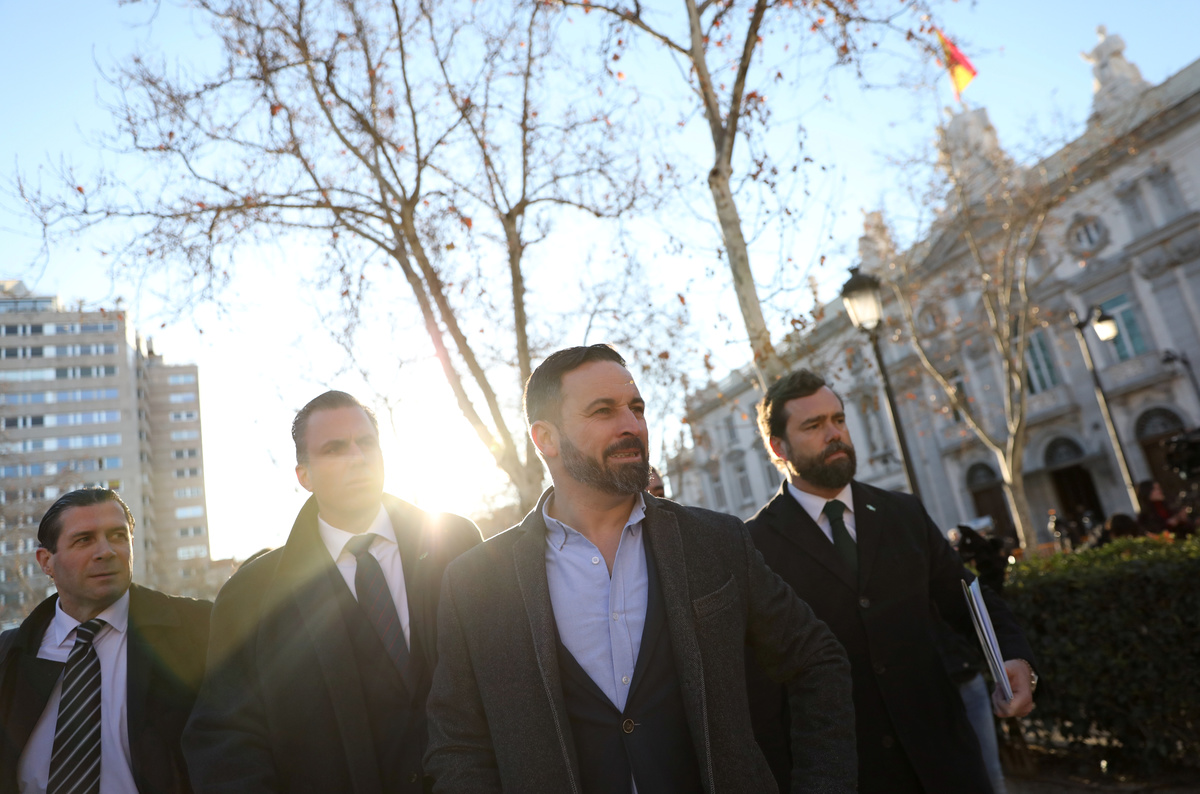
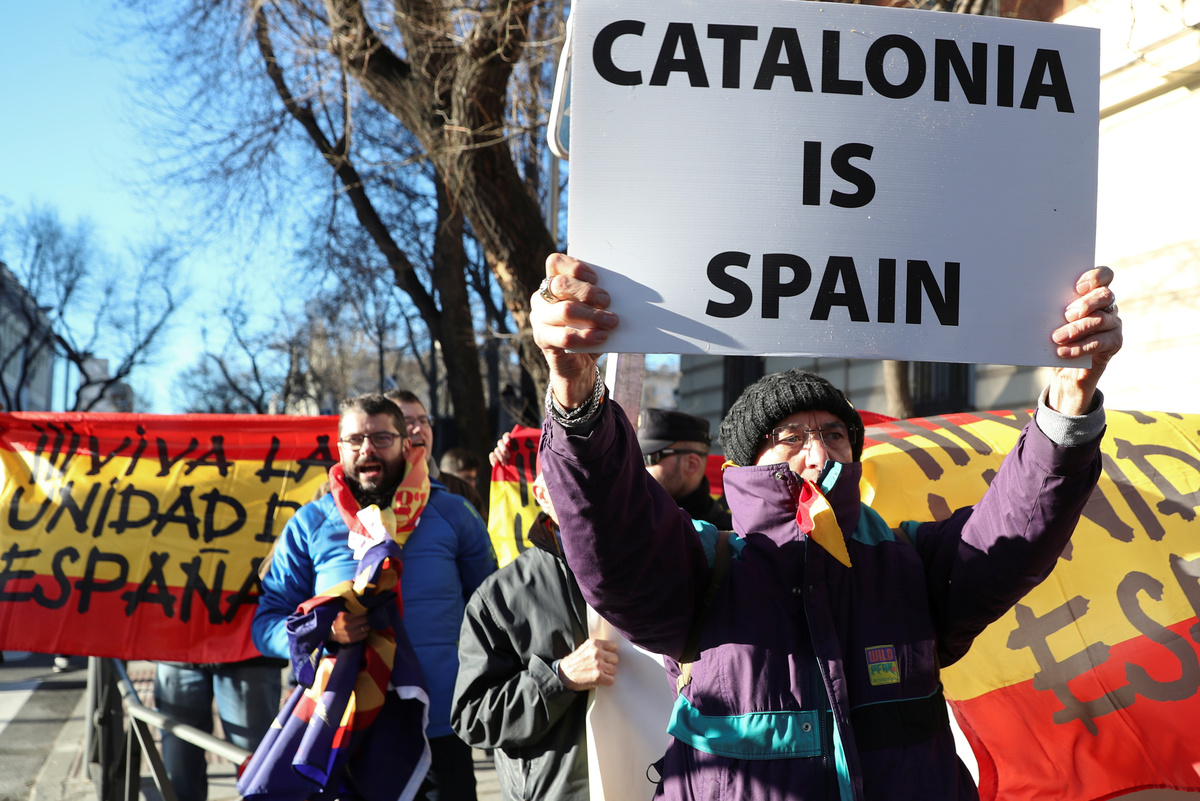
Flanked by hundreds of police, pro- and anti-separatist demonstrators gathered outside the Supreme Court, where the defendants face charges of rebellion, sedition and misuse of public funds, which they all reject.
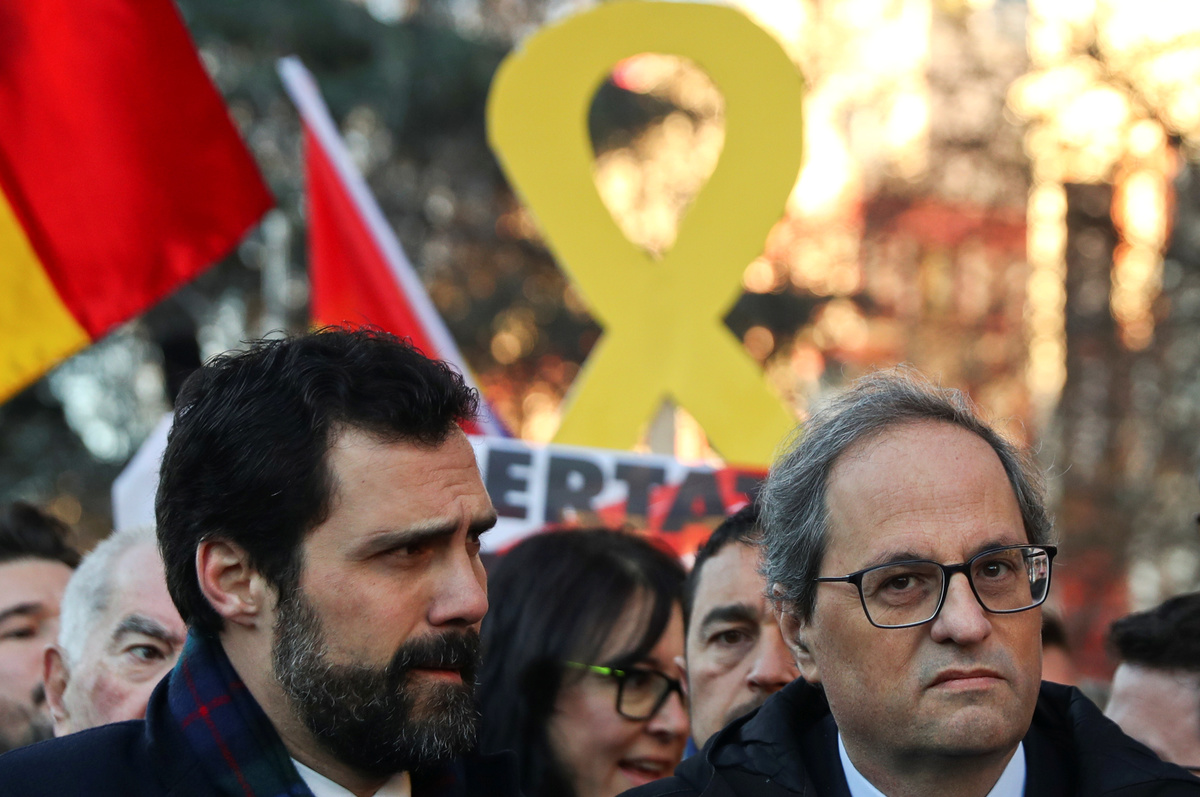
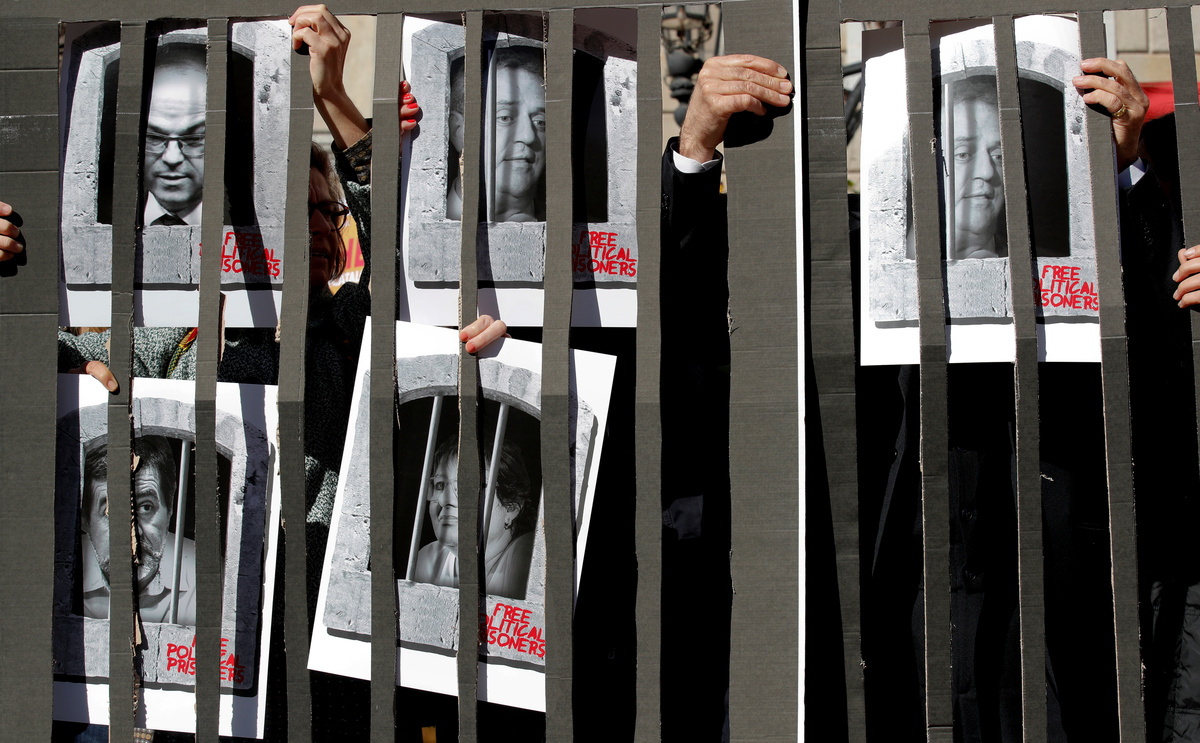
Their supporters carried signs reading "Freedom for political prisoners" while a small rival group shouted "Golpista" or "coup plotter", portraying the region's independence declaration of October 2017 as an attempt to dismantle the Spanish state.
In his opening remarks to the trial, which is being transmitted live on television, a lawyer defending two of the accused said they had the right to seek independence for their region. "It (self-determination) is a synonym of peace, not of war," Andreu Van den Eyndehe told the court.
The politically charged trial, which is expected to last at least three months, comes at a pivotal time for Spain's government.
A snap national election is likely unless Catalan nationalist lawmakers change tack by ending their opposition to the 2019 budget in a vote on Wednesday.
DEMOCRACY UNDER THE SPOTLIGHT
The case also exposes the workings of Spain's democracy - relatively young by western European standards - to their widest scrutiny since a failed coup in 1981.
That attempt, ended by an intervention by King Juan Carlos, occurred three years after the current constitution was approved to complete the democratic transition that followed dictator Francisco Franco's death in 1975.
The constitution bans any Spanish region from seceding.
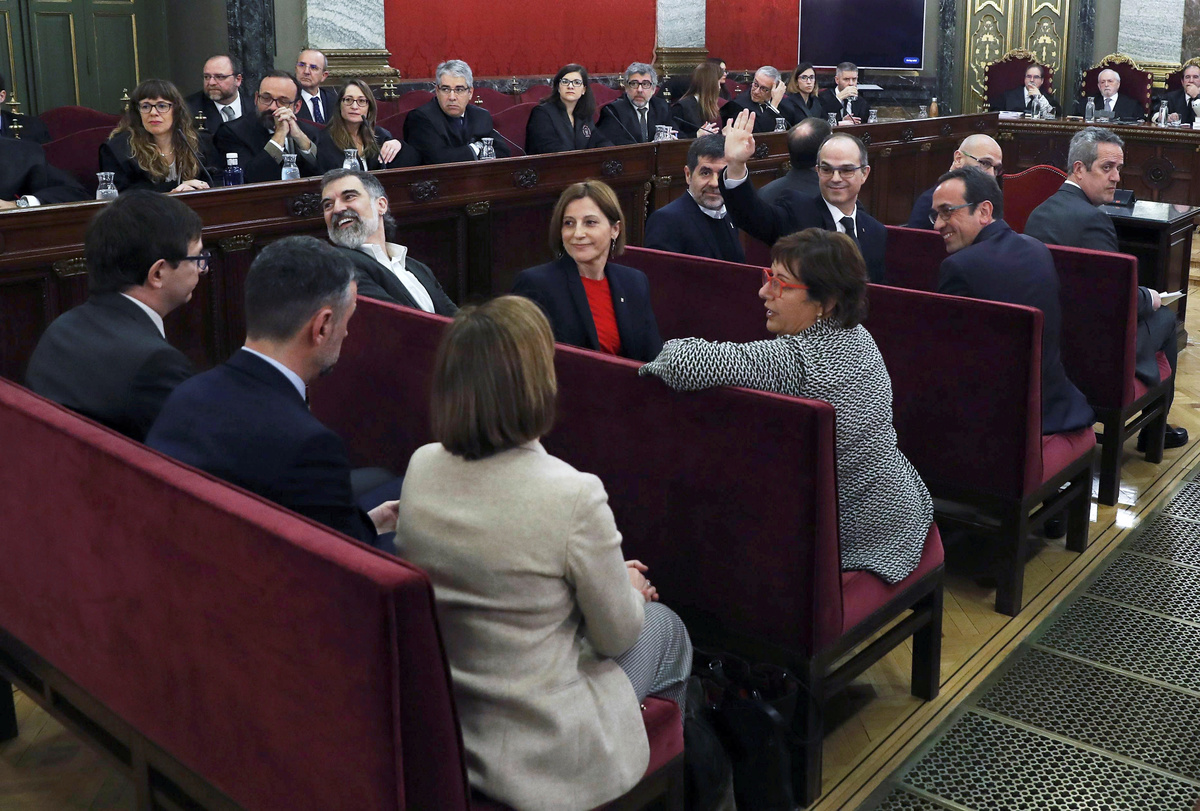
Supporters of the defendants, who face up to 25 years in jail if convicted, say they are political prisoners. The government says they are being judged strictly in line with the rule of law.
None of the 12 are scheduled to speak in the first day of the trial.
Meanwhile, seven other politicians involved in the independence declaration - including former leader Carles Puigdemont - are in self-imposed exile abroad.
In Berlin on Tuesday, Puigdemont said the trial marked a stress test for Spain's democracy and reiterated a call for another independence referendum.
The October 2017 declaration followed a plebiscite that Catalan authorities defied a judicial ban to carry out, angering some in the region and much of the rest of Spain.
But there was widespread shock when police used batons and rubber bullets on protesters on the day of the vote.
The Geneva-based International Commission of Jurists, a rights group, said the trial risked restricting rights and could set a precedent.
BUDGET BILL BACKDROP
Socialist Prime Minister Pedro Sanchez has adopted a more conciliatory stance towards Catalonia than the conservative government that preceded him.
But so far, nationalist lawmakers from the wealthy northeastern region have said they will block the budget bill, citing Sanchez's refusal to include an independence option in talks between them.
Budget Minister Maria Jesus Montero said on Tuesday the government would "not give in to blackmail" over the budget and that Catalan self-determination was not on the agenda.
With the Socialists holding less than a quarter of seats in the lower parliamentary house, the absence of Catalan support for the budget would almost certainly sink the bill and in turn likely prompt a snap election in the spring.
In an early morning tweet, Sanchez said he expected both the right and pro-independence lawmakers to vote against his budget. "They both want the same: A divided Catalonia and a divided Spain," he said.
Secessionists have called on Catalans to briefly stop work at midday on Tuesday in protest against the trial, and join a rally in Barcelona in the evening. Another demonstration is planned for Saturday and a general strike on Feb. 21.
After imposing direct rule on Catalonia in response to the independence declaration, the then conservative government called regional elections. But the move backfired as the secessionists retained a slim majority in the Catalan assembly.
(Additional reporting by Joan Faus and Andrei Khalip; Writing by Ingrid Melander and Paul Day; Editing by John Stonestreet)