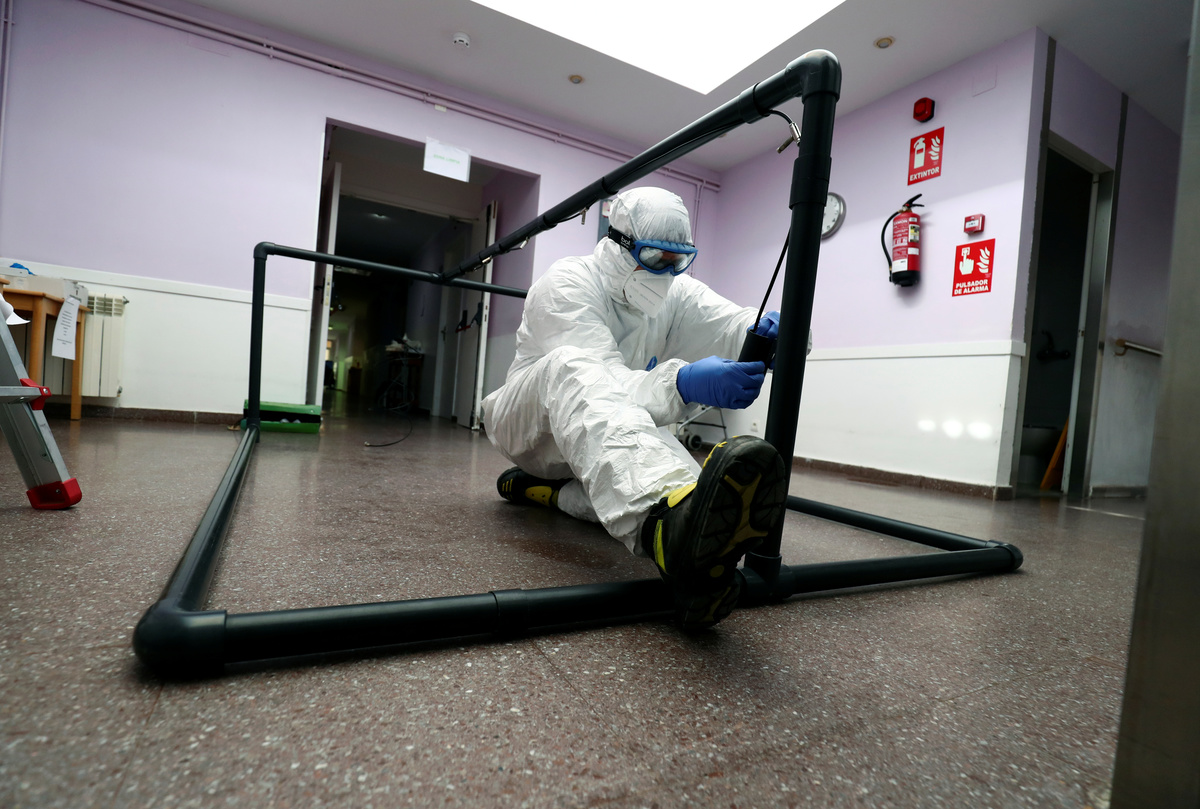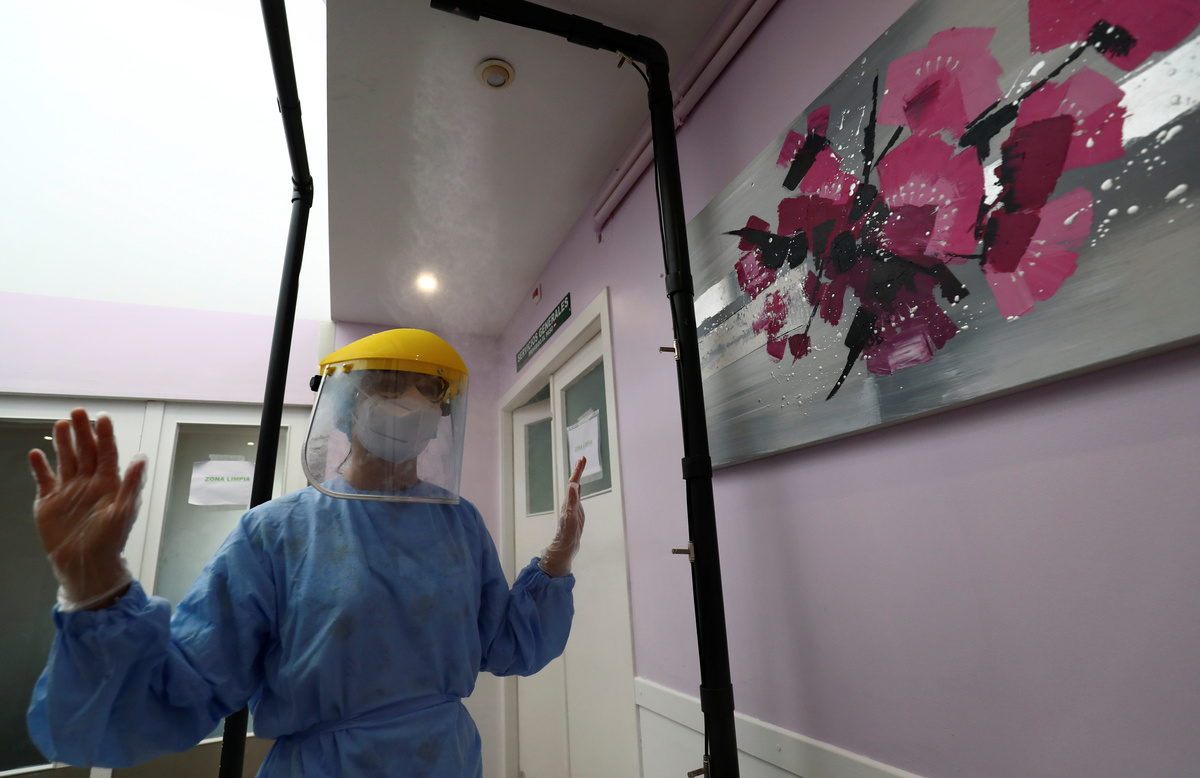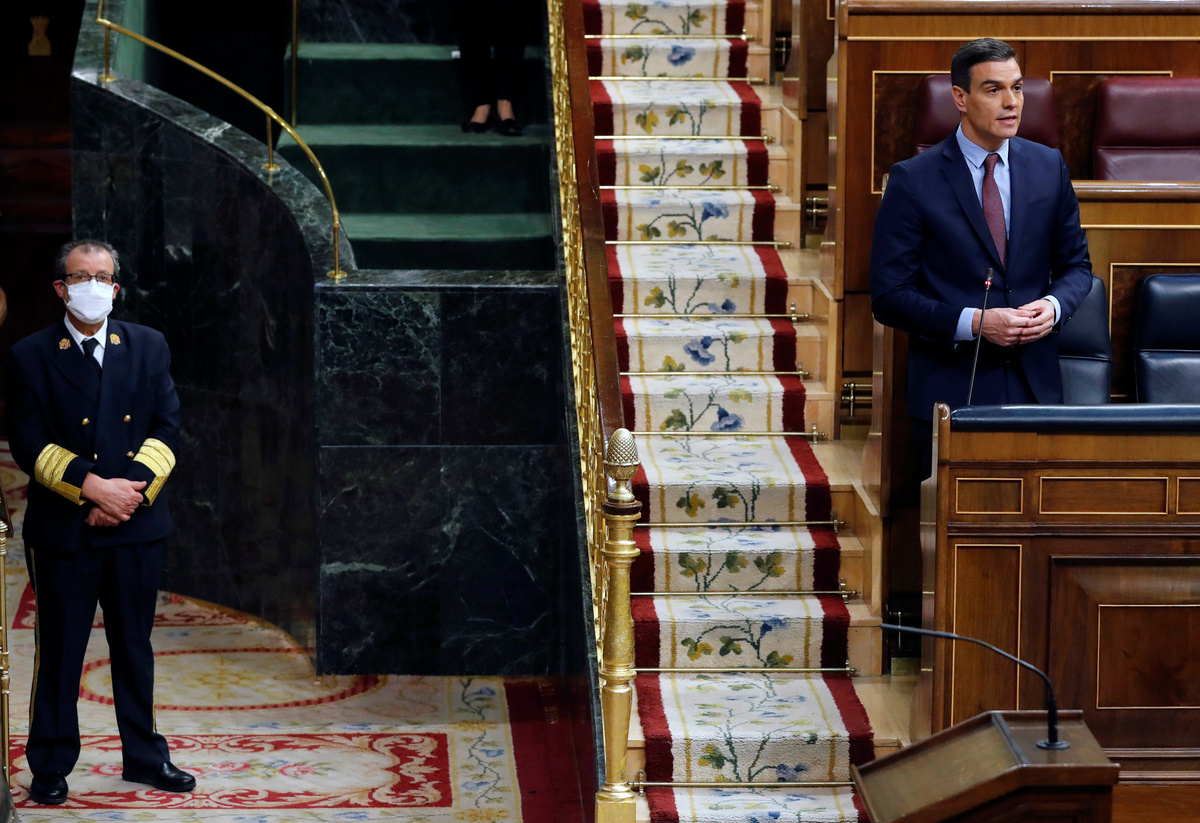
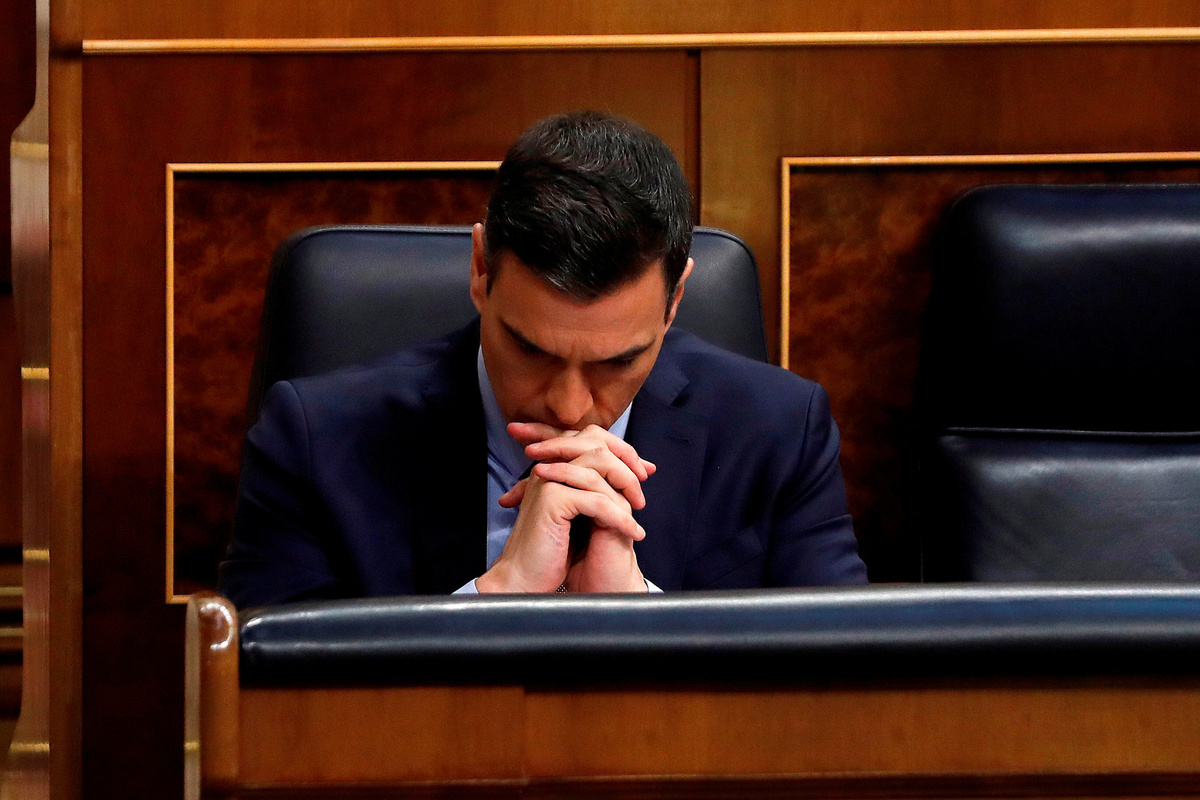
Spanish Prime Minister Pedro Sanchez secured enough parliamentary votes on Wednesday to extend a state of emergency for two more weeks from Sunday, allowing the government to control people's movements as it gradually relaxes a national lockdown.
The extension, which will begin on Sunday, was passed with 178 votes for, 75 against and 97 abstentions.
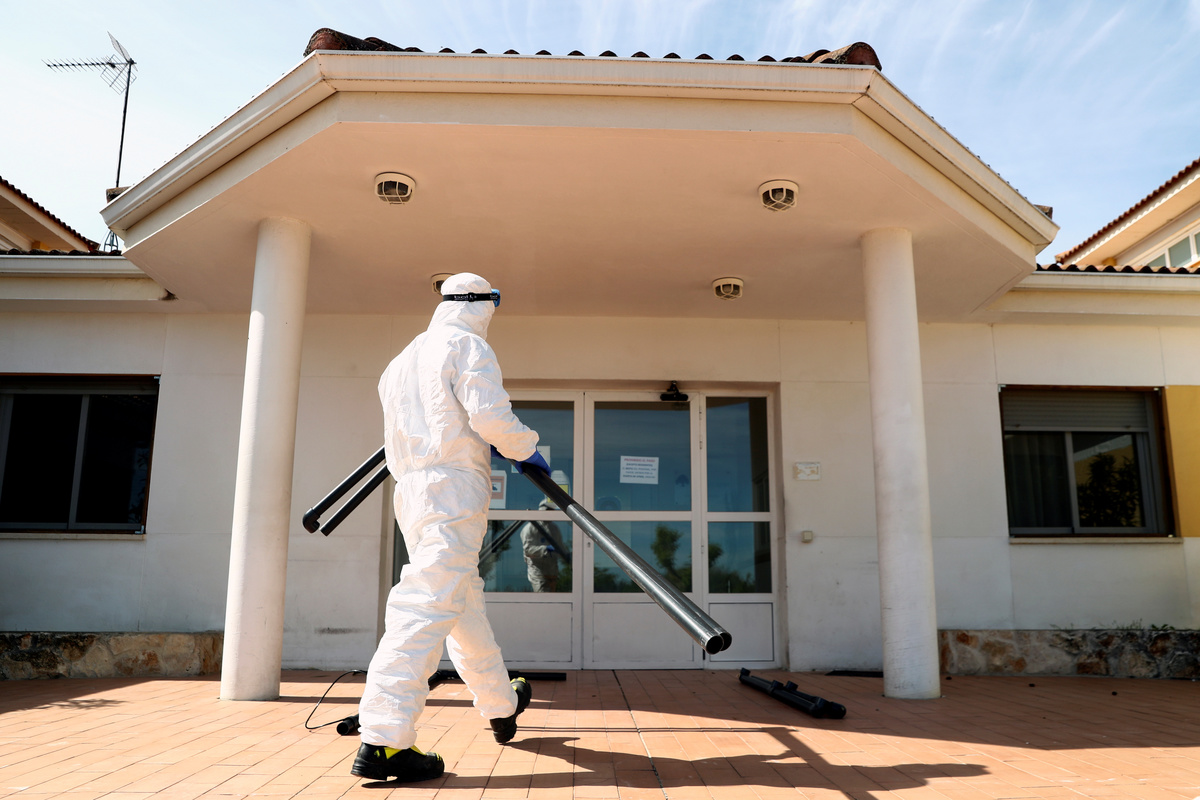
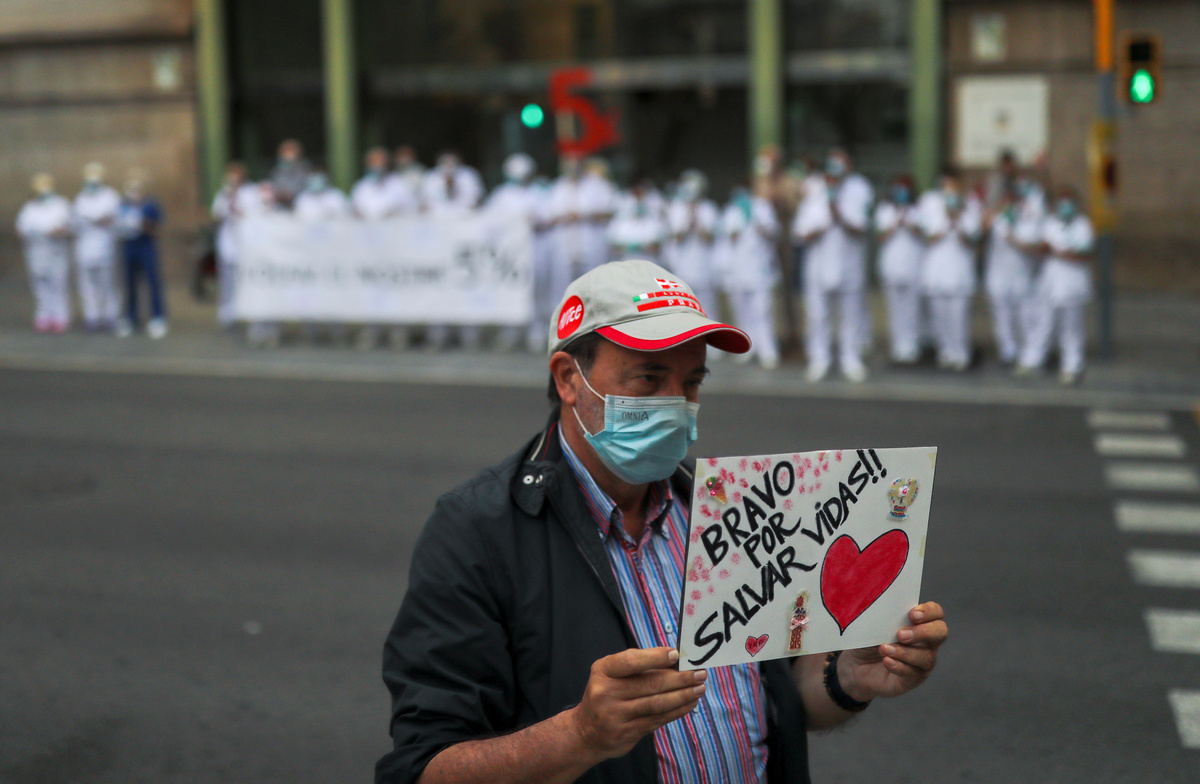
The strict lockdown has brought the outbreak under control, with a daily death toll of 244 recorded on Wednesday - far below peaks of nearly 1,000 registered at the beginning of April. But it has devastated the economy and led to huge job losses.
The parliamentary wrangling on how to orchestrate the exit from the lockdown underlines the divisive political environment in a country that has faced four national elections in four years and where the government must battle for any backing.
"Lifting the state of emergency would be a total, unpardonable mistake," Sanchez said in a parliamentary speech, adding that the billions in state aid to help businesses and individuals hit by the lockdown were released thanks to the emergency decree.
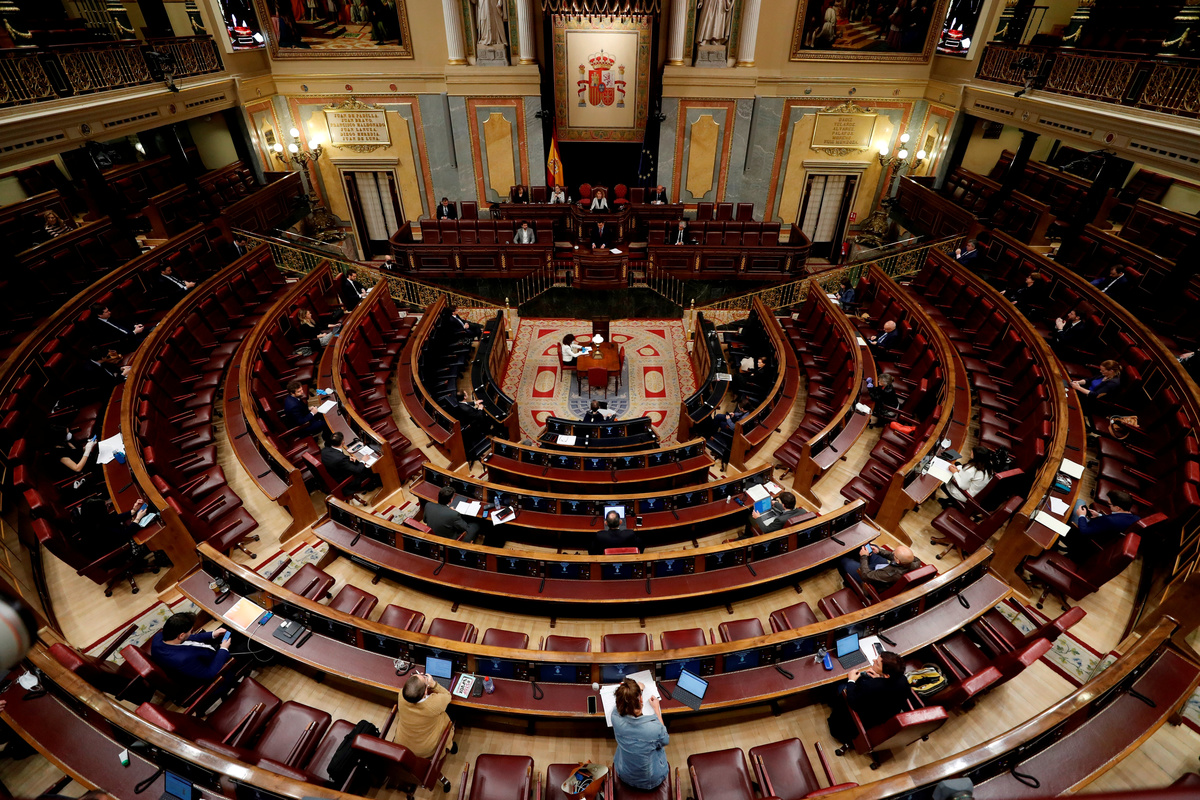
The decree will be the fourth two-week extension to the state of emergency.
Sanchez's weak coalition government secured the support of the regional Basque nationalist party PNV, in addition to the centre-right Ciudadanos party, which said it would back an extension.
This guaranteed enough votes to approve the decree despite losing the support of the conservative opposition People's Party (PP), which abstained. The state of emergency, which expires on Saturday night, gives the government powers to control peoples' movements.
"Just as we are beginning to see the light, beginning to see the end of the road, politics cannot be the missing link in that chain," Sanchez told parliament.
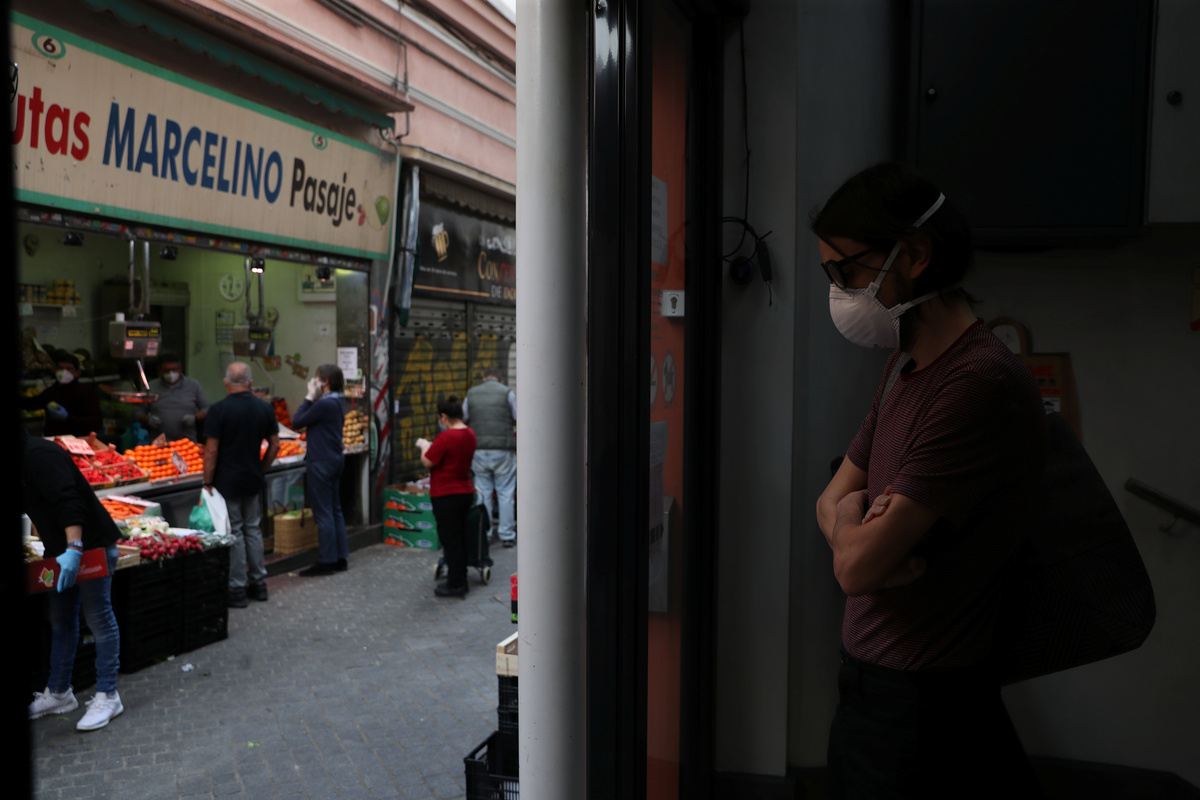
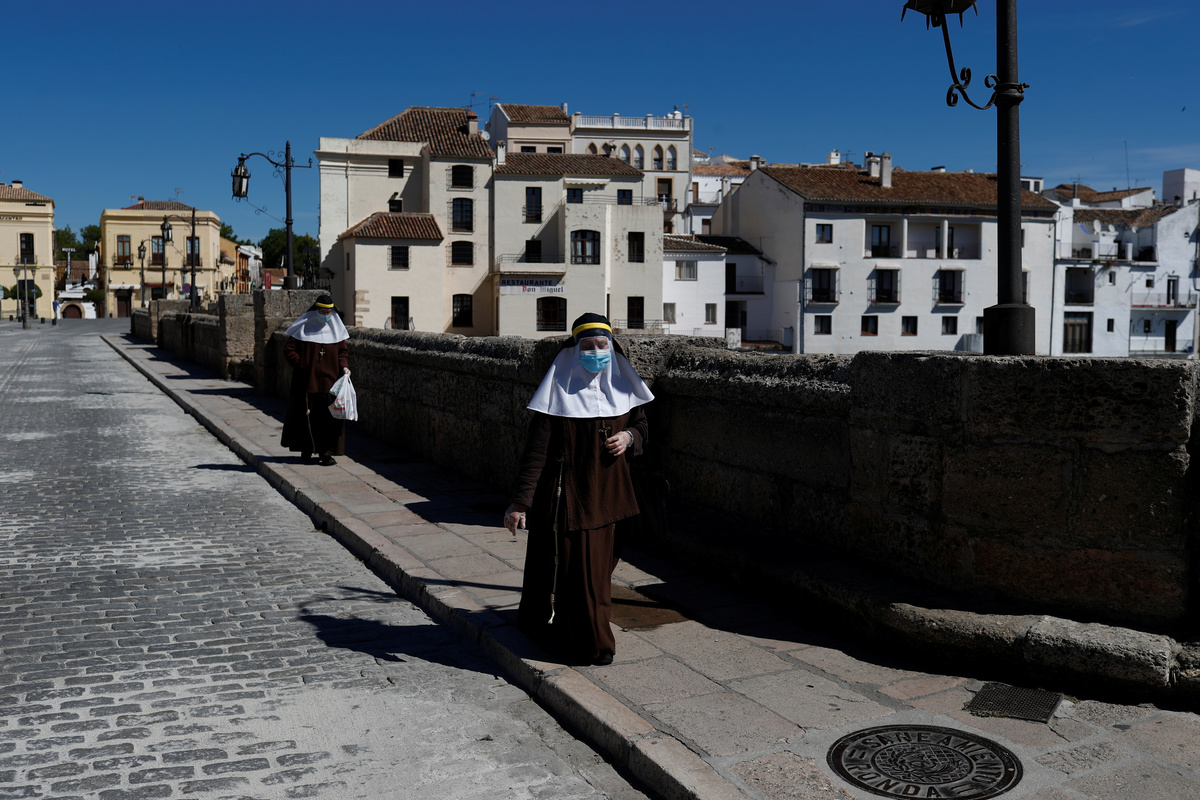
Small businesses such as hairdressers started to open this week with restrictions while Spaniards, under strict confinement since mid-March to control the outbreak that has killed nearly 26,000 people, are now allowed out of their houses for exercise.
"People are very responsible. I stand back and they stand a metre away and pay with debit cards," said Madrid stationery shop owner Paola Rodriguez, who has been letting customers in two at a time since reopening this week.
She said she had expected most small shops to reopen on Monday but had noticed many had not, partly, she thinks "due to fear".
In a further move back to normality, soccer players from Barcelona FC and Real Madrid returned to their training grounds on Wednesday to undergo testing for the coronavirus as La Liga soccer clubs plan a return to action in June.
However, in a sign of how the lockdown has wreaked havoc on Spain's economy, service sector executives reported a further plunge in activity in April from March's record low as businesses shuttered and people stayed indoors.
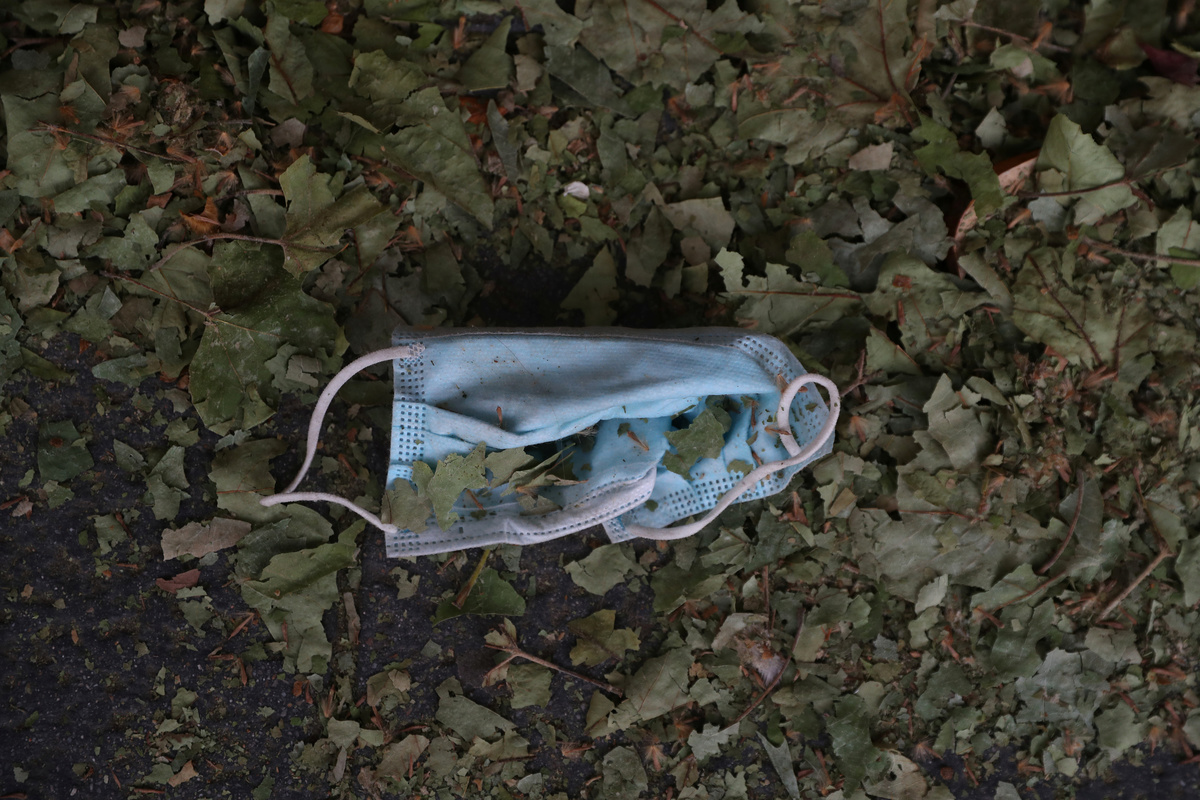
The economy shrunk by its biggest amount on record, 5.2%, in the first three months of 2020 due to the impact of the crisis. The government predicts the tourism-dependent economy could shrink as much as 9.2% this year.
The European Commission on Wednesday said Spain would be one of the countries' hardest hit by the economic effects of the pandemic.
Spain's GDP will contract by 9.4%, the third highest in the EU after Greece and Italy, while its deficit will be 10.1%, up from 2.8% in 2019.
(Additional reporting by Inti Landauro and Jessica Jones; Writing by Sonya Dowsett; Editing by Angus MacSwan and Marguerita Choy)