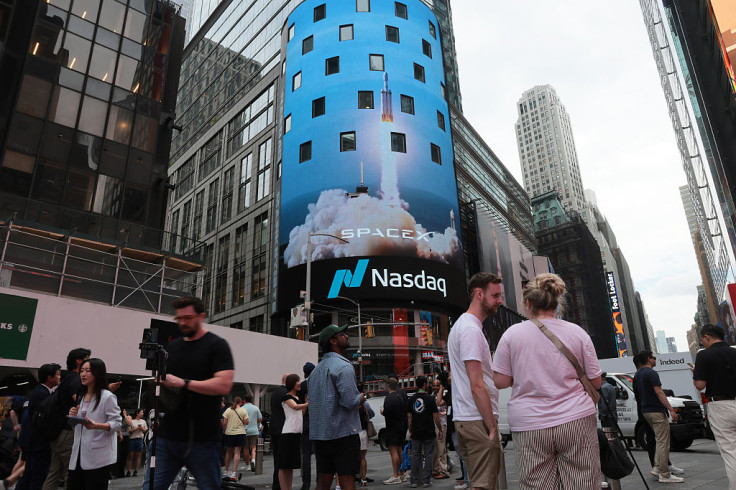
SpaceX's continued rout has wiped over $1 trillion in market value. The company's shares fell 2.70% at 10:31 a.m. ET, pairing earlier losses. However, it has fallen about 20% below its IPO price and more than $100 since its high of $225.64.
Short sellers have continued to increase their bearish wagers against the company over the past weeks.
Company CEO Elon Musk has publicly dismissed the growing wave of bearish bets. In a post on X last week, the billionaire CEO warned investors against maintaining large short positions in the company. "The survival probability of firms who maintain a significant short position in SpaceX over time is very low," Musk wrote in a social media publication last week.
Analysts say SpaceX's lofty valuation has made it an attractive target for skeptics who question whether the company's long-term growth prospects justify its market capitalization. The latest decline also reflects broader investor concerns surrounding the enormous costs associated with the artificial intelligence boom. Those worries intensified after Tesla reported negative free cash flow in the second quarter for the first time in more than two years.
Major investment banks initiated research coverage with bullish ratings earlier this month. Morgan Stanley assigned the stock an "overweight" rating and a $300 price target, while Bernstein began coverage with an "outperform" rating and a $239 target. RBC Capital Markets also rated the shares "outperform," setting a $225 target, while UBS launched coverage with a "buy" recommendation and a $210 12-month price objective.
Analysts view SpaceX as the clear leader in reusable launch technology, a competitive advantage that has helped it dominate the commercial launch market while lowering costs. At the same time, its Starlink satellite internet network continues to expand globally.
Elsewhere, research firm MoffettNathanson initiated coverage with a neutral rating, arguing that much of SpaceX's future growth already appears reflected in the share price. CFRA took an even more cautious stance, recommending investors sell the stock amid concerns that expectations have become overly optimistic following the company's blockbuster market debut.