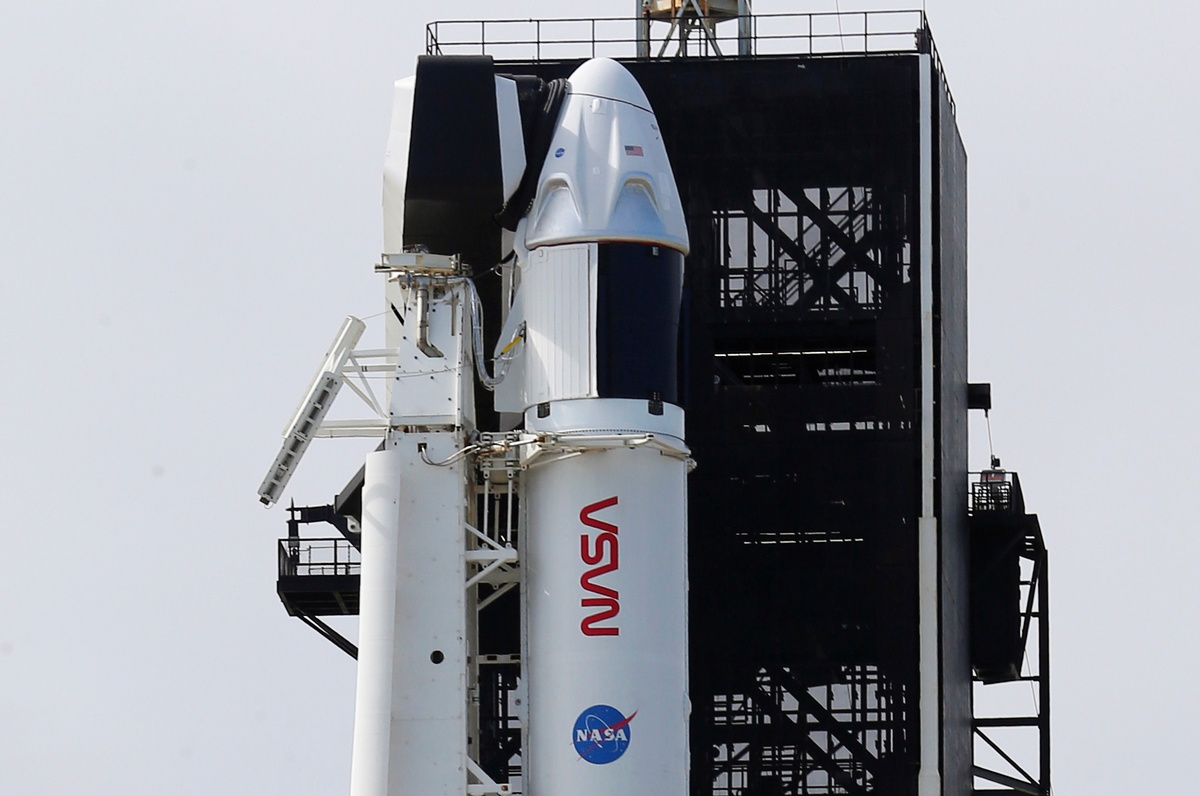
NASA and high-tech entrepreneur Elon Musk's rocket company SpaceX announced on Friday a 24-hour weather delay of their planned launch of four astronauts into orbit for NASA's first full-fledged human mission using a privately owned spacecraft.
The liftoff time slipped from Saturday to Sunday evening due to forecasts of gusty, onshore winds over Florida - remnants of Tropical Storm Eta - that would have made a return landing for the Falcon 9 rocket's reusable booster stage difficult, NASA officials said.
SpaceX's newly designed Crew Dragon capsule, dubbed "Resilience" by its crew, was rescheduled for launch atop the Falcon 9 at 7:27 p.m. Eastern time on Sunday (0027 GMT on Monday) from NASA’s Kennedy Space Center in Cape Canaveral.
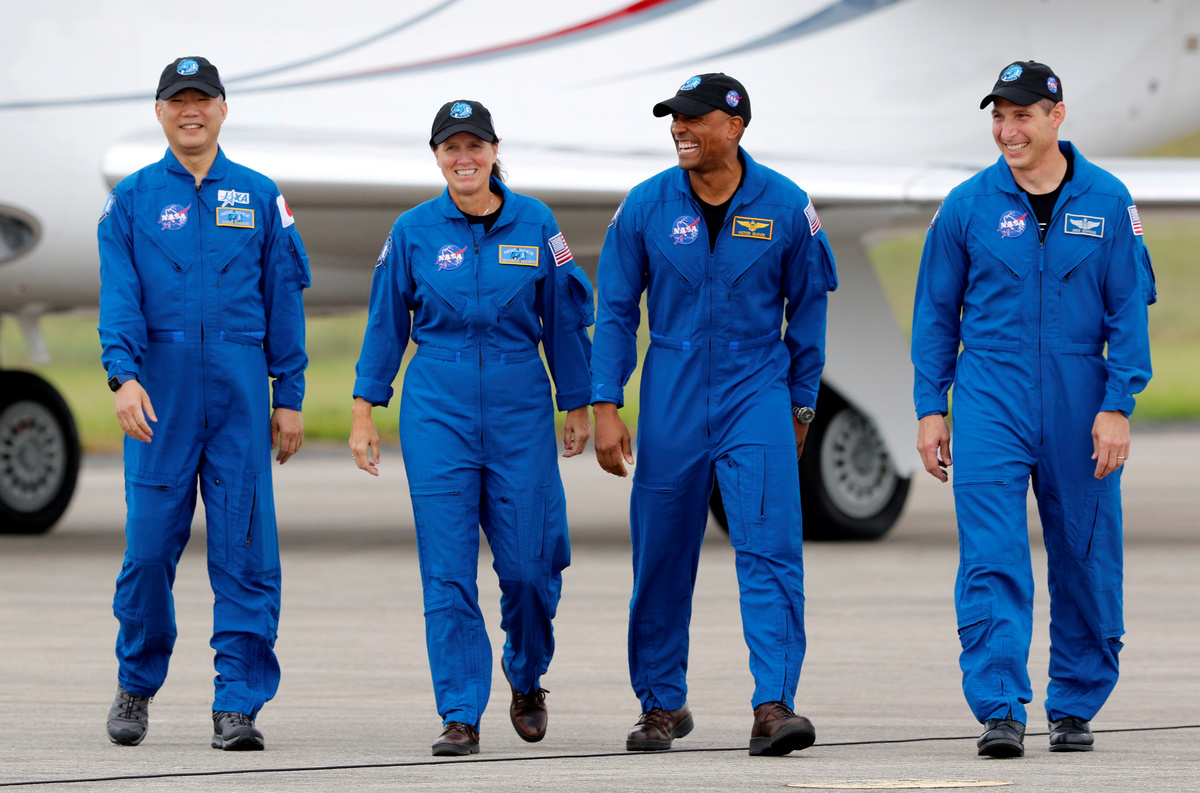
The crew for the flight to the International Space Station includes three American astronauts - Victor Glover, Shannon Walker and the mission commander, Mike Hopkins, a U.S. Air Force colonel who is to be sworn into the fledgling U.S. Space Force once aboard the orbiting laboratory.
The fourth crew member is Japanese astronaut Soichi Noguchi, making his third trip to orbit after flying on the U.S. space shuttle in 2005 and a Russian Soyuz spacecraft in 2009.
The journey to the space station - lengthened from about eight hours to a little over a day by the new launch time - is considered SpaceX’s first "operational" mission for the Crew Dragon.
A so-called test flight of the vehicle to and from the space station with two crewmen aboard the Dragon in August marked the first space flight of NASA astronauts launched from U.S. soil in nine years, following the end of the shuttle program.
NASA officials only just signed off on Crew Dragon’s final design earlier this week, capping a nearly 10-year development phase for SpaceX under the space agency’s public-private crew program.
The advent of the Falcon 9 and Crew Dragon represents a new era of commercially developed space vehicles - owned and operated by a private entity rather than NASA - being used to carry Americans into orbit.
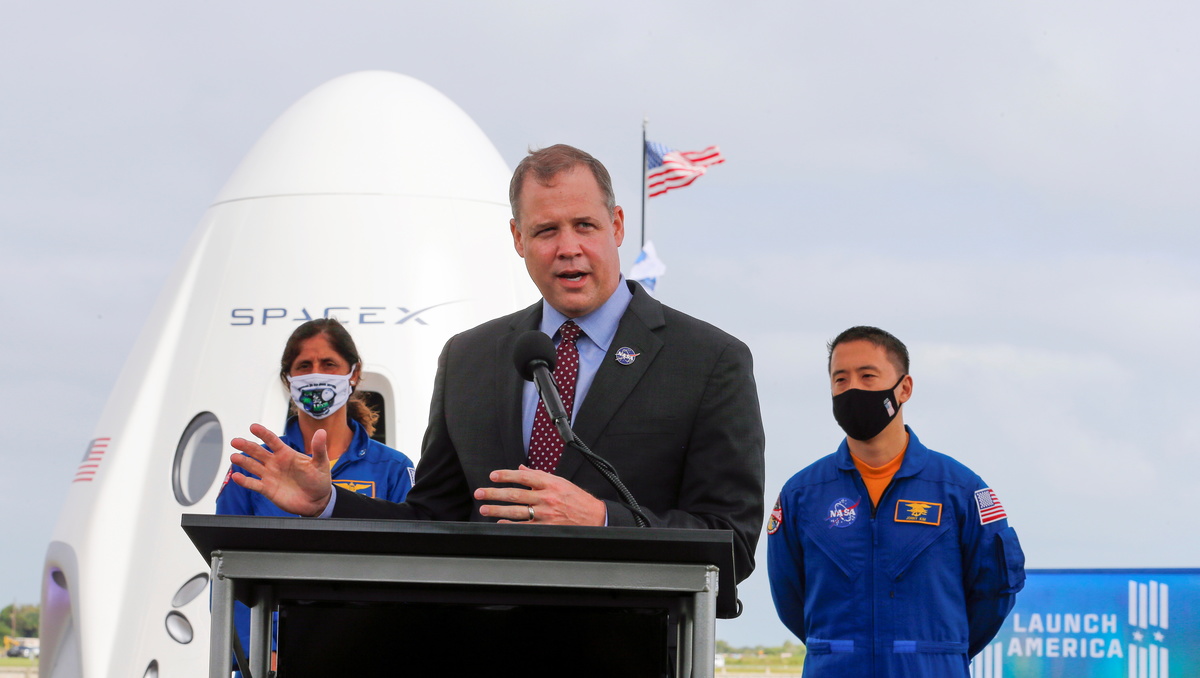
"The history being made this time is we’re launching what we call an operational flight to the International Space Station," NASA chief Jim Bridenstine said at a press conference at Kennedy Space Center on Friday.
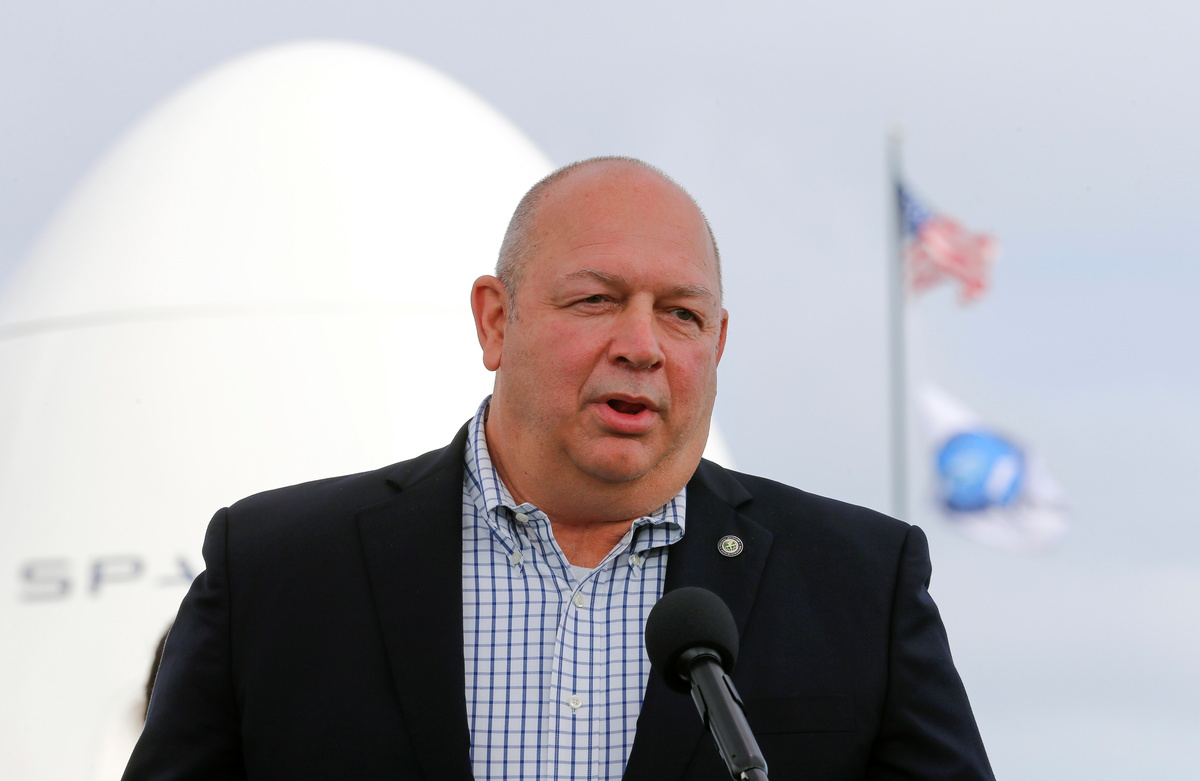
Musk, the billionaire Silicon Valley titan who also is chief executive of electric carmarker and battery manufacturer Tesla Inc, usually attends high-profile SpaceX missions in person. But his presence for the launch was thrown into question on Thursday after he said he had taken a series of four coronavirus diagnostic tests, with two coming back positive and two negative.
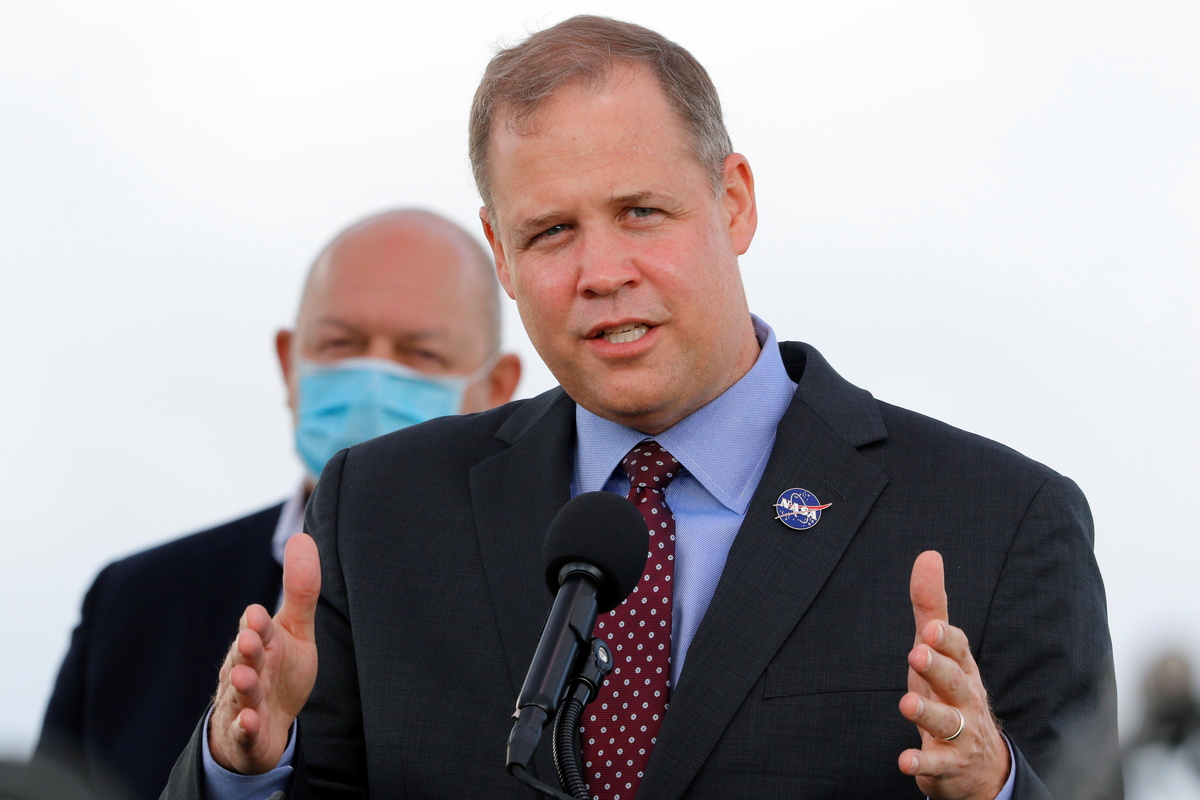
Asked if Musk would be in the launch control room for liftoff, Bridenstine said agency policy required employees to quarantine and self-isolate after testing positive for the disease, "so we anticipate that that will be taking place."
Whether Musk came into contact with the astronauts was unclear but unlikely since the crew has been in routine quarantine for weeks prior to the flight.
NASA contracted SpaceX and Boeing in 2014 to develop competing space capsules aimed at replacing the shuttle program that ended in 2011 and weaning the United States off dependence on Russian rockets to send U.S. astronauts to space.
Boeing’s first crewed test mission with its Starliner capsule is planned for late next year.
(Reporting by Joey Roulette; editing by Bill Tarrant and Leslie Adler)