SpaceX rocket with unmanned U.S. capsule blasts off for space station
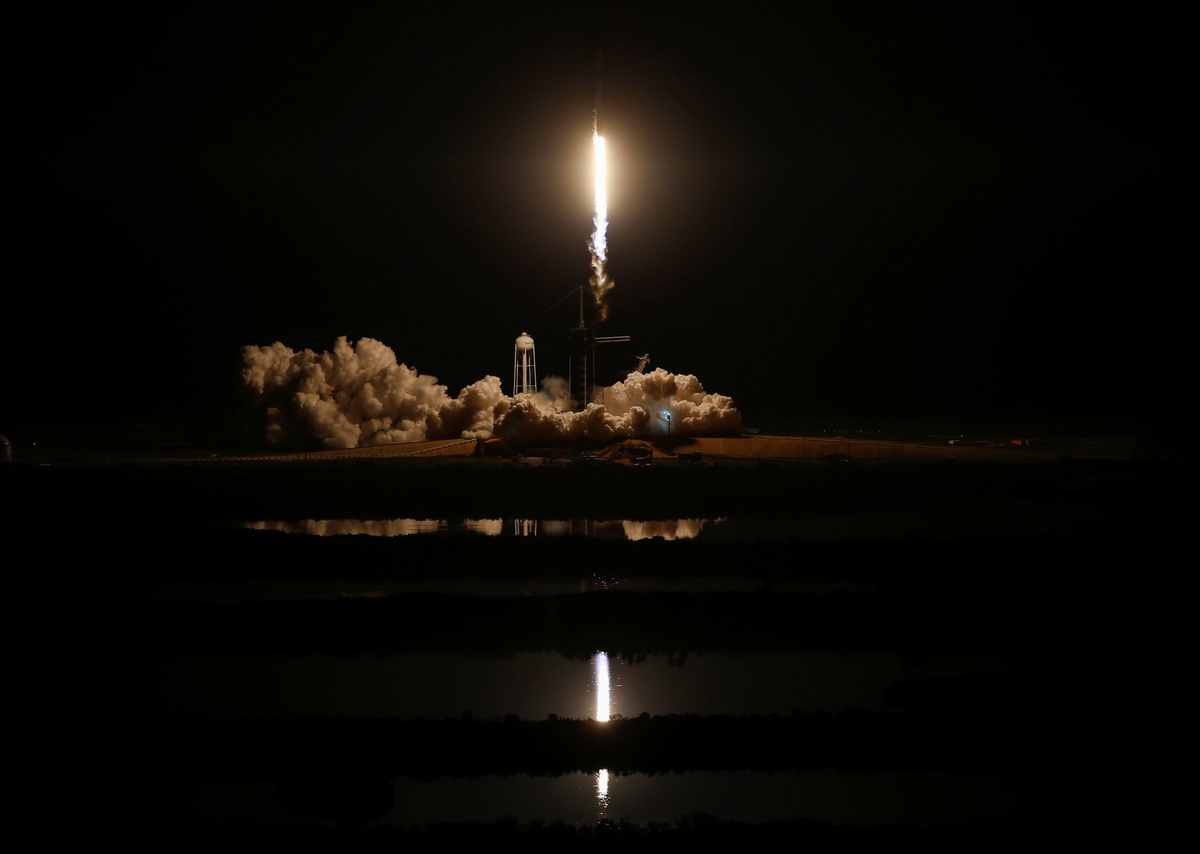
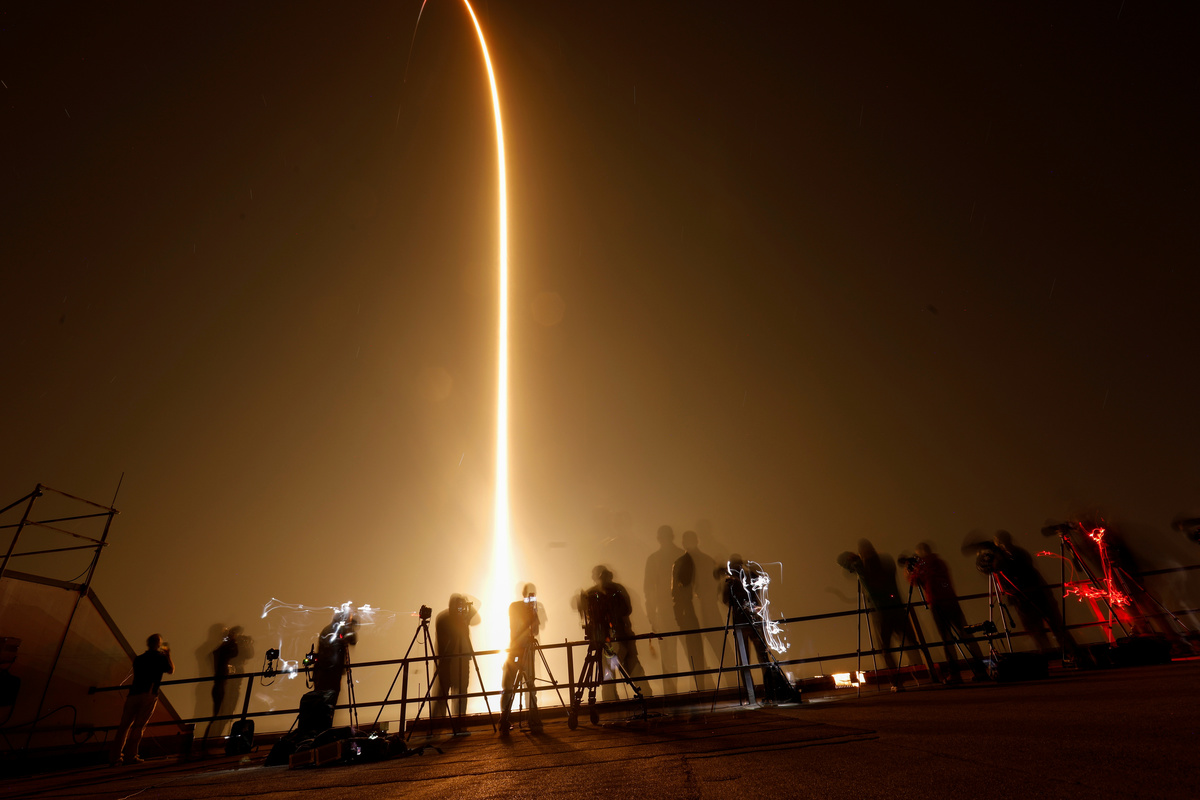
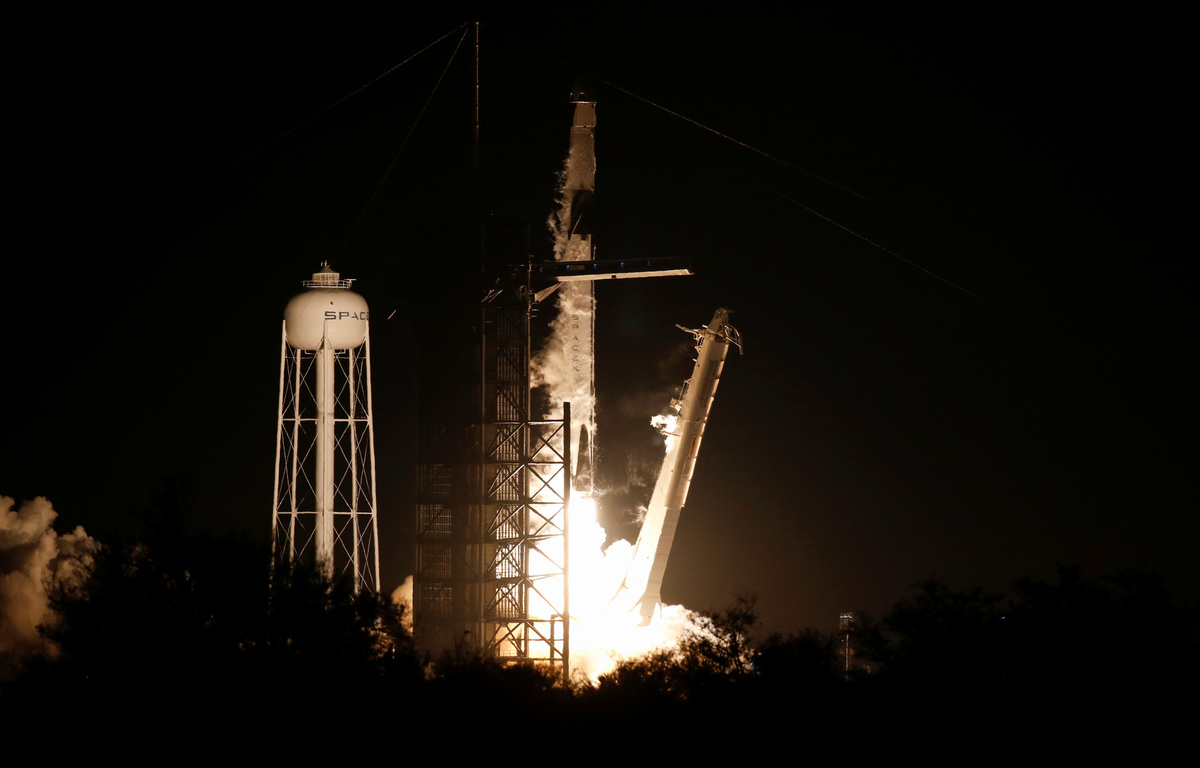
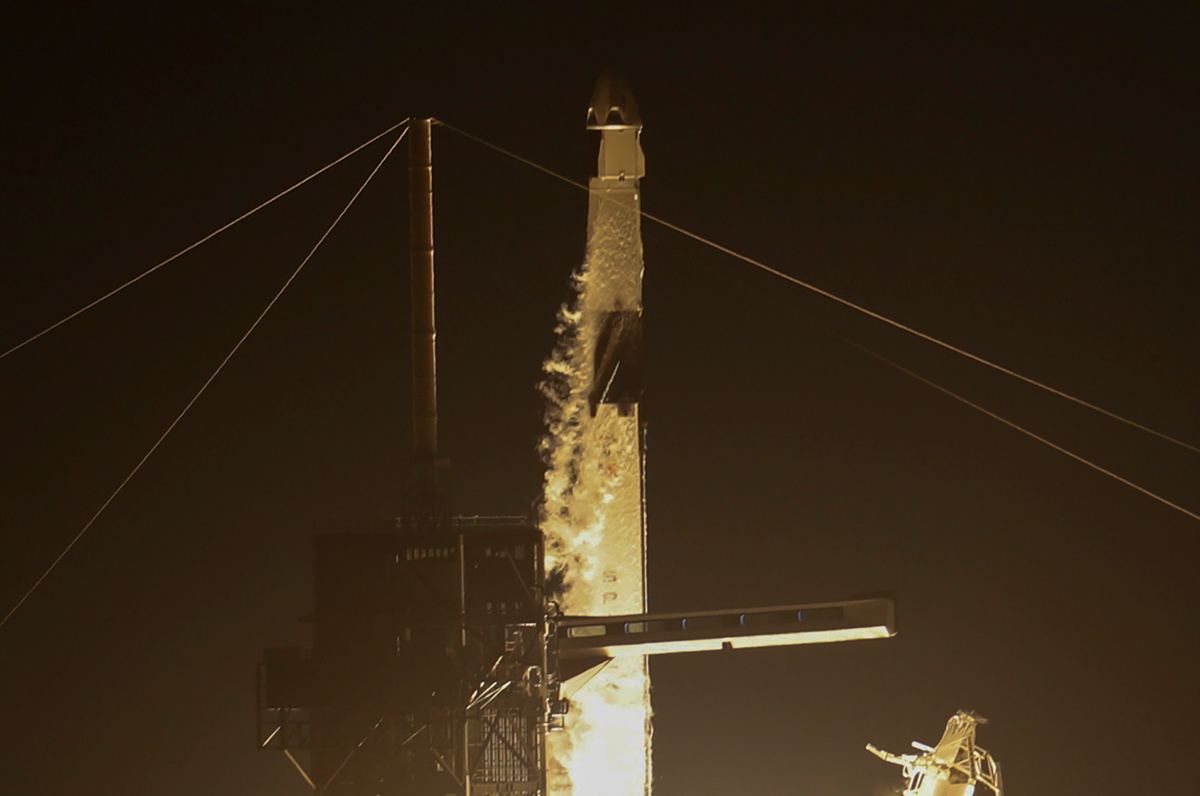
A SpaceX Falcon 9 rocket, carrying the Crew Dragon spacecraft, lifts off on an uncrewed test flight to the International Space Station from the Kennedy Space Center in Cape Canaveral, Florida, U.S., March 2, 2019. REUTERS/Mike Blake
(This March 2 story corrects paragraph 9 to read "into orbit" instead of "into space")
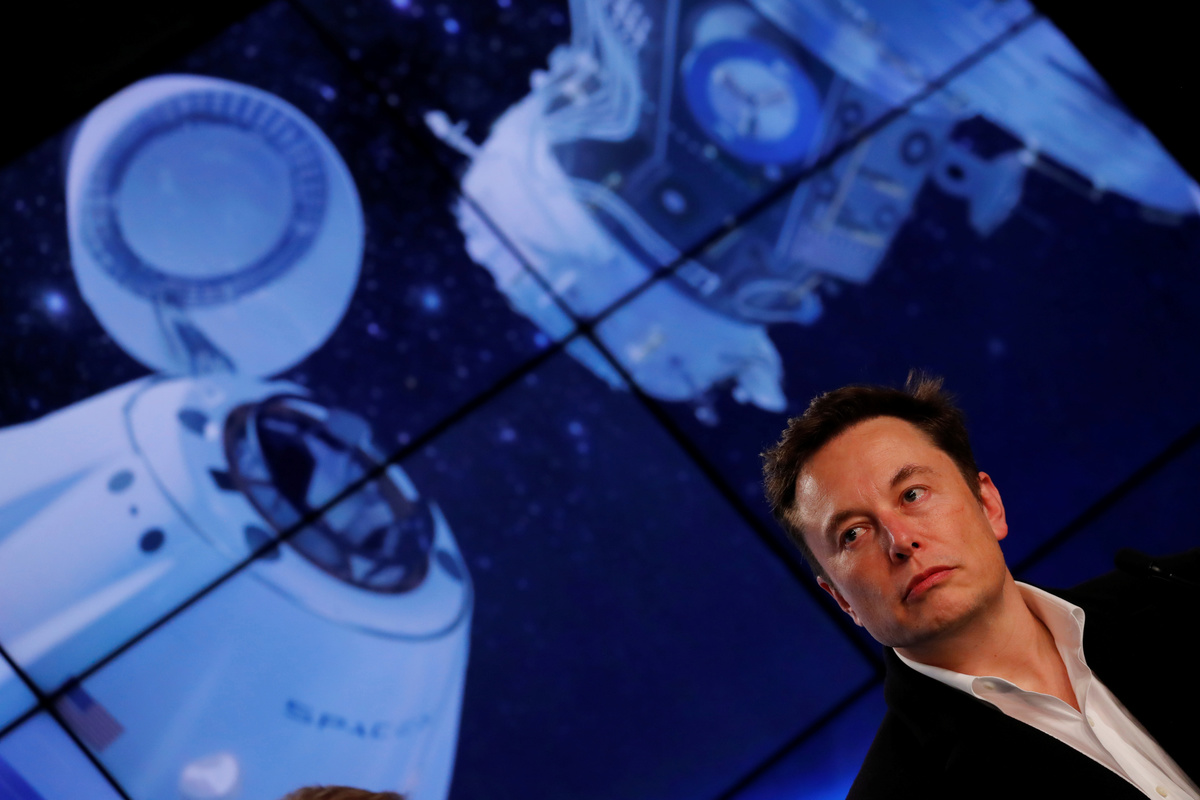
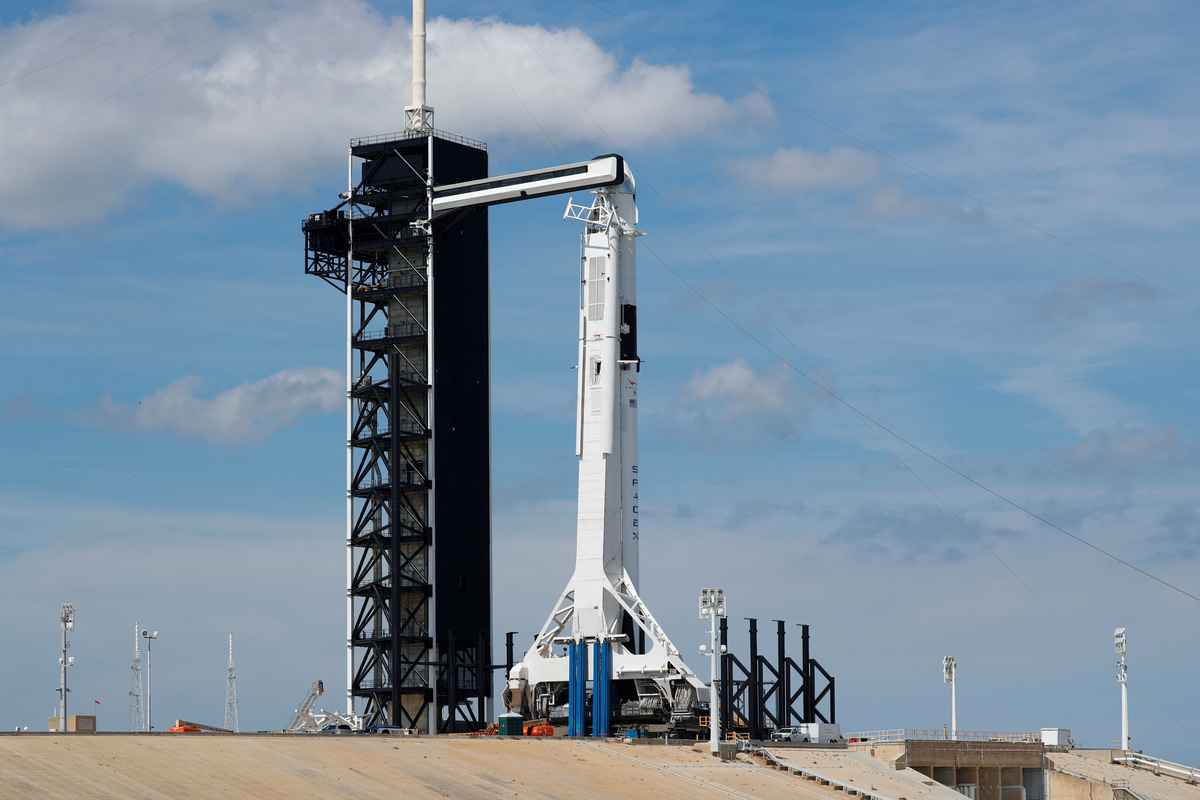
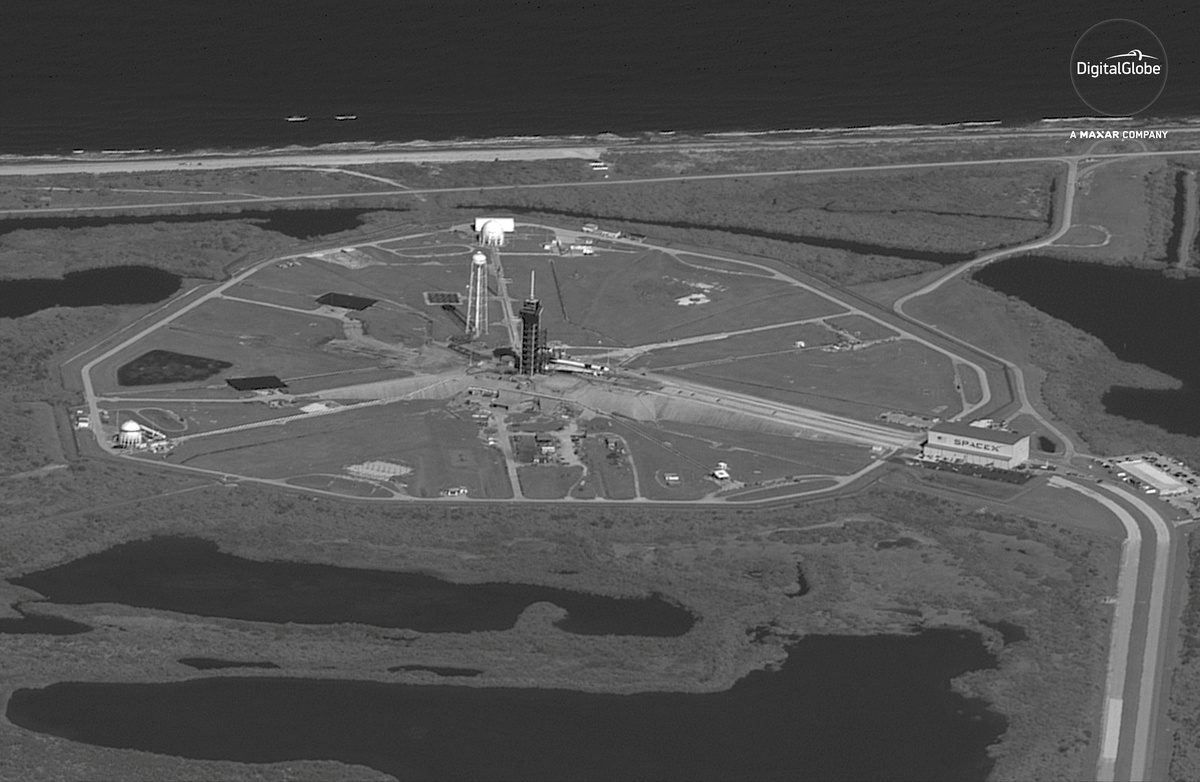
CAPE CANAVERAL, Fla. (Reuters) - A SpaceX rocket with an unmanned crew capsule blasted off on Saturday for the International Space Station, in a key milestone for Elon Musk's space company and NASA's long-delayed goal to resume human spaceflight from U.S. soil later this year.
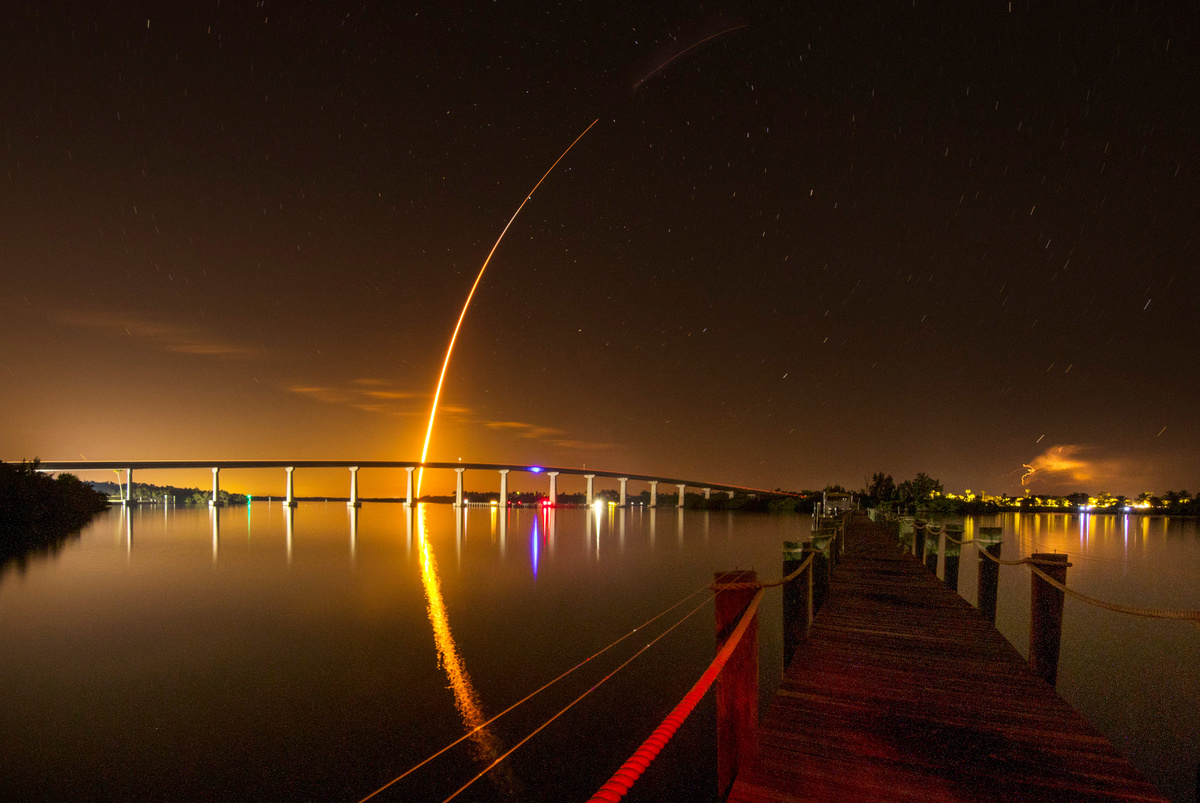
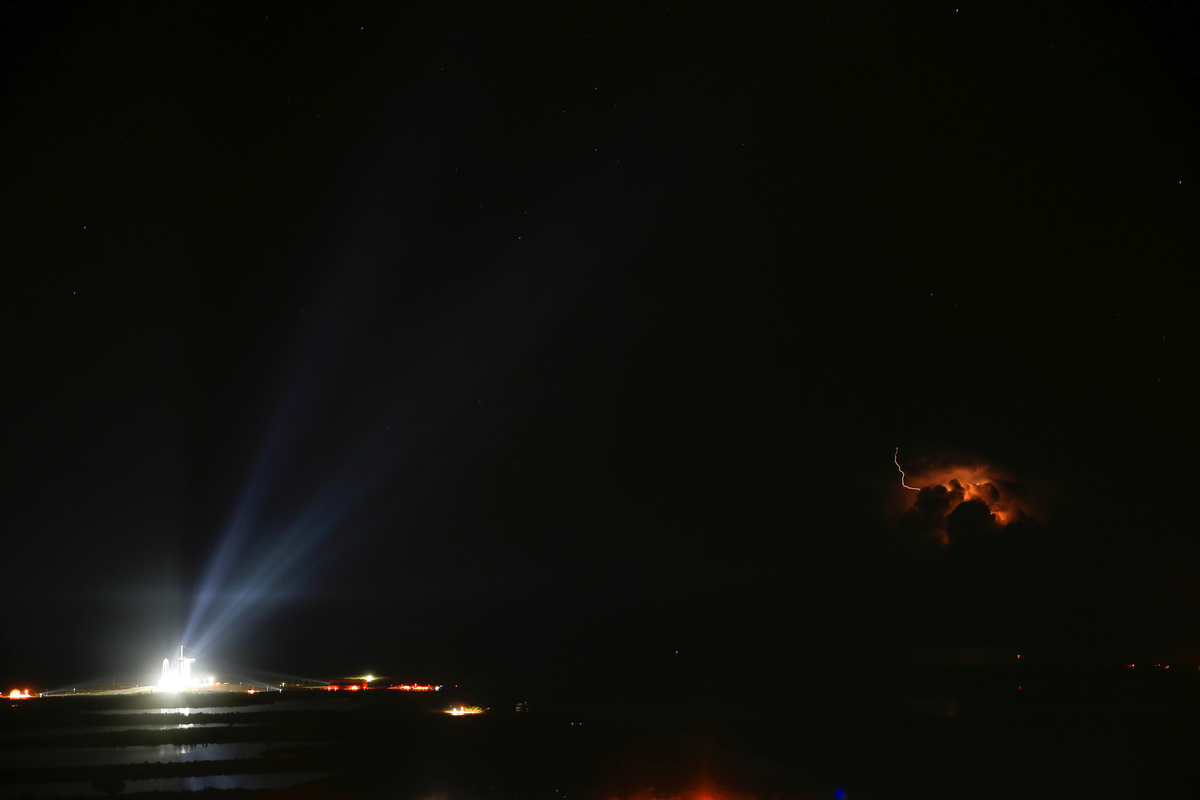
A SpaceX Falcon 9 rocket, carrying the Crew Dragon spacecraft, lifts off on an uncrewed test flight to the International Space Station from the Kennedy Space Center as viewed in Vero Beach, Florida, U.S., March 2, 2019. REUTERS/Joe Rimkus Jr.
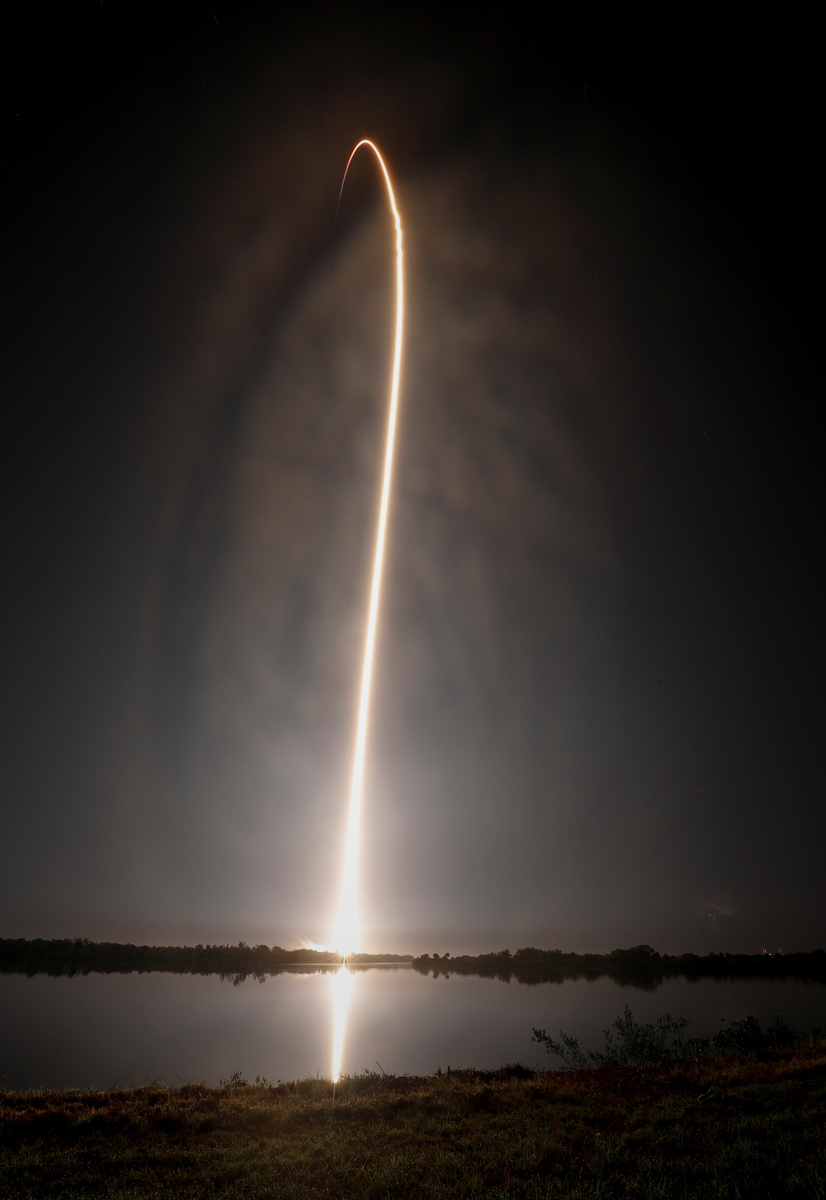
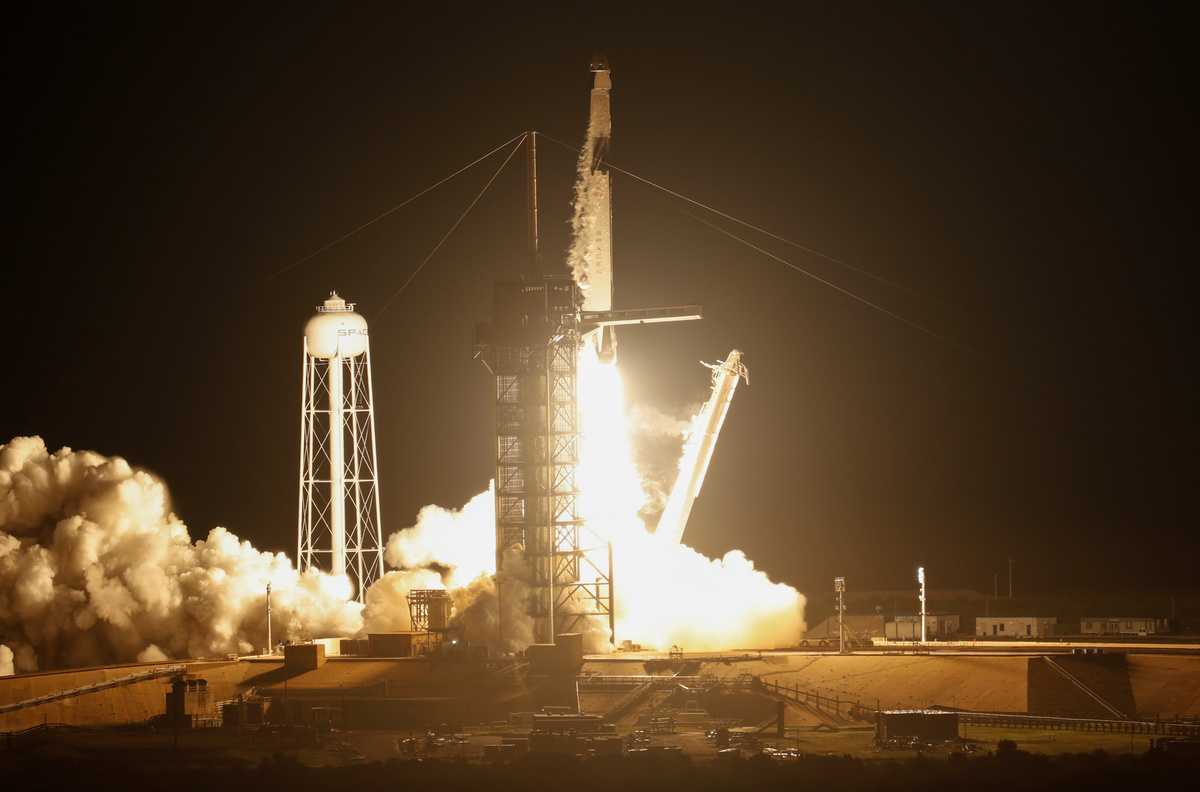
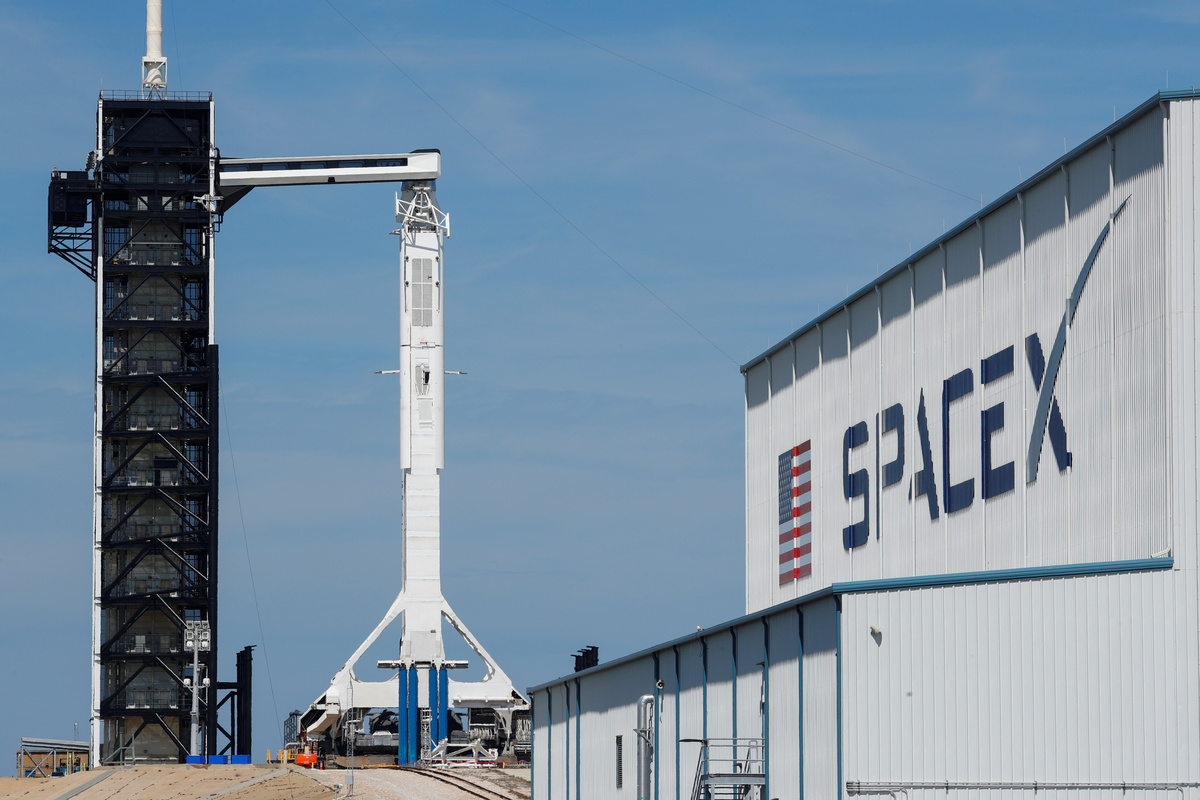
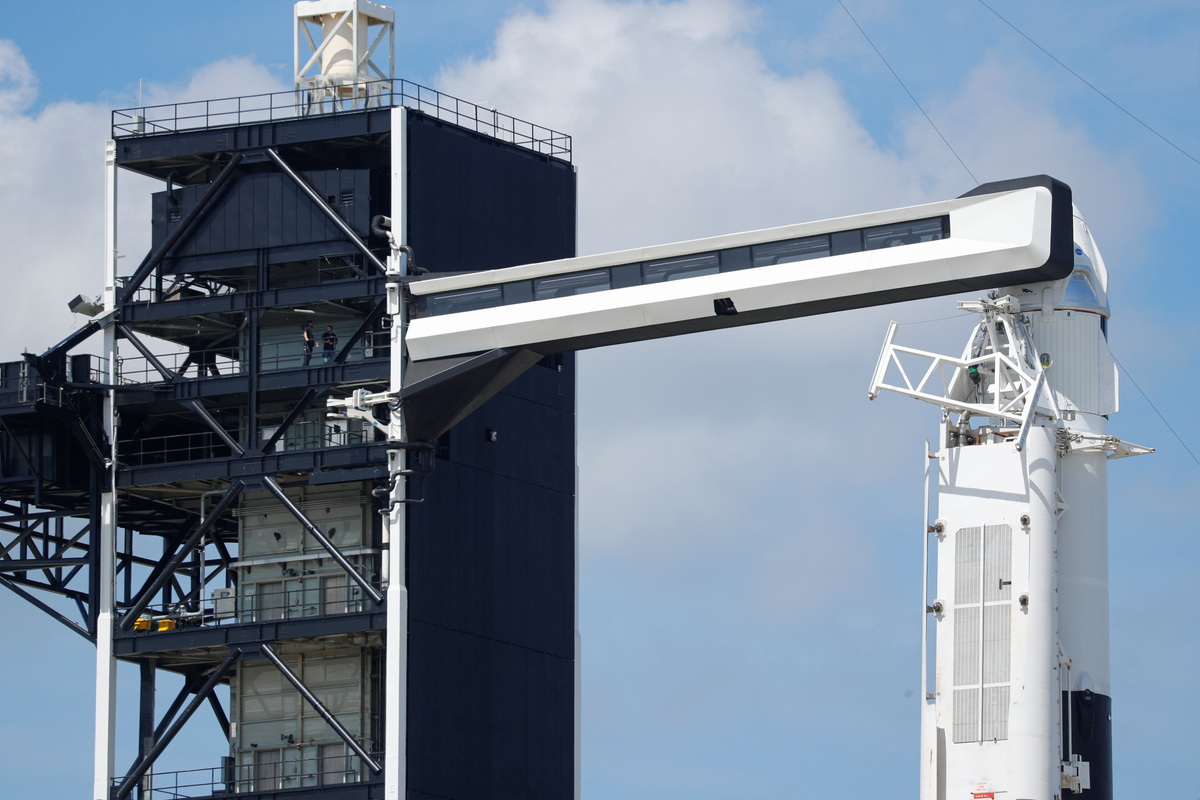
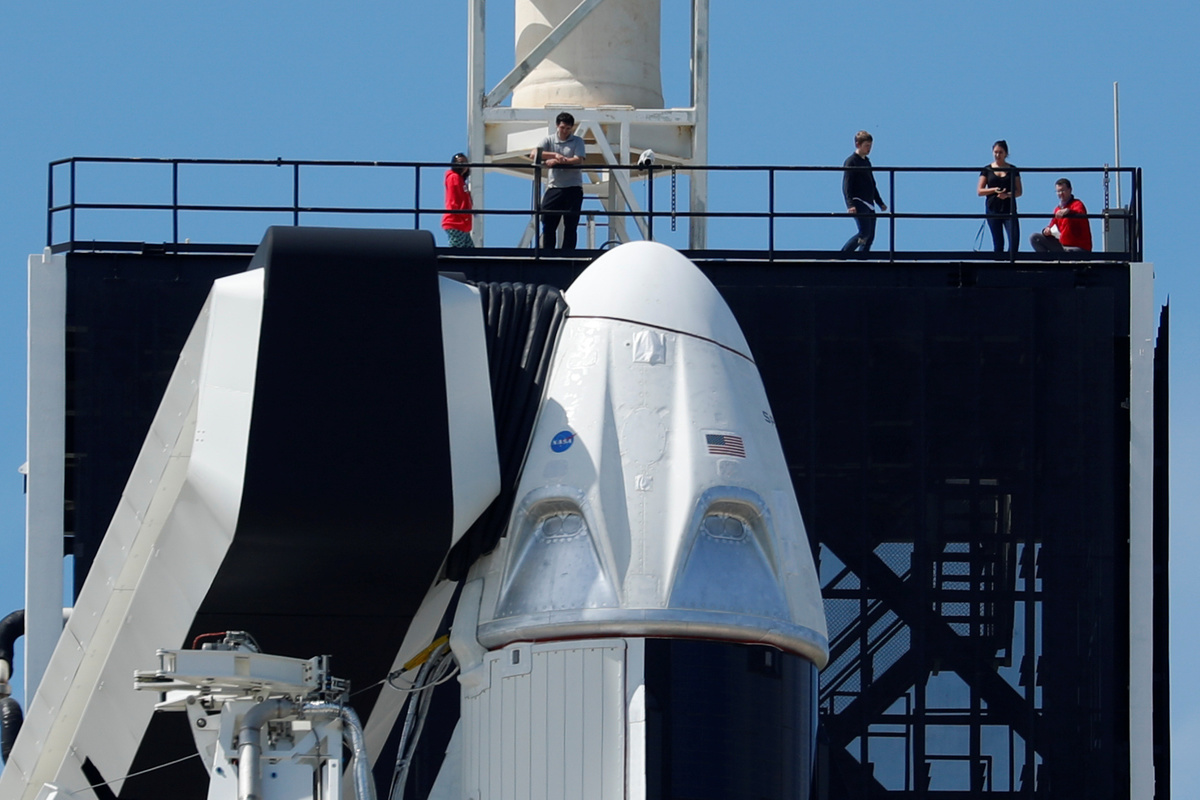
SpaceX's 16-foot-tall (4.9 meter) Crew Dragon capsule, atop a Falcon 9 rocket, lifted off from Florida's Kennedy Space Center at 2:49 a.m. (0749 GMT), carrying a test dummy nicknamed Ripley.
The capsule successfully separated from the rocket about 11 minutes later, sparking cheers in the control room, and began its journey to the space station.
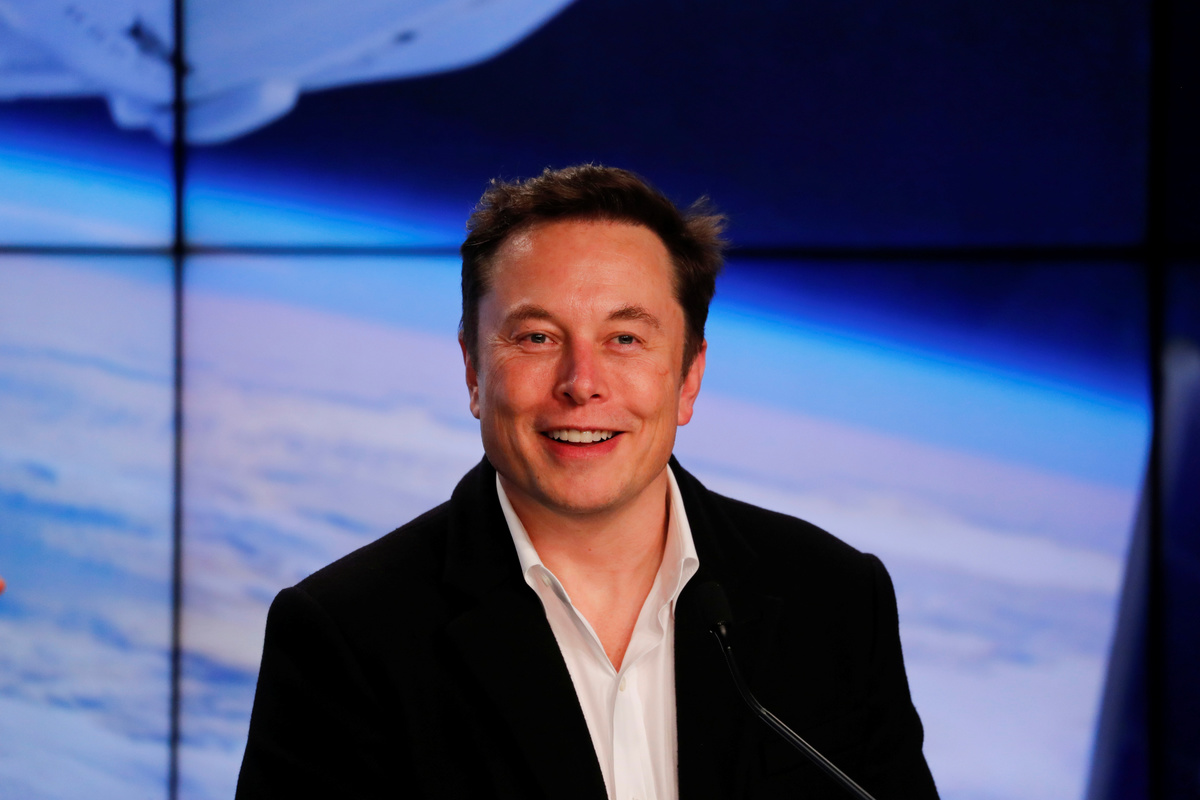
"I almost thought we would fail. I thought maybe we'd have a 10 percent chance of reaching orbit starting out," Silicon Valley billionaire Musk said of his feelings when he founded the space company in 2002.
A SpaceX Falcon 9 rocket, carrying the Crew Dragon spacecraft, lifts off on an uncrewed test flight to the International Space Station from the Kennedy Space Center in Cape Canaveral, Florida, U.S., March 2, 2019. REUTERS/Thom Baur
"I'm a little emotionally exhausted because that was super stressful, but it worked," he told reporters after Saturday's launch.
The space station's three-member crew was expected to greet the capsule, carrying 400 pounds (181 kg) of supplies and test equipment, early Sunday morning, NASA said.
During its five-day stay, U.S. astronaut Anne McClain and Canadian astronaut David Saint-Jacques will run tests and inspect Crew Dragon's cabin.
A SpaceX Falcon 9 rocket, carrying the Crew Dragon spacecraft, lifts off on an uncrewed test flight to the International Space Station from the Kennedy Space Center in Cape Canaveral, Florida, U.S., March 2, 2019. REUTERS/Mike Blake
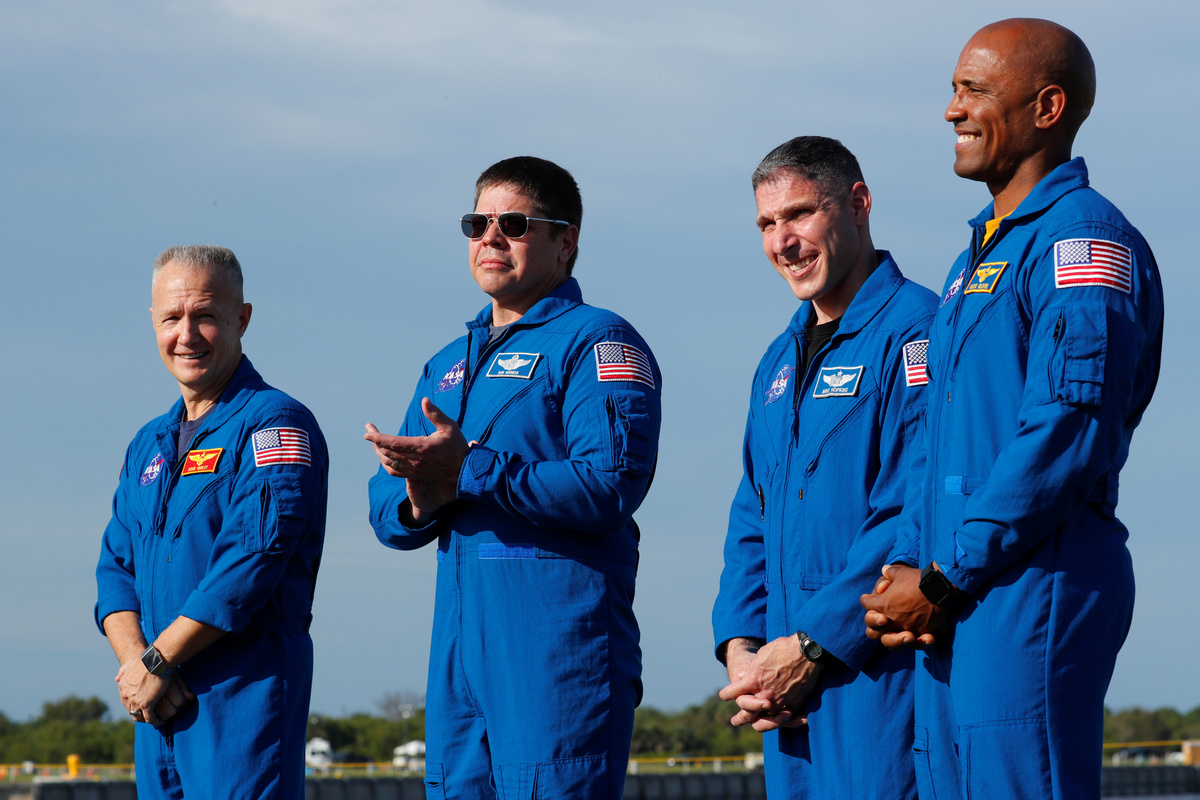
NASA has awarded SpaceX and Boeing Co <BA.N> $6.8 billion to build competing rocket and capsule systems to launch astronauts into orbit from American soil for the first time since the U.S. Space Shuttle was retired from service in 2011.
Either SpaceX or Boeing will have bragging rights as the first private company to launch humans into orbit on its own rocket, although plans call for rockets built by both companies to carry astronauts into space.
The launch systems are aimed at ending U.S. reliance on Russian rockets for rides to the $100 billion orbital research laboratory, which flies about 250 miles (400 km) above Earth, at about $80 million per ticket.
A SpaceX Falcon 9 rocket, carrying the Crew Dragon spacecraft, lifts off on an uncrewed test flight to the International Space Station from the Kennedy Space Center in Cape Canaveral, Florida, U.S., March 2, 2019. REUTERS/Mike Blake
While Saturday's SpaceX test mission is a crucial step in the oft-delayed project, there are questions about whether NASA can achieve its 2019 flight goal of manned flight.
Reuters reported on Feb. 21 that SpaceX and Boeing both must address significant design and safety concerns before they can fly humans.
Early on Friday, Musk, who is also chief executive officer of electric carmaker Tesla Inc <TSLA.O>, tweeted a photo of the inside of Crew Dragon capsule with Ripley strapped inside.
A SpaceX Falcon 9 rocket, carrying the Crew Dragon spacecraft, lifts off on an uncrewed test flight to the International Space Station from the Kennedy Space Center in Cape Canaveral, Florida, U.S., March 2, 2019. REUTERS/Joe Skipper
SpaceX said the spacesuit for Ripley, apparently a reference to the protagonist in the science fiction movie "Alien", has been embedded with sensors around its head, neck, and spine to monitor how a flight would feel for a human.
(Reporting by Joey Roulette in Cape Canaveral; Editing by David Gregorio, Kim Coghill and Ros Russell)