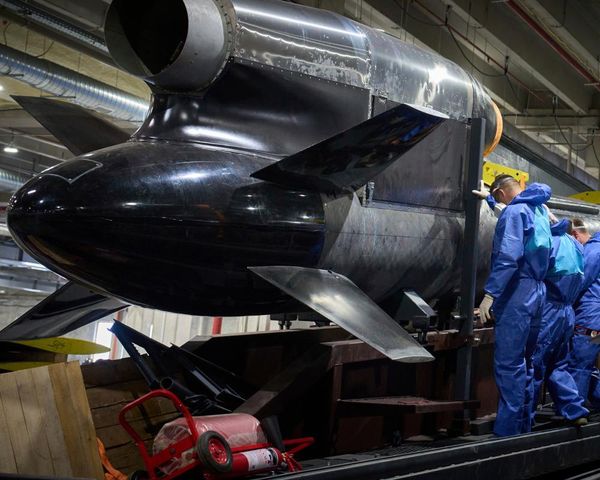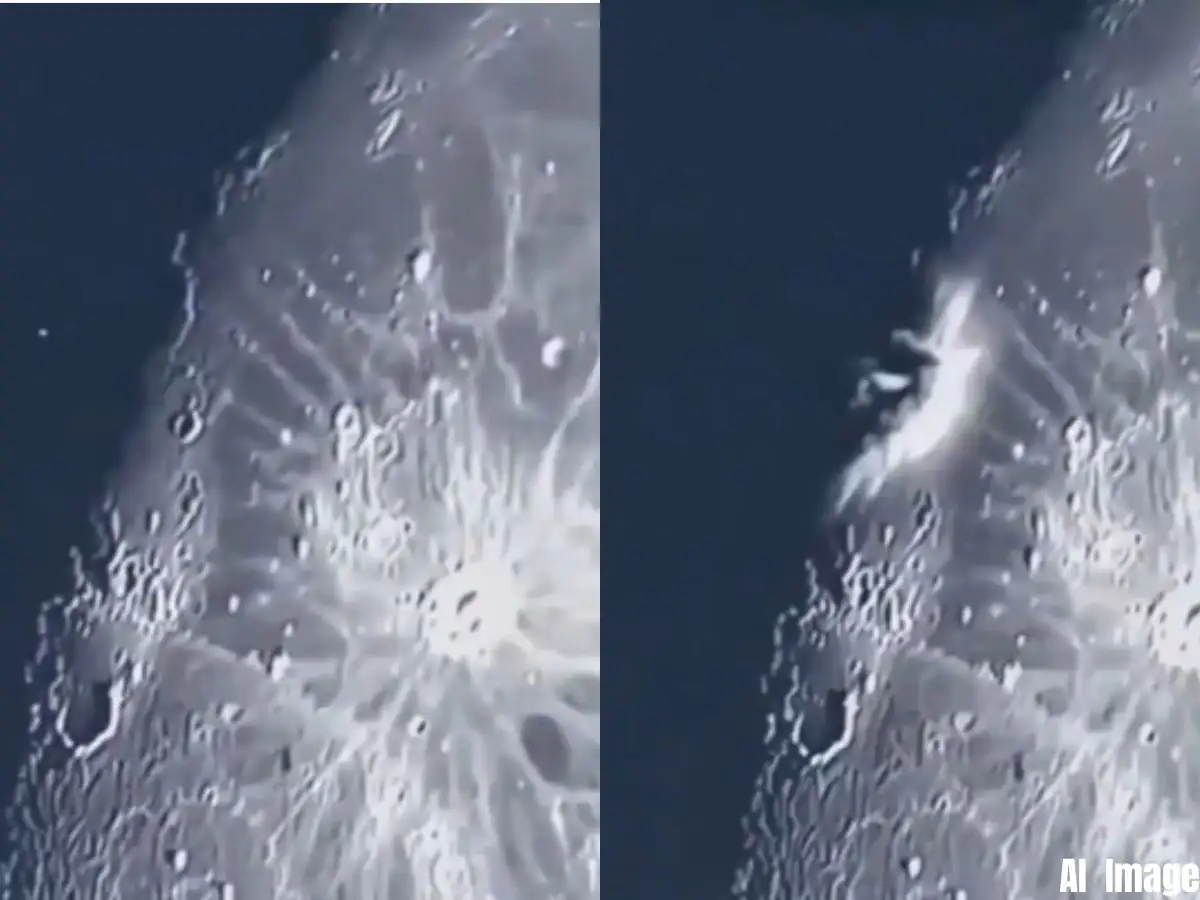
A four-ton rocket stage left over from a SpaceX launch slammed into the moon before dawn on Wednesday, hitting at roughly 5,400 miles per hour near the crater Einstein on the moon's far western edge. The object was the second stage of a Falcon 9 rocket that had helped send a Firefly Aerospace lunar lander on its way in January 2025. SpaceX says the crash was never planned. Telescopes on Earth still managed to catch it happening.
Nobody was hoping for this collision, but astronomers weren't exactly disappointed either. Space debris smacks into the moon every so often, yet it's rare for anyone to get a clean read on the flash. This time, a telescope in Chile picked up a faint chemical signature rising off the surface, giving scientists an unusual, almost live, snapshot of what happens when a chunk of Earth-made metal meets lunar soil at highway-plus-a-zero speeds.
The Size of a School Bus, Moving Like a Bullet
The rocket stage was roughly the size of a school bus and weighed about 4,000 kilograms. It struck the moon around 2:35 a.m. ET, right along the terminator line, the fuzzy border where lunar day fades into lunar night. None of the handful of spacecraft currently orbiting the moon happened to be pointed the right way to snap a close-up. So the sharpest evidence came from roughly 240,000 miles away, at the European Southern Observatory's Very Large Telescope, perched on a mountaintop in Chile.