

For the past few years, artificial intelligence has largely meant chatbots. Every few weeks, Anthropic, OpenAI and Google (among others) race to launch a smarter, faster model before the competition.
And while the simple interface helped launch the AI boom, it also made AI approachable for the average person to use. But one of the biggest AI deals of the year suggests the industry may already be moving beyond chatbots.
According to Reuters, SpaceX has agreed to acquire Cursor maker Anysphere in a deal valued at roughly $60 billion. While most chatbot users have never heard of Cursor, developers have embraced it as one of the most powerful AI coding assistants available today.
And that's exactly why this aqcuisition is a really big deal.
SpaceX is betting on agents

When ChatGPT launched in late 2022, the breakthrough wasn't just the technology. It was the interface, which made AI feel as simple to use as sending a text message.
The chat window became the default way we interacted with AI and even searched the web. Upon OpenAI's success, every major company followed suit. Google built Gemini, Anthropic built Claude and Microsoft integrated Copilot across its products. Even Elon Musk's xAI launched Grok.
Now, the most valuable AI tools are increasingly moving away from answering questions and toward completing tasks. That's where Cursor comes in. Unlike a traditional chatbot, Cursor isn't designed primarily for conversation, but rather built to help developers write, edit, understand and debug software. Instead of acting like an assistant you chat with, it becomes part of the workflow itself. The goal for AI agents is to help someone work more efficiently.
Why investors are paying attention
A $60 billion valuation sounds shocking until you look at where AI companies are actually making money. Users love free chatbots. Businesses will willingly pay for productivity solutions. That's exactly why coding assistants have become the hottest categories in AI.
Companies are discovering that AI tools capable of saving employees hours each week are often easier to monetize than general-purpose chatbots. If an AI coding assistant helps a developer complete projects faster, the return on investment becomes relatively easy to calculate.
Developers tend to be early adopters. They use AI all day, every day. And unlike casual chatbot users, they're often willing to pay significant subscription fees if the tools genuinely improve their productivity. The result is a growing market for AI systems that function less like conversational partners and more like coworkers.
The chat window is becoming a control panel
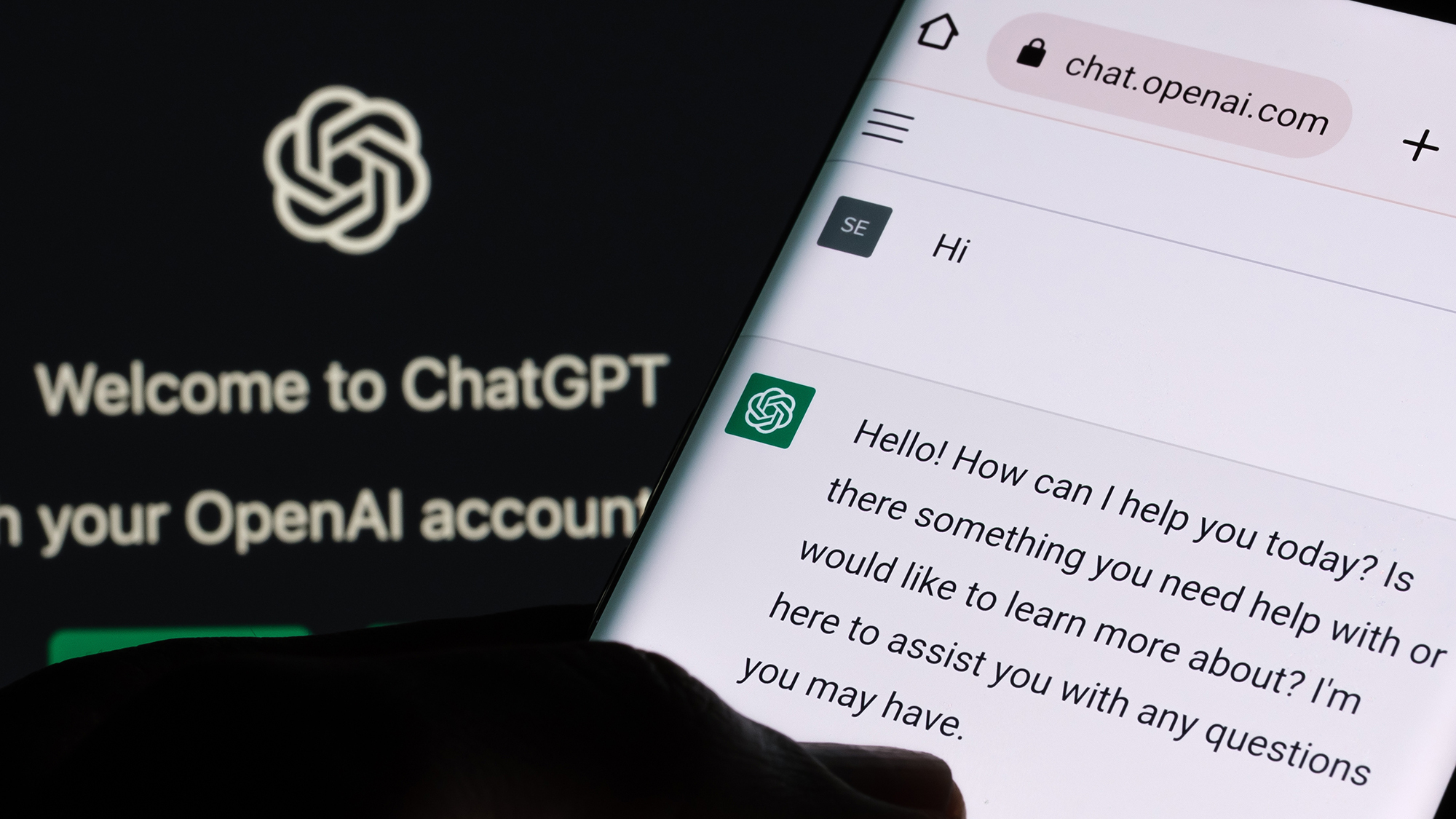
I've written before that the chatbot era may already be ending, even if most people haven't noticed yet. The reason is simply that the interface is becoming less important than the actions happening behind it.
OpenAI is building tools that can perform tasks on your behalf, Anthropic continues expanding Claude's project capabilities, and Google is embedding AI deeper into Search, Workspace and Android. And while the chat box still exists, it's inceasingly becoming a command center rather than the destination itself.
Coding assistants like Cursor are one of the clearest examples of the latest shift because software development is highly structured work. But the same idea is spreading into research, customer support, content creation, scheduling, shopping and countless other tasks.
What this means for everyday users
If you're wondering why you need Cursor right now, don't worry. Most people won't start using Cursor tomorrow. But, it is worth paying attention to why this acquisition happened. It says a lot about the way opportunities for AI are shifting towards building entire systems that can handle large chunks of work with minimal supervision.
For employees who currently use chatbots for answers, SpaceX's purchase highlights the fact that AI might be closer to becoming a coworker. It will be interesting to see how the next phase of the AI race takes on a new face as big tech races to build the most useful agent.
Follow Amanda Caswell and stay ahead of the AI curve