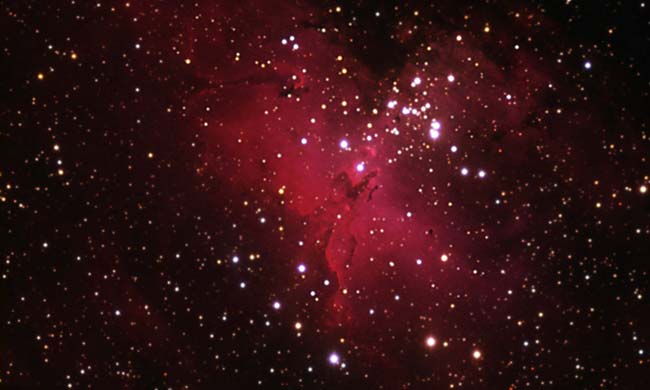
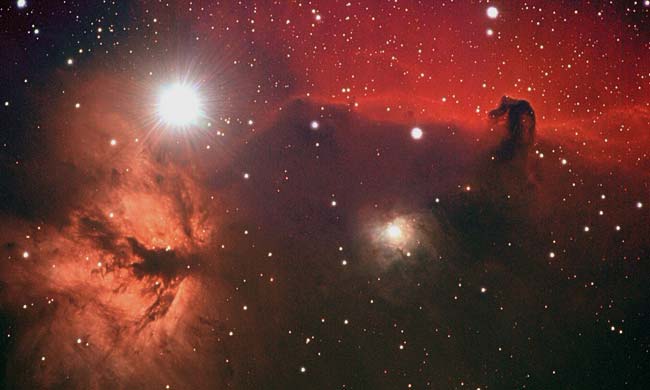
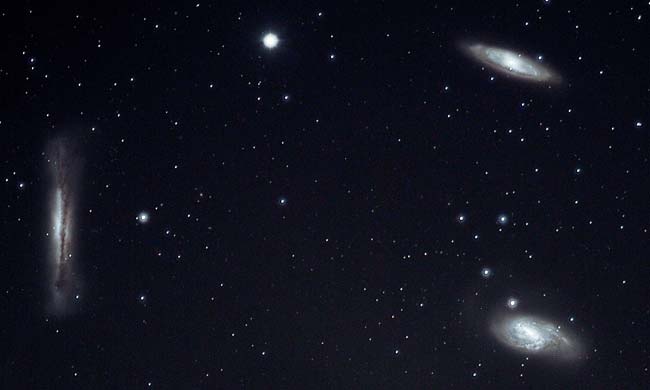
Eagle Nebula in the constellation of Serpens - a starbirth region Photograph: Tom O'Donoghue/Ed EwingThe Horsehead and Flame Nebulae in OrionPhotograph: Chantal Chevailler and Olly Penrice/Ed EwingThe ‘Leo Triplet’ of three galaxies, at a distance of about 35 million light years. This view can be duplicated at the eyepiece of a large, 20-inch aperture reflecting telescope Photograph: Olly Penrice/Olly Penrice
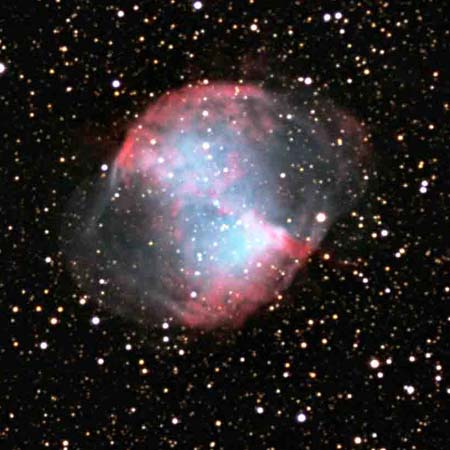
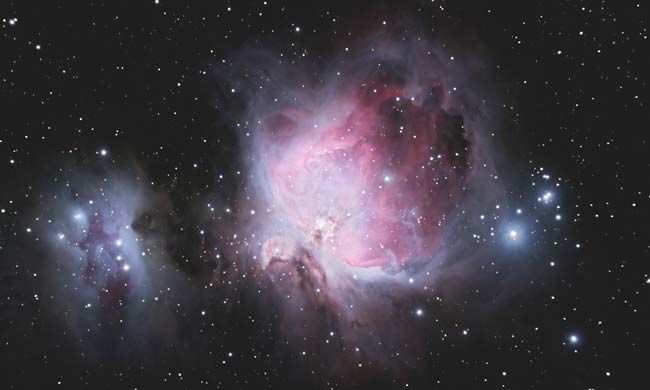
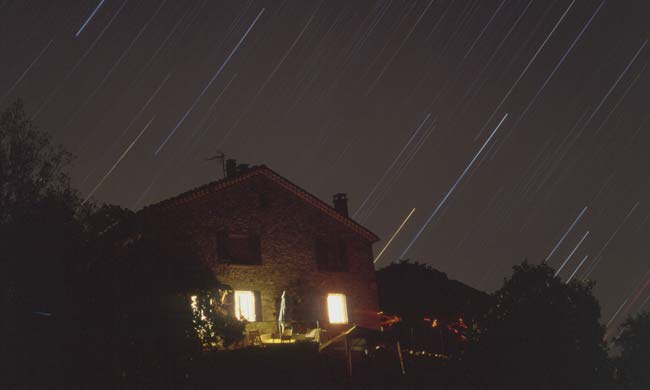
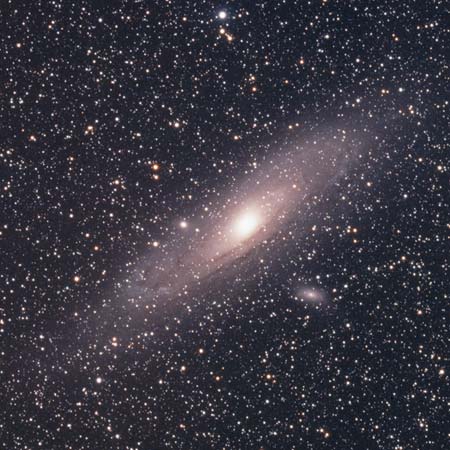
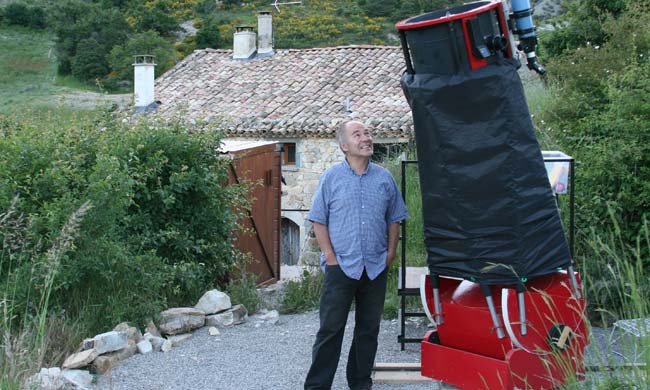
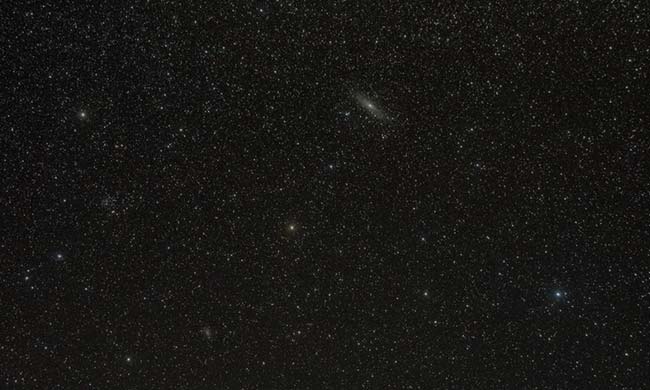
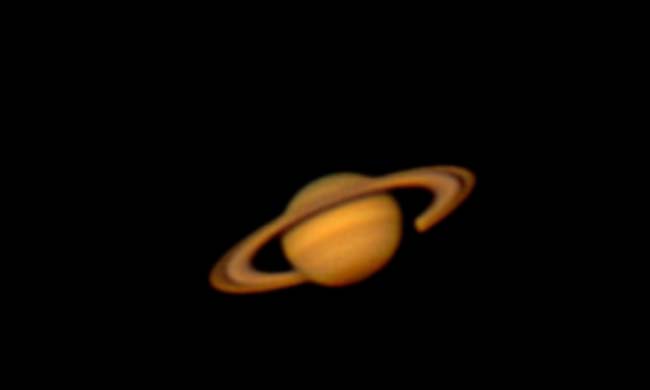
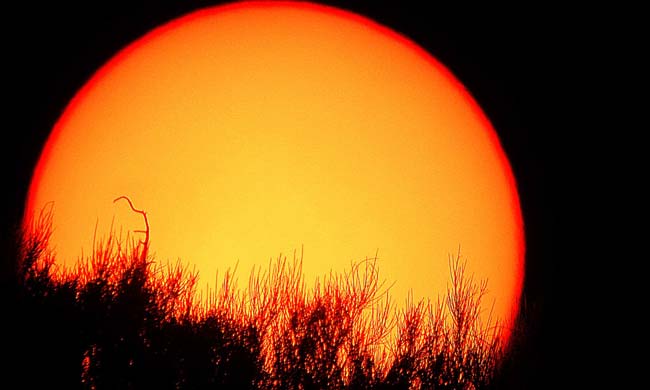
Death of a sun-like star. The planetry nebula Messier 27 drifts out into spacePhotograph: Ton Couperus/Ed EwingThis prize-winning image by Dutch astrophotographer Frans Kroon depicts the famous M42, or Great Nebula in Orion. Less dense than a terrestrial laboratory vacuum, it is the birthplace of many massive, hot young starsPhotograph: Frans Koon (www.franskroon.nl)Waiting for nightfall. This scanned slide traces the apparent movement of the sky over 45 minutes. The ghostly red trails are created by the head torches of guest astronomers as they prepare for a night’s astrophotographyPhotograph: Maurice Toet /Maurice ToetA closer look at the Andromeda galaxy and its much smaller satellite galaxies, M32 and M110. Studies of a variable star within this ‘nebula’ enabled Edwin Hubble to demonstrate, in the 1920s, that it lay far beyond the Milky Way Photograph: Maurice Toet/Maurice ToetOlly Penrice and his half-metre telescopePhotograph: Ed Ewing/Ed EwingThe constellation of Andromeda is home to M31, the only galaxy beyond our own that most naked-eye observers can detect. At a little over 2 million light years, it shows here as a tiny, faintly elongated streak. In reality is a little more massive than our own Milky Way Photograph: Phil Moore/Phil MooreSaturn, February 2007. An inexpensive webcam in Olly Penrice's 10-inch telescope was used to capture the ringed planetPhotograph: Olly PenriceSunset at Les Granges. The ‘limb darkening effect’ seen here arises because the outer layers of the Sun are cooler, and so a deeper colour, than the underlying layers. Don’t harm your eyes by trying to detect this directly. Taken with a compact digital camera and filtered telescopePhotograph: Olly Penrice/Olly Penrice
Sign up to read this article
Read news from 100’s of titles, curated specifically for you.



.jpg?w=600)