South Korean doctors are currently protesting in the country's capital due to being overworked and underpaid. The government's plan to increase medical school admissions is not seen as a viable solution to the ongoing issues. The protests have led to disruptions in major hospitals, causing health care centers and emergency rooms to reject patients.
Approximately 10,000 junior doctors, representing 80% of all residents, have submitted their resignations as part of the demonstrations. The discontent stems from the government's proposed health care system overhaul, driven by the challenges posed by an aging population.
The South Korean government anticipates a potential shortage of 15,000 doctors by 2035 if the matter is not addressed promptly. Their proposed solution involves training an additional 2,000 medical students by 2025. However, current doctors argue that they are already overburdened, with some working up to 100 hours per week, and are demanding systemic reforms before increasing the number of medical students.
The standoff between the doctors and the government has resulted in public inconvenience, with individuals being turned away from medical facilities. The situation has prompted calls for constructive dialogue between the medical industry and the government to reach a mutually beneficial agreement.
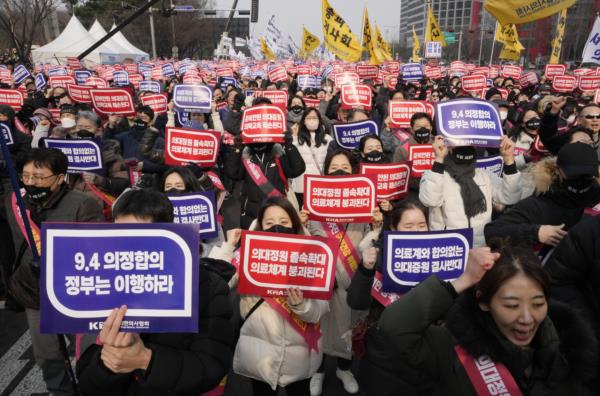
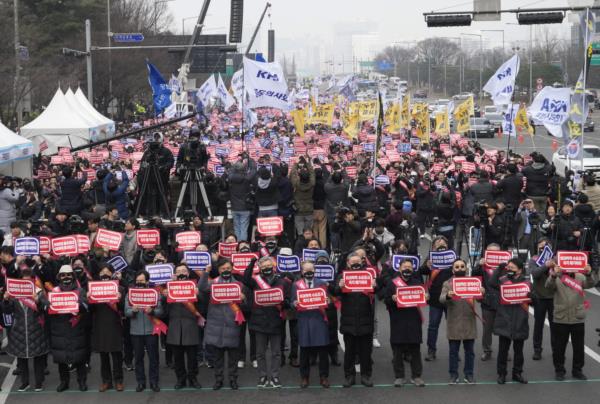

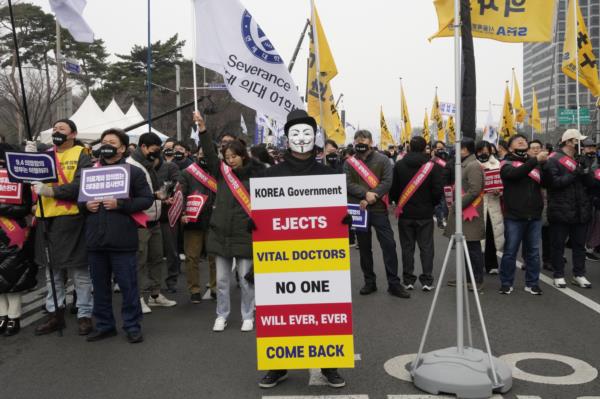
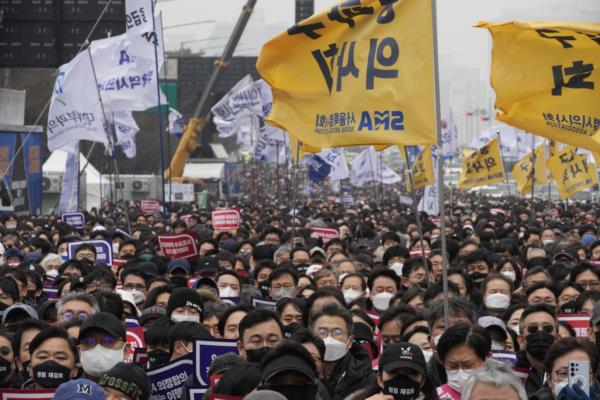
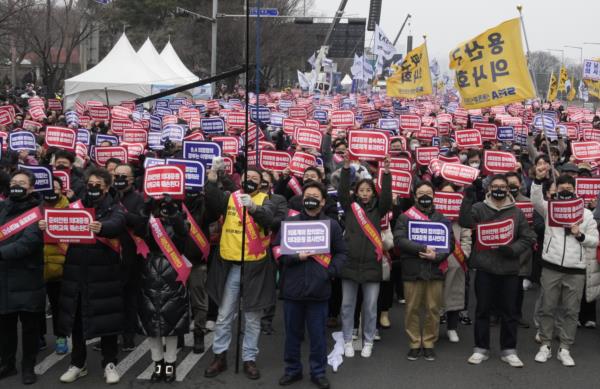
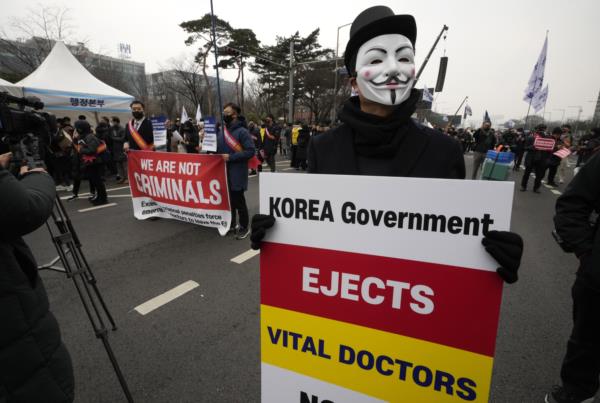

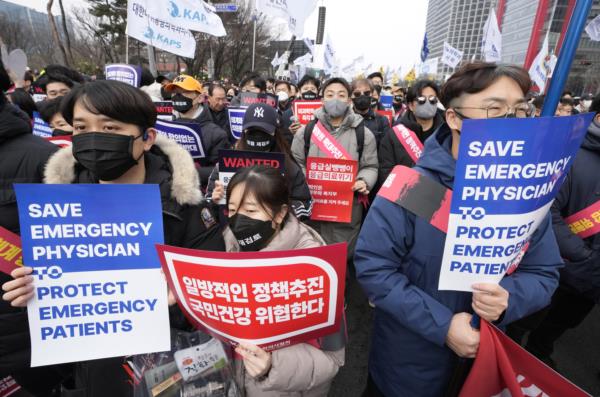
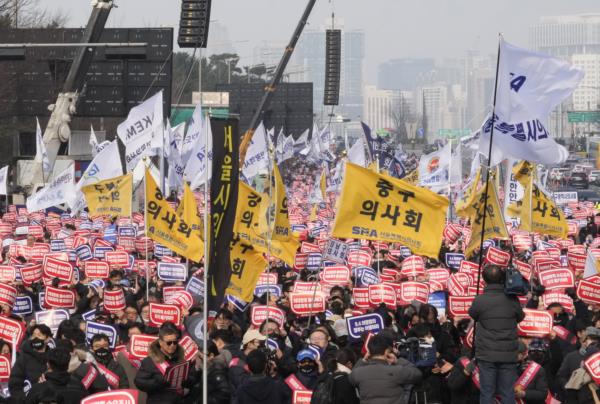
Despite facing threats of license revocation, fines, and potential jail time, the protesting doctors remain steadfast in their demands. The government is now exploring alternative options, such as utilizing military and community doctors to mitigate the impact of the ongoing strike.
Hospitals are struggling to cope with the absence of protesting doctors, leading to delays in emergency procedures. The government aims to redistribute resources to essential medical areas like pediatrics and general practice, emphasizing the need for qualified doctors in crucial fields.
Furthermore, efforts are being made to incentivize doctors to work in rural and regional areas, although a proposed bill addressing this issue was blocked by the opposition ahead of an upcoming election on April 10th.