South Korean prosecutors have filed the country’s first criminal case involving the use of AI-powered smart glasses to cheat in a national qualification examination.
The Gwangju district prosecutor’s office last month indicted a man in his 40s on charges of violating the National Technical Qualification Act after he was allegedly caught using AI-enabled smart glasses during an examination in May, according to local media reports.
The man was detected after an supervisor for the fire protection facilities engineer certification exam noticed light reflecting from the lenses of his glasses during the examination in Gwangju, according to the Korea JoongAng Daily, which cited legal sources.
During questioning, he reportedly admitted to cheating and told investigators he had developed an AI application linked to the glasses “and wanted to see whether it could generate correct answers in a real exam”.
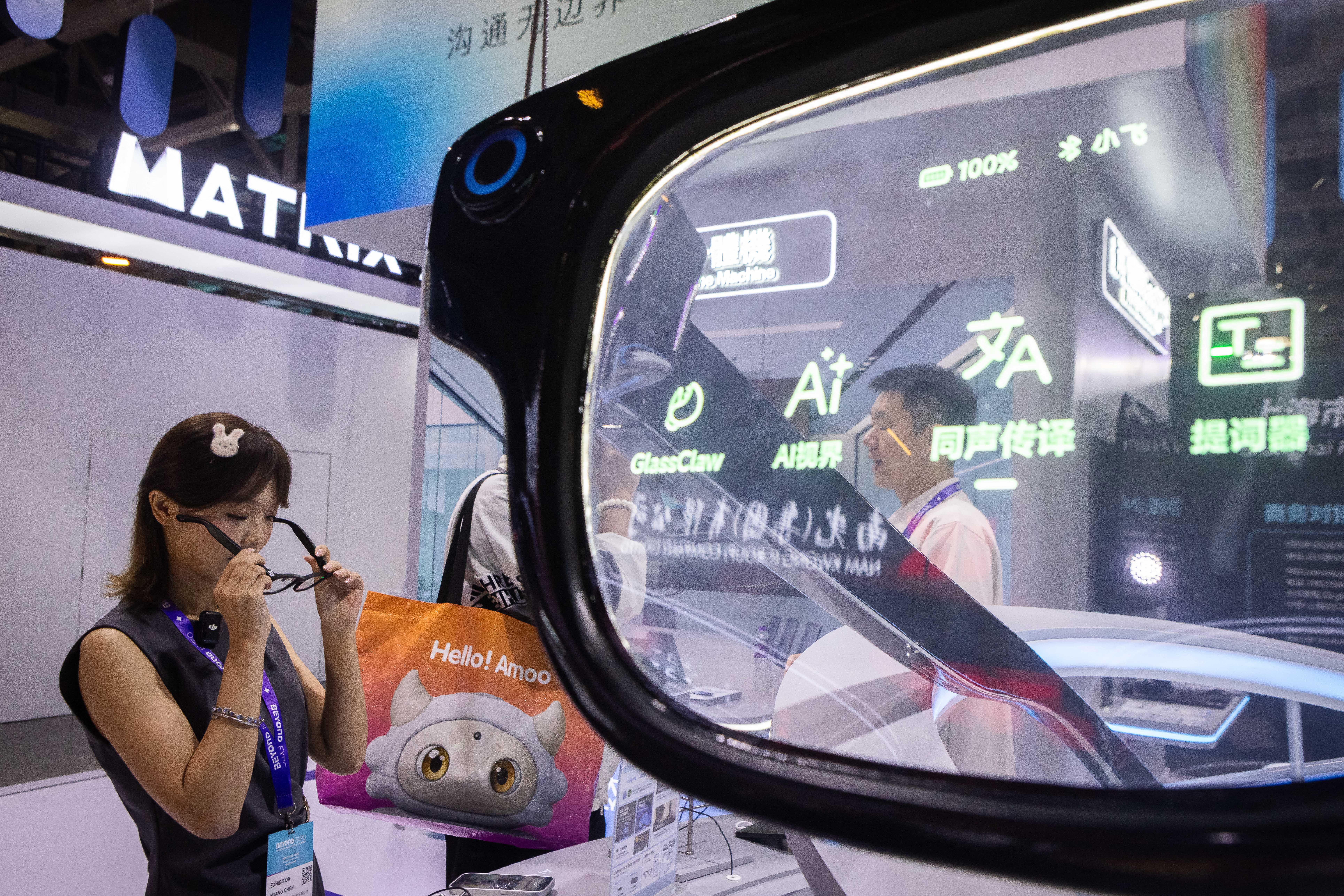
Authorities say it is not an isolated incident.
Two men in their 20s were also booked in May after allegedly attempting to use AI-powered smart glasses during national technical qualification examinations in Seoul and Mokpo. Similar devices were also used in several Test of English for International Communication (TOEIC) examinations, with two candidates caught in May and another in June.
The string of cases has prompted officials to review examination security measures.
Representatives from agencies administering major national qualification examinations reportedly met on 10 July to discuss countermeasures, including explicitly adding AI smart glasses to the list of prohibited items in examination rooms and significantly increasing penalties for those caught using them.
The latest prosecution comes amid growing concern that advances in wearable artificial intelligence are making traditional methods of detecting cheating increasingly difficult.
Unlike earlier smart glasses that primarily offered camera and audio functions, newer AI-enabled models can analyse text captured by built-in cameras, relay questions to large language models, and provide answers to the wearer via integrated displays or audio.
The incidents have raised concerns across Asia, where high-stakes examinations often determine access to universities, professional licences and employment.
South Korea’s education ministry is already considering additional safeguards ahead of this year’s College Scholastic Ability Test (CSAT), while authorities in China and Taiwan have also strengthened scrutiny of AI-enabled wearable devices during examinations.
“If we’re seeing a few cases being reported, we’re seeing a lot more cases not being reported,” Thomas Corbin, lecturer at Deakin University in Australia, who has conducted research around the usage of AI-powered glasses and other smart devices in academic assessment, was quoted as saying by CNN.