Police in South Korea are investigating a rise in false rumours about the coronavirus, including a scam in which people are being asked to provide personal details in return for access to information about the spread of the disease.
The cyber unit of the national police agency said it would stamp out false information, including claims that the disease had been identified in certain schools that have quickly spread via social media in the hyper-connected country.
The Yonhap news agency reported that police were investigating allegations that scam text messages were being sent asking recipients to provide their personal details in return for access data on confirmed and potential patients.
“We are promptly asking the telecommunications regulator and site operators to delete or block false information that can lead to social confusion,” Yonhap quoted a police spokesperson as saying.
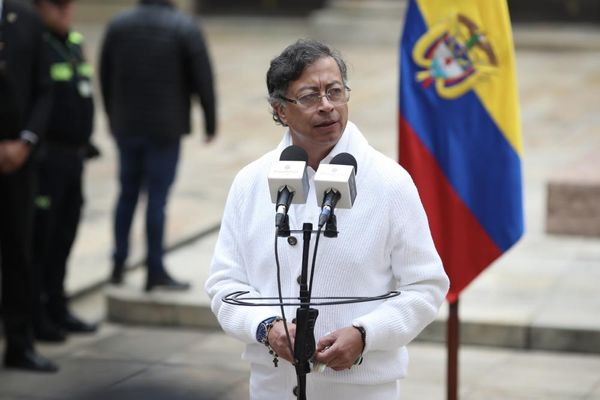
The South Korean president, Moon Jae-in, on Thursday said those who spread fake news about the virus would face strict sanctions. “The virus is not the only thing we have to confront,” Moon said, according to the Korea Herald. “We should actively stand up against excessive anxiety and vague fear. The weapons to protect ourselves from the new type of coronavirus are not terror and abhorrence but trust and cooperation.”
The South Korean government has arranged for four chartered planes to fly to Wuhan over the next two days to repatriate an estimated 700 people. Media reports said residents in two towns where the evacuees are to be quarantined were protesting the move.
South Korea, which has four confirmed cases of the coronavirus, is one of several Asian nations trying to counter online rumours, amid growing fears over the disease’s spread beyond mainland China.
Authorities in Singapore last week ordered an online news outlet to remove and acknowledge an erroneous report claiming that a 66-year-old Singaporean man had become the first person in the city-state to die from the virus. The website complied with the order issued under a new law to combat fake news.
Singapore has confirmed five cases of the virus – all involving Chinese nationals from Wuhan – but no deaths. “We must take swift action against such falsehoods. Otherwise, there is a grave risk that they will spread and cause panic amongst our citizens,” S Iswaran, the minister for communications and information, told reporters, according to the Nikkei business newspaper.
Health authorities in Malaysia, where seven cases have been confirmed, moved quickly to quash a false report on social media claiming that a prison inmate had died from the virus.
Last week a false social media post alleged that a Chinese tourist suspected of carrying the virus had escaped from airport quarantine in Japan, public broadcaster NHK said.