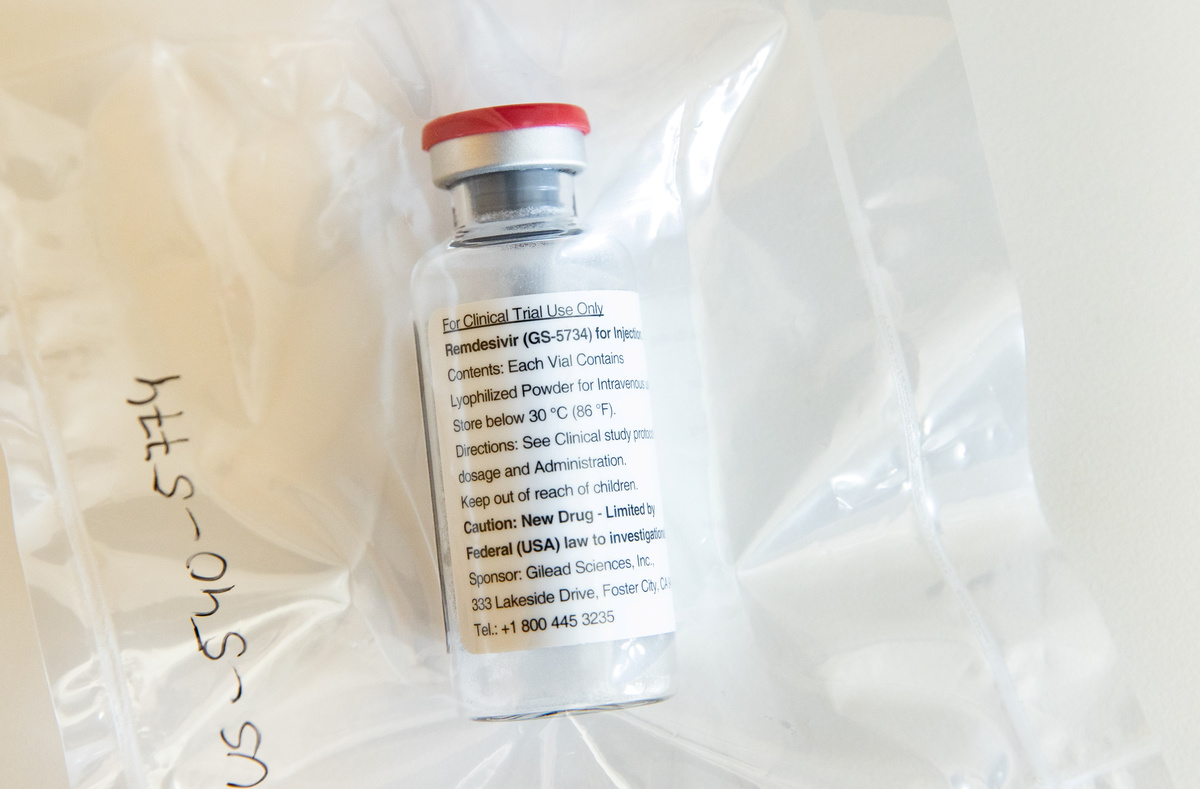
South Korea has added Gilead's anti-viral drug remdesivir to its coronavirus treatment guidelines in its first revision of recommendations since the outbreak began and urged caution in the use of the steroid therapy dexamethasone.
South Korea, widely praised around the world for its handling of the pandemic without a full lockdown, has reported 12,602 coronavirus cases as of Thursday midnight, with 282 deaths.
Remdesivir is designed to hinder certain viruses, including the new coronavirus, from making copies of themselves and potentially overwhelming the body's immune system. The drug previously failed trials as an Ebola treatment.
South Korea's updated guidelines come after a study showed that the cheap and widely used dexamethasone reduced deaths in very sick COVID-19 patients. They advised doctors to take caution until a full study is published.
"It seems appropriate to administer (dexamethasone), limited to severe cases with acute respiratory syndrome, as the doctor monitors the patient's condition," Kim Young-ok, director general of pharmaceutical safety bureau at the Ministry of Food and Drug Safety, told a briefing on Friday.
There was enough domestic supply of the dexamethasone, widely used since the 1960s, with the production of approximately 43 million tablets and 60 million injection ampoules a year, said Kim.
Doctors in Europe will soon be able to treat patients with the drug after the healthcare regulator's endorsement put it on track to become the first therapy for the disease on the continent.
"An excessive use of dexamethasone can trigger different side effects as it tamps down the immune system along with inflammation, possibly leading to even cataract or glaucoma," said Dr. Song Dae-sub, professor of pharmacy at Korea University.
Korean health authorities also advised the dropping of hydroxychloroquine after a study found the decades-old malaria drug, which U.S. President Donald Trump touted a possible treatment, did not provide any benefit.
There are currently no approved vaccines or treatments for the coronavirus, which has killed more than 488,467 people globally, but about a dozen vaccines from more than 100 candidates globally are being tested on humans.
(Reporting by Sangmi Cha; Editing by Miyoung Kim and Nick Macfie)