Health officials in South Carolina have reported a significant surge in measles cases, with 124 new infections confirmed since Friday, as an outbreak in the state's northwestern region expands rapidly after the holiday period.
This alarming rise comes as the US grapples with its most severe measles spread since 1991, with 2,144 cases across 44 states last year, resulting in three deaths, all among unvaccinated individuals.
The South Carolina outbreak, centred in Spartanburg County, has now recorded 434 cases as of Tuesday. Its rapid growth in the past month has made it one of the nation's worst, leading to hundreds of children being quarantined due to school exposures, some multiple times.
A person infected with measles also exposed individuals at the South Carolina State Museum in Columbia on Friday. The current case count could soon rival last year's outbreak in Texas, which saw 762 reported cases and two child fatalities, a figure experts believe was likely an undercount.
Concurrently, a separate measles outbreak continues to grow along the Arizona-Utah border, in an area known as Short Creek. Since August, 418 people have been infected, with Arizona health officials adding nine new cases on Tuesday for a total of 217 in Mohave County, and Utah officials reporting two new cases, bringing their total to 201. Experts in both states have expressed concerns about potential undercounts.
Nicole Witt, from the Arizona Department of Health Services, noted: "We did see our cases slow and then pick back up again after the holidays. We're hopeful we'll see the end of this outbreak soon but, right now, we continue to see the same trickle of cases week over week."
Measles, caused by a highly contagious airborne virus, spreads easily through breathing, sneezing, or coughing. Though considered eliminated from the US since 2000, the country is at risk of losing this achievement.
The disease initially infects the respiratory tract before spreading throughout the body, causing a high fever, runny nose, cough, red, watery eyes, and a distinctive rash. While most children recover, infection can lead to dangerous complications such as pneumonia, blindness, brain swelling, and even death.
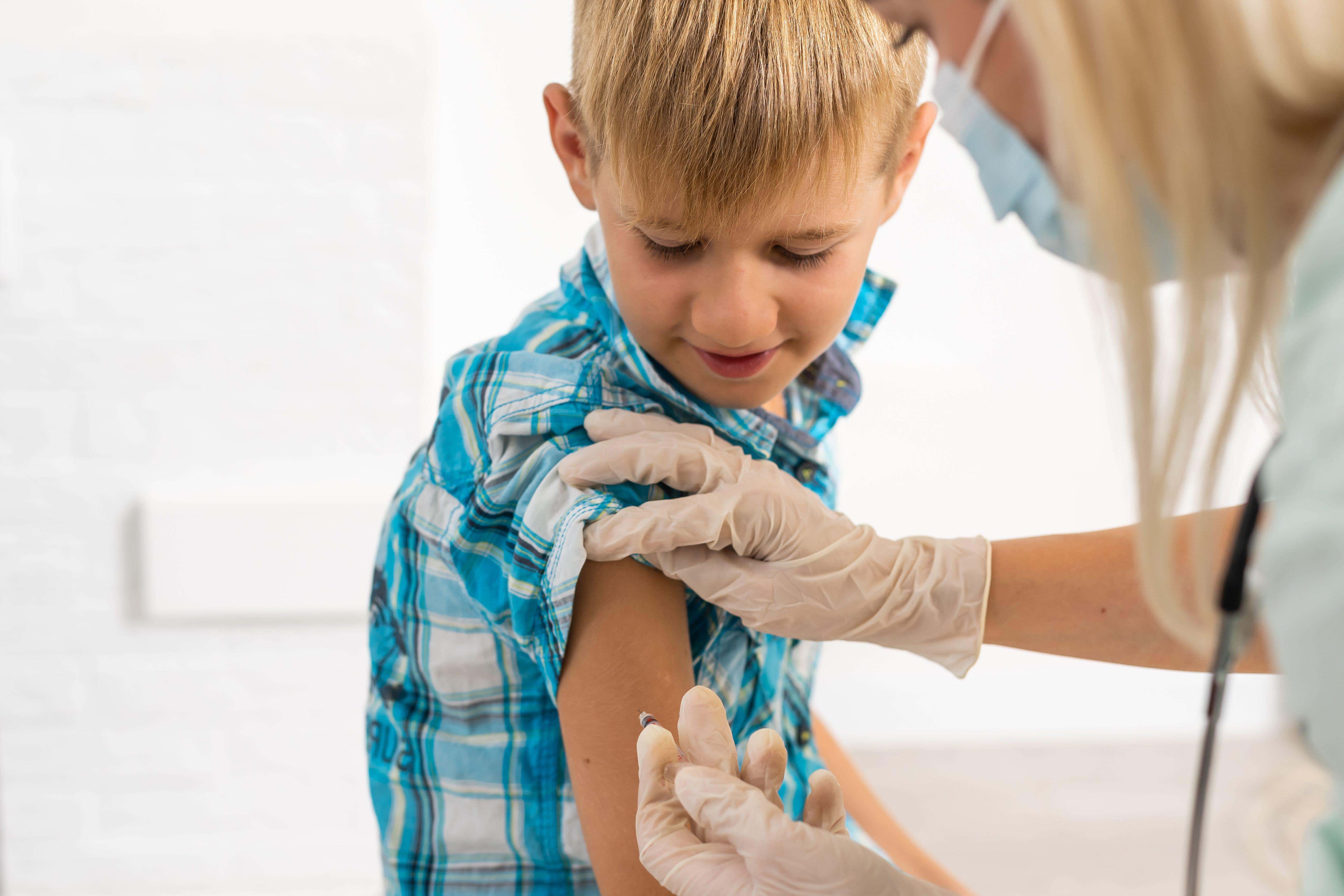
The most effective defence against measles is the measles, mumps, and rubella (MMR) vaccine. The first dose is recommended for children between 12 and 15 months old, with a second dose between four and six years old.
After two doses, the vaccine is 97 per cent effective against measles, offering lifelong protection. Herd immunity, which requires vaccination rates above 95 per cent, makes it harder for measles to spread through communities. However, childhood vaccination rates have seen a nationwide decline since the pandemic, with a growing number of parents seeking religious or personal conscience waivers to exempt their children from mandatory immunisations.