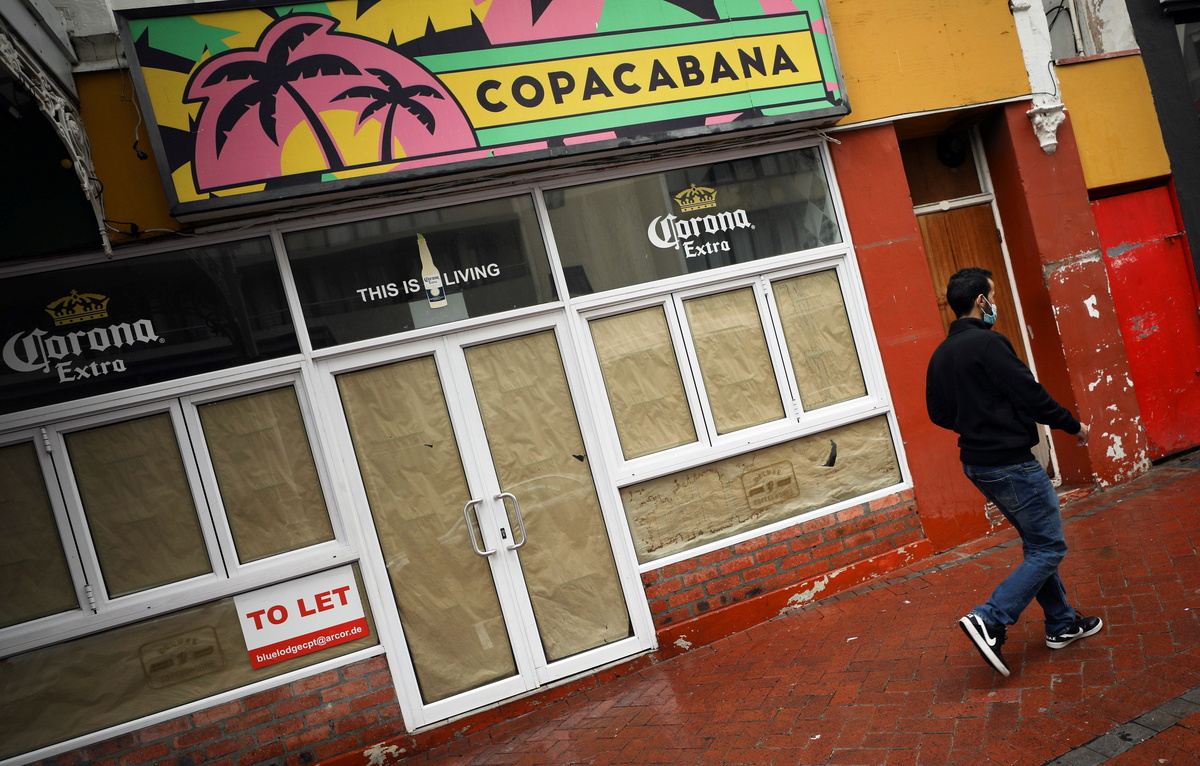
Deserted streets, empty restaurants and shut liquor stores greeted the first day of South Africa's move back to a harder lockdown, as a third wave of COVID-19 infections courses through a population less than 4% of whom have yet been partly vaccinated.
Africa's most advanced economy recorded on Saturday 18,000 new infections, just 3,000 shy of its second wave peak seen in January. Government data shows that one in every four people being tested are showing a positive result. (Graphic on global cases and deaths)
A slow vaccination drive, brought about by a combination of bad luck, failure to order vaccines early enough and a contamination of Johnson & Johnson vaccines that meant a whole batch had to be destroyed, has left South Africans ill-prepared to weather a third wave.
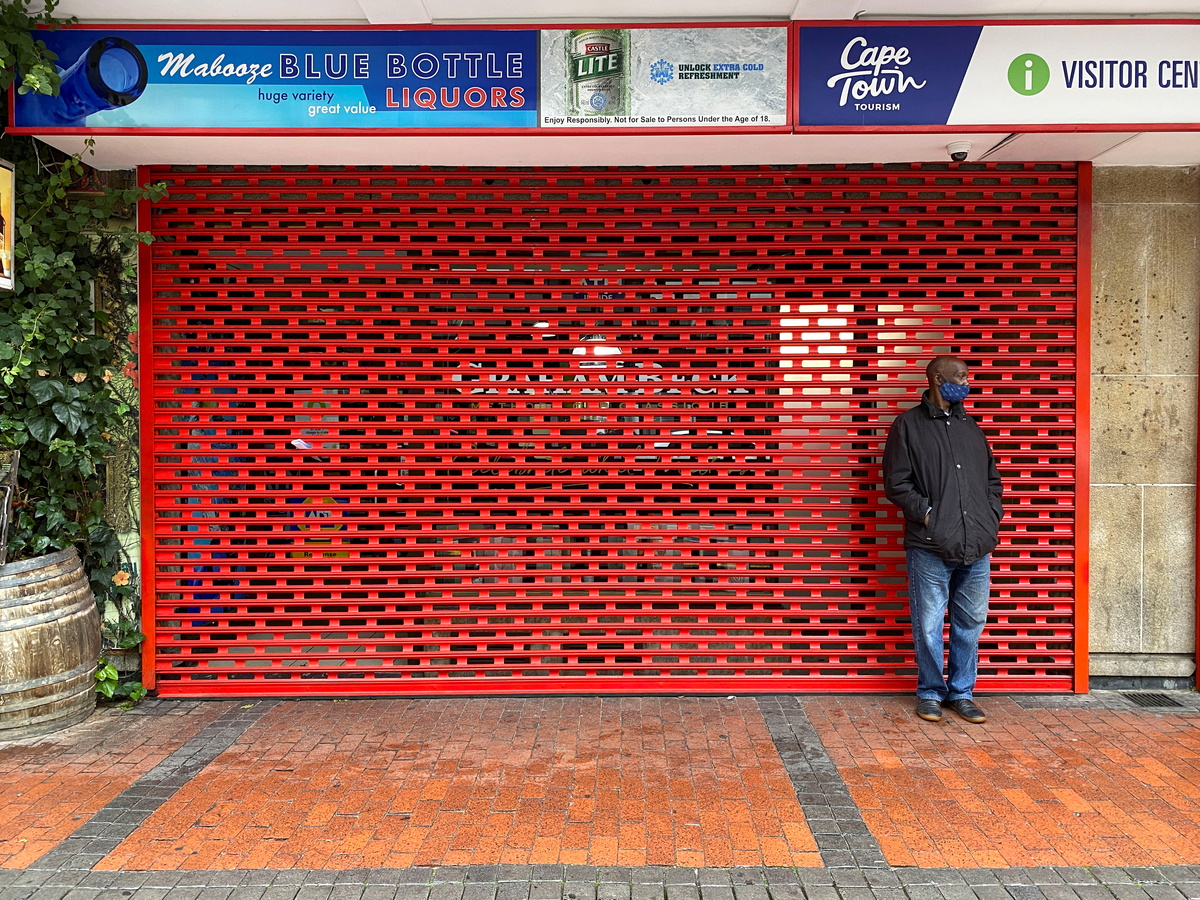
"I've lost a lot of relatives, friends of mine, which I've lost. I can tell you this thing is very dangerous," said Ismaeel Soeker, 49, a self-employed resident of Cape Town.
South African President Cyril Ramaphosa on Sunday announced a raft of measures including suspension of sale of alcohol and a halt in restaurants dine-in for two weeks to minimise the impact of the new wave, which scientists say is driven by the Delta variant first found in India.
"There's nothing we can do now, but we need to start afresh, but start afresh with who?" said Wandile Ndala, owner of Wandie's, a restaurant in the Johannesburg suburb of Soweto.
Ndala said he has no customers in his shop and have no staff as he cannot pay for their salaries. "There’s no money coming in."
The new restrictions come at a time when the government has already withdrawn grants and relief schemes for people and businesses affected by the virus, with many complaining that a tightening of restrictions could lead to an irreversible damage to an already reeling economy.
The first two waves set the country's economy back by 13 years and increased its unemployment rate to highest in its history.
(Reporting by Siyabonga Sishi and Shafiek Tassiem; Writing by Promit Mukherjee; Editing by Tim Cocks and Lisa Shumaker)