A Covid-19 strand has made its way to Ireland from South Africa - but what do we know so far about it?
Health officials believe the South African variant of Covid-19 found in Ireland has been contained.
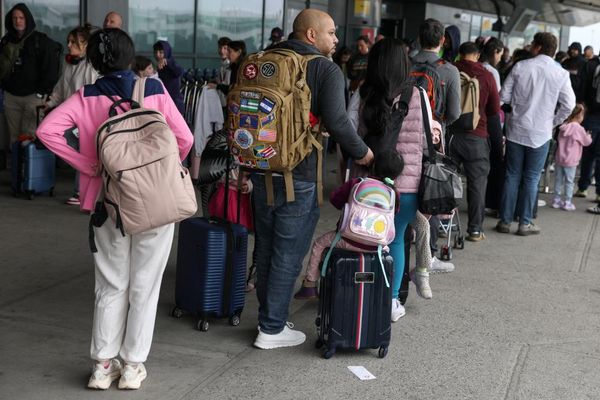
Dr Tony Holohan confirmed the first cases of the more infectious variant had been identified here last Friday, and were associated with people who had travelled to Ireland over the Christmas holidays.
Ireland last week reported an increasing presence of the variant first found in England.
It was detected in 25% of positive cases that underwent further testing in the week to January 3, up from just 9% two weeks earlier.
"The UK variant is of more concern to us purely because of the amount of virus that's on the island, and we know that it's transmitting in the community," Cillian De Gascun, the head of Ireland's national virus laboratory, told RTE.
"The good thing about the South African variant is we know exactly where those cases came from, they have been contained, controlled and contact traced, and to the best of my knowledge there was no onward transmission."

Scientists at Porton Down laboratories are carrying out urgent studies on the strain - which South African authorities say appears to have a larger impact on young people.
There is no evidence that the new variant, named 501.V2, is more deadly, experts have stressed.

South Africa is now recording around 9,500 cases per day - up from 3,000 at the start of the month.
Since the start of the pandemic there have been 25,246 confirmed fatalities linked to Covid-19, althought the true number is likely to be far higher.
The country has recorded more than 50,000 excess deaths in 2020.
Some countries, including Germany, Switzerland and Israel, have already banned flights from South Africa after the new strain was uncovered.
South African Health Minister Zweli Mkhize said medics believe the variant has been having a more profound impact on young people - but this has yet to be proven.
He told reporters: “Clinicians have been providing anecdotal evidence of a shift in the clinical epidemiological picture – in particular noting that they are seeing a larger proportion of younger patients with no co-morbidities presenting with critical illness.

“The evidence that has been collated, therefore, strongly suggests that that the current second wave we are experiencing is being driven by this new variant.”
Experts in South Africa said the new strain became the dominant form of the virus in the Eastern Cape and Western Cape provinces "within weeks".
Hospitals in the Western Cape particularly are struggling with the scale of demand, local media reports.
An initial study concluded : "Whilst the full significance of the mutations is yet to be determined, the genomic data, showing the rapid displacement of other lineages, suggest that this lineage may be associated with increased transmissibility."
Earlier this month President Cyril Ramaphosa introduced a 10pm curfew in South African hotspots and banned alcohol consumption in public.
But South Africans have been warned that tougher restrictions could follow as the virus continues to spread.
World Health Organisation (WHO) epidemiologist Maria Van Kerkhove said experts have been in contact with South African authorities.
She said: "We are working with them with our SARS-CoV-2 Virus evolution working group.
"They are growing the virus in the country and they're working with researchers to determine any changes in the behaviour of the virus itself in terms of transmission."