Amid a slump in Malaysian tourists and an uneven recovery from last year's severe floods, Songkhla tourism operators are calling for stimulus measures such as soft loans, land tax cuts, new tourism events, and eased entry at land checkpoints, with the cabinet set to convene in the province in June.
Sitthipong Sitthiphataraprabha, president of the Hat Yai Songkhla Hotels Association, said the tourism sector has not fully recovered from last year's inundation, although there have been measures to help operators, such as the 49,500-baht housing assistance scheme.
With the roaming cabinet meeting scheduled for Songkhla next month, he said the association plans to propose a 40-million-baht soft loan scheme for each business with a 1.5% interest rate, starting with a one-year grace period for principal and interest payments.
The group also wants a full suspension of land and property tax payments for one year to help affected businesses.
To lift the domestic tourism market, local operators hope the government launches a tax incentive for visiting or hosting meetings in Songkhla as soon as possible, while also initiating new festivals and events in the area.
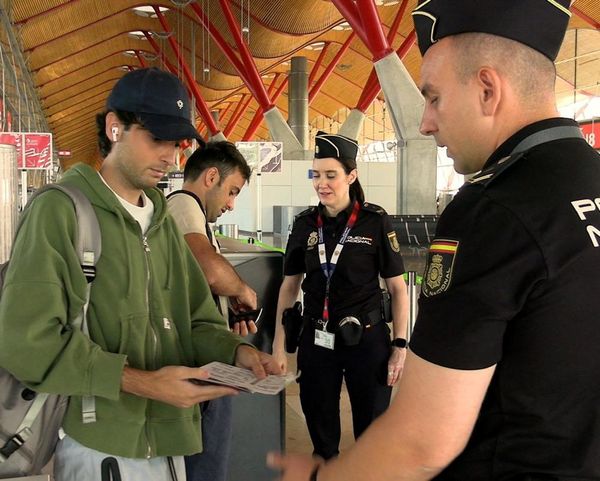
To facilitate Malaysian tourists, the government should consider offering tax refunds for foreigners entering by land, in addition to those flying, by providing services at land immigration checkpoints or counters in shopping malls, said Mr Sitthipong.
The authorities should also let foreign vehicles register online before crossing the border, as many Malaysians prefer to drive their own cars. Queuing to register at land checkpoints is inconvenient and causes traffic jams during peak hours, he noted.
According to the Tourism Authority of Thailand, Malaysian tourist arrivals tallied 1.47 million this year as of May 17, a 14.9% year-on-year decline.
The association expects the occupancy rate this weekend, which is a Malaysian holiday, to hover around 70-80%, not fully booked as in the past.
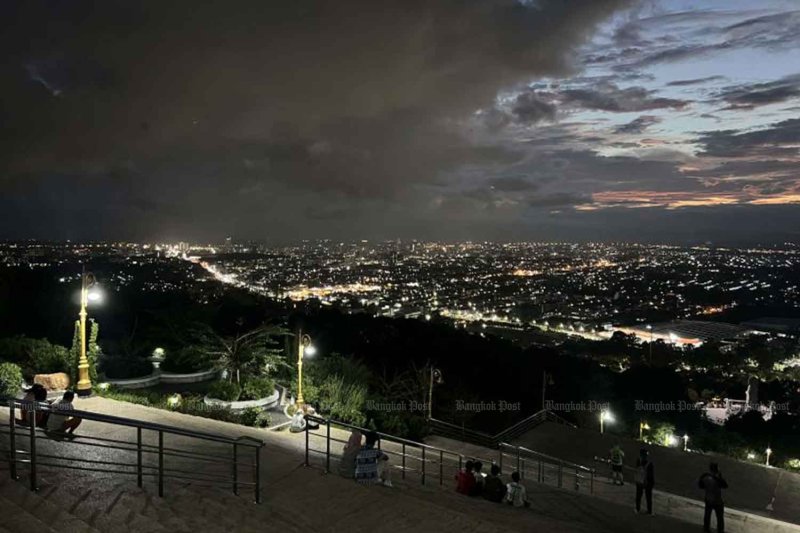
Songchai Mungprasithichai, president of the Songkhla Tourism Promotion Association, said Malaysian arrivals to Hat Yai dropped by 50% on weekends following last year's severe floods.
He said this market has not fully regained confidence in Hat Yai, opting for other destinations.
The government should take flood prevention measures more seriously by organising systemic water management, said Mr Songchai.
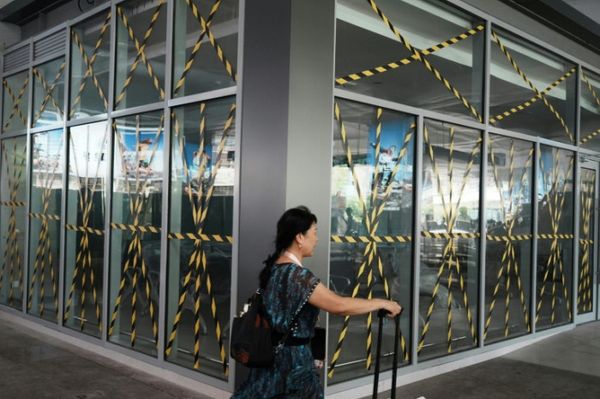
Media reports this week indicated a damaged floodwall along Khlong Ror 1, which was supposed to protect Songkhla residents during monsoon season, has still not been repaired.
The city also lacks new attractions to draw tourists, relying largely on existing charms such as food and culture, Mr Songchai noted.
The new Sadao checkpoint opens on Wednesday, a second option operating on a trial phase for trucks only to ease traffic congestion en route to Hat Yai.
Mr Songchai said the new checkpoint could ease congestion to some extent, but all vehicles will rejoin on the same route leading to the city centre.
The government should consider constructing a new motorway to ease traffic congestion in the long run, he said.