For the French it's Verdun, the Australians and Kiwis it's Gallipoli.
For the British, however, the single battle that defines the bloody attritional nature of the First World War is the Somme.
Friday 1 July will mark 100 years since the battle began in north west France.
More than one million soldiers were killed, missing, or wounded on both sides by the time it finished on 18 November 1916.
What happened?
As part of co-ordinated attack on German forces on the Western, Eastern and Italian Fronts - 13 British army divisions and six French divisions launched an attack on six German divisions.
Before the first infantry advance, the British army fired 1,738,000 shells in the hope of destroying German trenches and defences.
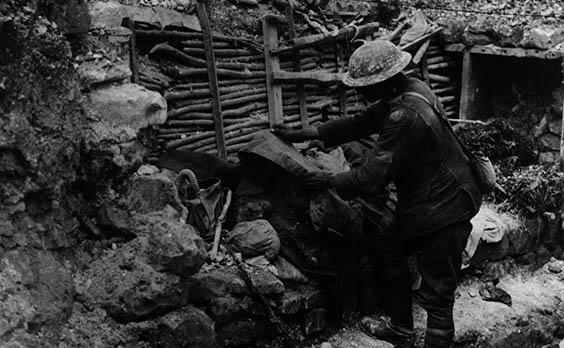
The previously unprecedented bombardment did not have the hoped for impact leaving many well-built German defences intact including barbed wire.
By the end of the first day of the British infantry offensive, 19,240 soldiers had been killed with a further 38,230 reported injured or missing.
By its conclusion , 310,486 British soldiers had been killed at the Somme with a more than a million casualties on both sides.

Wet winter weather finally put an end after 140 days of fighting between poorly equipped and ill-prepared troops on both sides.
Over the course of the battle, the British took territory six miles deep and 20 miles long from the Germans.
Why is it so important?
It was the first major engagement involving the men who volunteered to fight in 1914 and 1915.
This included the Pals battalions which allowed friends, relatives and work mates from the same communities fight together.
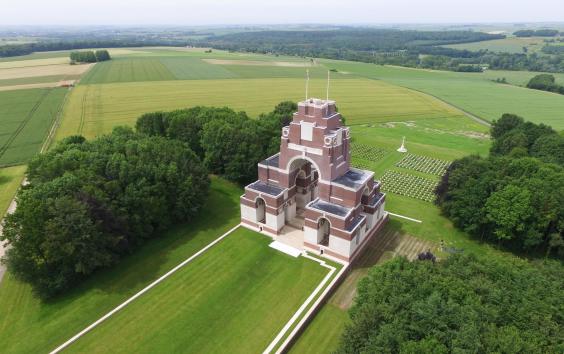
The tragedy of such units was that communities across the country and the British Empire could lose a whole generation of men in one day.
The huge death toll brought the war home for many people in Britain in a way the battles of Mons and Ypres had not.
The Somme was filmed for the feature-length documentary to record soldiers in action. When the film was brought to cinemas on 21 August 1916, an estimated 20 million people went to see it.
Strategically, the battle was able to relieve the pressure on the besieged French forces at nearby Verdun.
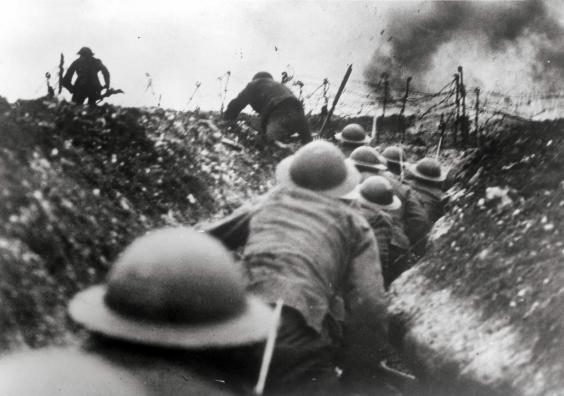
As the first great British engagement of the war, the Somme proved to be an effective if very costly learning experience for both British troops and the newly minted commander of the British Expeditionary Force, General Douglas Haig.
British commanders were able to hone new artillery and infantry movement tactics.
New technology was also introduced at the Somme including the British Mark I tank.
The German forces, however, lost much of its remaining pre-war army without the ability to replace men with equally experience reserves.
For the British public, the Somme over time has became a symbol of the futility of the First World War, uncaring inept generals and horrific trench warfare.