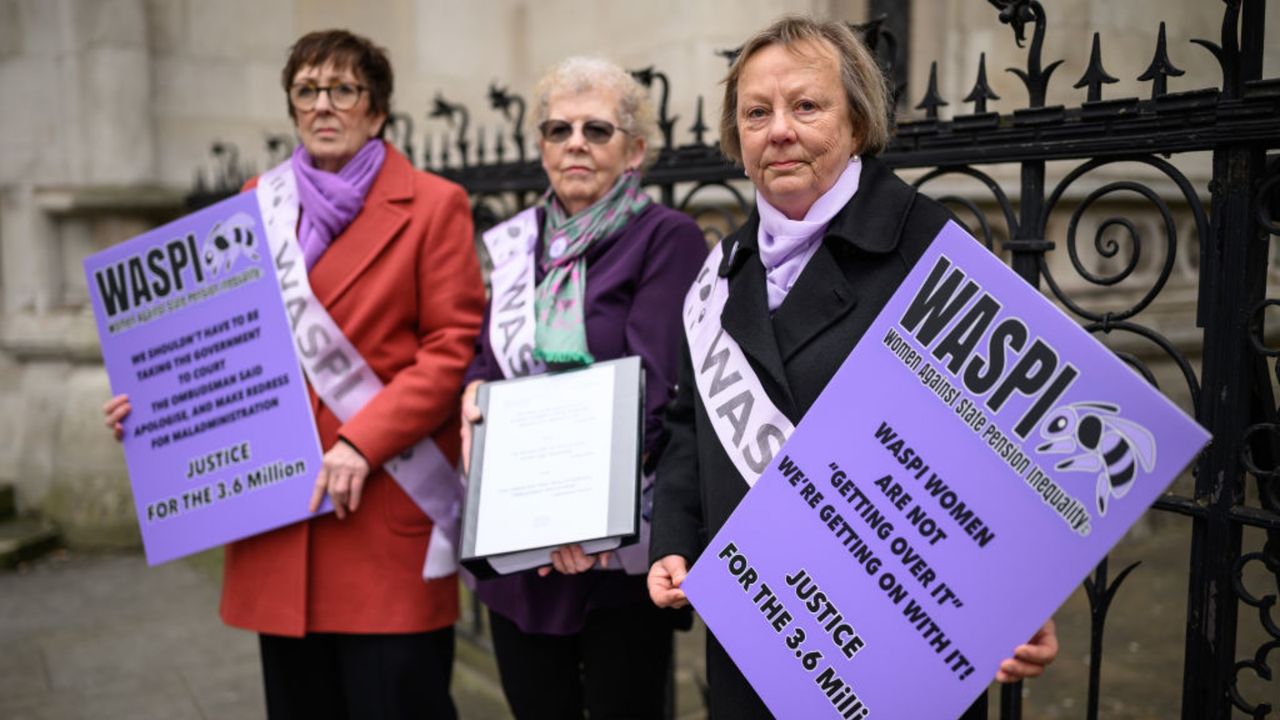
Despite the government currently reconsidering its stance on Women Against State Pension Inequality (Waspi) payouts for the estimated 3.6 million British women affected by the pension scandal, the Waspi chair has said the fight "is not over".
After once reaching the decision to reject offering compensation to women not properly informed about the state pension age hikes, the government reconsidered their stance and a report on the matter is due to be issued in February.
For the 3.6 million women whose lives have been turned upside down because of the scandal, the decision about Waspi payouts can't come soon enough.
In 2024, a parliamentary ombudsman recommended women not properly informed of the changes should be offered compensation of between £1,000 and £2,950 for each of those affected.
The government rejected the recommendation, but had to reconsider when new evidence came to light that former Work and Pensions Minister Liz Kendall had not been given all the information she needed to make a decision on the matter.
A document not shown to Kendall at the time of the decision surfaced. According to the BBC, the new evidence involves a survey from 2007.
In light of this, the government agreed to reconsider its stance on Waspi compensation, and further checks are being made to ensure any further documents relevant to the case have not been missed.
However, the upcoming February report comes with big caveats of "no guarantees" for compensation, and Waspi chair Angela Madden says the decision on payouts is arriving too late.
This is especially true for the estimated 380,000 to 400,000 women affected who have since passed away.
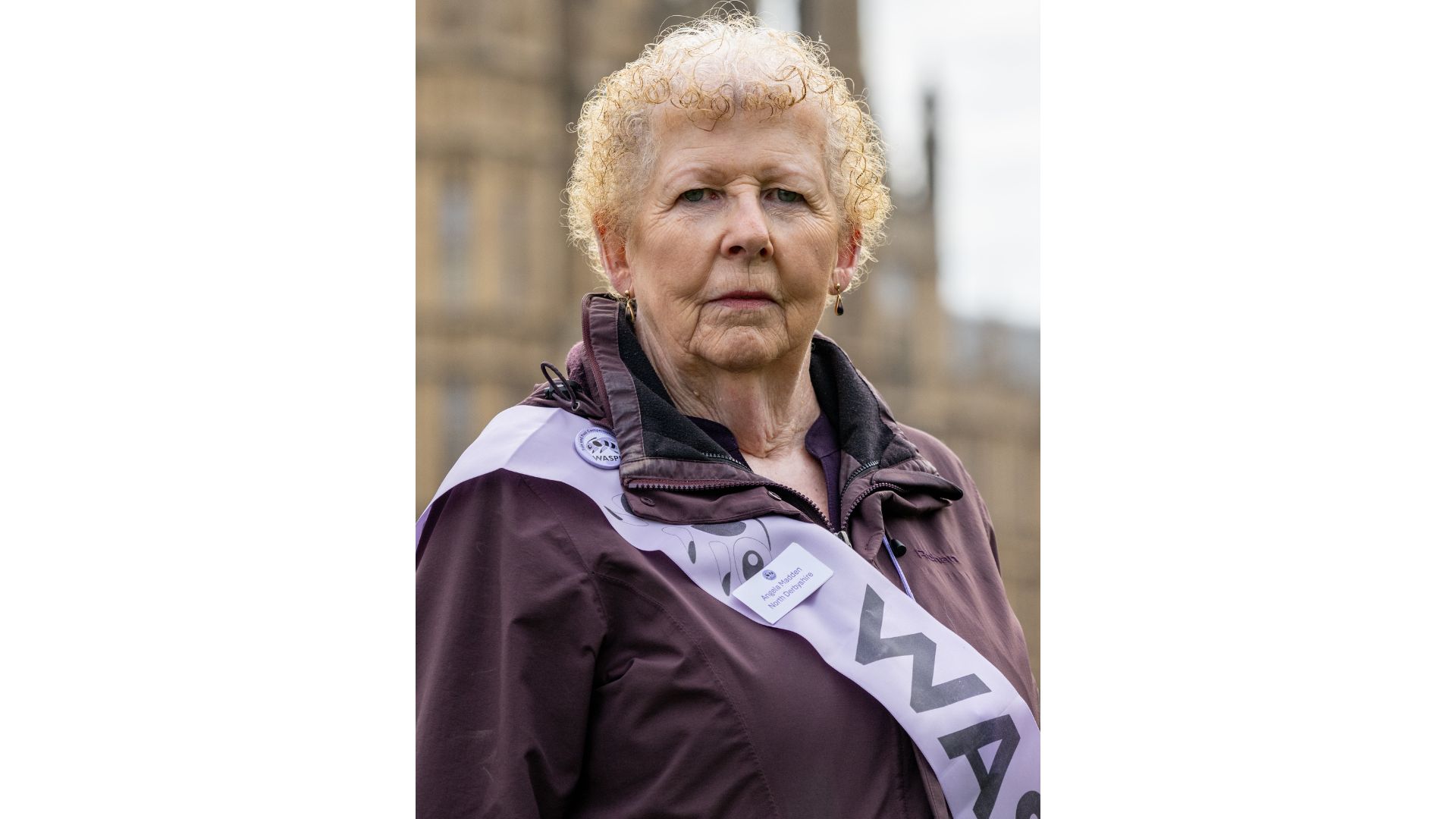
The consequences remain far-reaching for some of the living. Speaking to BBC News, Angela shares, "Some women I know have had to move back in with husbands they chose to leave, because they couldn't afford to live on their own. It's a whole emotional thing."
Speaking about how she herself wasn't aware of the changes to women's pensions to bring them more in line with men's, Angela says, "Apparently there were leaflets about it," adding, "But they were mainly in Benefits Offices and of course having never been unemployed I didn't frequent Benefits Offices."
In conversation with ITV, Mrs Madden says, "I expected to retire in June 2014 on my 60th birthday. In March 2012, I got a letter saying I wasn't going to retire until 2020.
"The injustice it caused deserves compensation," she adds, continuing, "Women are the child bearers in this society, they're the carers.
"We are often called the sandwich generation because we help our children look after their children and we're also looking after elderly relatives.
"We saved the state a fortune by looking after our own rather than having to have them looked after by the state and that's not recognised at all."
Poignantly, Angela Madden concludes, "We still can't believe that the government who is supposed to work on our behalf, neglected us so badly."