Coming across a dish long thought to have disappeared is thrilling. Not only does it revive memories of times past but it also raises hopes that history and culture are being preserved.
As with certain foods, cooking methods and equipment can also disappear over time. Even though cooks may try to keep them going, some things inevitably fall into disuse and eventually get forgotten entirely.
However, other traditional kitchen tools survive, because they are timeless. There simply is no substitute.
Certain old cooking tools have unique characteristics. They tell us something of the periods when they were first used. They showcase the talent of people who made them and the quality of materials used.
This week's Cornucopia looks at stoves, pans, brass pots, basketry and woodware, both past and present.
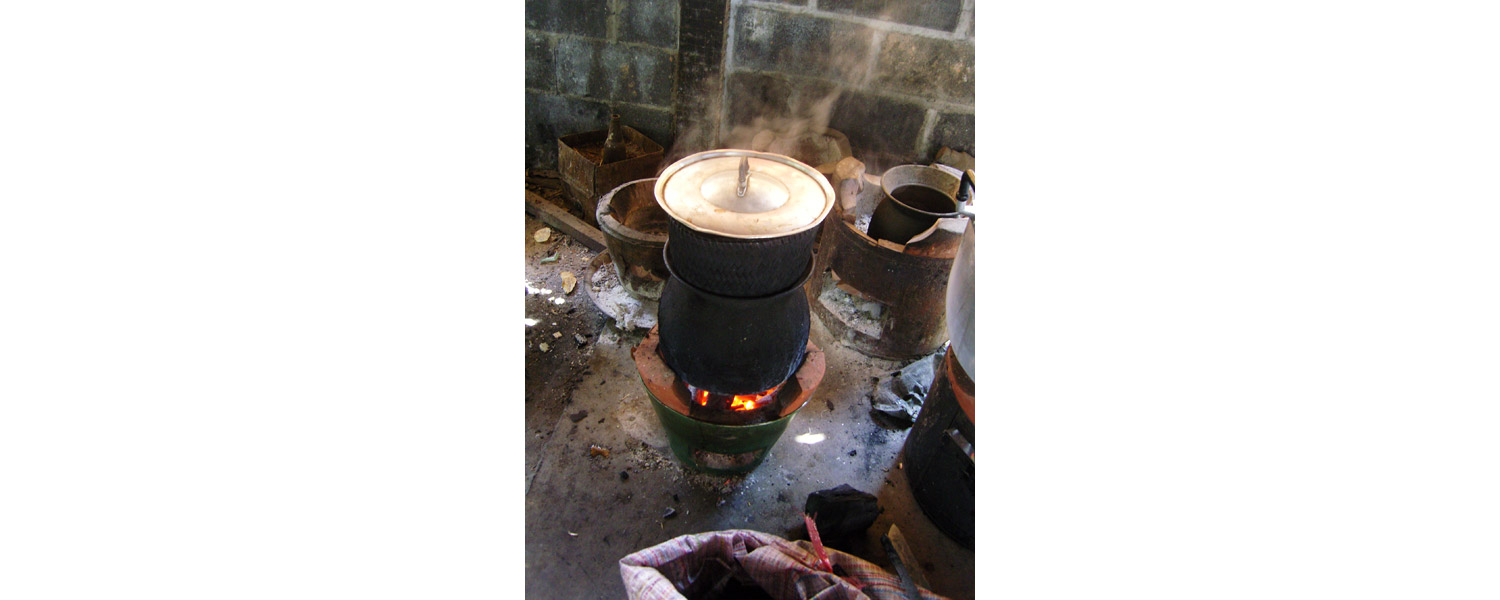
Charcoal stoves have been used in Thailand for as long as anyone can remember and are still essential in Thai kitchens today, albeit adapted to suit the modern context.
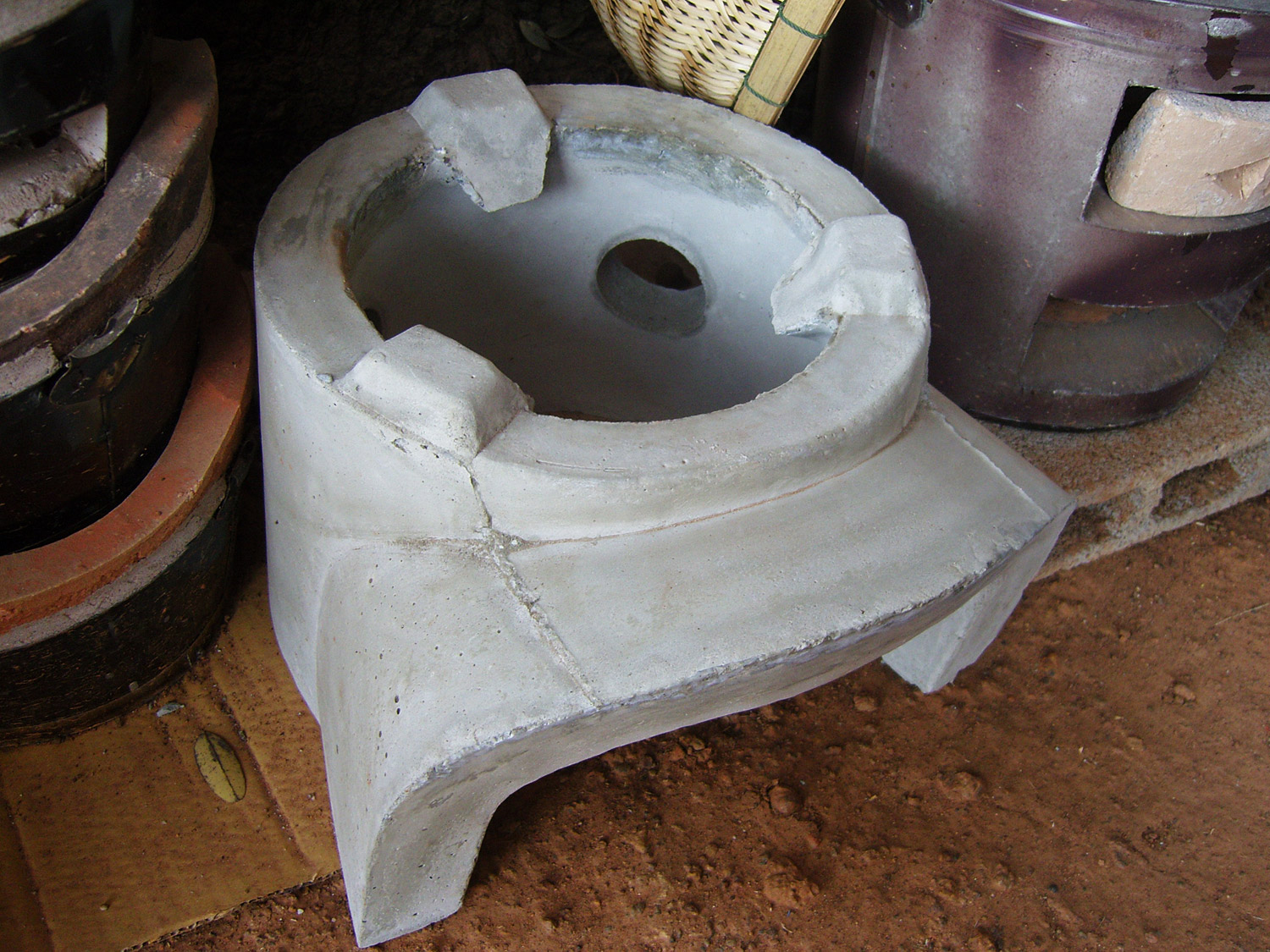
Charcoal stoves from Kui Buri, Bang Saphan and Thap Sakae districts of Prachuap Khiri Khan -- areas that abound with coconut trees -- feature a special part that allows the cook to put in coconut tree bark as fuel. The bark is usually sliced into long pieces, so this section of the stove must be long enough to hold them.
In Isan, people have energy-saving charcoal stoves where not much charcoal is required but which still produce a lot of heat. The front of the stove is relatively narrow, precisely calculated so that the airflow enhances burning efficiency. Some make the stoves by adapting old LPG tanks instead of using concrete.
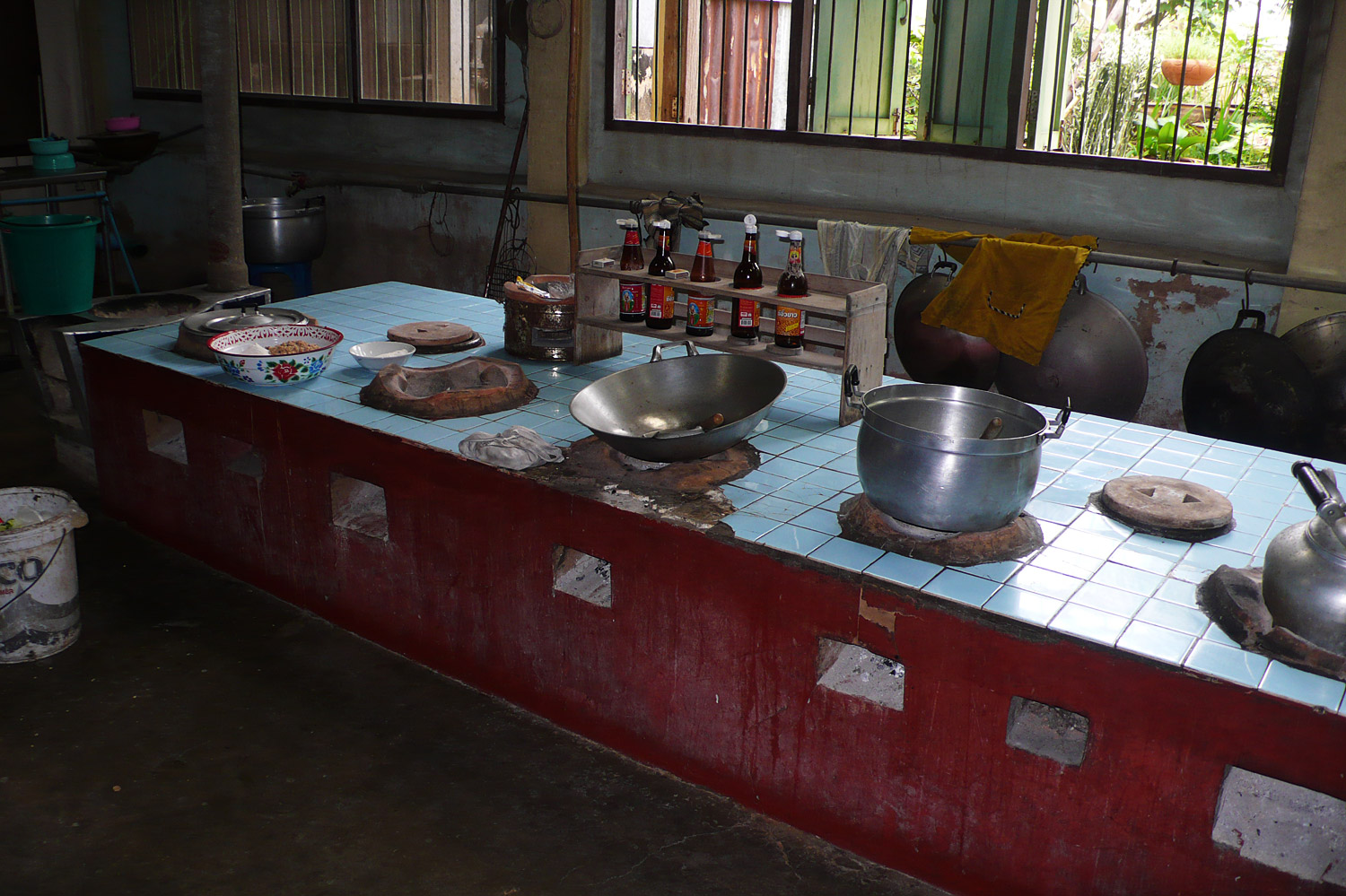
Of course, certain types of stoves have disappeared, such as the double-burner stove, which was placed on an 80cm-tall counter, suitable for standing. The tiled counter was made from cement, its lower part used for charcoal storage. This kind of stove was usually used by well-to-do families because they had spacious kitchens. The arrival of LPG stoves heralded their disappearance. If this type of stove ever does make a return, it would be best suited to outdoor cooking.

In the past, brass tools and containers were everywhere, from coffee pots to noodle pots, steaming pots and others. Today, brass pots are rare. However, on Plaeng Nam Road in Bangkok's Yaowarat community, there is an old Chinese dumpling shop that still uses brass steaming pots. When the shop's original pots had to be replaced, having been in use for so long, the shop owner had to have them specially made. This was important for maintaining the uniqueness of the shop's dumplings.
Brass pans are still in use today, most typically seen in Thai traditional dessert shops. They are specially used for sugar-coated desserts and those made by means of stirring.
Before stainless steel tools and utensils arrived, basketry was once very popular in Thailand. Certain kinds of baskets can no longer be found, such as the bamboo colanders that were once used to strain coconut milk. Now stainless steel colanders are used instead.
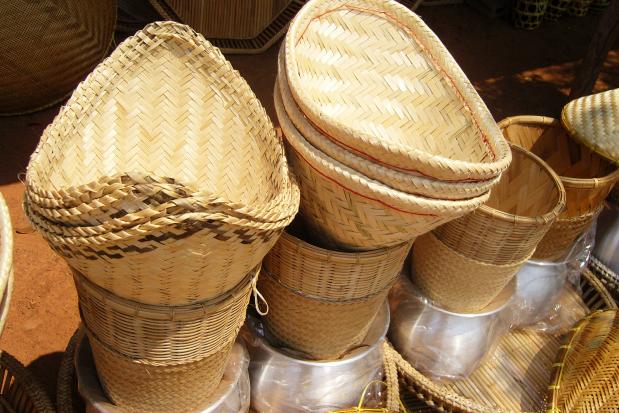
Sticky rice steamer baskets are still widely used. They are made from bamboo, which gives them flexibility. In the past, people put the baskets on any type of pot to steam the rice, but today, a special type of aluminium pot is used, which is designed to fit the steamer basket.
Some tools for the preparation of sticky rice have long gone. Traditionally, after the rice was cooked through, it would be spread onto a large wooden tray and turned regularly to make it softer. In Isan, this way of softening sticky rice is known as nuad khao niew. In the northern provinces, it is called hak kor khao niew. This method is still being practised today but a woven bamboo tray is used instead.
When the sticky rice is ready, it is put in a kratib (bamboo container). Kratib have lids which help prevent the heat from escaping. Kratib are also convenient to carry around. The kratib, surely, is in no danger of disappearing. It is basically the logo of sticky rice.
Change comes with the unstoppable march of time. Some things will always fade away. This includes many cooking tools and utensils. They disappear for various reasons -- a change in cooking culture; maintenance-related difficulties; newer, cheaper, more efficient substitutes. Thankfully, some cooking equipment is forever. And it is always an interesting subject to explore.