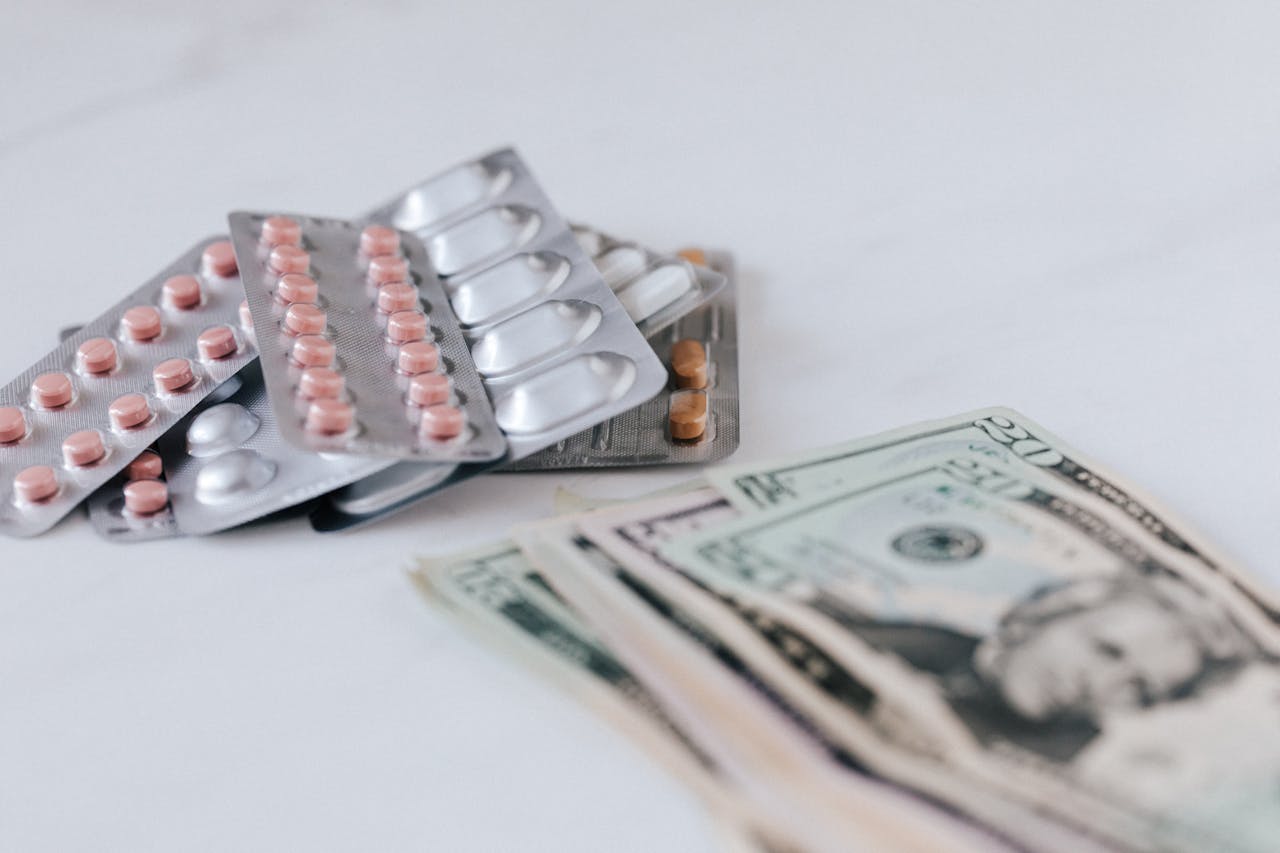
Patients are reporting that some prescription cards are being blocked when they try to use them for higher‑cost medications. These cards—often marketed as a way to reduce out‑of‑pocket drug expenses—have grown rapidly in popularity as medication prices continue to rise. According to recent reports, discount cards are used in more than 5% of all prescription transactions, especially among people with high‑deductible plans or no insurance. But as drug prices climb, pharmacies and pharmacy benefit managers (PBMs) are tightening restrictions. The result is that many seniors and low‑income patients are discovering their prescription cards no longer work for the medications they need most.
Rising Drug Prices Are Fueling the Problem
Prescription drug costs in the U.S. have been rising for years, with Americans paying some of the highest prices in the world. As prices increase, pharmacies face higher reimbursement risks when discount cards are used on expensive medications. Some pharmacies have begun blocking certain cards for high‑cost drugs to avoid financial losses. This leaves patients—especially seniors—caught in the middle. The higher the medication cost, the more likely a prescription card will be rejected.
Pharmacies Are Pushing Back Against Discount Card Programs
The explosive growth of prescription discount cards is a symptom of a larger, broken system, according to industry analysts. Pharmacies often lose money when discount card prices fall below their acquisition costs. As a result, some chains and independent pharmacies are quietly limiting which cards they accept, especially for brand‑name or specialty drugs. Seniors who rely on these cards for affordability are now facing unexpected denials at the counter. The pushback is creating confusion and frustration for patients who believed these cards guaranteed savings.
Higher‑Cost Medications Are the First to Be Blocked
Not all medications are affected equally. Reports show that higher‑cost medications—such as brand‑name drugs, specialty treatments, and certain chronic‑care prescriptions—are the most likely to trigger a block. These drugs already carry inflated prices due to complex supply chains, PBM negotiations, and limited generic competition. In some cases, pharmaceutical companies even delay generic alternatives through “pay‑for‑delay” agreements that keep prices high. When prescription cards are blocked for these medications, patients face the full financial burden.
Seniors Are Feeling the Impact the Most
Older adults take more prescription medications than any other age group, with nearly 89% of seniors using at least one prescription drug regularly. Many rely on prescription cards to bridge the gap between insurance coverage and rising drug prices. When these cards are blocked, seniors may be forced to skip doses, split pills, or abandon treatment altogether. The financial strain is especially severe for retirees on fixed incomes. For many, the sudden loss of prescription card access feels like a crisis.
Why Blocking Is Happening Without Warning
One of the biggest frustrations for patients is that prescription card blocks often happen without notice. A card that worked last month may suddenly be rejected today. Pharmacies and PBMs can change their acceptance rules at any time, and most consumers are never informed. This unpredictability makes budgeting for medications extremely difficult. Seniors say the lack of transparency is one of the most stressful parts of the experience.
What Patients Can Do When a Card Is Blocked
When a prescription card is blocked, patients still have options. Asking the pharmacist to run the card again, check alternative discount programs, or compare cash‑pay prices can sometimes reveal a lower cost. Patients can also contact the card provider directly to ask whether the medication is still eligible. In some cases, switching to a generic version or a different pharmacy may restore savings. While none of these solutions are perfect, they can help reduce the financial shock.
A System Under Pressure
The blocking of prescription cards for higher‑cost medications highlights deeper issues in the U.S. drug pricing system. Rising prices, PBM negotiations, and pharmacy reimbursement challenges all contribute to the problem. Discount cards were never meant to replace insurance, but many Americans now rely on them as a lifeline. As restrictions increase, patients—especially seniors—are left navigating a system that feels increasingly unpredictable.
A Call for Transparency and Reform
The growing number of blocked prescription cards underscores the need for clearer rules and more transparency in drug pricing. Patients deserve to know when and why their cards will be accepted. Without reform, seniors and low‑income families will continue to face unexpected barriers to essential medications. The issue is not just about savings—it’s about access, health, and dignity.
If your prescription card has been blocked recently, share your experience in the comments. Your story may help another patient understand what’s happening.
You May Also Like
- Unmask The Lie: The Reason Your Local Pharmacy Always Runs Out Of Meds
- 7 Hidden Fees Hospitals Add During January Billing Cycles
- Powerful Lobbyists Scored a Secret Exemption That Cost Seniors Millions
- 9 Medical Expenses You Can Write Off Without a Doctor’s Note
- Pharmacy Closures Increase as PBMs Owned by Insurance Companies Grow