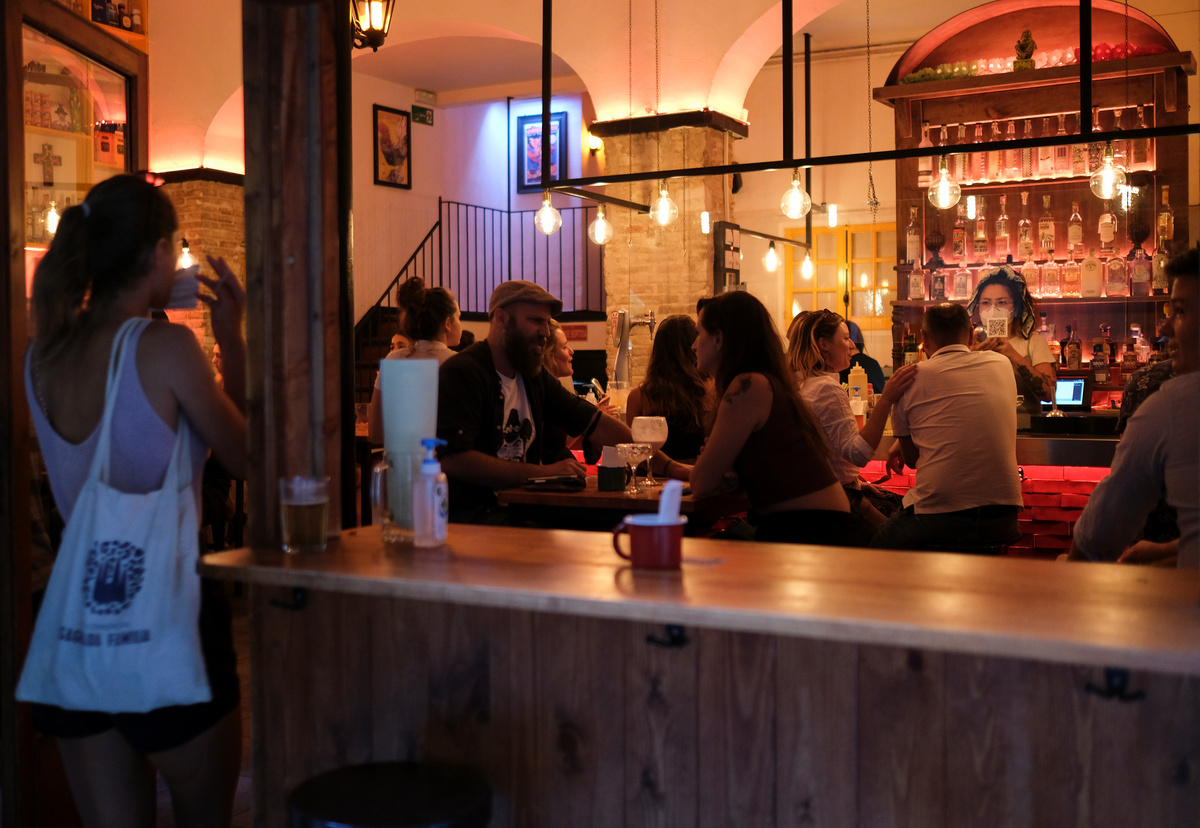
Catalonia on Friday urged some four million people, including residents of Barcelona, to stay home, in a major toughening of its response to an increase in coronavirus cases.
The stay-home call stopped short of a mandatory confinement, but it was the strongest measure taken to battle new clusters since Spain emerged from a nationwide state of emergency one month ago.
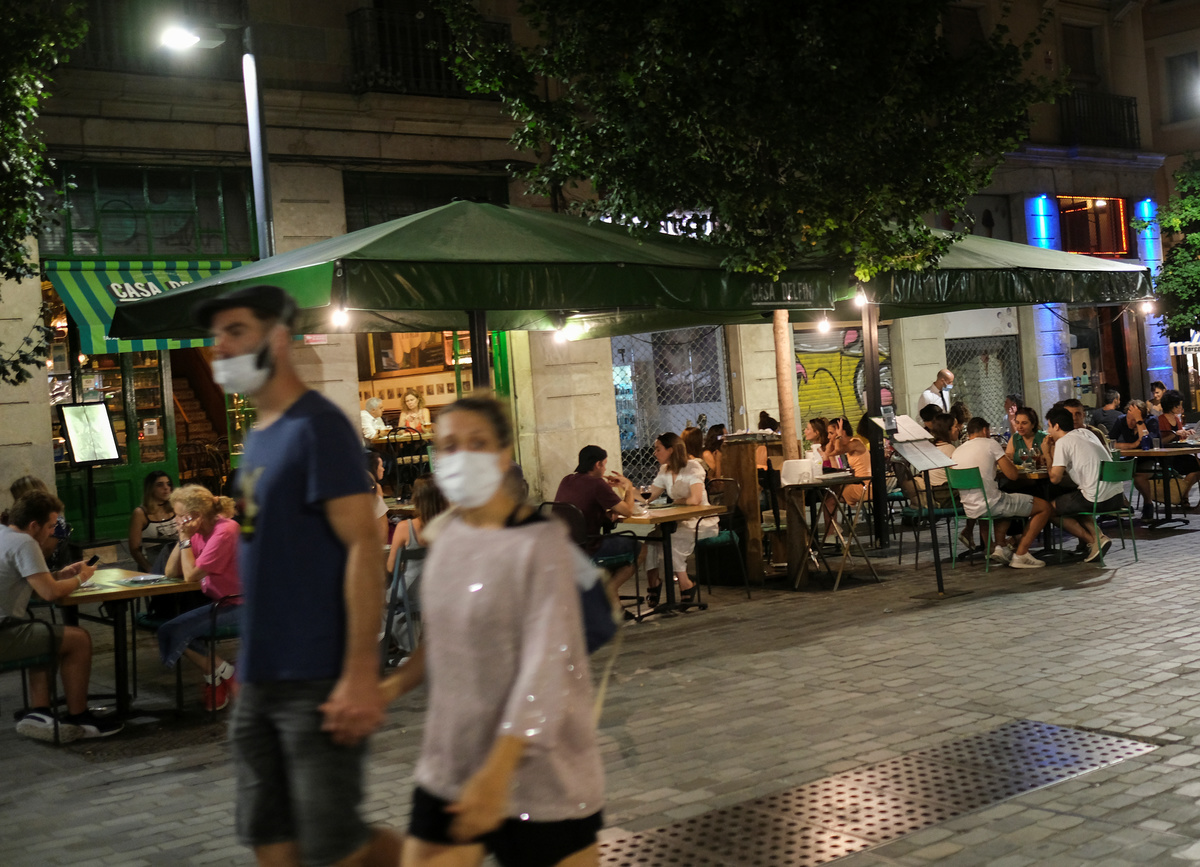
Residents of Barcelona, its suburbs and the areas of Segria and Noguera, further away from the city, were urged to shop online and leave home only to go to work, to visit a doctor or carry other essential activities. Those affected amounted to more than half the population of the northeastern region.
"We recommend that people don't move around if it's not absolutely necessary," Catalonia's health chief, Alba Verges, told a news conference. Gatherings of more than 10 people were banned because most infections came from social gatherings, she said.
"It's very important to respect these measures now, it's the best way to avoid a lockdown," Verges said, appealing to people to act responsibly. "No one wants a full home confinement."
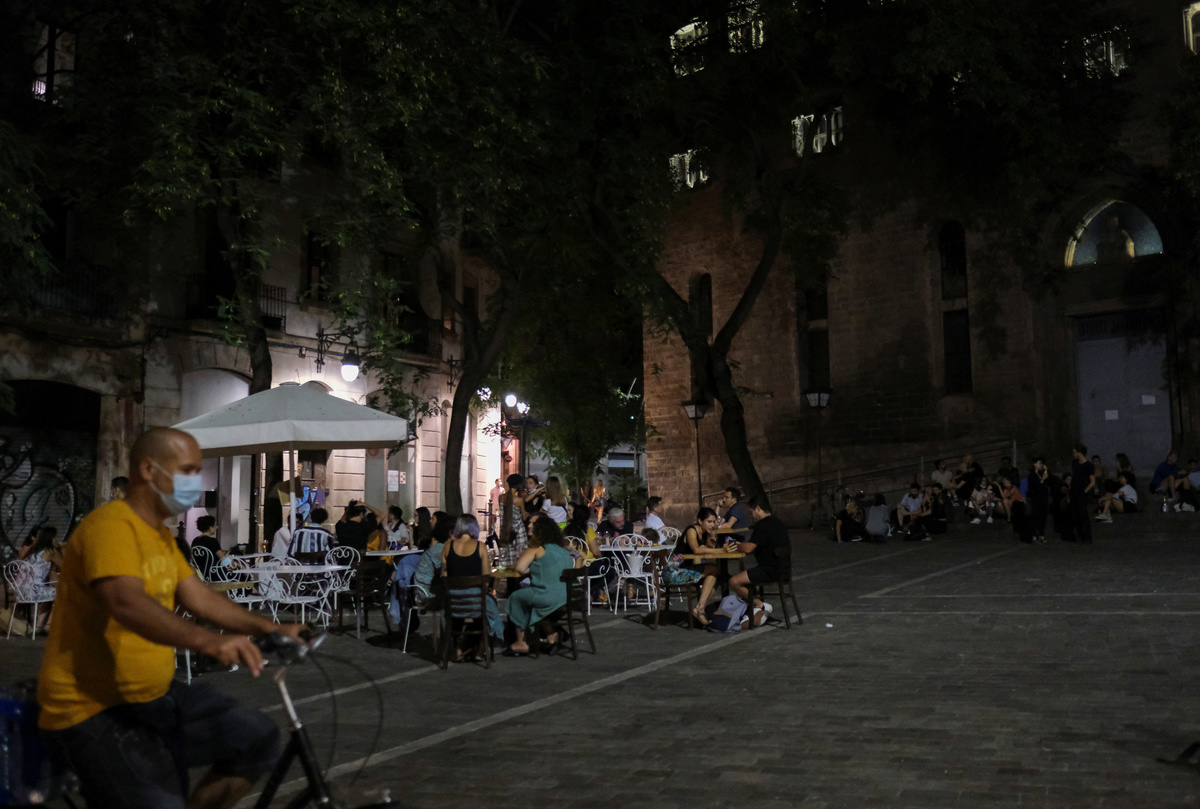
Spain overall reported 628 new cases on Friday, its highest daily increase since the beginning of May, with Catalonia and neighbouring Aragon accounting for the bulk of the new clusters. However the rise was still well below the numbers seen at the height of the pandemic.
Barcelona mayor Ada Colau and local residents questioned whether people would follow the Catalonia government's non-binding recommendations, after days of legal and political wrangling over what power regional authorities have to impose bans.
"These measures ... seem good to me, but if people don't abide by them then they (the government) will have to take tougher ones," 33-year old Nadine Gonzalez said.
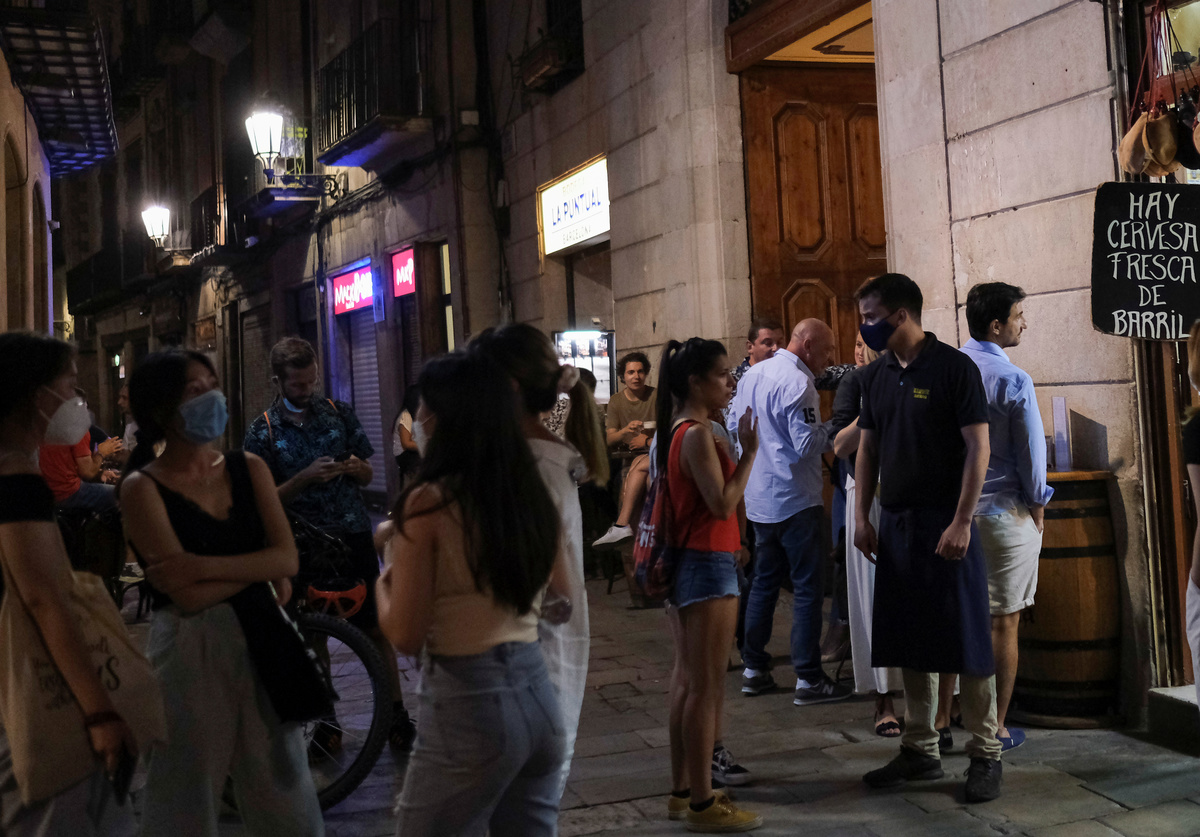
Colau said there was legal uncertainty on whether such measures could become mandatory, but urged people to respect them anyway.
Cultural and sports events will also be limited but museums will remain open in Barcelona, one of Europe's most visited cities.
Bars and restaurants can keep working, but with a limit of half their usual capacity indoors, and with a 2-metre (6.5- foot) distance between tables outdoors.
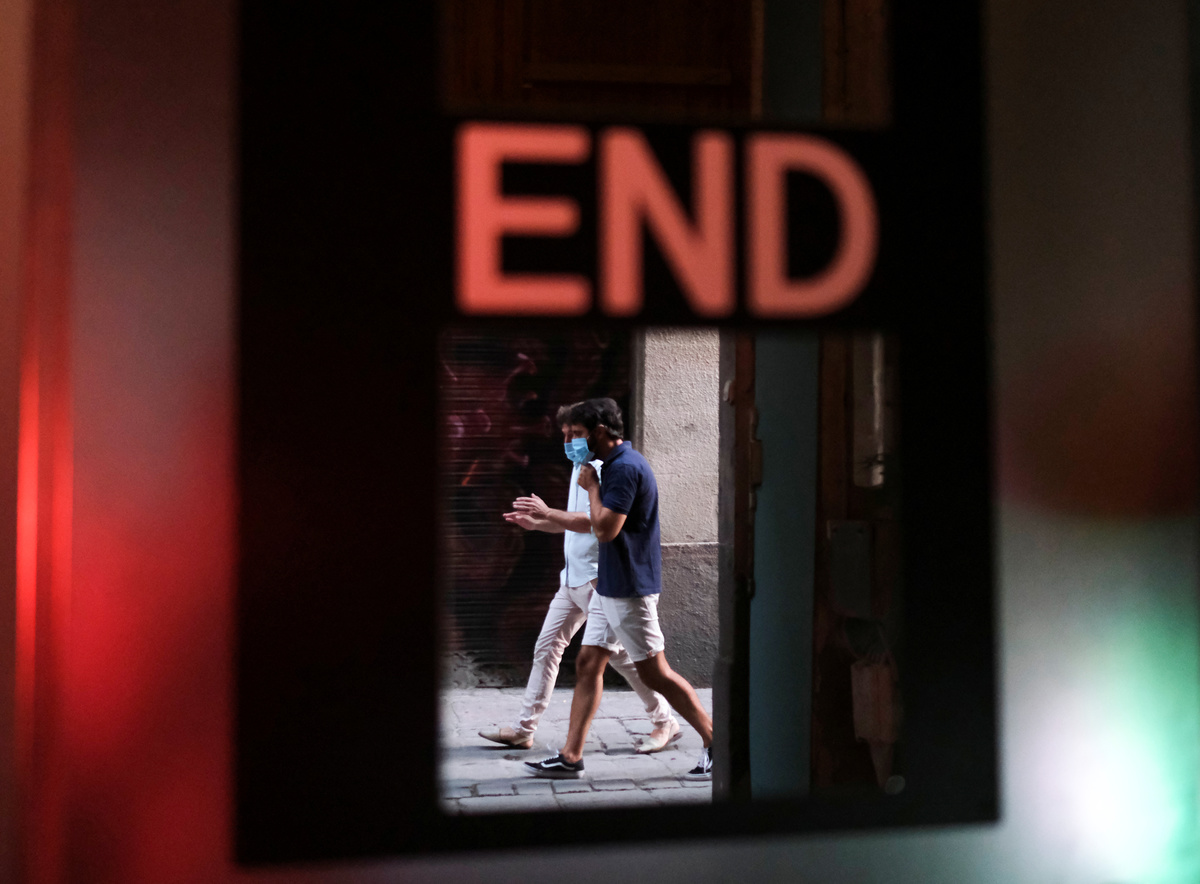
Spain has been one of Europe's hardest-hit countries, with more than 28,000 COVID-19 deaths. It emerged from a strict national lockdown on June 21 but since then more than 170 infection clusters have sprung up, prompting regional authorities to impose a patchwork of local restrictions.
Madrid, which was very badly hit during the height of the pandemic, has not introduced any new restrictions yet.
(Reporting by Inti Landauro, Ingrid Melander, Emma Pinedo, Jesus Aguado in Madrid and Luis Felipe Castilleja, Jordi Rubio in Barcelona; Writing by Ingrid Melander; Editing by Andrei Khalip and Frances Kerry)