The Songkran water fight is a wonderful way to cool off during the sweltering heat of the Thai summer.
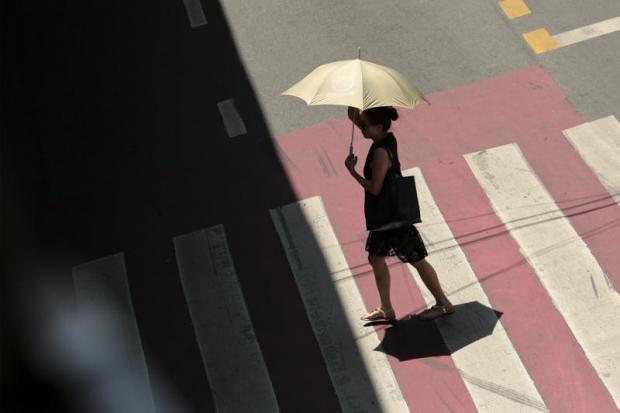
But while revellers are having fun drenching each other with water, neurologist Asst Prof Dr Phinit Limsukhon warned that people may fall prey to heat-related illnesses if they are ill-prepared.
"First and foremost, ask yourself if you are physically fit enough to go out on the street to join the water fights. Do you have any symptoms? Have you had enough rest? Have you drunk too much alcohol? Small children and the elderly should also avoid the Songkran water fights," he said.
People in Thailand have been perspiring their way through the hot and humid weather since February when the Meteorological Department declared the official beginning of summer that will last until mid-May. Amid warnings that the heat in 2019 may be worse than ever, heat-related illnesses are something that should never be underestimated, as they can be life-threatening if left untreated.
Heat exhaustion and heatstroke are among the most common conditions affecting people exposed to high temperatures for a prolonged period of time. According to figures from the Bureau of Epidemiology under the Ministry of Public Health's Department of Disease Control, 21 people died of heatstroke in 2017. On average, heatstroke kills 32 people annually in Thailand.
Exposure to heat is increasing due to climate change, according to the World Health Organization (WHO), and the trend is set to continue. Temperatures around the world are increasing not just in terms of magnitude, but also frequency and duration. Between 2000 and 2016, the number of people exposed to heatwaves increased by around 125 million, according to the WHO. In 2015, 175 million additional people were exposed to heatwaves compared to the previous years.
Heat-related illnesses usually occur when the body temperature goes above 38C. Organs are made up of proteins. When proteins are exposed to high temperatures, they become denatured.
"Think of eggs," Dr Phinit said. "When they are cooked, first they become soft-boiled. At higher temperatures, they become hard-boiled. The eggs are denatured by heat and cannot hatch anymore."
Different types of cells are resistant to different levels of heat. According to Dr Phinit, brain cells are the most vulnerable. They cannot tolerate temperatures above 41C.
Heat exhaustion, a relatively mild heat-related complaint, occurs when the body's core temperature is between 37C and 40C, following prolonged exposure to high temperatures. Symptoms include dehydration, fatigue, nausea, appetite loss, vomiting, headaches, low blood pressure, dizziness and anxiety.
If one suffers from heat cramp, this is an indicator that the body is severely dehydrated through perspiration. Heat cramp usually attacks the muscles in the abdomen and legs.
"Muscle cramp is a warning sign that the body is losing too many minerals," Dr Phinit said. "Without hydration, it can be detrimental."
Heatstroke, the most dangerous of all, develops when the body's core temperature reaches 40C. Those afflicted may fall unconscious and suffer conditions like anhidrosis -- a dysfunction in which a person is unable to sweat -- as well as delirium, seizures, renal failure, hyperventilation and abnormal heartbeat. If left unattended, cells in the body will start to die, especially in the brain, heart, lungs and other organ systems. The worst affected can fall into a coma or even die.
As severe as this sounds, most instances are not fatal. According to Dr Phinit, heatstroke is deadly only in cases that are not treated properly or quickly enough.
It is also important to note that heat can affect the intestinal tracts, which can potentially lead to more serious symptoms.
"High core temperatures can weaken the gastrointestinal tracts as well as the lining of the intestinal walls. It's like a wall falling down, allowing bacteria and germs from the stool to enter the bloodstream. This can result in sepsis, which is a medical emergency. Other complications may develop as a result. Organ systems will begin to shut down, just like a car with an overheated engine."
People suffering from heat exhaustion or heatstroke need first aid to be carried out quickly and, above all, correctly. Failure to do so could mean their lives. First, it is critical to get them hydrated. When the body is severely dehydrated, it won't sweat, which means the body's natural heat reduction system is dysfunctional. As one third of sweat is salt, it is best to give patients drinks with a moderate amount of sodium to replace the salt their bodies have lost.
A litre of liquid, said Dr Phinit, helps freshen up the body somewhat. Coconut water can also help. If, however, patients lose consciousness, separate them from the crowd and put cool towels on their necks, armpits and groins. Large blood vessels transport the coldness throughout the body, helping to reduce internal heat. However, it is important not to cover the entire body with cool towels or soak patients in water.
"Soaking the whole body shrinks the blood vessels," Dr Phinit explained. "Then the heat won't be able to escape. The body's core temperature will keep rising."
If patients are still unconscious after five minutes of first aid, they must be taken to the nearest hospital immediately. In such cases, intravenous fluid therapy is urgently required.
"If treated properly, the survival rate of heat stroke is 100%," Dr Phinit went on. "But this also depends on how long before the patients are brought to hospital. Even if they are left for only half-an-hour, their brains could be damaged beyond repair."
Even when Songkran revellers are soaked with water all day, they can collapse and succumb to heat-related illnesses, he warned.
"Staying under the scorching sun for hours and in huge crowds where air ventilation is poor could put you at risk of suffering a heat-related sickness. And the situation could go from bad to worse if you don't drink enough water, because then you won't perspire and subsequently the body's heat won't be lessened."