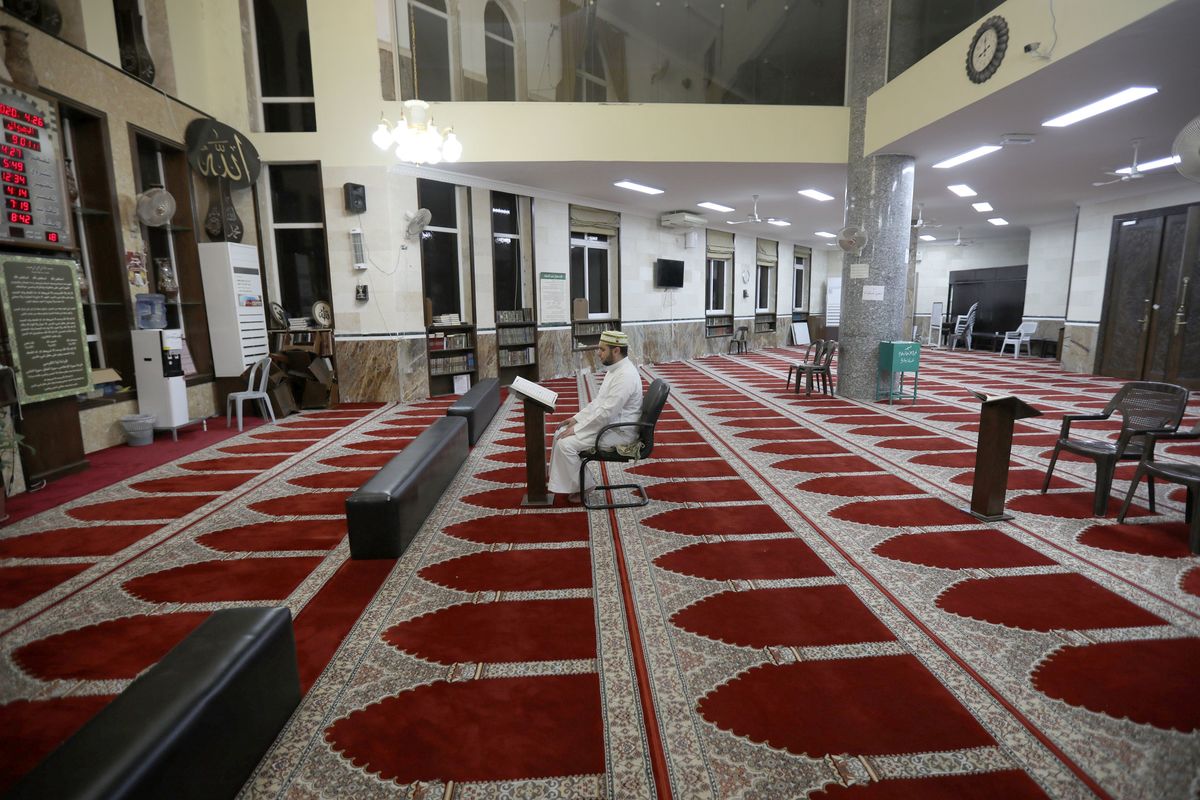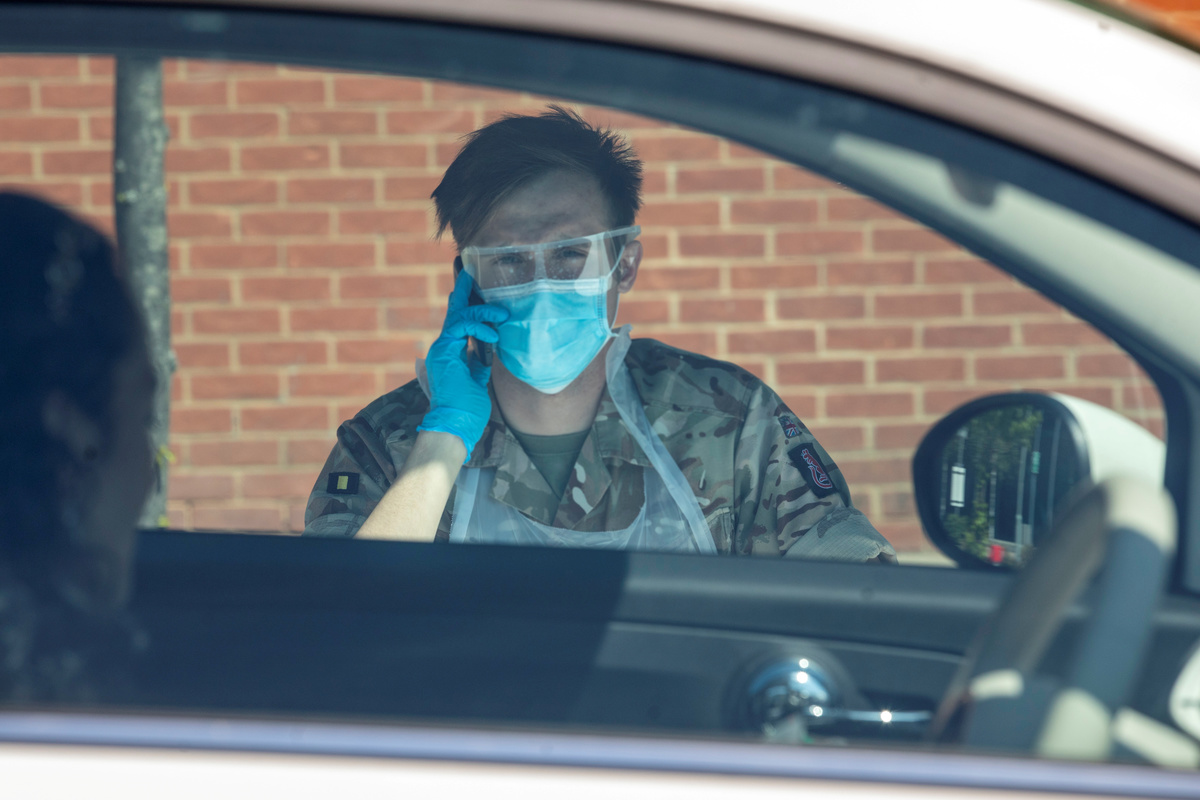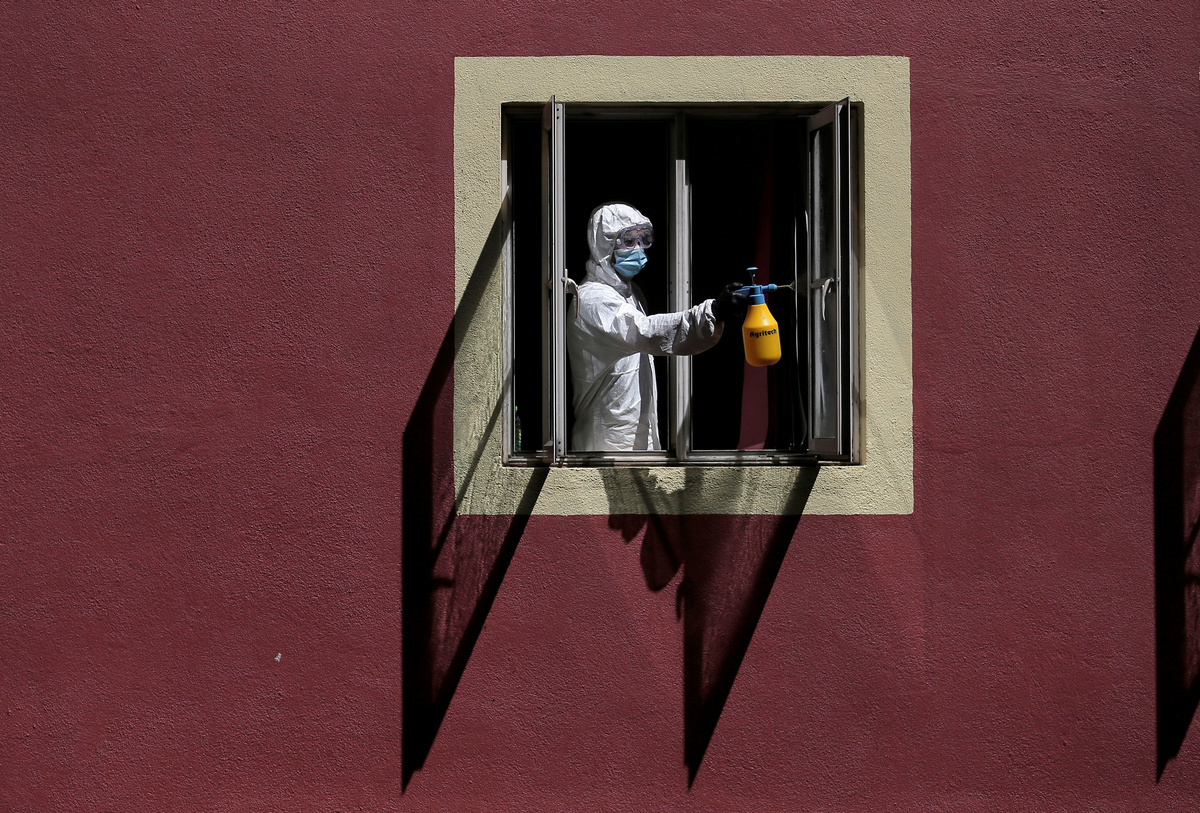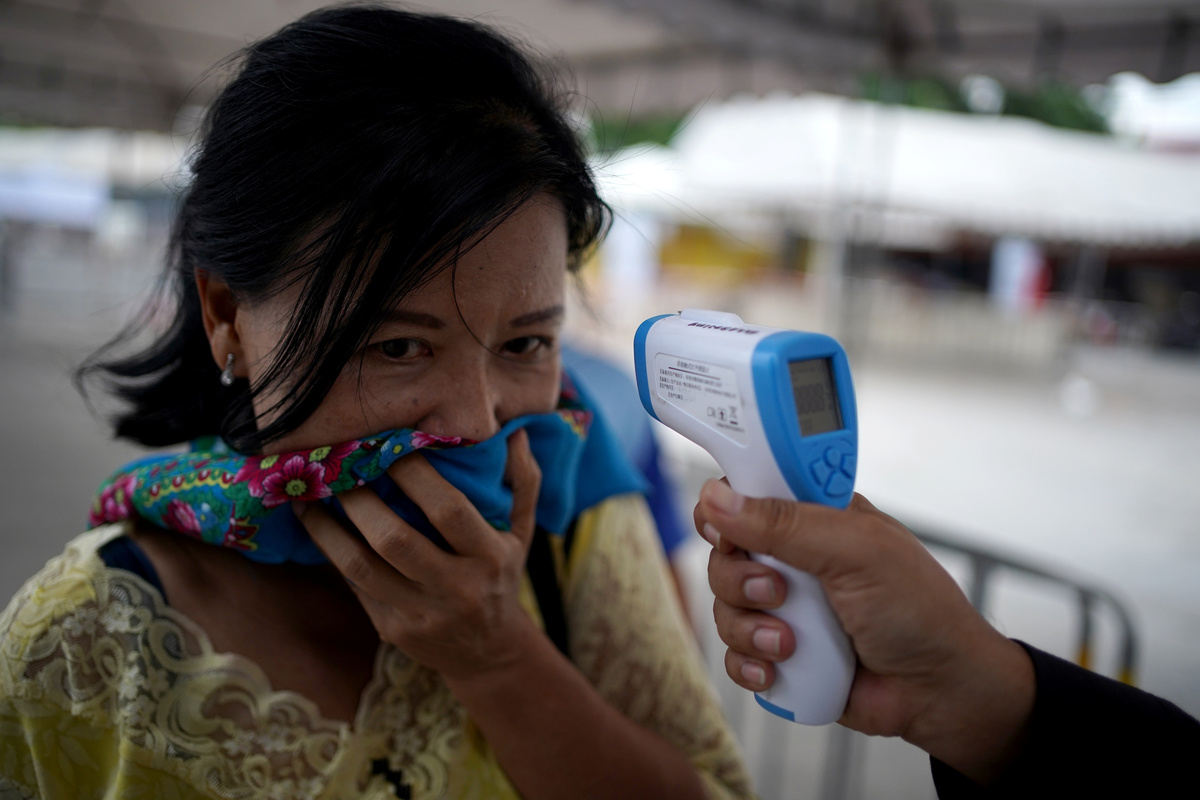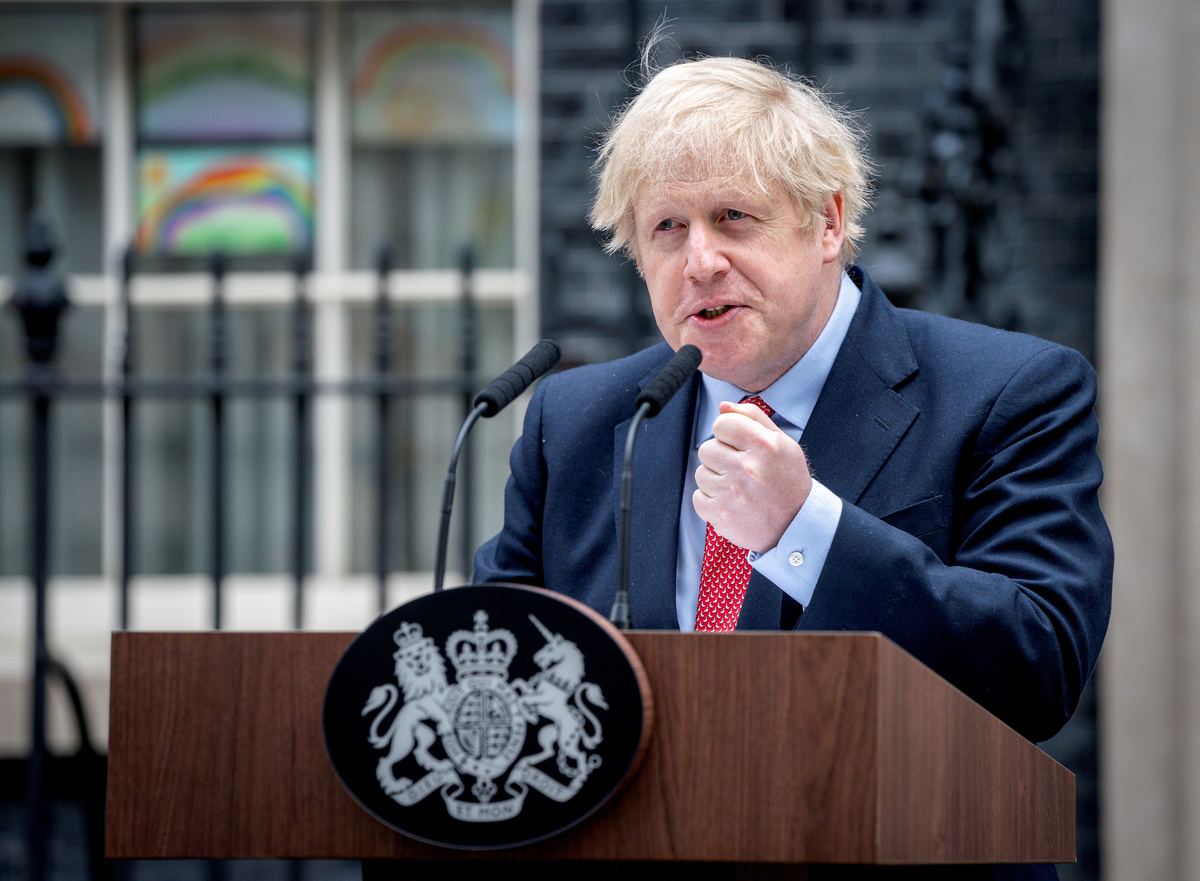
Countries from Italy to New Zealand have announced the easing of coronavirus lockdowns but British Prime Minister Boris Johnson, back at work on Monday after being in intensive care with COVID-19, said it was too soon to relax the restrictions.
The total number of confirmed infections rose above 3 million on Monday, with more than 206,000 dead, according to a Reuters tally of official figures. But as rates of infections fall and fears of economic ruin rise, many countries are looking to ease their lockdowns.
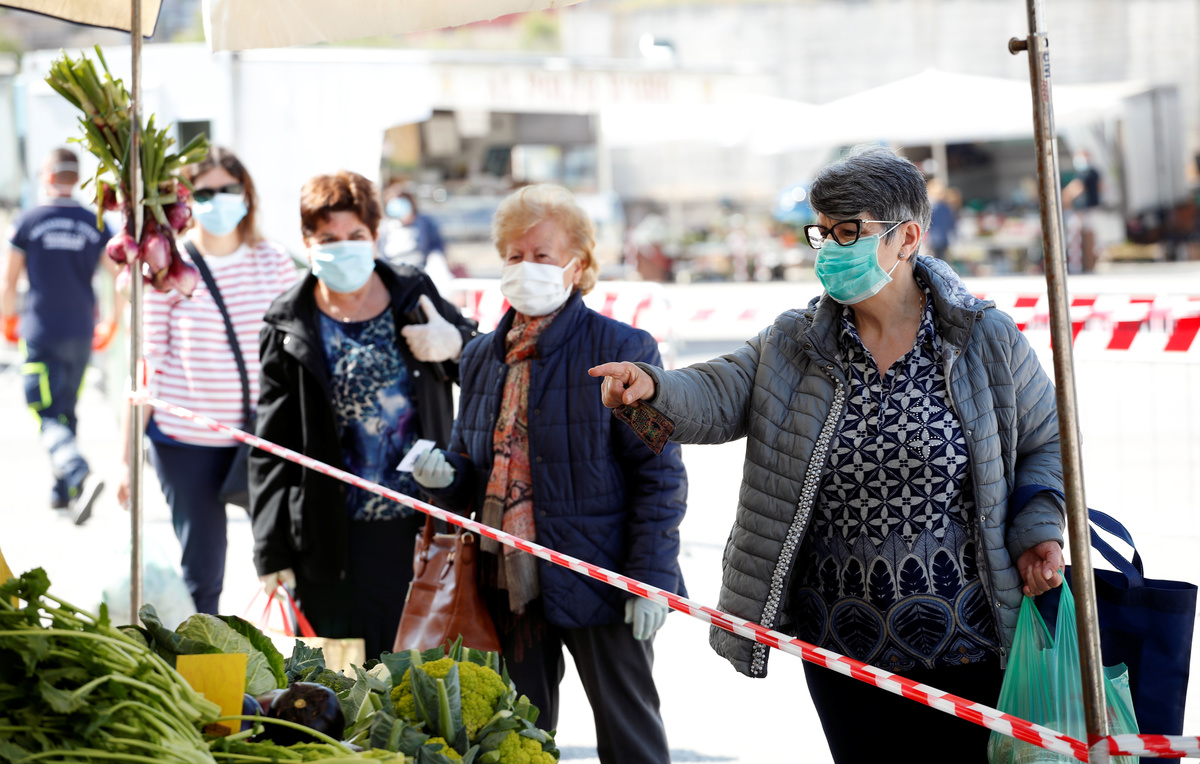
The world's worst pandemic in a century, which originated in China in December, has forced a dilemma upon governments. People cooped up in their homes for weeks on end are growing frustrated and anxious about what the future holds.
And with economic activity from shops and bars to factories and tourism curtailed, deep and prolonged recessions are forecast for many countries.
With no antidote yet found, leaders are also acutely aware that a second wave of infections could sweep over their countries just as life gets back to some kind of normality.
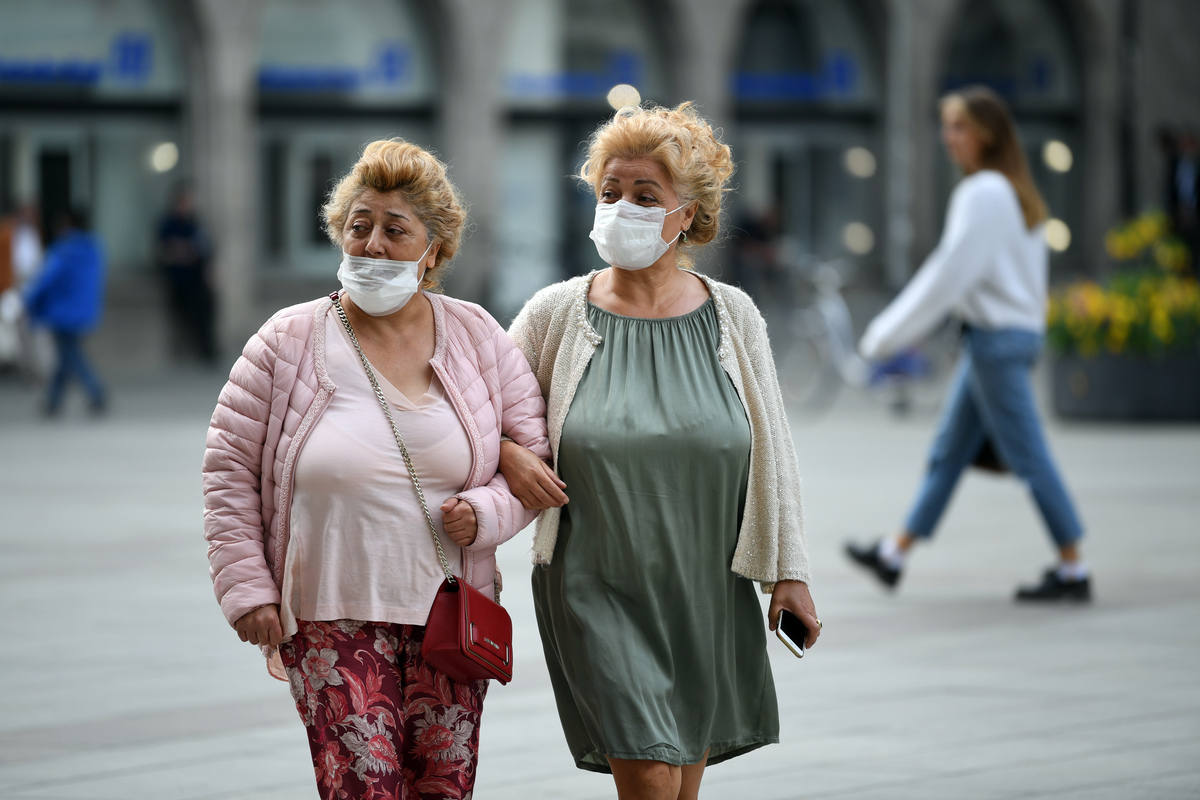
Italy, which has the world's second-highest number of coronavirus deaths at almost 27,000, will allow factories and building sites to reopen from May 4 and permit limited family visits as it prepares a staged end to Europe's longest lockdown, Prime Minister Giuseppe Conte said on Sunday.
But the northern region of Veneto, one of Italy's early coronavirus hotspots, which includes the cities of Venice and Verona, was not prepared to wait another week to make life a little more bearable.
Its governor, Luca Zaia, broke with the national government, decreeing that locals could now exercise freely outside their homes, visit second homes in the region, and go to drive-through takeaways.
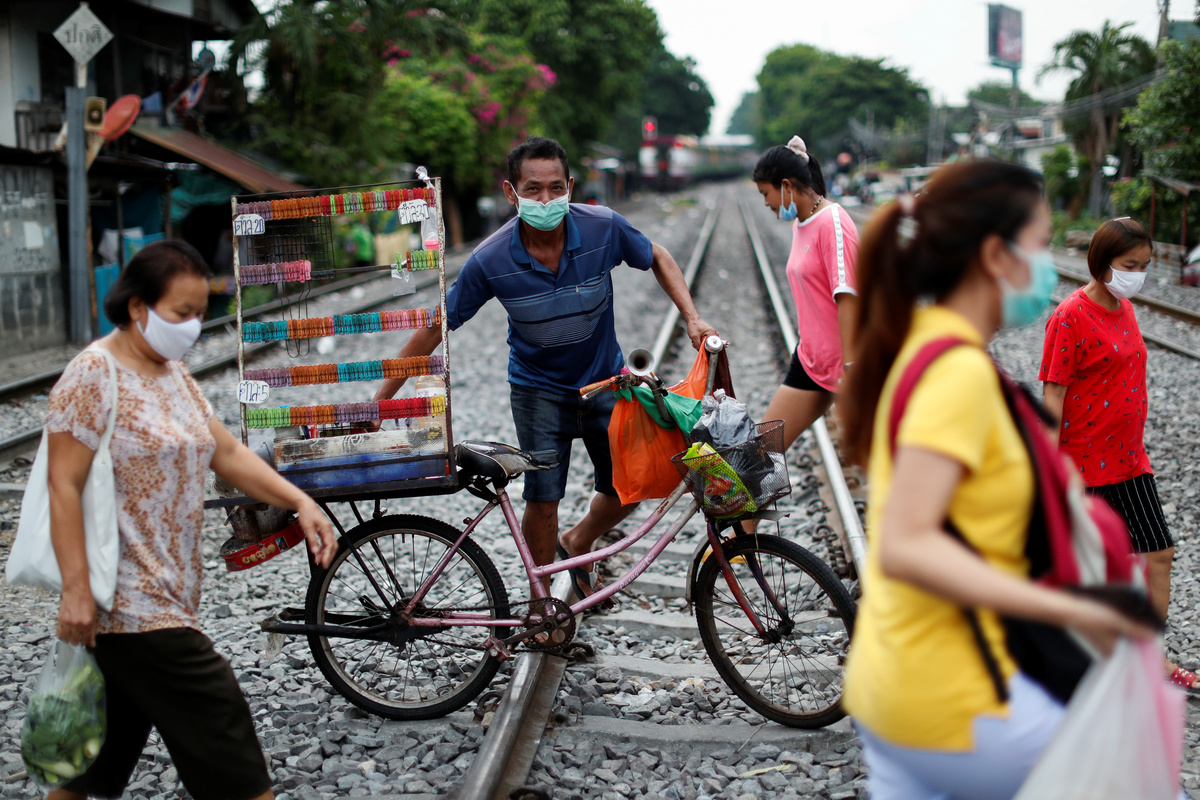
"We can't become a laboratory or guinea pigs," he said. "We also have to live."
"CLEAR U.S. PLAN"
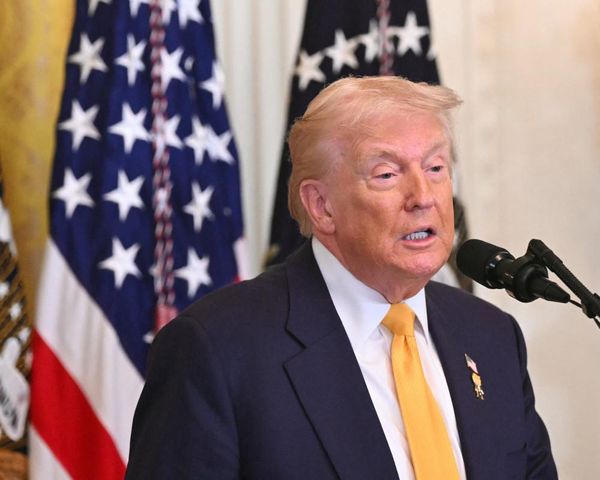
In the United States, which has recorded almost a million cases and over 55,000 deaths, critics have accused President Donald Trump of confusing messages as states have bickered with him over how to handle the outbreak and when to reopen their economies.
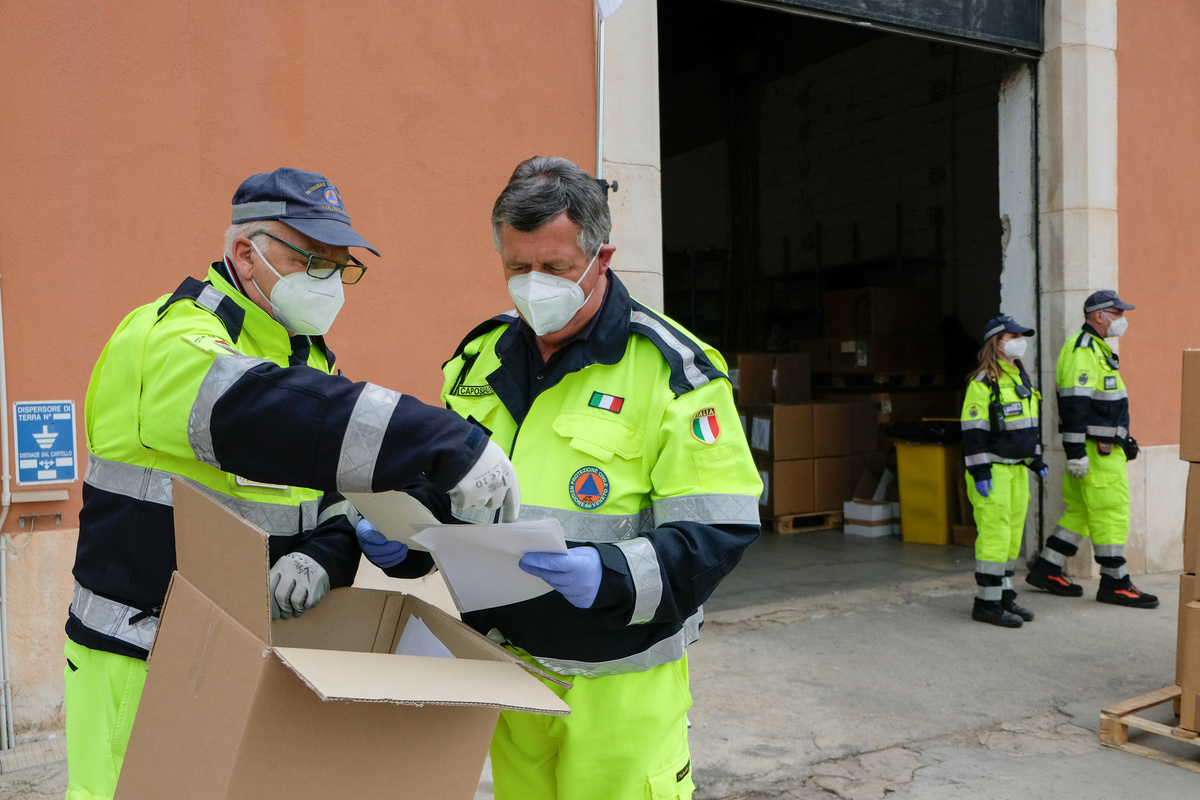
Georgia, Oklahoma and several other largely rural states took tentative steps at restarting businesses on Friday, despite disapproval from Trump and medical experts.
New York Governor Andrew Cuomo said his stay-at-home order was likely to be extended beyond May 15 in many parts of the state, but restrictions could be relaxed in some areas if they had sufficient hospital capacity and met other criteria.
Dr. Mike Ryan, the top emergencies expert at the World Health Organization (WHO), from which Trump has suspended U.S. funding over its handling of the pandemic, said on Monday that the United States seemed to have a "very clearly laid-out", science-based federal plan for fighting its epidemics.
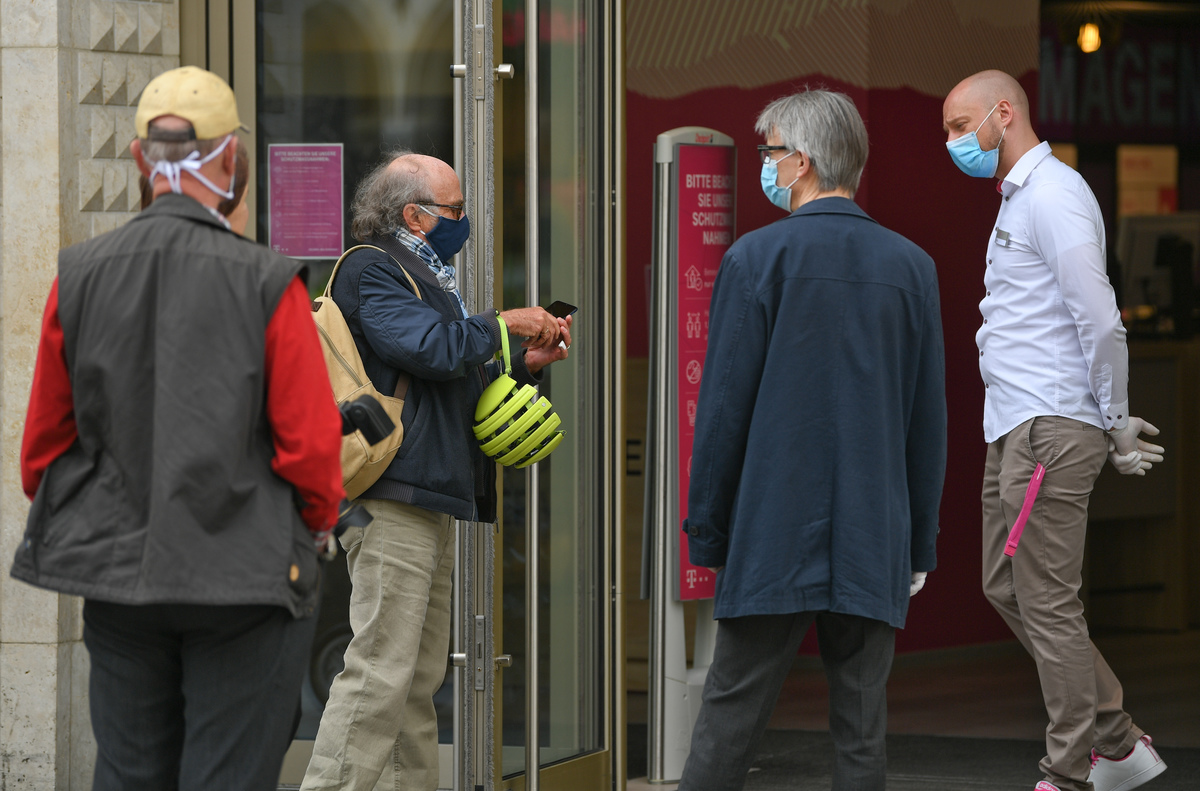
New Zealanders will be able to go fishing, surfing, hunting and hiking this week for the first time in more than a month as their country begins to ease its way out of a strict lockdown.
About 400,000 people will return to work after the alert level drops a notch at midnight on Monday, but shops and restaurants will remain closed.
"We must make sure that we do not let the virus run away on us again," Prime Minister Jacinda Ardern told reporters. "To succeed, we need to hunt down the last few cases of the virus."
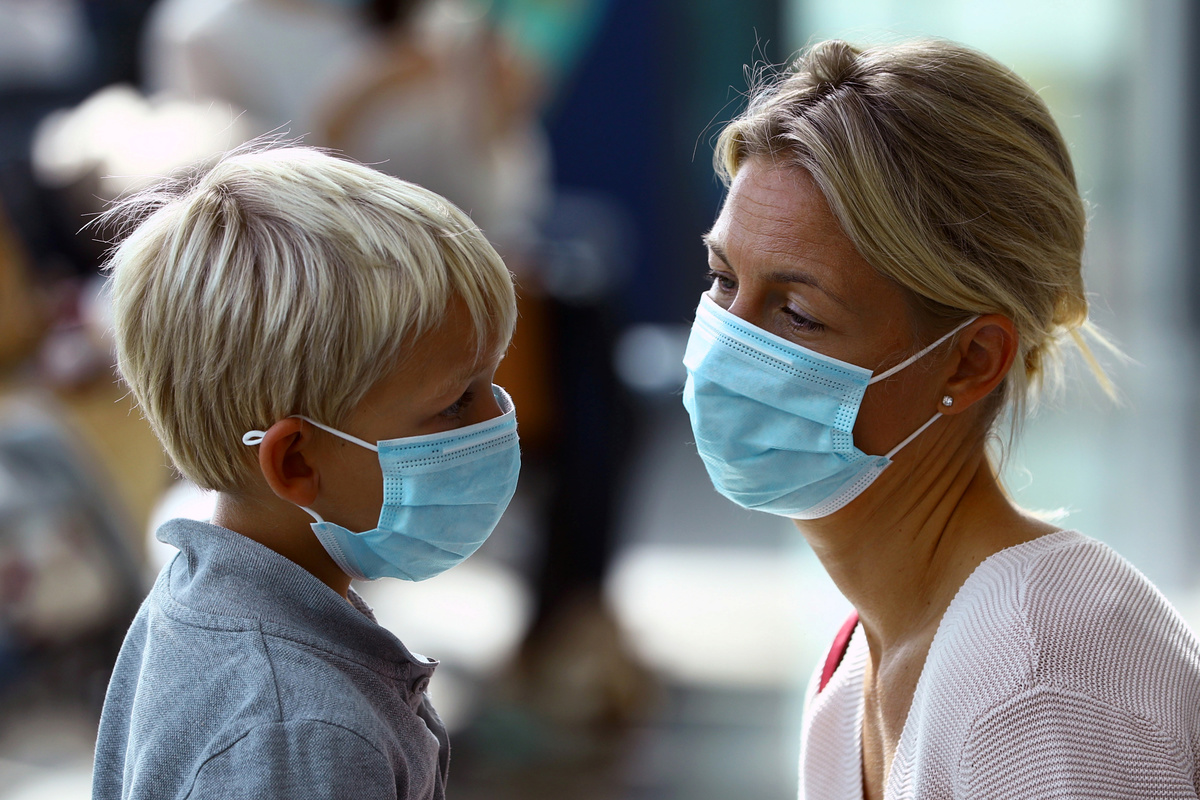
In Norway, schoolchildren from first to fourth grades returned to classes for the first time since mid-March, while a range of small businesses, including hairdressers, were allowed to open.
"I feel like a burden has been lifted," said Abi Qadar, a 36-year-old artist, after dropping off his seven-year-old daughter at school in central Oslo.
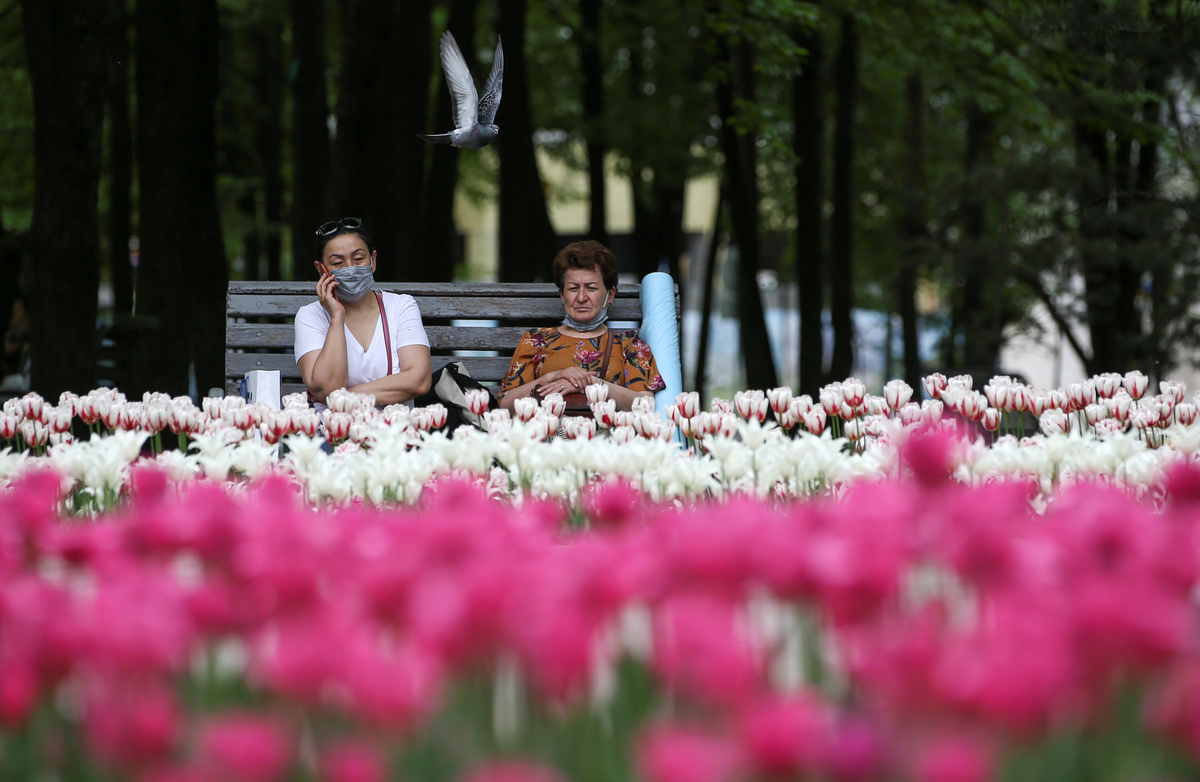
DIY AND GARDEN CENTRES
Spain, with over 23,000 deaths from some 230,000 confirmed cases, cautiously prepared further steps to loosen one of Europe's toughest lockdowns after six weeks, having slowed the infection and death rate.
It played down concerns that letting children outside since Sunday after six weeks of staying indoors had led to crowds forming in public spaces.
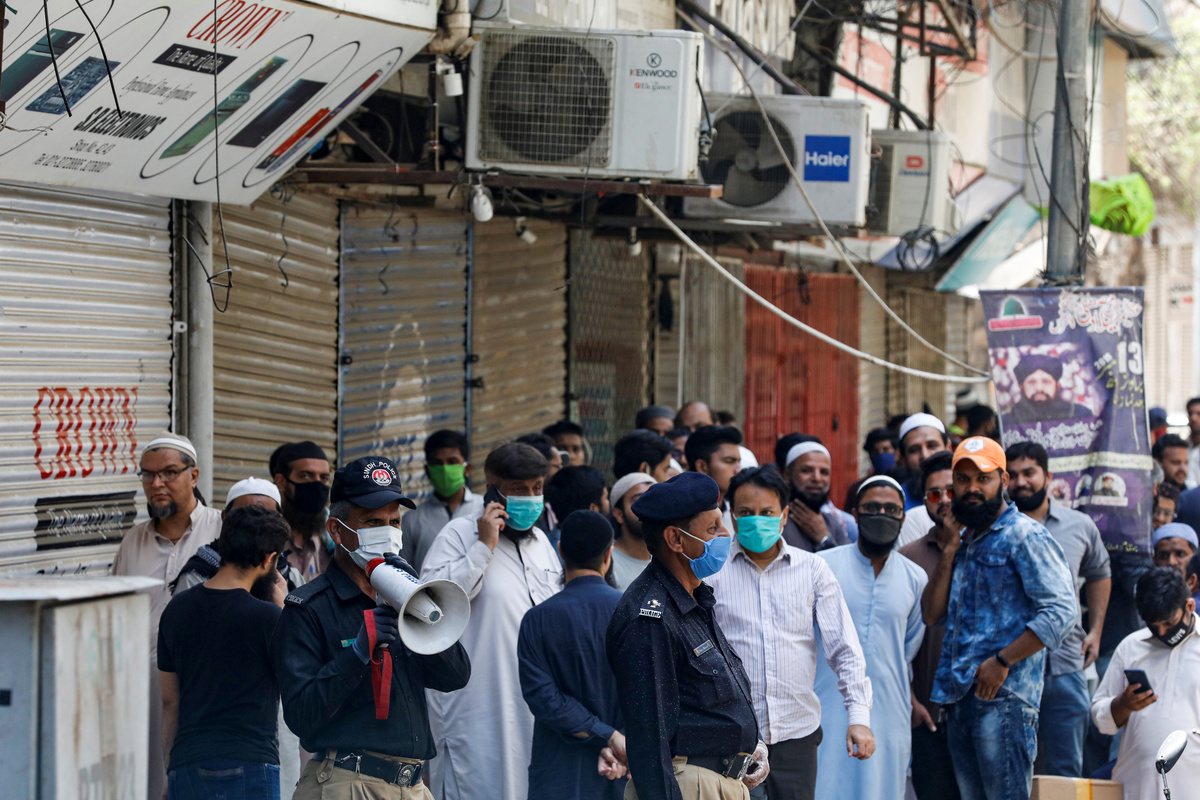
Belgium has already reopened garden and DIY centres, and is starting a wider, gradual easing from May 4. In Switzerland, people got their first haircuts in weeks and visited dentists, as queues formed at garden centres.
Israel on Sunday allowed some businesses to reopen and said it was considering letting children return to school.
Romania said it would not extend its state of emergency past May 15, when people will be able to move around with documentation.
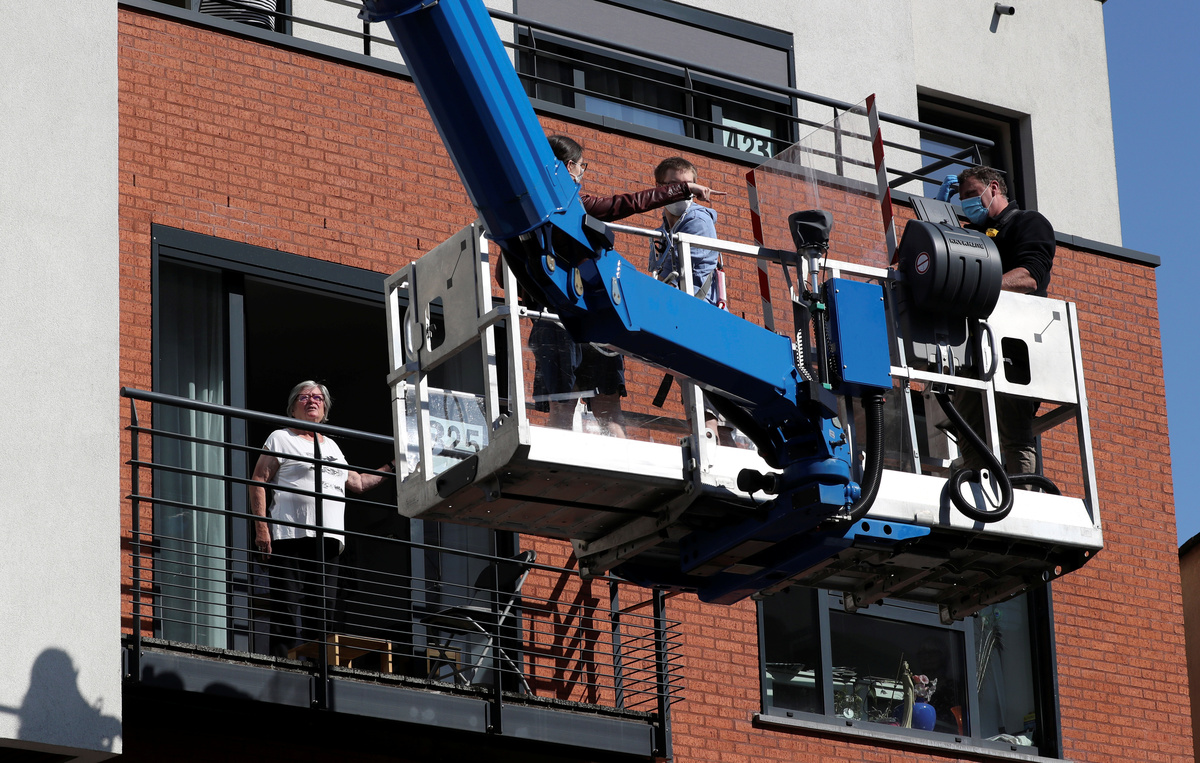
Britain's Conservative prime minister, speaking outside his Downing Street residence a month and a day since testing positive for the virus, compared the disease to a street criminal that the British people had wrestled to the floor.
Johnson, 55, who spent three nights in intensive care at a public hospital in London, said he understood the concerns of business and would consult with opposition parties - but he made clear that there was to be no swift lifting of the lockdown.
"We must ... recognise the risk of a second spike, the risk of losing control of that virus ... because that would mean not only a new wave of death and disease, but also an economic disaster," he said.
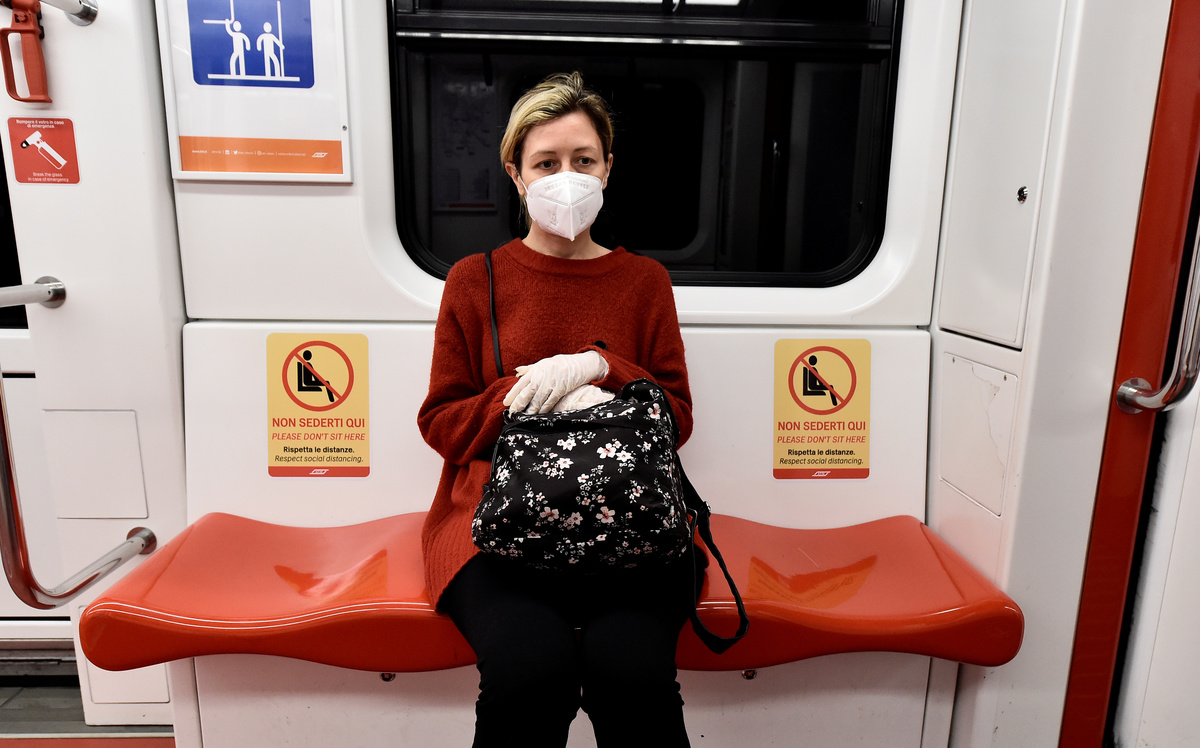
But he did add that the government would outline plans for an easing of curbs in the coming days.
The Chinese city of Wuhan, where the virus originated, now has no remaining cases in its hospitals, a health official said. The city is still testing residents regularly despite relaxing its lockdown.
(Additional reporting by Reuters bureaux; Writing by Nick Macfie and Kevin Liffey; Editing by Angus MacSwan and Alison Williams)