Somalia: Women seek refuge in IDP camps - in pictures
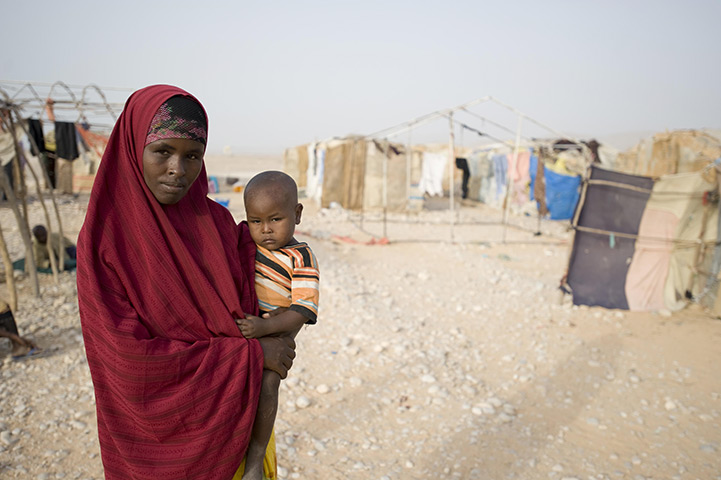
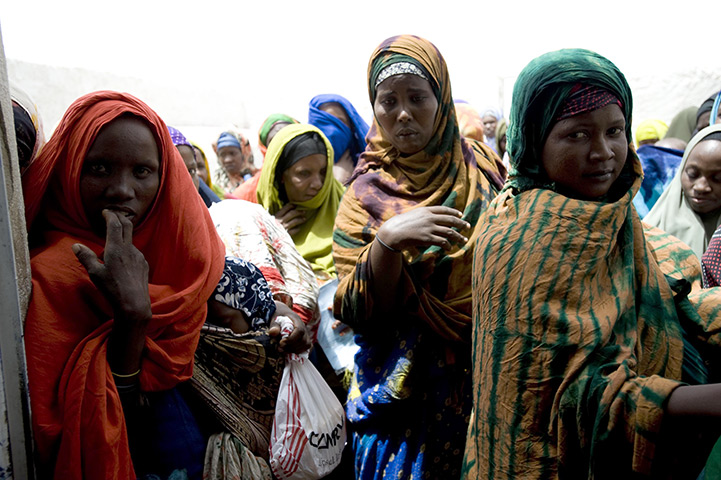
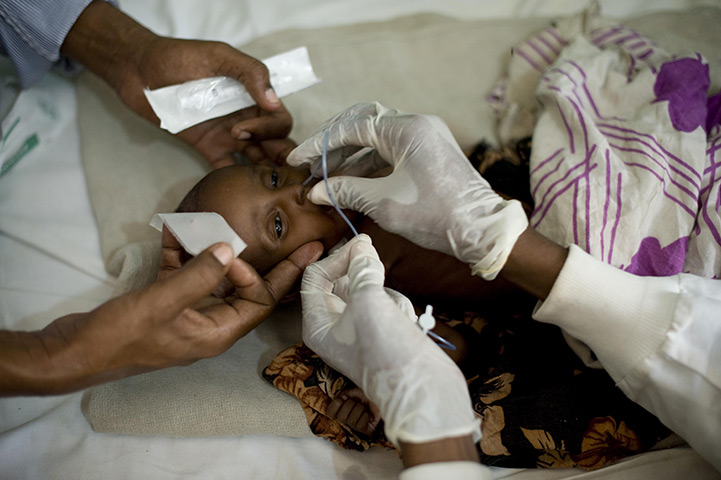
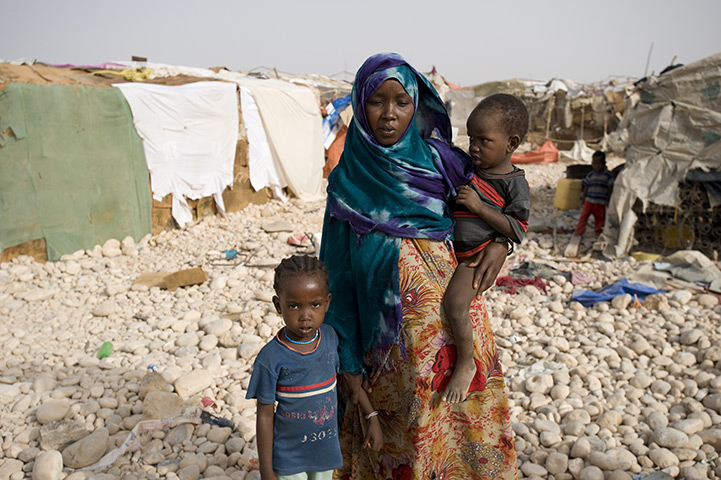
Norta Omar, 26, with her youngest child, Faisal Kasim, two. Norta left south-central Somalia after her 100 goats and 50 cattle died. She is currently staying with a host family in New Shabelle camp for internally displaced people in Bosaso, Puntland. Save the Children runs five outpatient therapeutic programmes in Bosaso and 15 supplementary feeding programmesPhotograph: Rachel Palmer/Save the ChildrenMothers queueing with their malnourished children at one of the outpatient therapeutic programmes (OTP) in the IDP camps in Bosaso. The OTP is in Mingis camp and in one day will treat 150 malnourished childrenPhotograph: Rachel Palmer/Save the ChildrenA feeding tube is inserted through baby Aisha's nose. Aisha is four months old and was admitted to Bosaso stabilisation clinic on 30 July weighing just 2kg. Her brother, Mohammed, was admitted to the clinic 10 days earlier, weighing just 6.2kg. Both were severely acutely malnourished with additional medical complications and needed immediate support. Aisha is being looked after by a neighbour, after her mother died a day after giving birth to her. Another neighbour is looking after MohammedPhotograph: Rachel Palmer/Save the Children
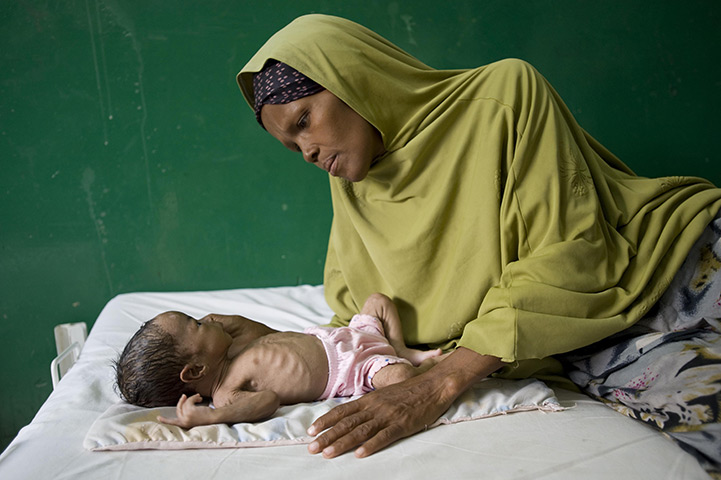
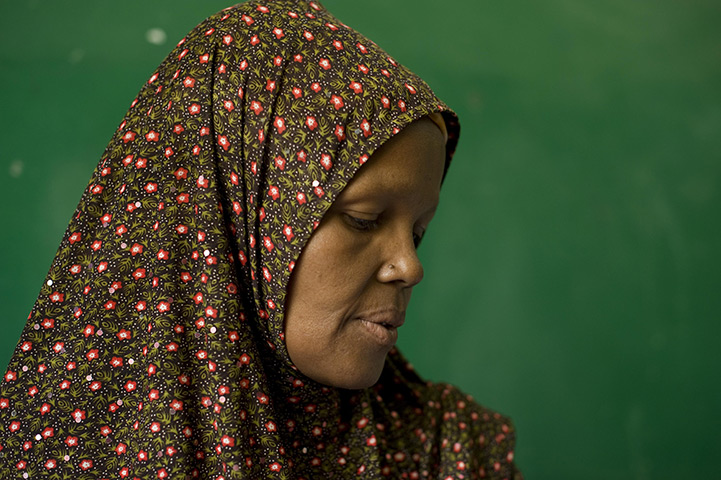
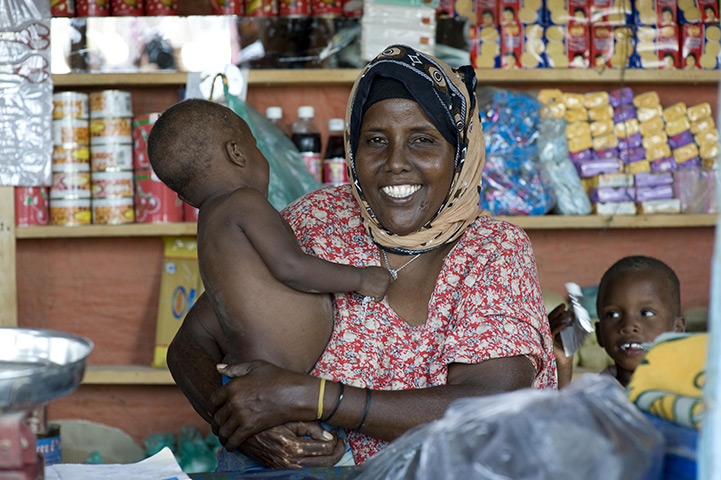
Abdiqaadir Jibril, who is two months old, is in Bosaso stabilisation centre being treated for severe acute malnutrition with medical complications. When he was admitted to the clinic on 22 July he weighed 2.8kg. Three days later he weighed 3.1kg. His mother, Willo Shiqnuur Mohammed, left south-central Somalia to come to Bosaso in Puntland because of the droughtPhotograph: Rachel Palmer/Save the ChildrenAsmara with her two children in one of the IDP camps in Bosaso, Puntland. She arrived at New Shabelle camp for internally displaced people three days ago. It took her 10 days to travel from her home in Belet Weyne, in Hiran, to Bosaso. They were robbed on the way. She left because of the drought. All her animals died. She sold her land and her house to pay to travel to Bosaso, but could only afford for two of her children to travel with her. She had to leave her other daughter behind. Asmara is eight months pregnant. She is living with another two families in a small hut made from cardboard boxesPhotograph: Rachel Palmer/Save the ChildrenTo add to the situation, food prices have risen by up to 300% in places. Willo explains: ‘The prices of food have gone up suddenly and that has also made life difficult for us. For example, half a kilo of pasta we used to buy for half a dollar, now the price has almost doubled. It’s the same for basic things like oil and rice, they’re very expensive. Because of the high prices of food we have to find ways to cope in our household. I’ve resorted to giving the children one meal a day instead of the two meals we used to have. Instead of buying vegetables, because they’re expensive, I have to give them the pasta with sugar to make it sweet for them’Photograph: Rachel Palmer/Save the ChildrenHawa Hassan runs a little store in Tawakal camp for internally displaced people in Bosaso. She has found that food price increases have affected her business. Despite being internally displaced herself she is hosting two families who have just arrived from MogadishuPhotograph: Rachel Palmer/Save the Children
Sign up to read this article
Read news from 100's of titles, curated specifically for you.