
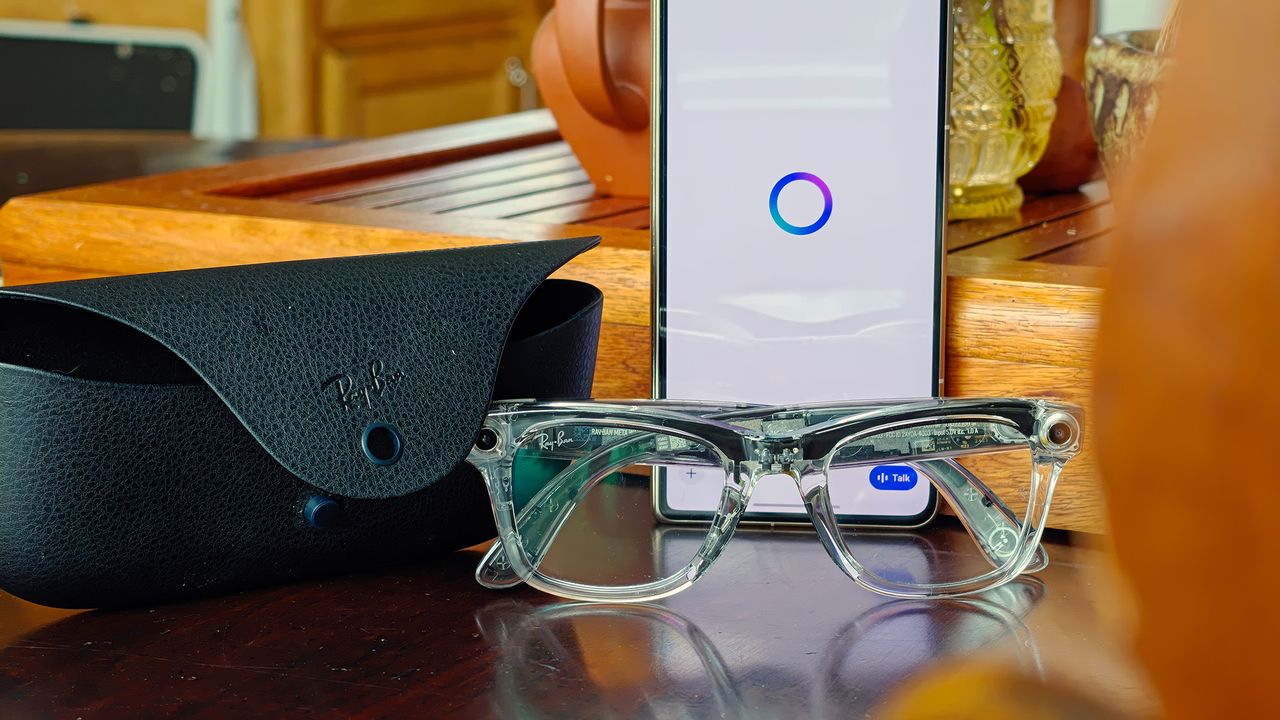
Meta is single-handedly making smart glasses mainstream thanks to its partnership with EssilorLuxottica, the eyeglasses maker that owns the Ray-Ban and Oakley brands, among others. However, competing smart glasses brand Solos is now suing both Meta and EssilorLuxottica, alleging the two companies willfully violated multiple Solos patents.
Solos says these patents span "core technologies in the field of smart eyewear," including, but not limited to, integrated system architectures, multimodal sensing, beamforming, and audio processing. The company's court filing alleges that it "secured patent protection for these innovations years before [Meta and its co-defendants] began developing their smart-glasses programs." Notably, Solos is asking for damages "in the multiple billions of dollars" as a result of the alleged patent infringement.
The lawsuit was filed Friday, Jan. 23 in Massachusetts federal court. The filing claims Meta employees "studied Solos’ products, cited Solos’ patents, interacted with inventors, and gained insight into Solos’ engineering work" prior to making its own smart glasses available for purchase in 2021.
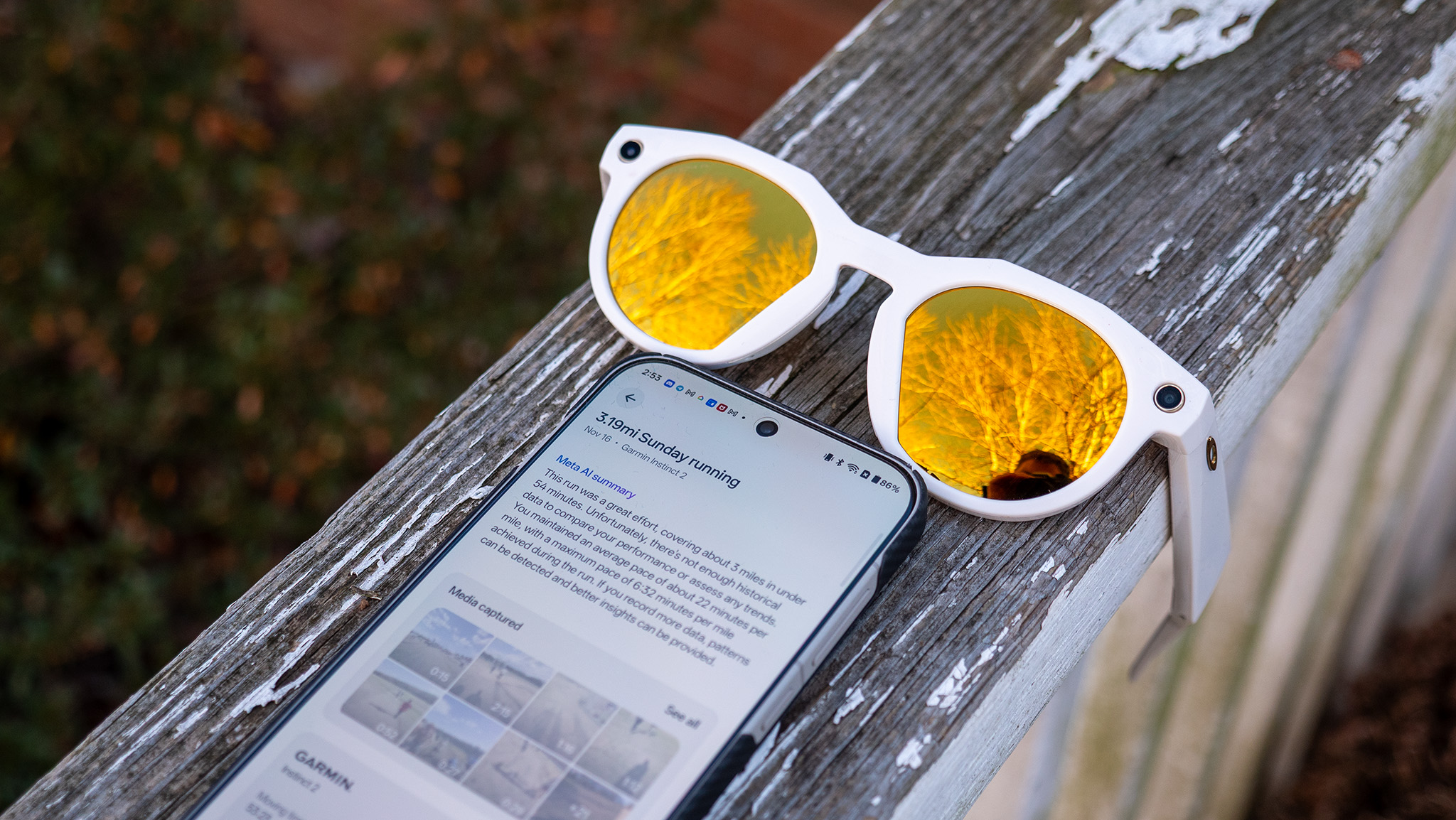
Separately, Solos claims Oakley staffers saw Solos' technology in 2015. Around January 2019, a pair of Solos smart glasses was sent to an Oakley former senior executive at their request "for evaluation purposes." Over time, the Oakley executive "gained familiarity with Solos' integrated eyewear architecture and open-ear audio approach." The lawsuit lists Meta, the U.S. business of EssilorLuxottica, and its Oakley subsidiary.
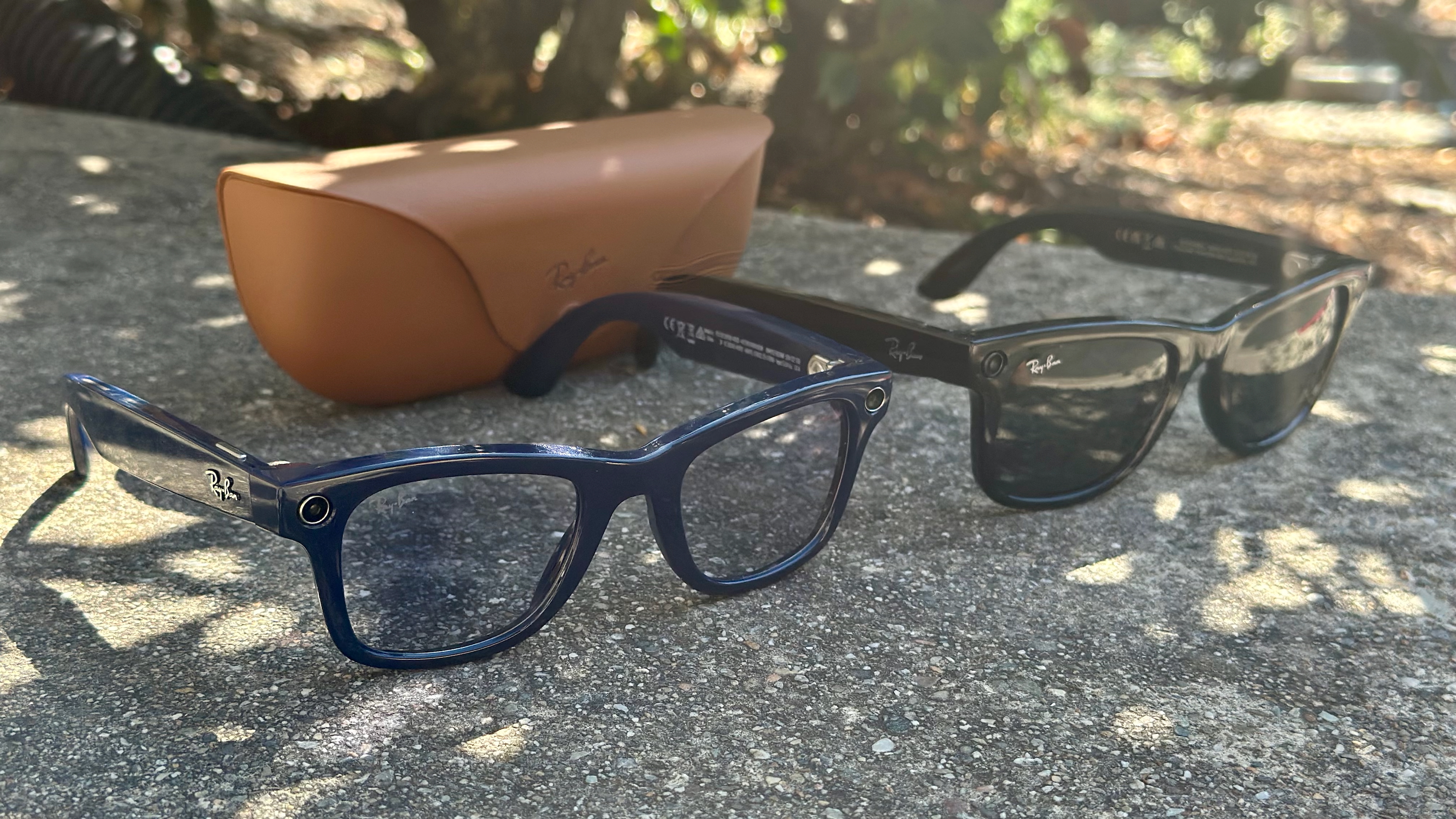
Solos' patent infringement case specifically refers to the Ray-Ban Meta Wayfarer Gen 1 smart glasses. Additionally, since Meta's other smart glasses "derivative of the Gen 1 platform," the filing alleges "ongoing and continuous infringement. Finally, Solos is asking for a court injunction preventing further patent infringement, which could affect Meta smart glasses sales — if granted.
Android Central reached out to Meta and EssilorLuxottica for comment regarding the lawsuit (Solos Technology v. Meta Platforms, 26-cv-10304), but did not immediately hear back in time for publication. We will update this article if we receive a response. A spokesperson for Solos told Reuters the complaint "speaks for itself."

Solos' lineup of AirGo smart glasses feature open-air speakers, artificial intelligence powered by ChatGPT, live translation tools, and an optional camera. Unlike Meta's smart glasses offerings, Solos' are modular. The temples attach to the lens frame with USB-C connectors. In practice, this means users can upgrade the temples or swap out the frame style without needing to buy an entirely new pair of glasses.
This filing is the latest in a string of lawsuits surrounding smart glasses manufacturers. Earlier this month, Xreal sued Viture in the U.S., following a similar patent lawsuit in Germany a month prior. Xreal says Viture's Pro XR glasses infringe on its patents, and is filing suit ahead of the expected XR glasses boom. The company's filing cited a research firm's claim that the market will grow 6x in the decade. It could become a nearly $700 billion market by 2035.
Solos is making similar lofty claims about Meta's sales prospects in the coming years with its lawsuit. Solos says Meta smart glasses could generate $10 billion in revenue by 2030, based on current projections.
What does this mean for smart glasses fans?
In an emerging market like wearables, patent disputes are not uncommon. Over the last few years, we've seen medical tech company Masimo sue Apple over over blood-oxygen monitoring on the Apple Watch, smart ring company Ultrahuman sue competitor Oura, and workout tracker Strava sue Garmin.
Some of these disputes are solved very quickly with little consumer impact. Strava, for example, voluntarily dropped its suit against Garmin after a three-week spat. Others do affect the consumer market, like the Ultrahuman and Apple Watch sagas, which both included U.S. sales bans for certain products — at least temporarily. Ultrahuman's smart rings currently cannot be sold in the U.S.
Solos is asking for a similar outcome — it is seeking an injunction that would prevent Meta from selling the allegedly infringing products. That doesn't mean the court will grant it, however. For now, Solos and Meta smart glasses will continue to be sold and operate as normal. This case will certainly have an impact on the future of the growing smart glasses market, as Solos is making strong claims about the current market leader's products.