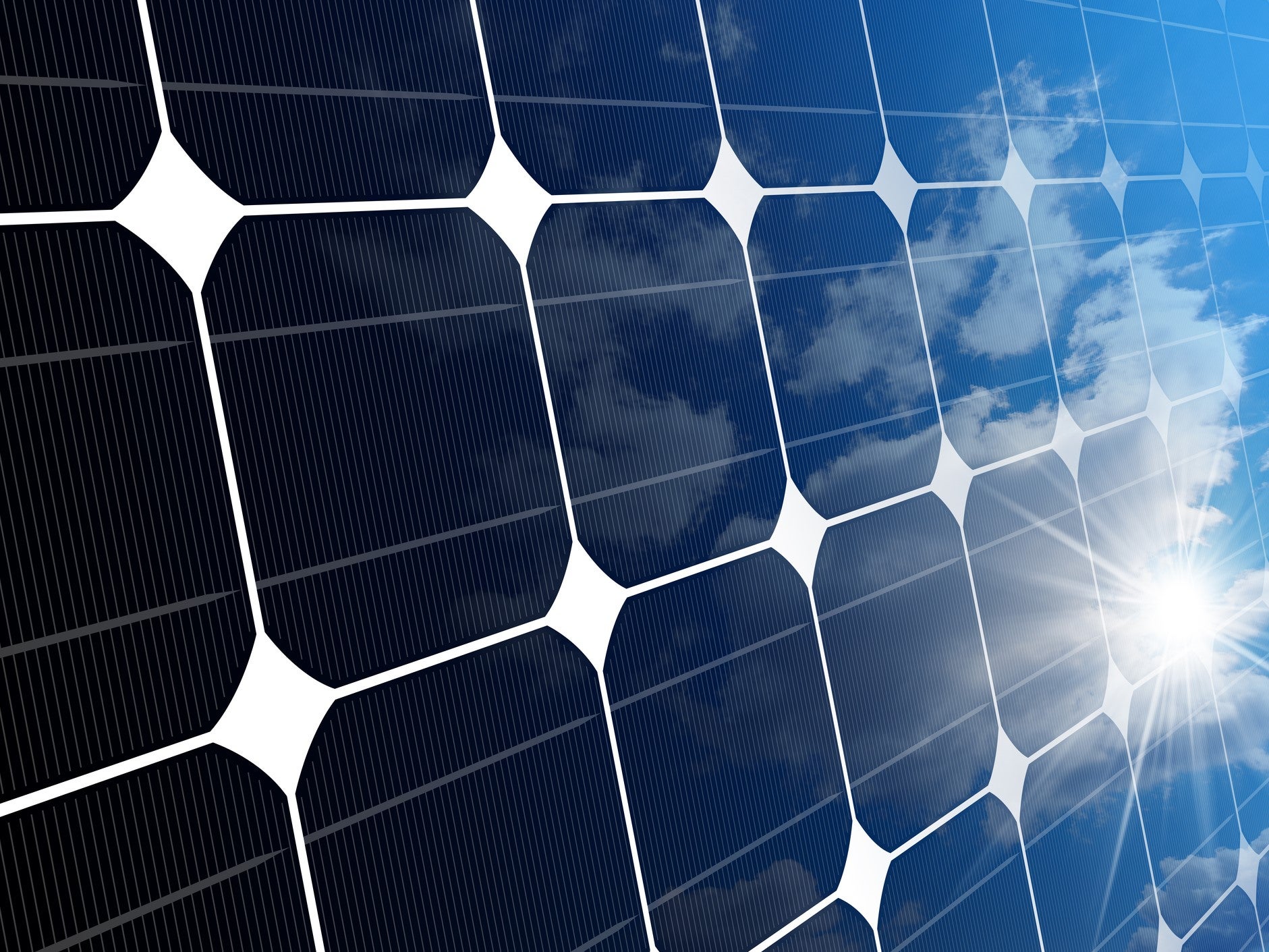
Scientists have achieved a new world record in solar cell efficiency, allowing more power to be harvested from the sun’s energy.
The breakthrough was achieved using a widely acclaimed material called perovskite, which researchers from Technical University Berlin combined with traditional silicon cells to hit an efficiency of 29.15 per cent.
The previous record for solar cell efficiency was 28 per cent.
“Tandem solar cells that pair silicon with a metal halide perovskite are a promising option for surpassing the single-cell efficiency limit,” the scientists wrote in a paper published in the journal Science.
“In air, without encapsulation, a tandem retained 95 per cent of its initial efficiency after 300 hours of operation.”
The potential of perovskite in solar cell technology has only been realised relatively recently, but some experts believe it could transform the solar industry.
In 2017, materials science professor Z. Valy Vardeny from the University of Utah said: “It’s unbelievable, a miracle material.”
In the space of just a few years, researchers have improved perovskite’s sunlight-to-energy efficiency from around 3 per cent.
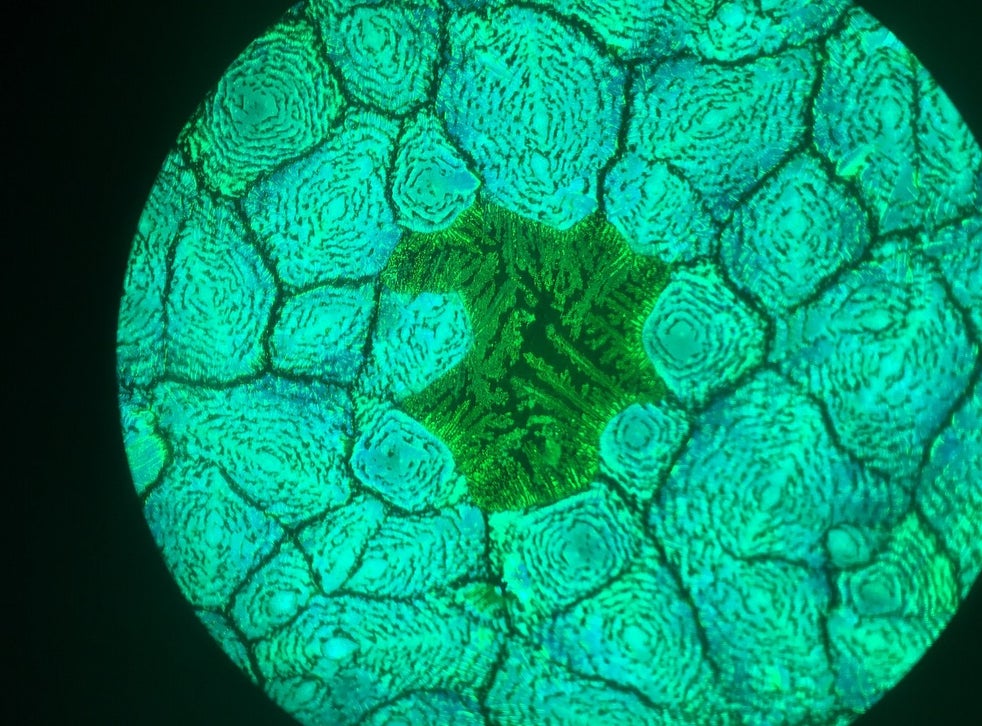
A fundamental problem limiting its use in commercial solar cells was solved earlier this year when researchers in Australia used computational modelling to overcome instability within the material when exposed to sunlight.
The latest breakthrough was achieved using a solar panel measuring 1cm by 1cm, meaning a significant amount of scaling up will need to be done before the tandem cell technique can be used commercially.
The scientists claim the combination of perovskite and silicon could ultimately achieve efficiency rates above 30 per cent. By contrast, photosynthesis conducted by algae achieves an efficiency rate of around 3 per cent when converting the sun’s energy into biomass.