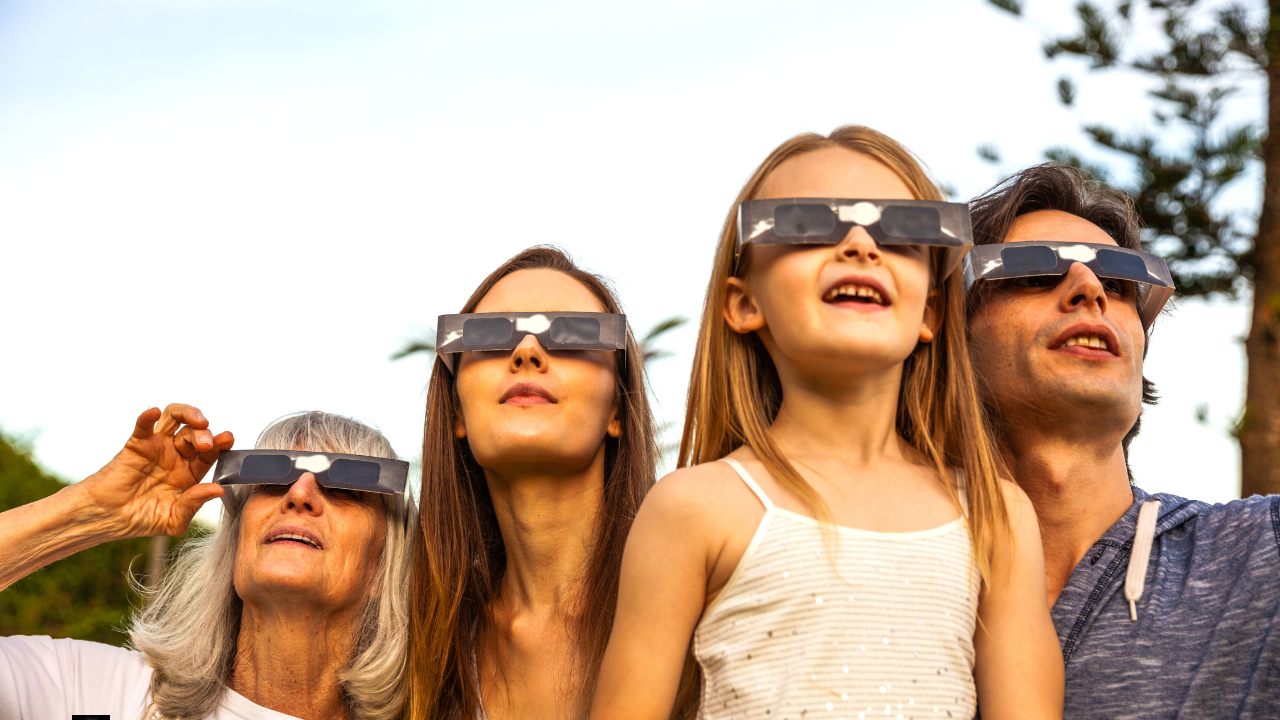
For thousands of years, almost all of us have been mesmerised by the amazing occurrence of solar eclipses. This time too the eclipse will surprise us with its beauty on March 29 which will be the first solar eclipse of 2025, and will last roughly four hours. However, there are many myths surrounding solar eclipses, particularly concerning the topic 'pregnancy' in various civilisations, particularly in India. Some of these ideas have little scientific support, while others have their roots in tradition. It's important to differentiate reality from fiction and concentrate on useful guidance that encourages wellbeing and safety.
What is a solar eclipse?
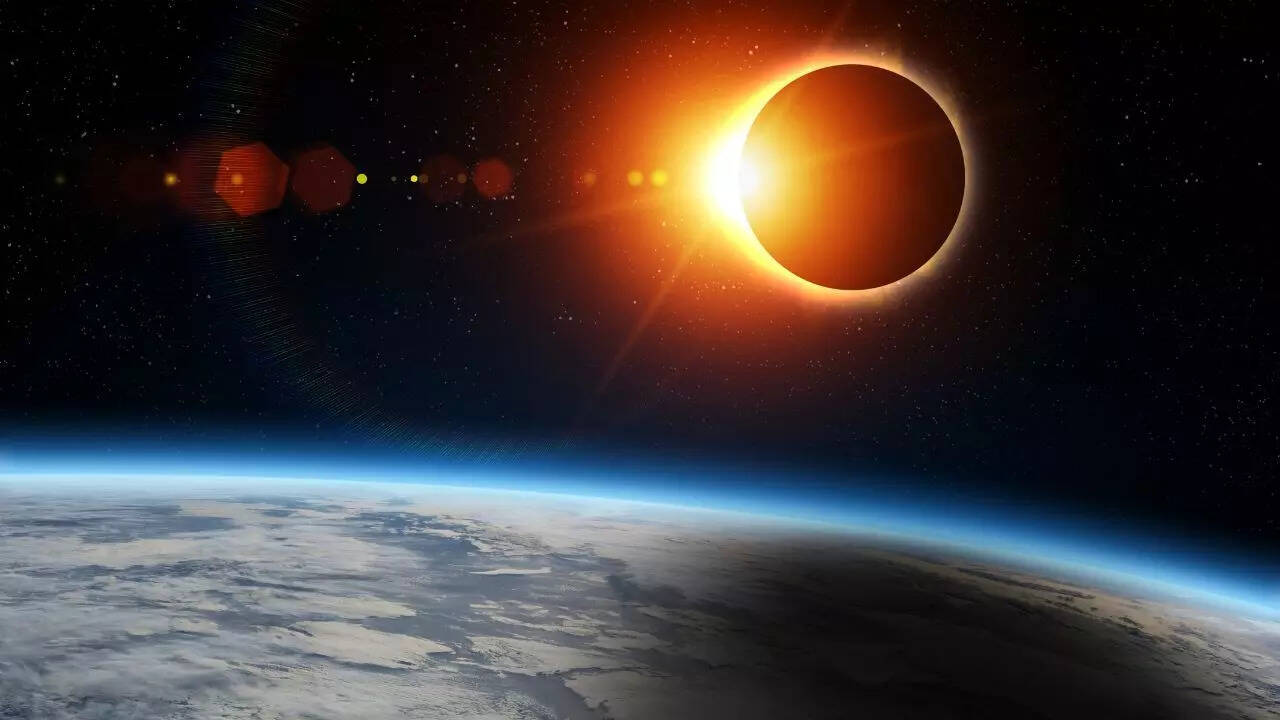
The eclipse has a very basic concept, when the Moon passes between the Earth and the Sun, it can partially or totally hide the Sun's light, causing a solar eclipse. Three main kinds of solar eclipses exist:
A total solar eclipse occurs when the Moon totally conceals the Sun, briefly transforming day into darkness.Partial solar eclipse: The Moon creates a crescent shape when it partially covers the Sun.The Moon appears smaller than the Sun during an annular solar eclipse, creating a shining ring that is referred to as the "ring of fire."See More: When is Surya Grahan 2025 in India - 29th or 30th March? Correct date, timing, and more
Solar eclipse 2025: Will it be visible in India?
The partial solar eclipse on March 29, 2025, will be visible across parts of the Northern Hemisphere, including eastern Canada, northern Russia, most of Europe, northeastern North America, and northwest Africa. But, For those who hope to see it from India, will not be able to watch this event as it will not be visible in India. The timing of the eclipse, as per Indian Standard Time (IST), is:
Start time: 2:20:43 PM ISTPeak time: 4:17:27 PM ISTEnd time: 4:13:45 PM ISTSee More: Solar Eclipse 2025: 5 things to do before, during, and after solar eclipse
Are precautions necessary for pregnant women?
Pregnant women should take special care during a solar eclipse, according to various traditional beliefs. However, the idea that eclipses are an immediate risk to the pregnancy is not supported by current medical research. The key is to follow general health and safety guidelines rather than basing actions on myths.
Important safety tips for pregnant women during solar eclipse
Avoid looking directly at the sun
One of the most critical safety measures during a solar eclipse is to never look at the Sun without proper protection. This rule applies to everyone, including pregnant women. Direct exposure to the Sun’s rays can cause permanent eye damage. If there is a desire to view the eclipse, it is essential to use certified solar eclipse glasses. Regular sunglasses are not sufficient.
See More: Solar Eclipse 2025: When and where to see it? Visibility in India, safety tips on how to watch it?
Minimise UV exposure
Although a solar eclipse itself does not emit any harmful radiation, excessive exposure to ultraviolet (UV) rays is always a concern, especially during pregnancy. Staying indoors during the peak hours of the eclipse can help minimize unnecessary exposure.
Stay hydrated
Pregnancy already increases the body’s requirement for fluids. Staying well-hydrated is essential, especially if the eclipse coincides with hot weather conditions. Drinking plenty of water, fresh juices, or coconut water can help prevent dehydration.
Maintain a calm and stress-free environment
Solar eclipses are often linked with superstitions and myths that can create unnecessary anxiety. Stress during pregnancy is not advisable, so it is best to engage in relaxing activities such as deep breathing, listening to soothing music, or meditating.
Avoid unnecessary physical strain
While there is no direct evidence that a solar eclipse affects physical health, it is always good practice for pregnant women to avoid unnecessary physical strain and get enough rest. Taking it easy during the eclipse period can contribute to overall well-being.
Eat nutritious meals
There is a common belief in some cultures that food should not be consumed during an eclipse. However, medical experts do not support this notion. A balanced diet is crucial for pregnant women at all times. Eating fresh, home-cooked meals and staying nourished is important, regardless of an eclipse.
Consult a doctor for any concerns
If there are any specific concerns related to pregnancy and solar eclipses, consulting a doctor or healthcare provider is the best course of action. A medical expert can offer reliable guidance based on scientific evidence rather than myths.
Traditional tips that pregnant women can follow
Many cultures around the world have their own set of beliefs and customs regarding eclipses, particularly in relation to pregnancy. Some pregnant women may choose to follow them for cultural or personal comfort. Some common traditional practices include:
Staying indoors
It is often believed that pregnant women should avoid stepping outside during an eclipse to prevent any negative effects on the baby. While there is no scientific evidence supporting this, some follow this practice out of tradition.
Avoiding sharp objects
Some traditions suggest that pregnant women should not use knives, scissors, or needles during an eclipse, as it is believed to cause birth defects. Again, there is no scientific proof, but some choose to follow this as a precaution.
Covering windows with curtains
Some households cover windows with dark curtains during an eclipse to prevent exposure to the celestial event. While this has no scientific basis, it is a widely followed practice in many cultures.
Taking a bath after the eclipse
A common belief is that pregnant women should take a bath after the eclipse to cleanse any negative effects. While this is a ritualistic practice, taking a bath can indeed be refreshing and relaxing.
Placing Tulsi leaves in food and water
In some cultures, Tulsi (holy basil) leaves are placed in food and water during an eclipse to purify them. This practice is rooted in religious beliefs rather than scientific necessity.
Pregnant women do not need to take any extraordinary precautions during a solar eclipse. The most important aspects to focus on are eye protection, hydration, stress management, and overall well-being. Superstitions should not cause unnecessary worry. Scientific understanding should always guide decisions, ensuring a safe and stress-free pregnancy experience. If any concerns arise, a healthcare professional should always be consulted for expert advice.