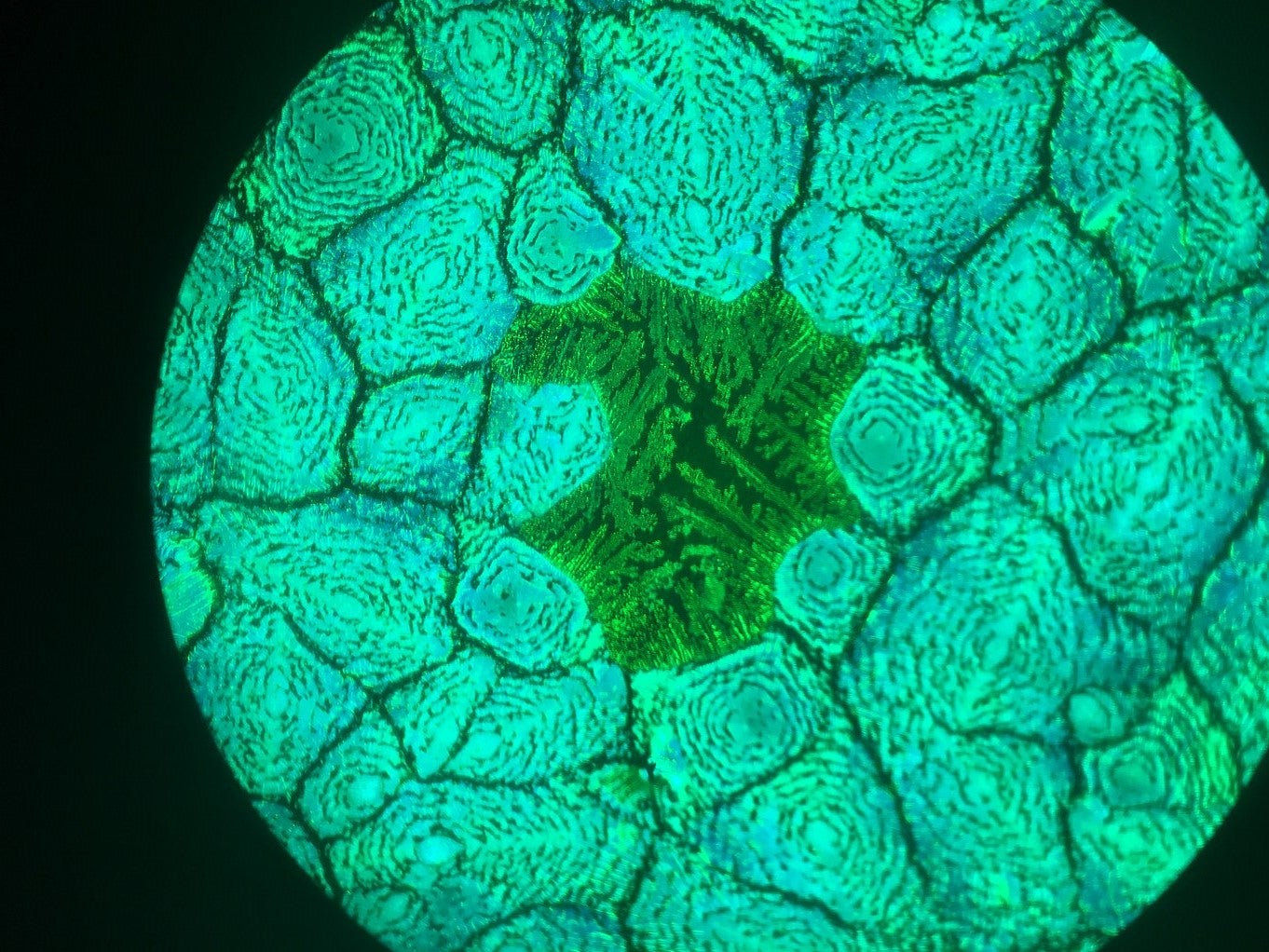
Scientists have solved a fundamental problem that had prevented a “miracle material” from being used in next-generation solar cells.
The breakthrough paves the way for the widely acclaimed mineral perovskite to transform the solar industry through cheaper and more efficient photovoltaics, according to researchers in Australia who made the discovery.
Perovskite, which is forged deep within the Earth’s mantle, has been hailed for its unprecedented potential to convert sunlight into electricity. Researchers have already improved its sunlight-to-energy efficiency from around 3 per cent to over 20 per cent in the space of just a few years.
“It’s unbelievable, a miracle material,” Z. Valy Vardeny, a materials science professor from the University of Utah, said about perovskite in 2017.
At the time it was thought that it would be at least 10 years before it reached a point that the material could be used in commercial solar cells, however the latest breakthrough could see the wide uptake of the technology much sooner.
"It was one of those unusual discoveries that you sometimes hear about in science," said Dr Hall from the University of Melbourne.
“We were performing a measurement, looking for something else, and then we came across this process that at the time seemed quite strange. However, we quickly realised it was an important observation.”
With the help of researchers at the University of Sydney, the scientists were able to use computational modelling to solve the problem of instability within the material when exposed to sunlight.
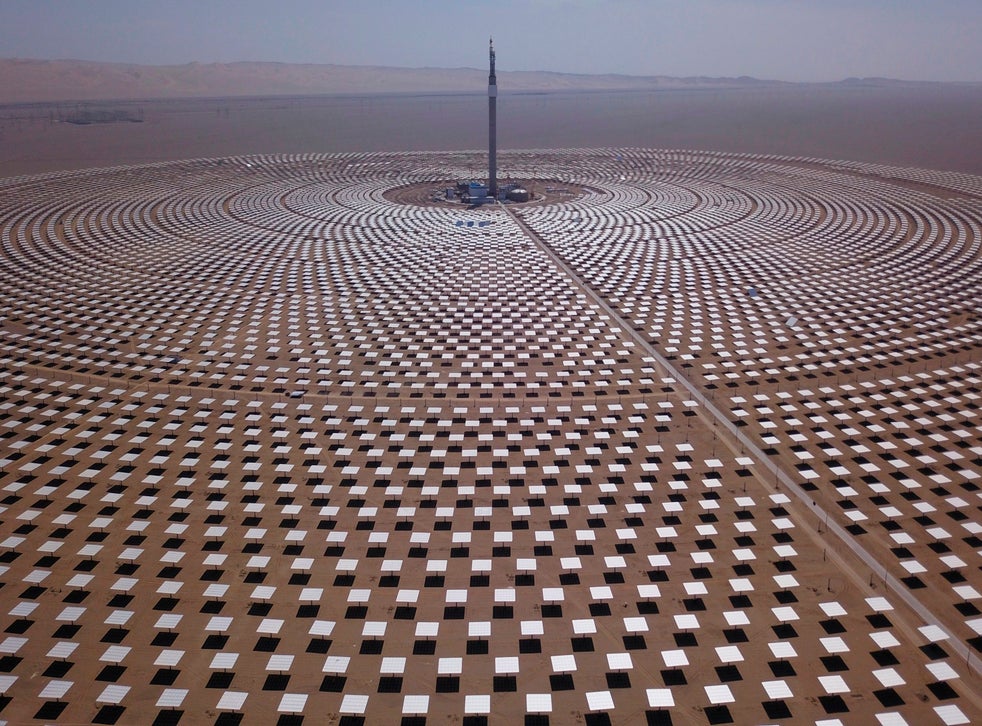
The unlikely solution was to undo the disruption caused by light at lower intensities by focussing the light into a high-intensity beam.
“On a normal sunny day, the intensity is so low that these deformations are still localised,” said Dr Stefano Bernardi from the University of Sydney.
“But if you find a way to increase the excitation above a certain threshold, for example by using a solar concentrator, then segregation disappears.”
Dr Hall added: “What we’ve shown is that you can actually use the material in the state that you want to use it, for a solar cell - all you need to do is focus more light onto it."
The research could also have significant implications for data storage, with perovskites offering a way to dramatically increase a device’s potential capacity.
A study detailing the results of the research was published in the journal Nature Materials on Monday.