Sign up to Society daily email briefing
Today's top SocietyGuardian stories
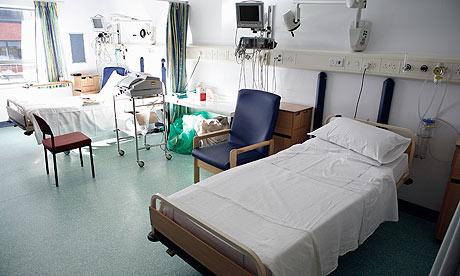
• NHS chief to investigate overnight discharges
• Charities should not fear a lobbying register, but this proposal is inadequate
• Poverty is shifting from inner to outer London, report finds
• Anti-cuts 'street parties' to rival Queen's diamond jubilee and Olympics
• Ken Livingstone in tears at 'huge responsibility' for London mayor
• Ministers look again at charity tax relief cap
• Remploy staff reject claims of disabled segregation
• La Haine screening in Tottenham aims to inspire youth where riots began
All today's SocietyGuardian stories
• From the archive, 12 April 1971: Gay is the word
• Being a street child is not a crime
• Pass notes No 3,157: Miss Universe
• What can you really learn from looking at a politician's tax return?
• Siobhan Benita campaigns to be included in London mayoral hustings
On the Guardian Professional Networks
• Why guidance on social housing allocations is 'wholly inadequate'
• Fundraising qualifications: which is right for you?
• Poll: should councils get more funding to tackle binge drinking?
• Care applications hit 10,000 in a year for first time
• How to set up a co-operative
• Open public services update: inconsistency at the heart of policy
On my radar ...
• As the debate about George Osborne's tax-relief caps for charitable donations continues, the plight of smaller charities has been raised. Nick Aldridge, the chief executive of MissionFish (UK), blogged about the myths and confusions surrounding the caps yesteday and he mentioned the problem that many large donations are made to foundations, which then feed investment into smaller charities through grants. Echoing Nick's sentiments, Voluntary Norfolk has also spoken out about how the smaller organisations in their region will be affected by the plans, at a time when reosurces are already stretched and demand for services are increasing.
• There's an interesting blog in We Love Local Government today questioning what success looks like for local authorities. Drawing inspiration from The Apprentice, which is driven by profit alone, this post highlights how that measurement is inappropriate for the public sector – factors such as quality of life and service provision would be more applicable. Without one main goal, measuring impact can be difficult and will need to continually evolve as local authorities take up more control in the regions.
Other news
• A new 'Speed Commission' is to be set up to examine the impact academisation is having on education and learning and development. The move comes as the number of academies has risen from 200 to 1,635 since May 2010. Christine Gilbert, chief inspector of schools and chief executive of the London Borough of Tower Hamlets, Brett Wigdortz, chief executive of Teach First, and Professor Chris Husbands, director of the Institute of Education, will chair the commission.
• Yesterday a report published by the Royal College of Paediatrics and Child Health found that out of the 59 paediatricians surveyed, more than 75% said they felt they would be unable to fulfill their duties of safeguarding children under the new health reforms.
• An investigation by the Healthcare Service Journal has found that the number of GP surgeries given extra money to support longer opening hours decreased by 7% between 2010-2011 and 2011-2012. The effect of the cuts was particularly prominent in deprived areas. For example, out of the PCTs analysed, the extended hours support was cut by 11% in the most deprived areas compared to just 2% in the wealthier areas.
Events and seminars
Digital communications and campaigning for charities
Thursday 19 April, Kings Cross, London
This half-day seminar will enable you plan, implement and manage your online campaign to maximum effect. It will give you practical advise on how to get the most out of popular social media websites as well as help you define your target audience. This event is a must for anyone needing to plan a campaign to create relationships with supporters to champion your long-term aims.
The Green Deal - A real opportunity?
Tuesday 24 April, Kings Cross, London
The Green Deal offers opportunity for both the social housing sector and local authorities to reduce carbon emissions. How can your organisation maximise the benefits of the scheme for both tenants and your finances?
Making the most of social media for social housing
Friday 4 May, Kings Cross, London
This overview of social media channels will show you how to use them to maximum effect, with clear, practical examples of ways to save money, improve your communications and form a social media campaign
Tuesday 15 May, Kings Cross, London
Engaging with volunteers is an increasingly challenging task. This half-day seminar will help you explore what 21st century volunteers want and what you need to do to involve them effectively. Delivered by leading expert Rob Jackson, this session is a must for anyone building a long-term volunteer engagement strategy.
Friday 18 May, Kings Cross, London
Bid writing is an essential skill in voluntary sector organisations. This interactive seminar will help you create applications and bids that demonstrate your organisation's strengths and priorities, how you differ from other projects, what the benefits are for your clients and the community and how you'll be able to measure them.
SocietyGuardian blogs
Sarah Boseley's global health blog
SocietyGuardian on social media
Follow SocietyGuardian on Twitter
Follow Patrick Butler on Twitter
Follow Clare Horton on Twitter
Follow Alison Benjamin on Twitter
SocietyGuardian's Facebook page
SocietyGuardian links
Guardian cutswatch - tell us about the cuts in your area
Public Leaders - the Guardian's website for senior managers of public services
The Guardian's public and voluntary sector careers page
Hundreds of public and voluntary sector jobs
SocietyGuardian editor: Alison Benjamin
Email the SocietyGuardian editor: society@guardian.co.uk