Today's top society stories
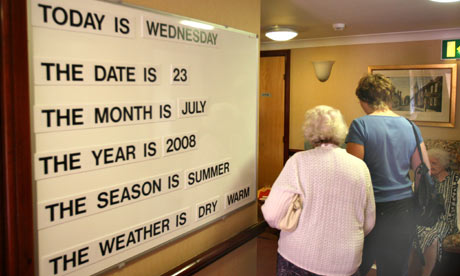
Britain ignoring its dementia crisis, says study
NHS plans "more detailed" performance ratings
Public sector plans major strikes in run up to election
Labour spending "failed" to improve child health
Interview: Mike Freer, "Mr easyCouncil"
Today's Society Guardian supplement
Other news
• One in five police officers – 28,000 – could lose their jobs under costcutting measures contained in a "future scenarios" document drawn up by the Association of Chief Police Officers, says the Daily Telegraph
• The soon-to-depart children's commissioner, Sir Al Aynsley-Green has told the Independent that England hates its young people and is one of the "most child-unfriendly countries in the world".
The sweet sound of success
Cardiff: Voice 10 social enterprise conference
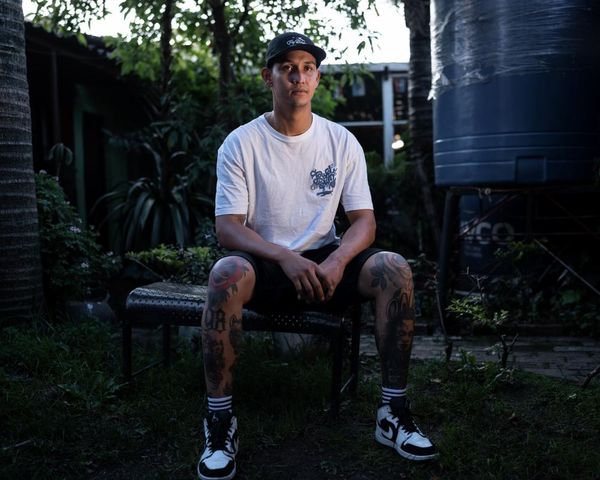
• Inspiring presentation of the day was by Lance Gardner, managing director of Open Door, a Grimsby-based social enterprise that partners with the NHS to provide primary and community care to marginalised and dispossessed local people. The portraits accompanying his presentation (all people who have used the Open Door service) appeared on SocietyGuardian.co.uk last year. We've also written about the project. These words and pictures, splendid as they are, don't really do justice to Lance's compelling performance, which was full of humour and insight, not least in his explanation of the – to most people – baffling paradox of why the very people who need healthcare the most are least likely to bother accessing it.
"They do not care about their health because they do not know where the next meal is coming from."
Simple really. But also scary. Open Door's collection of people who had fallen off the NHS radar (or had never been on it) included nine people who were subsequently diagnosed with such profound and serious mental health problems as to be considered a danger to themselves and others. There were some great stories of redemption (or at least attainment of semi-stability). My favourite was the serial criminal who was helped by Open Door to finally go straight. The savings to the public purse of ending his endless cycle of bad behaviour, court appearances and prison (the social return on investment, in the jargon) was, Lance estimated, £98,000 a year. A classic social enterprise success story.
• Will the Tories be brave and visionary when it comes to encouraging social enterprise in public services delivery, or will they back off, cowed by the big corporates (public and private) into "business as usual". That pertinent question, asked of Philip Blond, the "Red Tory," and a supposed ideological guru of David Cameron, didn't get a yes or no answer. But then he's a philosopher and intellectual after all. What he did say was:
"If you just have the same old third-rate failed politics … [which has] destroyed civil society, where the state and the market are the only powers, nothing will change."
Blond (who is speaking at the Guardian's Public Summit conference on Friday) is a fluent and likeable speaker, and a persuasive advocate for localism:
"If I can influence the politics in my street, I can begin to influence politics in my nation."
All social change starts small and grows locally, he says, but only if we encourage and nurture civil society and endow and trust it with real power and resources. He's a big fan of social enterprise, not least because the economic and social principles underpinning it – triple bottom line, social justice, employee ownership and so on – offer a positive alternative to the principles of economic and social liberalism that he believes have hollowed out British society over the past few decades.
Grim for Gilbert
More bad news for the beleaguered Christine Gilbert, head of Ofsted. A survey suggests that nearly three-quarters of directors of children's services think she is not the right person to lead the organisation. The poll, carried out by Children and Young People Now magazine, also found that nearly nine out of 10 respondents felt the inspectorate's workforce was not up to the job. Nor was there overwhelming certainty that Ofsted should continue to inspect children's social care: 52% were in favour, 48% against. One caveat: the magazine obtained replies from just 25 of the 152 directors in England. But that's still a startling percentage. It suggests that confidence in Ofsted among directors of children's services, which collapsed last year over its handling of the fallout of the Baby Peter case, has not returned.
Society links
Sign up to the SocietyGuardian email briefing
Get ahead: the Guardian's public and voluntary sector careers page